

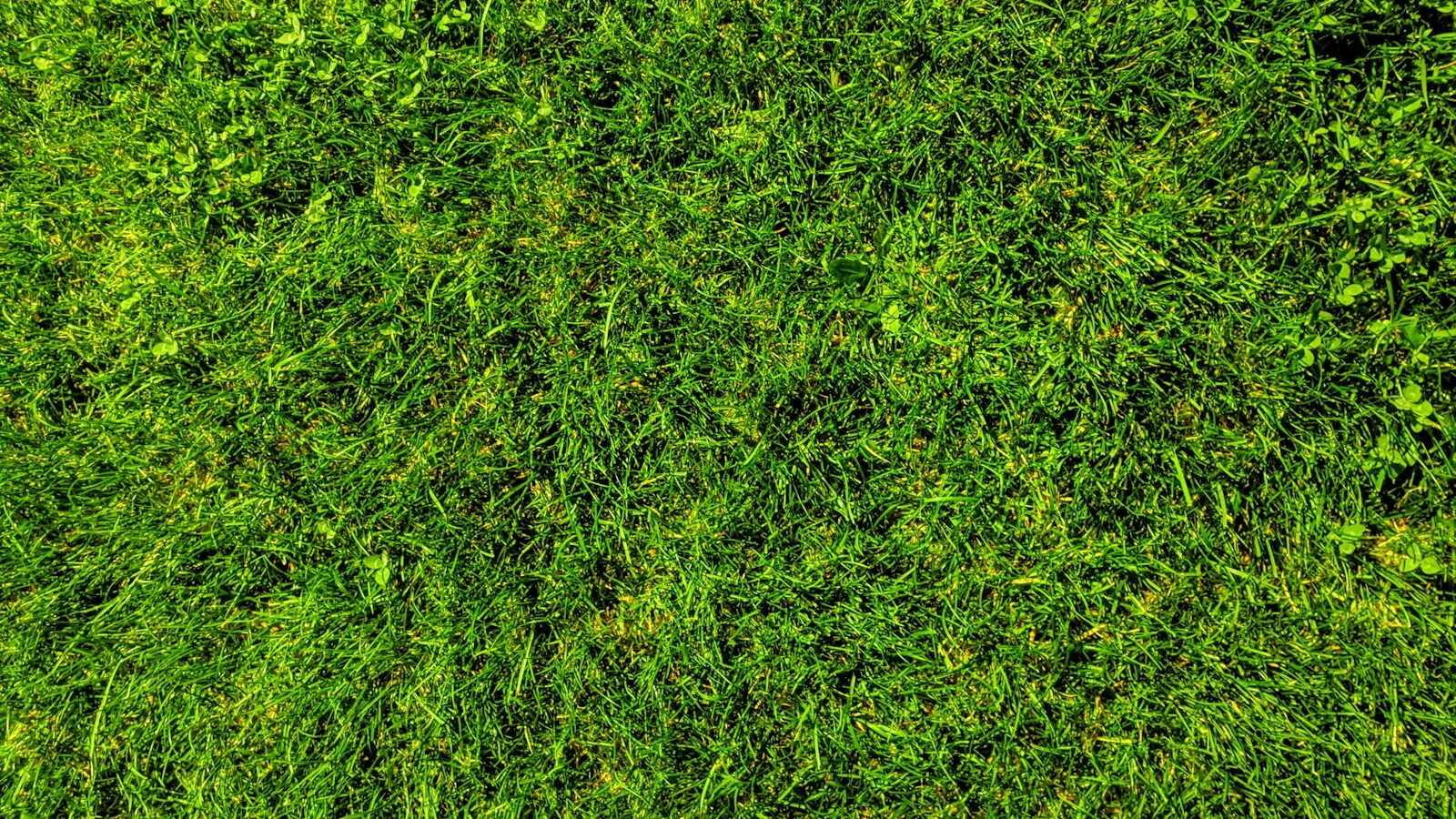
If patches of soft green moss are slowly elbowing out your grass, the moss isn’t really the problem — it’s the messenger. Moss moves in wherever grass struggles: too much shade, compacted or soggy soil, low fertility, or acidic ground. This guide shows you how to kill and remove the moss you have now, then fix the conditions that invited it, so it doesn’t simply grow back next spring.
Key takeaways
- Moss is a symptom: shade, compaction, wet, acidic or starved soil
- Iron sulfate blackens & kills moss; then rake it out
- Fix the cause: aerate, improve drainage, feed, mow higher
- Soil-test before liming for acidity
- Overseed bare areas to crowd moss out
As an Amazon Associate we earn from qualifying purchases.
Why moss takes over a lawn
Moss is an opportunist. It has no true roots and doesn’t compete with healthy, dense turf for water or nutrients. It simply colonizes the gaps grass leaves behind. So when moss spreads, it’s telling you the growing conditions favor moss over grass. Killing the moss without changing those conditions is like mopping the floor while the tap is still running — it always comes back.
The usual culprits
- Shade: Most lawn grasses need several hours of direct sun. Under trees, fences, or north-facing walls, grass thins and moss fills in.
- Compaction: Heavy foot traffic, clay soil, or construction leftovers squeeze out air pockets so grass roots can’t breathe — moss doesn’t mind.
- Poor drainage: Constantly wet, boggy ground drowns grass roots while keeping moss happily damp.
- Low fertility: Starved, thin turf can’t form a dense canopy, leaving open soil for moss to claim.
- Acidic soil: Many grasses prefer a soil pH around 6.0–7.0. Sour, acidic soil weakens grass while moss tolerates it.
- Scalping: Mowing too low repeatedly stresses grass and exposes soil to light and moisture — a perfect moss seedbed.
Usually it’s a combination — for example, a shady, compacted strip that stays wet. Identifying which factors apply to your yard tells you exactly which fixes below to prioritize. For the bigger picture of a healthy, usable yard, see our outdoor living guide.
Killing the moss you already have
Before reseeding or treating the underlying cause, knock back the existing moss so it doesn’t keep spreading. Early spring or fall, when moss is actively growing, is the best time to treat it.
Iron sulfate (ferrous sulfate)
Iron sulfate is the standard moss killer for lawns. Within a day or two of application the moss turns black and dies, while the iron actually greens up your grass as a bonus. You can buy it as a dry powder to mix with water, or as a ready-to-spray concentrate. Most “moss out” and “moss control” lawn products are iron-based.
- Apply on a dry, still day so it stays on the moss.
- Follow the label rate exactly — too strong can burn grass.
- Iron stains concrete, pavers, and clothing, so keep it off hard surfaces and rinse overspray promptly.
- Wait the labeled interval (often a couple of weeks) before raking out the dead moss.
Shop for an iron sulfate moss killer rated for turf.
Dish-soap spot treatment
For small patches, a homemade spray works well and costs almost nothing. Mix roughly 2–4 ounces of mild dish soap per gallon of water and spray it directly onto the moss until soaked. The soap dries the moss out, and it browns over the next day or so. It’s ideal for spot-treating clumps without coating the whole lawn. For larger areas, iron sulfate is more practical.
Rake it out
Whichever method you use, the dead moss must be physically removed — it won’t disappear on its own, and leaving it just smothers new grass. Use a stiff garden rake or a dethatching rake (a powered dethatcher for large lawns) to scratch out the blackened moss. Rake firmly to expose bare soil, which you’ll seed shortly. Bag the debris rather than composting moss spores back into the yard.
Free, no-obligation quote · Connect with a local pro
The real long-term fix: change the conditions
Here’s where most people stop too soon. Removing moss only buys you time; if the soil is still wet, compacted, shady, or acidic, moss simply returns. The lasting solution is to make conditions favor grass instead. Tackle whichever of these apply to your situation.
Aerate to relieve compaction
Core aeration pulls small plugs of soil out of the lawn, opening it up so air, water, and roots can move freely. It’s one of the single most effective fixes for moss caused by compaction or heavy clay. Aerate in the growing season and follow up with overseeding. Our lawn aeration guide walks through timing and tools.
Improve drainage
If part of your yard stays soggy, fixing drainage is non-negotiable — moss thrives in standing moisture. Solutions range from simple regrading and adding organic matter to installing a French drain or dry well in stubborn low spots. See how to fix yard drainage for the options that match your situation.
Test soil, then lime if it’s acidic
Acidic soil is a common moss enabler, but don’t reach for lime blindly — over-liming can cause its own problems. Use a soil test kit (or a lab test through your county extension office) to check pH. If it reads well below about 6.0, apply lawn lime at the recommended rate to nudge pH up. Lime works slowly, so retest the following season.
Feed the lawn
A well-fed lawn grows thick enough to crowd moss out. Apply a balanced lawn fertilizer on a regular schedule for your grass type and region. Healthy, dense turf is your best long-term defense — the same density that beats moss also helps suppress lawn weeds.
Mow higher and prune for light
- Raise the mower: Cutting at the high end of your grass’s range (often 3–4 inches for cool-season lawns) shades out moss and grows deeper roots. Stop scalping.
- Prune for light: Thinning or limbing up overhanging tree branches lets more sun reach grass in shady, moss-prone areas.
Overseed bare areas
After raking out the moss, spread grass seed over the bare patches — ideally a shade-tolerant blend if the spot is dim. New grass fills the gaps that moss would otherwise reclaim. Keep the seeded areas consistently moist until established, then transition to deeper, less frequent watering to encourage strong roots.
Free, no-obligation quote · Connect with a local pro
When a moss lawn is actually fine
Not everyone needs to fight moss — and in some yards, you shouldn’t. If you have a deep-shade, damp area where grass has never thrived no matter what you try, a moss lawn can be a smart, low-maintenance choice. Moss stays green, needs no mowing, no fertilizer, and little water, and it forms a soft, attractive carpet. Whole gardens are designed around it.
The practical question is whether you’re trying to grow grass in a place that simply won’t support it. In those spots, embracing moss — or switching to shade-loving groundcovers — saves you years of frustration. Save the moss-removal effort for areas that genuinely can grow healthy turf once conditions improve.
A simple game plan
- Identify which conditions favor moss in each affected area (shade, wet, compaction, acidity, low fertility).
- Treat existing moss with iron sulfate or a dish-soap spray in spring or fall.
- Rake out the dead moss to expose bare soil.
- Aerate compacted areas and fix any drainage problems.
- Soil-test, then lime only if pH is too low.
- Feed the lawn, raise your mowing height, and prune for more light.
- Overseed the bare patches with a suitable (shade-tolerant) grass.
- For deep-shade or boggy spots that resist grass, consider keeping moss or a groundcover.
Frequently asked questions
Does killing moss get rid of it for good?
No. Killing and raking out moss only removes what’s there now. If the underlying conditions — shade, compaction, poor drainage, acidity, or low fertility — stay the same, moss will return. The lasting fix is changing those conditions so grass outcompetes it.
Will lime alone get rid of moss?
Only if acidic soil is the main cause. Lime raises soil pH, which helps grass and discourages moss in sour soils, but it does nothing for shade, wetness, or compaction. Always soil-test first — applying lime to soil that isn’t acidic can do more harm than good.
How does iron sulfate kill moss?
Iron sulfate (ferrous sulfate) dries out and blackens moss within a day or two while leaving grass unharmed at label rates — it even greens the turf. After the moss dies, you rake it out. Keep it off concrete and pavers, which it can stain.
What’s the best time of year to treat lawn moss?
Early spring or fall, when moss is actively growing and the weather is cool and moist. These seasons also line up well with aeration and overseeding, so you can treat the moss and improve the lawn in one push.
Can I just leave the moss?
Yes, in the right spot. In deep shade or consistently damp areas where grass won’t grow regardless of effort, a moss lawn is a legitimate low-maintenance choice — no mowing, feeding, or much watering needed. Save grass restoration for areas that can actually support turf.
Want a pro to treat your lawn?
Compare free, no-obligation quotes from vetted local lawn treatment pros near you.