

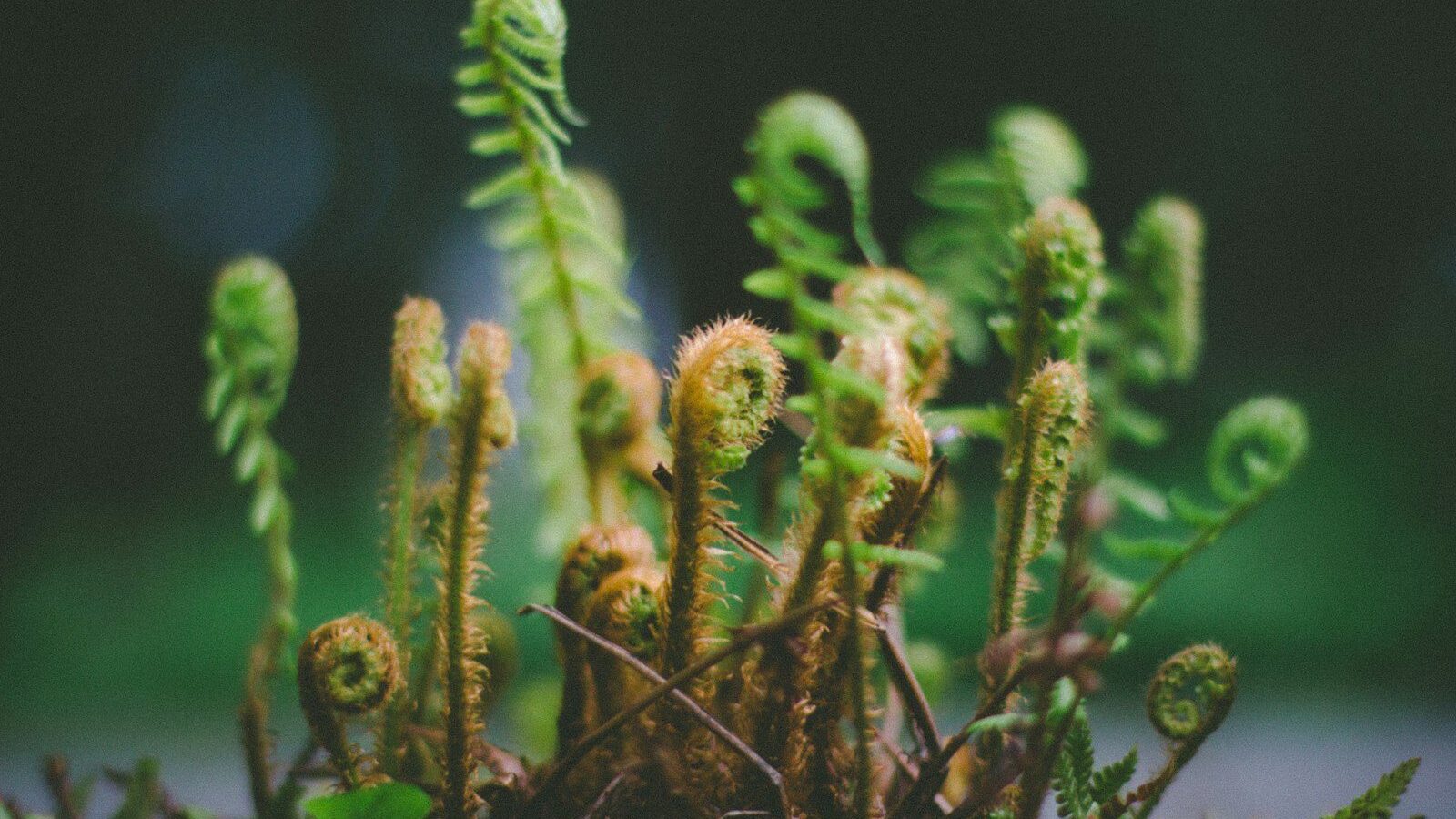
The rabbit’s foot fern (Davallia fejeensis) earns its name from the soft, silvery-brown rhizomes that creep over the rim of the pot and dangle like furry little paws. Those fuzzy rhizomes are not just charming — they are the key to understanding how the plant works and why it behaves differently from a typical fern. Unlike a Boston fern that wants its crown buried and constantly damp, a rabbit’s foot fern grows from surface-running rhizomes that must stay on top of the soil and need air around them. Get the rhizomes, humidity, and watering right and this is one of the easier, more forgiving ferns for indoor growing, with lacy, finely cut fronds that look great in a hanging basket. This guide covers light, water, soil, humidity, the rhizomes, propagation, and the few problems you might run into.
Key Takeaways
- Light: Bright, indirect light. No harsh direct sun, which scorches the delicate fronds.
- Water: Keep the soil lightly and evenly moist, never soggy; let the very top dry slightly between waterings.
- Rhizomes: The furry rhizomes must stay on the surface — never bury them, or they rot.
- Humidity: Loves 50%+ humidity; benefits from a pebble tray, grouping, or a humidifier, especially in dry winter air.
- Propagation: Easy from rhizome divisions laid on top of fresh, airy mix.
Meet the Rhizomes
The defining feature of this plant is its epiphytic, surface-creeping rhizomes covered in soft scales. In the wild, Davallia species often grow on tree trunks and rocks rather than in the ground, anchoring with these rhizomes while the fronds reach for filtered light. That epiphytic habit explains nearly every care decision: the rhizomes need air, they store some moisture, and they will rot if buried or kept constantly wet. As the plant grows, the rhizomes climb over the pot rim and wander down the sides, which is completely normal and a sign of a happy plant. Resist the urge to tuck them back into the soil. If they dry out, mist them occasionally — they will absorb surface moisture and humidity directly.
Light
Rabbit’s foot ferns want bright, indirect light — the kind of light a few feet back from an east- or north-facing window, or behind a sheer curtain at a brighter window. Their thin, lacy fronds scorch easily, so keep them out of direct afternoon sun, which bleaches and crisps the foliage. Too little light, on the other hand, produces sparse, pale, leggy growth and slows the rhizomes. If the plant is reaching or thinning out, move it somewhere brighter but still shielded from direct rays. A spot that suits most other indoor ferns will suit this one. Rotate the pot every week or two so the fronds fill in evenly all around.
Watering
Aim for evenly, lightly moist soil — moist like a wrung-out sponge, never waterlogged. Water when the top half-inch to inch of the mix feels dry to the touch, then water thoroughly and let the excess drain away completely. The rhizomes are vulnerable to rot, so the two extremes to avoid are a pot that sits in standing water and a mix that dries out bone dry and stays that way. Both will cause fronds to brown and drop. In practice this usually means watering once or twice a week in spring and summer, less in winter when growth slows and the plant uses less.
If your tap water is heavily chlorinated or high in minerals, ferns appreciate filtered or rainwater, or tap water left to sit overnight. Lukewarm water is gentler than cold. Hanging baskets dry out faster than pots on a shelf, so check them more often. The same “moist but airy” balance that keeps a bromeliad happy applies here — surface dwellers dislike being smothered in wet soil.
Soil and Potting
Because the rhizomes run on the surface and the roots want air, use a light, chunky, well-draining mix rather than dense potting soil. A good blend is roughly equal parts standard peat- or coir-based potting mix, perlite or orchid bark for aeration, and a little compost or worm castings for nutrition. An orchid or African violet mix amended with extra perlite also works well. The goal is a medium that holds some moisture but never compacts into a soggy plug.
A wide, shallow pot suits the shallow-rooted, spreading rhizomes better than a deep one, and a hanging basket shows off the dangling fronds and paws beautifully. Always use a pot with drainage holes. When you pot or repot, set the plant so the rhizomes rest on top of the soil — only the roots beneath them should be in the mix. Repot every two to three years in spring, or when rhizomes have completely covered the surface and the plant dries out too fast.
Humidity and Temperature
This is a humidity-loving plant, and dry indoor air — especially from winter heating — is the most common reason fronds brown at the edges. Aim for 50% relative humidity or higher. A pebble tray filled with water beneath the pot (with the pot sitting on the pebbles, not in the water), grouping it with other plants, running a small humidifier nearby, or keeping it in a naturally humid room like a bright bathroom all help. Light misting of the fronds and rhizomes adds short-term humidity and keeps the rhizomes hydrated, though it is not a substitute for ambient humidity.
Temperature-wise, normal household range suits it well: roughly 60–75°F (16–24°C). Protect the plant from cold drafts, heating vents, and sudden temperature swings, all of which stress the fronds. It is not frost-hardy, so keep it indoors or move it inside well before cold weather if you summer it outdoors in a shady spot.
Feeding
Feed lightly during the growing season, spring through early fall. A balanced liquid houseplant fertilizer at half strength every four to six weeks is plenty. Ferns are sensitive to fertilizer salts, so err on the side of dilute and flush the pot with plain water occasionally to prevent buildup, which shows up as brown frond tips. Stop feeding in late fall and winter when growth naturally slows.
Propagation
Rabbit’s foot ferns are easy to propagate by rhizome division, which is the most reliable method for home growers. The best time is spring, when the plant is entering active growth. Choose a healthy rhizome section that is several inches long and has at least one or two fronds attached. Using a clean, sharp knife or snips, cut that section away from the parent. You can take a piece that has already grown over the pot edge.
Lay the rhizome cutting on top of a small pot of moist, airy mix, with any roots gently anchored into the soil and the furry rhizome resting on the surface. Pin it down with a bent paperclip or floral pin so it stays in contact with the soil. Keep it warm, humid, and out of direct sun, and the rhizome will root from its underside within a few weeks. A clear cover or humidity dome speeds things along. Once you see new fronds emerging, the division has established. Spores are another option but are much slower and trickier than division. For more on propagating houseplants from surface growth, see the broader Plants & Flowers hub.
Common Problems
Brown, crispy frond tips or edges. Almost always low humidity or fertilizer salt buildup. Raise humidity, flush the soil, and use filtered water.
Yellowing, wilting fronds. Usually overwatering or poor drainage causing root and rhizome rot. Let the soil dry slightly more, confirm the pot drains freely, and check that rhizomes are not buried.
Shriveled, dried-out rhizomes. The air or soil is too dry. Increase watering frequency slightly, mist the rhizomes, and boost ambient humidity.
Faded, leggy growth. Too little light. Move to a brighter indirect spot.
Pests. Watch for scale, mealybugs, and spider mites, which are more common in dry air. Wipe them off, rinse the fronds, and treat with insecticidal soap if needed, testing on a small area first since fern fronds are sensitive.
Frequently Asked Questions
Should I bury the furry rhizomes?
No. The rhizomes are meant to grow on the surface and over the pot rim. Burying them cuts off their air supply and causes them to rot. Only the roots underneath should be in the soil.
Why are the rhizomes growing over the edge of the pot?
That is completely normal and a sign of a healthy, growing plant. These epiphytic rhizomes naturally creep over and down the sides of the container, which is part of the plant’s charm.
How often should I water a rabbit’s foot fern?
Keep the soil lightly and evenly moist, watering when the top inch feels dry — often once or twice a week in summer and less in winter. Never let it sit in standing water.
Why are the frond tips turning brown?
The most common cause is low humidity, followed by fertilizer salt buildup or mineral-heavy tap water. Raise humidity to 50% or more, flush the soil occasionally, and use filtered or rainwater.
Is a rabbit’s foot fern safe for pets?
Yes, true ferns including Davallia are generally considered non-toxic to cats and dogs, making this a pet-friendly choice. As always, discourage pets from nibbling foliage to avoid stomach upset.