

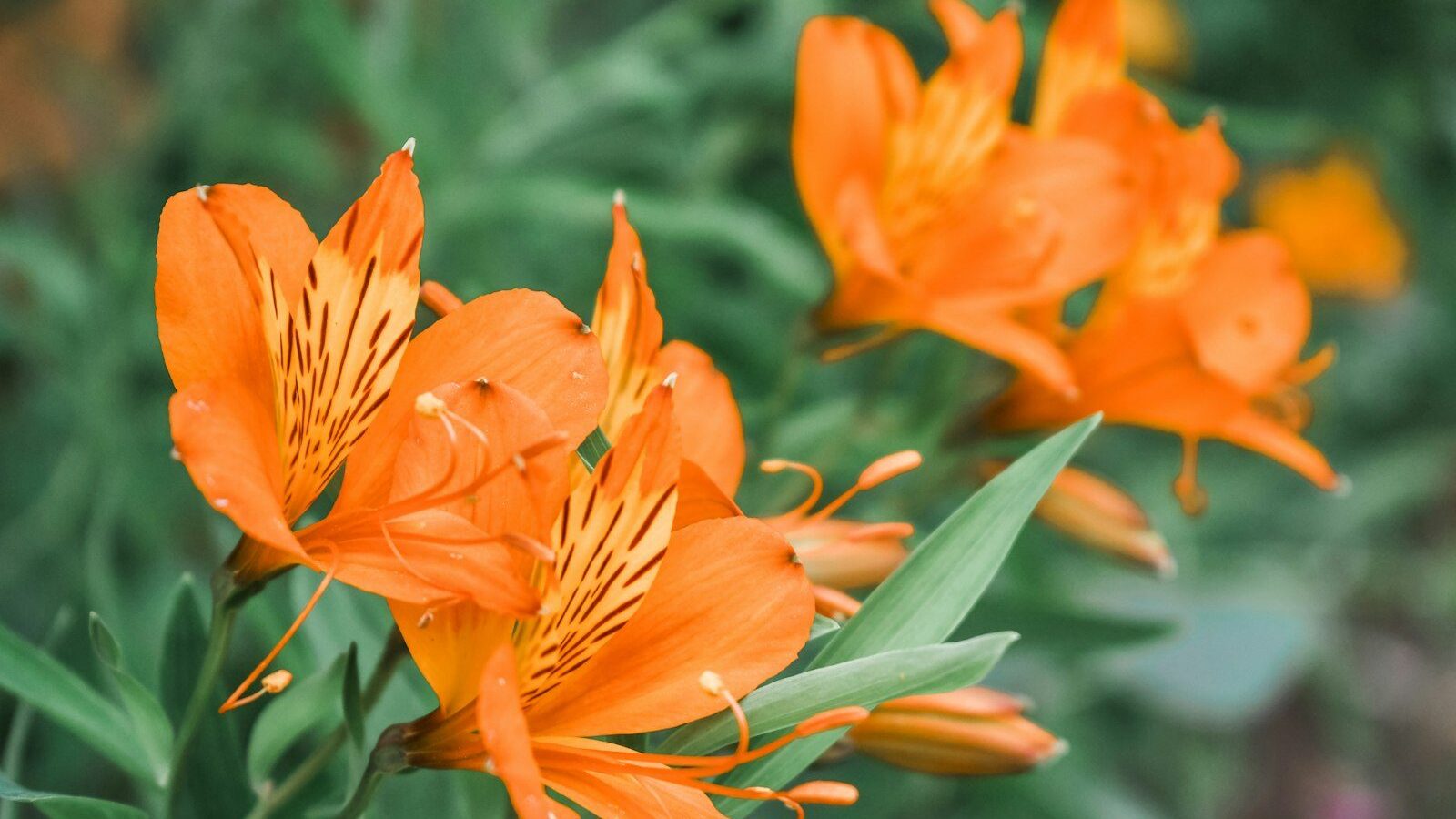
The goldfish plant (Nematanthus gregarius) earns its name from dozens of small, pouched orange blooms that look exactly like leaping goldfish, dangling from arching stems of glossy, dark-green leaves. It’s a tropical epiphyte from Central and South American rainforests, a relative of the African violet, and it makes a spectacular hanging basket when happy. The catch is that “happy” means a specific combination of bright light, careful watering, and humidity — get those right and it flowers for much of the year; get them wrong and it sulks, drops leaves, and refuses to bloom. This guide breaks down exactly what a goldfish plant needs, the trick to triggering those signature blooms, how to propagate it from cuttings, and how to fix the leaf drop that frustrates most owners.
Key Takeaways
- Light: bright, indirect light is essential for blooming. Too little light means lush leaves but no flowers.
- Water: let the top inch dry, then water thoroughly. Both overwatering and bone-dry soil cause leaf drop.
- Humidity: high humidity (50%+) keeps leaves glossy and prevents browning.
- Bloom trick: a slightly cooler, drier winter rest plus high phosphorus feeding encourages heavy flowering.
- Pet-safe: goldfish plants are non-toxic to cats and dogs — and easy to propagate from cuttings.
Light: The Key to Flowering
Light is the single biggest factor in whether your goldfish plant blooms. It needs bright, indirect light for several hours a day — an east-facing window is often ideal, or a spot near a brighter south or west window with the harsh midday sun filtered by a sheer curtain. In good light the plant stays compact, full, and flower-covered. In low light it survives but stretches into leggy, sparse growth and produces few or no blooms, which is the most common reason owners are disappointed.
Avoid harsh, direct afternoon sun, which scorches and bleaches the leaves. If your home lacks a bright enough window, a grow light running 10 to 12 hours a day will give a goldfish plant the energy it needs to flower. As a hanging plant, it appreciates being hung where it catches good light across its trailing stems rather than tucked into a dim corner.
Watering
Goldfish plants want soil that stays lightly moist during active growth, but they’re sensitive to extremes in both directions. Water thoroughly when the top inch of soil feels dry, letting water run through the drainage holes, then empty the saucer. In a bright spot this usually means watering once or twice a week in spring and summer, tapering off in winter. Their stems are semi-succulent and store some water, so they tolerate a brief dry spell better than constant sogginess.
Overwatering is the more dangerous mistake: soggy soil causes root rot and triggers sudden leaf drop, the plant’s classic distress signal. But letting the soil go bone-dry for too long also causes leaves to shrivel and drop. The goal is consistent, moderate moisture. Use room-temperature water — cold water can shock the roots and cause leaf spotting — and reduce watering noticeably in winter when growth slows, which also helps set up the next bloom cycle.
Humidity and Temperature
As a rainforest epiphyte, the goldfish plant loves humidity and aims for 50% or higher. Dry indoor air, especially in winter, leads to dull, browning, or dropping leaves. The most reliable fix is a small humidifier nearby; a pebble tray and grouping it with other plants help, and a bathroom or kitchen with good light is a naturally humid home. Light misting is appreciated but evaporates quickly, so it’s a supplement rather than a solution.
Temperature-wise, goldfish plants are comfortable between 65 and 75°F during the growing season. They dislike cold drafts and temperatures below 60°F. As we’ll see, a slightly cooler period in winter (down to around 60°F) actually helps trigger blooming, but true cold will damage the plant. Keep it away from drafty windows and heating vents alike. For more on keeping rainforest plants happy in dry homes, our tropical houseplant care guides cover humidity solutions in depth.
Soil and Potting
Because it’s an epiphyte, the goldfish plant needs a light, airy, well-draining mix — never dense, heavy soil that holds water. A good blend is regular potting mix lightened with plenty of perlite, plus some orchid bark or peat; an African violet mix works well, since the two are relatives. The medium should hold a little moisture but drain freely so the roots get oxygen.
Goldfish plants actually bloom better when slightly pot-bound, so resist the urge to over-pot. Repot only every two to three years, moving up just one pot size, and do it in spring. A snug root system, combined with good light and the right feeding, is part of what pushes the plant to flower rather than just grow foliage. Always use a pot with drainage holes — a hanging basket with a built-in saucer is ideal as long as you don’t let water pool in it.
Feeding and the Secret to Blooming
To get those signature goldfish blooms, feeding matters as much as light. During spring and summer, feed every two weeks with a high-phosphorus “bloom booster” fertilizer diluted to half strength — phosphorus (the middle number on the label) drives flowering, whereas a high-nitrogen feed produces leaves at the expense of blooms. Consistent, moderate feeding through the growing season keeps a well-lit plant flowering for months.
The real trick to heavy blooming is giving the plant a winter rest. In late fall and winter, move it somewhere a bit cooler (around 60°F), water more sparingly, and stop fertilizing for several weeks. This cool, lean dormancy mimics its natural cycle and sets flower buds, so that when you resume warmth, water, and feeding in spring, the plant responds with a flush of blooms. Pinching back the stem tips after flowering also encourages bushier growth and more flowering sites for the next round.
Common Problems
Leaf Drop
The most common goldfish-plant complaint. Sudden leaf drop is usually caused by watering extremes — either soggy, rotting roots or soil that went completely dry — or by cold drafts and temperature swings. Check the soil moisture first and correct toward consistent, moderate watering, keep the plant out of drafts, and use room-temperature water. Once conditions stabilize, new growth returns.
No Flowers
If the plant is leafy but won’t bloom, the usual causes are insufficient light, too much nitrogen fertilizer, or no winter rest. Move it to brighter indirect light, switch to a high-phosphorus feed, and give it a cool, drier dormant period over winter to set buds. A slightly pot-bound plant also blooms more readily than one in an oversized pot.
Leggy Growth
Long, sparse, stretched stems mean the plant isn’t getting enough light. Move it brighter and pinch back the leggy tips to encourage branching. Regular pinching keeps a goldfish plant full and cascading rather than thin and straggly — and the pinched tips make perfect cuttings for propagation.
Propagation
Goldfish plants are wonderfully easy to propagate from stem cuttings, so you can quickly turn one plant into several or refresh an aging, leggy specimen. In spring or summer, take a 3- to 4-inch cutting from a healthy, non-flowering stem tip, snipping just below a leaf node. Remove the lower leaves to expose a couple of bare nodes — these are where new roots form.
You can root cuttings in water or directly in moist potting mix. For water, place the cutting in a glass with the nodes submerged, set it in bright indirect light, and refresh the water every few days; roots usually appear within two to three weeks, after which you pot it up. For soil rooting, dip the cut end in rooting hormone (optional but helpful), insert it into a moist, airy mix, and cover loosely with a clear bag to hold humidity. Keep it warm and bright, and the cutting should root within a few weeks. Planting several cuttings together in one pot gives you a full, bushy plant fast. For step-by-step technique that applies to most trailing tropicals, see our guides to propagating houseplants from cuttings.
Is the Goldfish Plant Toxic to Pets?
Good news for pet owners: the goldfish plant is non-toxic to cats and dogs. It’s a safe choice for animal households, and because it’s typically grown as a hanging basket, it’s also naturally out of reach of curious pets. A nibbled leaf might cause minor stomach upset from the fiber, but there are no poisonous compounds — making it a pet-safe way to add cascading, colorful blooms to a bright room.
Frequently Asked Questions
Why is my goldfish plant dropping leaves?
Leaf drop is usually caused by watering extremes — soggy, rotting roots or soil that went bone-dry — or by cold drafts and temperature swings. Aim for consistent, moderate moisture (water when the top inch is dry), keep it away from drafts, and use room-temperature water. New growth returns once conditions stabilize.
Why won’t my goldfish plant bloom?
The usual culprits are too little light, too much nitrogen fertilizer, or no winter rest. Give it bright indirect light, switch to a high-phosphorus bloom feed, and provide a cooler, drier dormant period (around 60°F) over winter to set buds. A slightly pot-bound plant also flowers more readily.
How often should I water a goldfish plant?
Water thoroughly when the top inch of soil is dry — usually once or twice a week in spring and summer, less in winter. Keep the soil lightly moist but never soggy, empty the saucer, and use room-temperature water to avoid shocking the roots and spotting the leaves.
How do I propagate a goldfish plant?
Take a 3–4 inch cutting from a healthy non-flowering stem tip just below a node, remove the lower leaves, and root it in water or moist, airy potting mix. Keep it warm and in bright indirect light; roots form within two to three weeks. Plant several cuttings together for a fuller plant.
Are goldfish plants safe for cats and dogs?
Yes. Goldfish plants are non-toxic to cats and dogs, and since they’re usually grown as hanging baskets they stay out of reach anyway. A nibble might cause mild digestive upset from the fiber, but there are no toxic compounds to worry about.
The goldfish plant rewards a little attention with one of the most charming displays in the houseplant world — cascading stems lined with leaping orange blooms. Give it bright indirect light, steady moderate watering, real humidity, and a cool winter rest to set those buds, and it will flower for much of the year. Best of all, it’s pet-safe and dead-simple to propagate, so one healthy plant can fill your home with goldfish.