

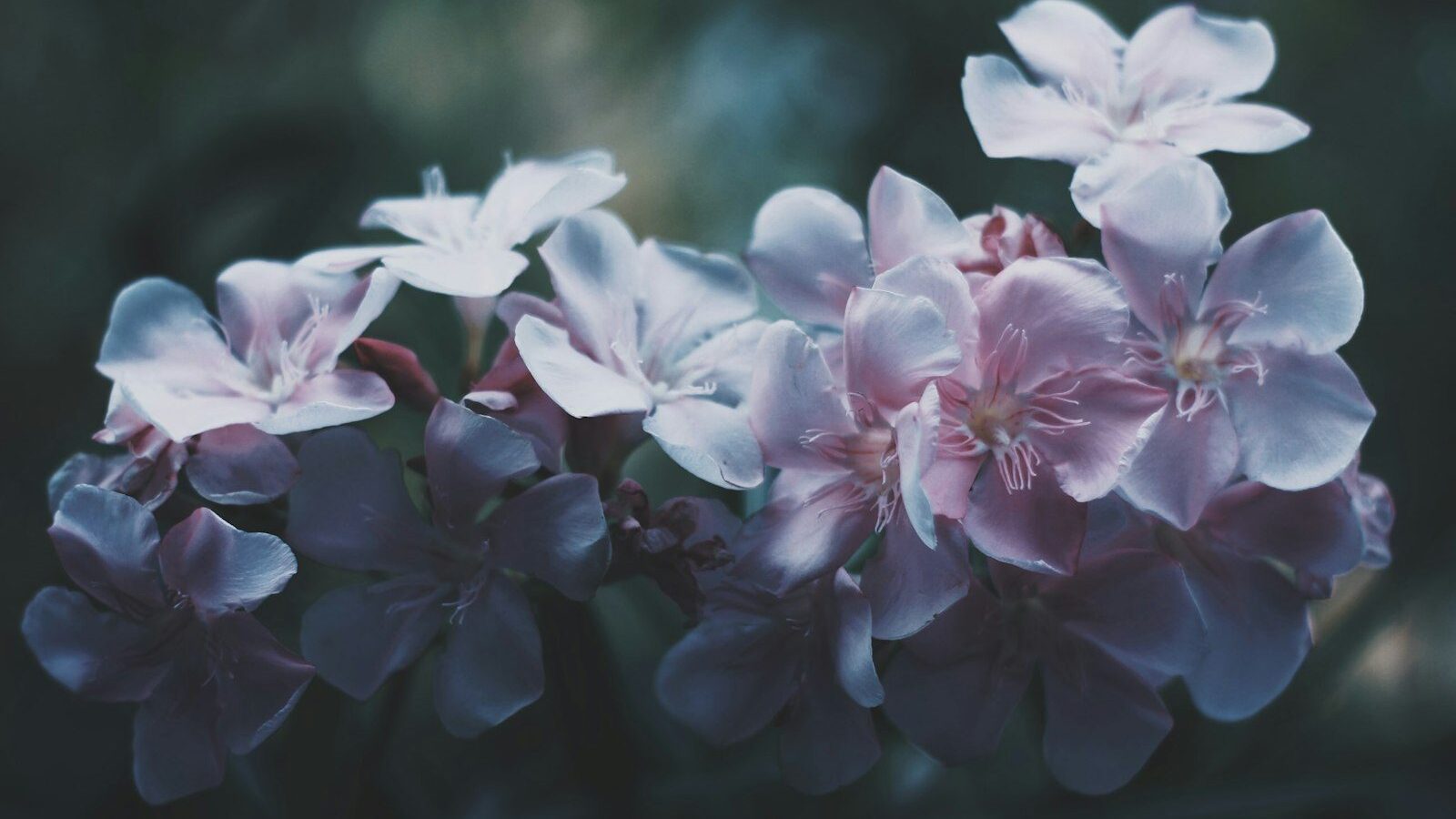
Short answer: plant creeping phlox if you want a low, evergreen mat that smothers a sunny slope or rock wall with color in April and May, and plant tall garden phlox if you want fragrant, 3- to 4-foot flower heads at the back of a summer border from July into September. They share a genus and a five-petaled flower shape, but almost everything else differs: height, bloom season, soil preference, disease risk and how you prune them. Garden phlox (Phlox paniculata) is a classic cottage perennial that needs rich, moist soil and good airflow to stay clean of powdery mildew. Creeping phlox, also called moss phlox (Phlox subulata), is a tough, drought-tolerant groundcover that thrives in lean, well-drained soil. Many gardens have room for both, and together they give you phlox color in spring and again in high summer.
In this guide
Key Takeaways
- Creeping phlox grows 4 to 6 inches tall and blooms in spring; garden phlox grows 2 to 4 feet tall and blooms midsummer to early fall.
- Creeping phlox wants full sun and lean, sharp-draining soil; garden phlox wants full sun to light shade and rich, evenly moist soil.
- Powdery mildew is the main garden phlox problem; choose resistant cultivars like ‘David’, ‘Jeana’ or ‘Bright Eyes’ and space plants 18 to 24 inches apart.
- Shear creeping phlox lightly after flowering; deadhead garden phlox to extend bloom and prevent off-color self-seeding.
- Both are hardy in roughly USDA zones 3 to 8 or 9 and are favorites of butterflies.
Side-by-Side Comparison
| Trait | Garden phlox (P. paniculata) | Creeping phlox (P. subulata) |
|---|---|---|
| Common names | Tall phlox, summer phlox, border phlox | Moss phlox, moss pink, mountain phlox |
| Height | 2 to 4 feet | 4 to 6 inches |
| Spread | 2 to 3 feet clumps | 1 to 2 feet mats, spreading |
| Bloom time | July to September | April to May |
| Foliage | Lance-shaped, deciduous | Needle-like, semi-evergreen |
| Sun | Full sun to part shade | Full sun |
| Soil | Rich, moist, well-drained | Lean, sandy or rocky, sharp drainage |
| Water | About 1 inch per week | Drought tolerant once established |
| Hardiness | Zones 3 to 8 | Zones 3 to 9 |
| Fragrance | Noticeably sweet | Light or none |
| Main problem | Powdery mildew | Root rot in wet soil |
| Best use | Mid to back of border, cut flowers | Slopes, rock gardens, wall edges |
Growth Habit and Size
Garden phlox grows as an upright clump of stiff stems topped by dome-shaped panicles of flowers, each head 6 to 8 inches across. Most cultivars reach 3 feet, though dwarf selections in the Flame and Early series stay around 18 inches, and older types like ‘David’ push past 4 feet in rich soil. Clumps widen slowly by underground buds and benefit from division every three to four years.
Creeping phlox is the opposite shape. It forms dense mats of wiry stems covered in short, stiff, needle-like leaves that look a little like moss, which is where the name moss phlox comes from. Stems root where they touch soil, so a single plant can spread 2 feet wide in a few years. It cascades beautifully over the edge of a retaining wall or between boulders. Our creeping phlox growing guide covers spacing and planting in detail.
Two other species sometimes get confused with these. Woodland phlox (Phlox divaricata) is a 12-inch spring bloomer for shade, and Phlox stolonifera, creeping woodland phlox, is a shade-tolerant groundcover. If your site is shady, those are better choices than P. subulata, which sulks without at least six hours of sun.
Bloom Time and Flower Color
Creeping phlox flowers so heavily in spring that the foliage disappears under a sheet of color for three to four weeks. In zone 6 that is typically mid-April into May; in zone 8 it starts in March; in zone 4 it may run into early June. Colors include lavender-blue (‘Emerald Blue’), pink (‘Emerald Pink’), white (‘White Delight’), magenta (‘Scarlet Flame’) and bicolors like ‘Candy Stripe’.
Garden phlox takes over in midsummer, just when spring perennials are finished. Main bloom runs about six to eight weeks from July into September, and consistent deadheading can push sporadic flowers into October. Colors span white, pink, salmon, red, purple and lavender, often with a contrasting eye. The fragrance, especially on white cultivars in the evening, is a big part of the appeal and the reason gardeners plant it near patios and windows.
Sun, Soil and Water Needs
Creeping phlox: lean and dry
Moss phlox is native to rocky, sandy slopes in the eastern US. It wants full sun and sharp drainage, and it actually flowers better in poor soil than in rich garden loam. Heavy clay that stays wet in winter is the fastest way to kill it. If your soil is clay, plant on a slope, in a raised rock garden, or amend the planting area with gravel and coarse sand. Water weekly the first summer, then only during long dry spells. Skip fertilizer; extra nitrogen produces leggy, open mats.
Garden phlox: rich and evenly moist
Tall phlox evolved in moist meadows and woodland edges. It wants 6 or more hours of sun in the North and appreciates afternoon shade in hot zone 7 and 8 summers. Work 2 inches of compost into the bed before planting and mulch with 2 inches of shredded bark to keep roots cool. Give it about an inch of water per week, delivered at the base of the plant in the morning. Drought stress is a major trigger for mildew, so do not let it dry out in July and August. A spring top-dressing of compost or a balanced organic fertilizer is plenty.
Pests, Diseases and Problems
Powdery mildew is the big difference. It coats garden phlox leaves in white powder from midsummer on, especially in humid regions and crowded beds. It rarely kills the plant, but it looks bad and can cause lower leaves to drop. Prevention works better than cure: plant mildew-resistant cultivars, space plants 18 to 24 inches apart, thin each clump to four or five strong stems in spring so air moves through, and water the soil rather than the leaves. Proven resistant choices include ‘David’ (white), ‘Jeana’ (lavender-pink, a butterfly magnet), ‘Bright Eyes’ (pink with a red eye), ‘Shortwood’ and ‘Laura’.
Spider mites can bronze garden phlox leaves in hot, dry weather, and rabbits and deer will eat the tender tops. Phlox plant bug, a small orange-and-black insect, causes stippled leaves in some Eastern gardens; hand-pick or spray insecticidal soap early in the season.
Creeping phlox has fewer problems. Its main enemy is crown and root rot in wet soil. Mats can also brown out in the center after several years or after a harsh, snowless winter. Cut out dead patches in spring and let surrounding stems fill in, or lift and replant healthy edges. Deer generally leave moss phlox alone more than tall phlox, though rabbits will graze it.
Pruning and Maintenance
- Creeping phlox: shear back by about one-third to one-half right after flowering, using hedge shears or scissors. This keeps mats dense and sometimes triggers a light second bloom in fall. Do not cut it to the ground in fall; the semi-evergreen foliage protects the crown.
- Garden phlox: in late May, pinch or thin stems to encourage sturdier, mildew-resistant growth. Deadhead spent flower heads to extend bloom and keep self-sown seedlings from popping up in muddy magenta. Cut stems to 2 inches above ground after a hard frost, and remove any mildewed leaves rather than composting them.
- Division: lift and divide garden phlox every three to four years in early spring or fall. Creeping phlox can be propagated by digging rooted stem sections in spring or early fall.
For step-by-step care of the tall types, including staking and division, see our guide to growing phlox.
Wildlife Value
Both types are excellent pollinator plants, but they feed different visitors at different times. Creeping phlox provides early nectar for bees and early butterflies like spring azures when little else is blooming. Garden phlox has long, narrow flower tubes that favor butterflies, moths and hummingbirds; swallowtails, fritillaries and sphinx moths are frequent visitors on summer evenings. Native straight species and close-to-native cultivars like ‘Jeana’ tend to draw more pollinators than heavily bred double-flowered types.
Design Uses
Use creeping phlox where you need a low, tough, weed-suppressing cover: sunny banks too steep to mow, the top of a stone wall, the strip between a sidewalk and a driveway, or pockets in a rock garden. It pairs well with spring bulbs like grape hyacinth and dwarf tulips, which push up through the mat. Plant 12 to 18 inches apart for full coverage in two seasons.
Use garden phlox in the middle or back of a perennial border, alongside coneflower, bee balm, black-eyed Susan, Russian sage and tall ornamental grasses. It is a long-lasting cut flower too. Group three to five plants of one cultivar for impact. For more combinations and seasonal planting ideas, browse our flowers and perennials hub.
Which Should You Choose?
- If you have a sunny slope, rock wall or dry, sandy bed and want spring color with almost no maintenance, choose creeping phlox.
- If you want tall, fragrant summer flowers for a border, cutting garden or butterfly garden with decent soil and regular water, choose garden phlox.
- If your site is shady, skip both and look at woodland phlox or creeping woodland phlox.
- If you live in a humid Southeastern or Midwestern summer climate, choose garden phlox only in mildew-resistant cultivars and give it room.
- If you have heavy, wet clay, garden phlox will cope far better than moss phlox, which needs drainage.
- If you want color in both spring and summer, plant both: moss phlox along the front edge and tall phlox behind.
Planting time is the same for both: spring after the last frost or early fall, at least six weeks before the ground freezes. Container-grown plants from a nursery establish quickly either way.
Frequently Asked Questions
Is moss phlox the same as creeping phlox?
Yes. Moss phlox, moss pink and creeping phlox are all common names for Phlox subulata. The name refers to its needle-like, moss-textured foliage.
Does creeping phlox come back every year?
Yes. It is a perennial hardy in roughly zones 3 to 9 and keeps semi-evergreen foliage through winter. Mats get denser each year if sheared after flowering.
Why does my tall phlox get white powder on the leaves?
That is powdery mildew, triggered by humidity, crowding and drought stress. Thin stems, space plants farther apart, water at the base and grow resistant cultivars like ‘David’ or ‘Jeana’.
Can garden phlox grow in shade?
It tolerates light or afternoon shade, especially in hot climates, but blooms less and gets more mildew in deep shade. Woodland phlox is the better choice for shady beds.
Is creeping phlox invasive?
No. It spreads steadily by rooting stems but is easy to control by trimming the edges, and it is native to the eastern United States.