

You can have flowers outdoors from December through February in almost any US garden, as long as you match the plant to your zone. In cold zones 4 to 6, the reliable winter bloomers are witch hazel, hellebores, snowdrops and winter aconite, which open in late winter during mild spells. In zones 7 and 8, add winter jasmine, wintersweet, camellias, mahonia and pansies, which flower through much of the season. In zones 9 and warmer, winter is prime time for annuals like calendula, snapdragons and sweet alyssum, plus shrubs like camellias and aloes. Below is a zone-by-zone list with bloom windows and care notes, then tips for placing winter flowers where you will actually see them.
Part of our Flowers & Perennials guide →
In this guide
- How Winter Bloom Times Really Work
- Winter Blooming Flowers for Cold Zones (4 to 6)
- Winter Blooming Flowers for Mild Zones (7 to 8)
- Winter Blooming Flowers for Warm Zones (9 to 11)
- Winter Color in Containers
- Designing a Garden That Flowers in Winter
- Winter Flowers That Help Pollinators and Birds
- Caring for Winter Bloomers
- Frequently Asked Questions
Key Takeaways
- Cold-zone winter flowers bloom in thaws; expect late January to March in zones 4 to 6.
- Hellebores and witch hazel are the most dependable winter bloomers across the widest range of zones.
- Zones 7 to 8 can have near-continuous bloom from camellias, mahonia, winter jasmine and pansies.
- In zones 9 to 11, plant cool-season annuals in fall for a full winter of color.
- Plant winter flowers near doors, paths and windows so you enjoy them from indoors.
How Winter Bloom Times Really Work
“Winter blooming” means different things in Minnesota and in Georgia. In cold climates, most winter flowers are really late-winter flowers: they form buds in fall and wait, opening a few blossoms during any warm stretch and holding the rest until February or March. Many are built for it. Witch hazel petals curl up on freezing nights and unfurl again when it warms. Hellebore flowers droop under frost and lift back up afterward. Snowdrops push through snow.
In mild climates, the same plants bloom earlier and longer, and a much wider palette becomes possible because the ground rarely freezes. The tables below give the typical bloom window in each zone range; local microclimates, sunny walls and an early or late year can shift them by weeks. For the rest of the year, our flowers and perennials guide covers spring, summer and fall bloomers.
Winter Blooming Flowers for Cold Zones (4 to 6)
| Plant | Type | Zones | Bloom window in cold zones |
|---|---|---|---|
| Hybrid witch hazel (Hamamelis x intermedia) | Shrub | 5 to 8 | Late January to March |
| Vernal witch hazel (H. vernalis) | Shrub | 4 to 8 | January to March |
| Hellebores (Lenten and Christmas rose) | Perennial | 4 to 9 | February to April; earlier in mild spells |
| Snowdrops (Galanthus) | Bulb | 3 to 8 | February to March |
| Winter aconite (Eranthis) | Bulb | 3 to 7 | February to March |
| Snow crocus (Crocus tommasinianus) | Bulb | 3 to 8 | Late February to March |
| Cornelian cherry (Cornus mas) | Small tree | 4 to 8 | Late February to March |
Witch Hazel
Hybrid witch hazels like ‘Arnold Promise’ (yellow), ‘Jelena’ (copper-orange) and ‘Diane’ (red) are the showiest shrubs in a northern winter garden, with spidery, often fragrant flowers on bare branches. They grow 10 to 15 feet tall and wide in sun to part shade and moist, slightly acidic soil. Native vernal witch hazel is smaller and hardier, with tiny fragrant flowers that start in January. Native common witch hazel (H. virginiana) blooms in late fall, so check the species when buying.
Hellebores
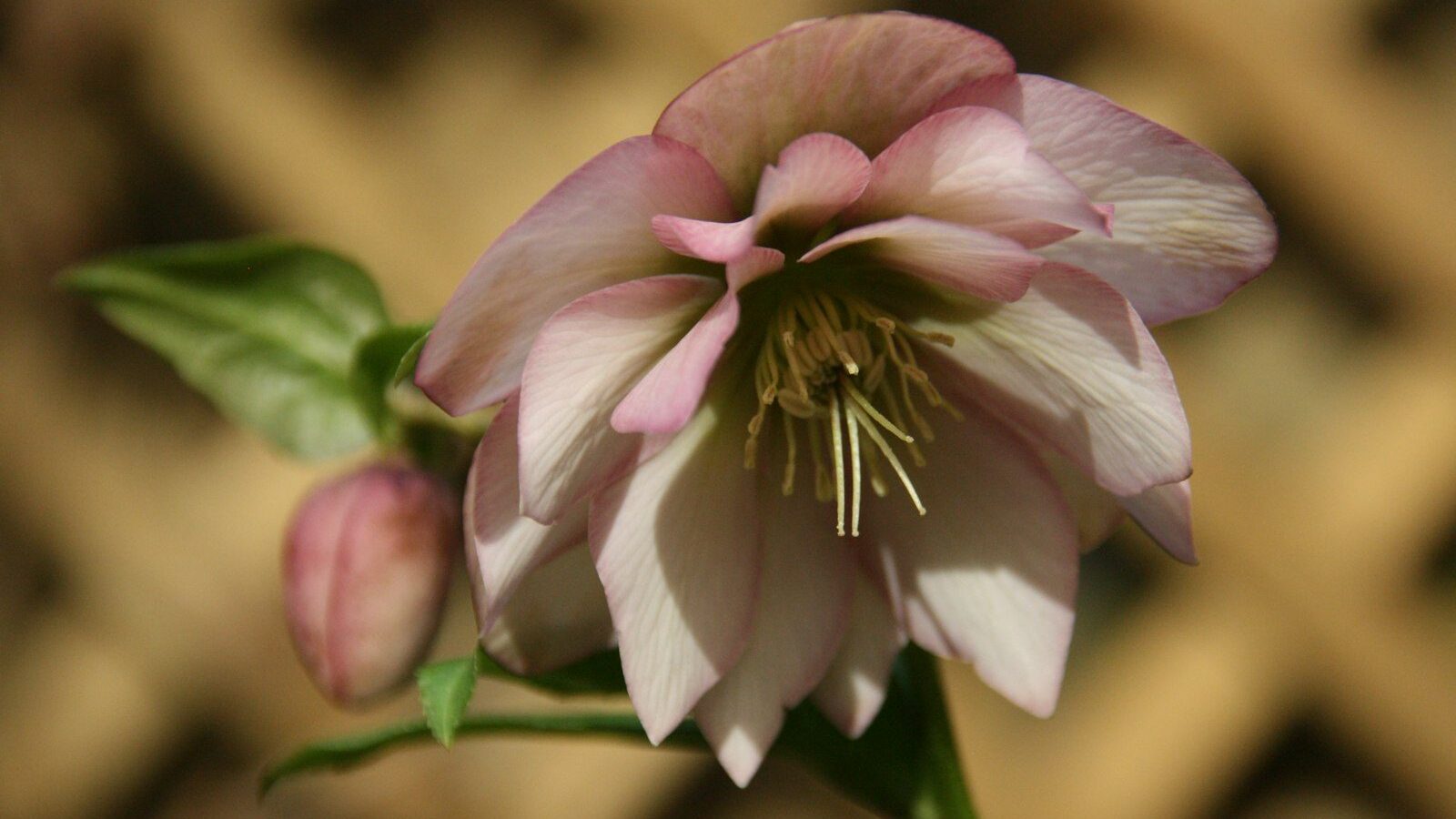
Hellebores are the backbone of the winter perennial border. Lenten rose (Helleborus x hybridus) flowers in white, pink, plum, slate and speckled forms for two months or more; Christmas rose (H. niger) is white and earlier, blooming around the holidays in mild areas. Plant in part to full shade under deciduous trees, in rich, well-drained soil. Cut off last year’s tattered leaves in late winter so the new flowers show. Our guide on how to grow hellebores covers planting and division.
Snowdrops, Winter Aconite and Early Crocus
These small bulbs are planted in fall and multiply into drifts over the years. Snowdrops prefer part shade and moist soil; winter aconite produces bright yellow buttercup flowers with a green ruff and likes the same conditions under deciduous shrubs. Plant them by the hundreds rather than by the dozen, 2 to 3 inches deep, so they make a visible show. Our guide on how to grow winter aconite explains why soaking the tubers before planting matters.
Winter Blooming Flowers for Mild Zones (7 to 8)
| Plant | Type | Zones | Bloom window in zones 7 to 8 |
|---|---|---|---|
| Sasanqua camellia | Shrub | 7 to 9 | October to January |
| Japanese camellia (C. japonica) | Shrub | 7 to 9 | January to April, by variety |
| Winter jasmine (Jasminum nudiflorum) | Shrub | 6 to 10 | January to March |
| Wintersweet (Chimonanthus praecox) | Shrub | 7 to 9 | December to February |
| Mahonia (Mahonia x media, M. bealei) | Shrub | 7 to 9 | November to February |
| Winter honeysuckle (Lonicera fragrantissima) | Shrub | 5 to 8 | January to March |
| Edgeworthia (paperbush) | Shrub | 7 to 9 | February to March |
| Pansies and violas | Cool-season annual | Grown as annuals | Fall through spring with breaks in hard cold |
| Cyclamen coum | Tuber | 5 to 9 | January to March |
Camellias
Camellias are the signature winter flower of the South. Plant both types to stretch the season: sasanquas flower from fall into early winter, and japonicas pick up from midwinter to spring. Give them part shade, acidic, well-drained soil and shelter from cold winter wind. Early-blooming japonica flowers can be browned by a hard freeze, so choose cold-hardy varieties in zone 7. If you are deciding between the two, our comparison of camellia japonica vs sasanqua lays out the differences.
Winter Jasmine, Wintersweet and Fragrant Shrubs
Winter jasmine is not fragrant, but its arching green stems light up with yellow flowers whenever the weather is mild, and it is excellent cascading over walls and banks. Wintersweet and winter honeysuckle are unremarkable shrubs in summer but fill a whole yard with fragrance on a sunny January day; plant them near a path or door. Mahonia has bold, spiny evergreen leaves and upright spikes of yellow flowers that feed early hummingbirds in the Southeast. Note that winter honeysuckle can spread aggressively in some regions, so check local invasive lists before planting.
Winter Blooming Flowers for Warm Zones (9 to 11)
In the Deep South, Gulf Coast, Southwest and coastal California, winter is the season to grow the flowers that collapse in summer heat. Set out transplants or sow seeds in October and November, and they will bloom from December through March or April.
| Plant | Type | Notes |
|---|---|---|
| Calendula | Cool-season annual | Orange and yellow; edible petals; full sun |
| Snapdragons | Cool-season annual | Tall varieties for cutting; deadhead for repeat bloom |
| Sweet alyssum | Cool-season annual | Honey-scented edging; attracts beneficial insects |
| Stock (Matthiola) | Cool-season annual | Strong clove fragrance |
| Iceland poppies | Cool-season annual | Papery flowers in winter sun |
| Aloes | Succulent | Many species bloom in winter in dry climates |
| Camellias | Shrub | Peak bloom through winter in zone 9 |
| Paperwhite narcissus | Bulb | Naturalizes outdoors in warm zones |
Warm-zone gardeners should still watch for occasional freezes. A frost cloth thrown over beds on a cold night protects tender annuals, and most of these plants recover quickly from light frost damage.
Winter Color in Containers
Containers let you put winter flowers exactly where you will see them. In zones 7 and warmer, fill pots by the front door with pansies, violas, cyclamen and ornamental kale, plus a small evergreen for structure. In colder zones, flowering choices outdoors are limited, but you can pair hardy hellebores in large pots with evergreens and berried branches, and move pots to a sheltered spot in hard freezes. Pots freeze faster than the ground, so use frost-resistant containers at least 14 inches across and group them together against a wall.
Designing a Garden That Flowers in Winter
- Plant where you look. Winter flowers are small and you will mostly see them from windows, doors and the driveway. Put them there, not at the back of the yard.
- Use warm microclimates. South-facing walls and spots sheltered from wind bloom earlier and suffer less frost damage.
- Layer heights. Combine a shrub like witch hazel or camellia with hellebores beneath and bulbs at the front.
- Add structure. Evergreens, red-twig dogwood and ornamental grasses frame winter flowers so they don’t look lost in bare soil.
- Plan for fragrance. Scented winter shrubs are most effective near paths and entrances where you pass close by.
Once winter structure is in place, fill the gaps with spring, summer and fall bloomers so the bed never sits empty for long.
Winter Flowers That Help Pollinators and Birds
Winter bloomers are not just for people. On sunny days above roughly 50°F, honeybees leave the hive to forage, and early native bees emerge in late winter. Hellebores, crocus, winter aconite, snowdrops and witch hazel offer some of the only pollen and nectar available at that time. In the Southeast, mahonia and camellias feed overwintering hummingbirds, and the yellow flowers of Cornelian cherry are visited by early bees in the North.
To support them, plant winter flowers in sunny, sheltered spots where insects can warm up, avoid spraying insecticides on blooming plants, and leave some fallen leaves and hollow stems in beds as overwintering habitat. Pair flowering shrubs with berried natives like winterberry holly and viburnum, and your winter garden will feed birds as well as early pollinators. Even a single clump of crocus by the front walk gives a foraging bee somewhere to stop on the first warm afternoon of the year.
Caring for Winter Bloomers
- Plant in fall or spring. Shrubs and perennials establish best planted in fall in mild zones and spring in cold zones. Bulbs go in during fall.
- Water before freezes. Evergreen shrubs like camellias and mahonia lose moisture in winter wind; water deeply in dry spells when the ground isn’t frozen.
- Mulch. Two to three inches of mulch keeps roots evenly moist and moderates soil temperature.
- Prune after flowering. Winter bloomers set next year’s buds in summer and fall, so prune right after they finish, not in autumn.
- Feed lightly. A spring application of slow-release fertilizer, or an acid-loving formula for camellias, is usually enough.
Frequently Asked Questions
What flowers bloom in December?
In zones 7 to 9, sasanqua camellias, mahonia, wintersweet, pansies and, in mild years, Christmas rose hellebores bloom in December. In zones 9 to 11, cool-season annuals like calendula and snapdragons are in flower. In colder zones, outdoor December bloom is rare, though witch hazel buds may open during warm spells.
What is the hardiest winter blooming shrub?
Vernal witch hazel, hardy to about zone 4, is among the hardiest shrubs that flower in winter, often starting in January. Hybrid witch hazels are hardy to zone 5 and have larger, showier flowers.
Do hellebores bloom in snow?
Yes. Hellebore flowers often open while snow is still on the ground, and the plants tolerate repeated freezing. Flowers droop on very cold nights and recover as temperatures rise.
Can pansies survive winter outdoors?
Pansies and violas tolerate frost and light freezes and keep blooming through winter in zones 7 and warmer. In colder zones, fall-planted pansies often survive under snow or mulch and flower again in early spring, though they rarely bloom through deep cold.
When should I plant winter blooming bulbs?
Plant snowdrops, winter aconite and early crocus in fall, from September to November, before the ground freezes. Plant them 2 to 4 inches deep in groups of dozens so they make an impact and naturalize over time.