

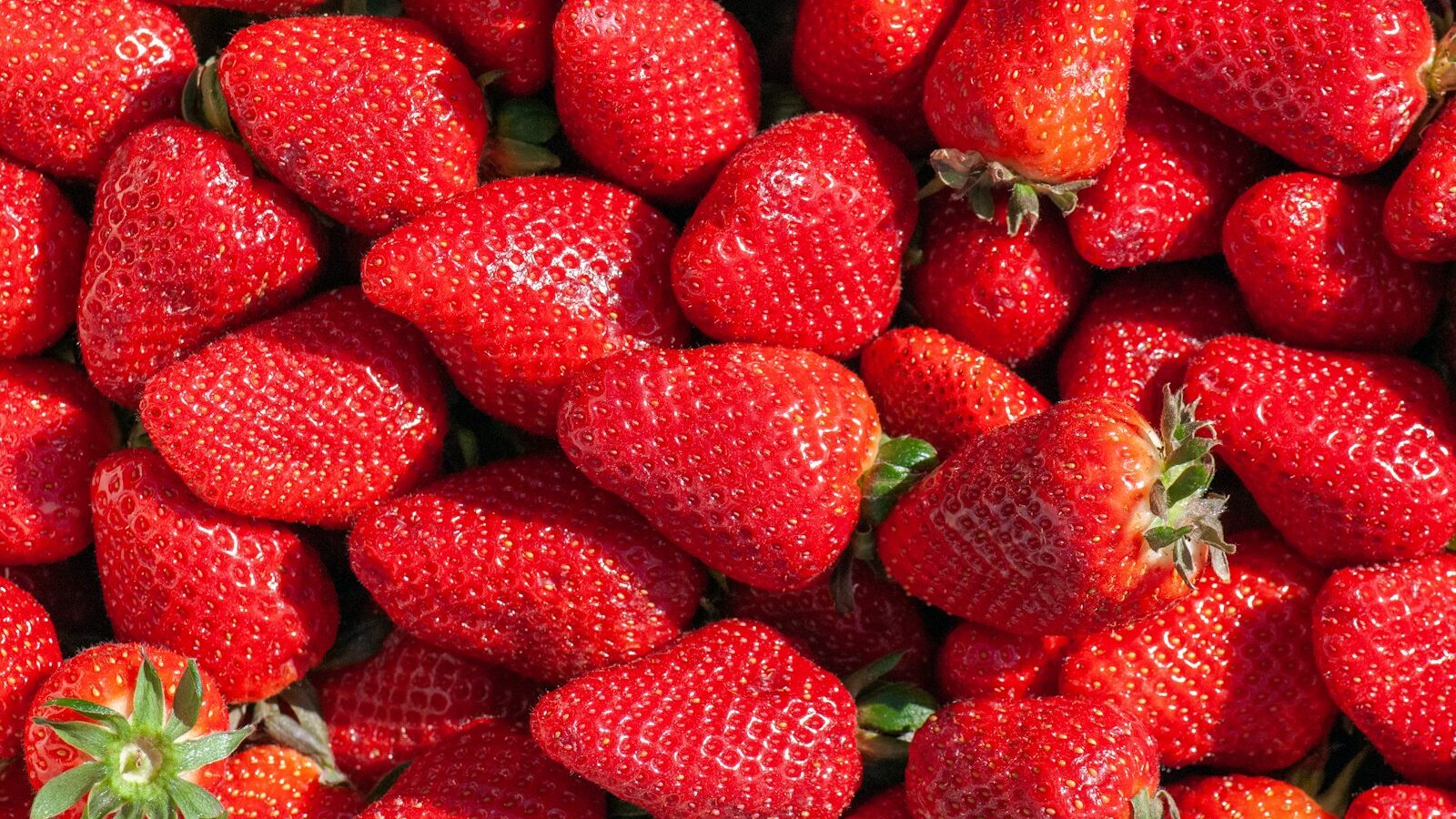
Few things frustrate a gardener more than a strawberry bed that looks lush, green, and healthy but refuses to hand over any berries. The plants throw out leaf after leaf, send runners crawling across the bed, and maybe even flower a little — yet harvest time comes and there is almost nothing to pick. The reassuring truth is that strawberries are predictable plants, and a bed that is not producing is almost always telling you something specific about its variety, its age, or how it is being fed and managed. Read the signs correctly and you can usually turn it around within a season.
This guide walks through the most common reasons strawberries fail to produce, from the very normal first-year behavior of June-bearing plants to the runner overload, aging beds, and excess nitrogen that genuinely cost you fruit. For each cause you will learn how to diagnose it in your own patch and exactly what to do about it.
Key Takeaways
- First-year June-bearing strawberries are supposed to produce little or no fruit — you pinch off their flowers the first season so the plant builds roots and crowns for a big year-two crop.
- The three types — June-bearing, everbearing, and day-neutral — fruit on completely different schedules, so knowing what you planted is the first diagnostic step.
- Runners drain energy that would otherwise go into fruit; pinching them off on June-bearers redirects that energy into berries.
- Strawberry beds peak in years two and three and decline after three to four years — an unproductive old bed often just needs renovating or replacing.
- Too much nitrogen produces lush leaves and few berries; feed lightly after fruiting, not before, and give plants 6–8 hours of full sun.
First, Know This: First-Year June-Bearers Are Meant to Skip Fruit
Before you treat anything, you need to know which type of strawberry you are growing, because it explains away the single most common “problem” gardeners report. There are three types, and they fruit on completely different schedules. June-bearing strawberries produce one large concentrated crop over about two to three weeks in late spring to early summer, triggered by the shortening or specific day-length of the previous fall. Everbearing types give two to three flushes — typically one in early summer and another in late summer or fall. Day-neutral varieties ignore day length entirely and fruit steadily from summer until frost, as long as temperatures stay below about 85°F.
Why a new June-bearing bed gives you nothing
Here is the part that catches most first-time growers. A newly planted June-bearing bed is expected to produce little or no fruit in its first year. Standard practice — and the advice on every reputable nursery tag — is to pinch off every flower the first season. It feels brutal, but those early blooms would produce a handful of small berries while robbing the young plant of the energy it needs to establish a strong root system and multiple crowns. A plant allowed to fruit in year one stays weak; a plant that is deflowered in year one delivers a heavy, full-sized crop in year two and three. So if your June-bearers went in this spring and gave you nothing, that is not a failure — it is the plant doing exactly what it should.
The fix: Identify your type from the label or by behavior, then set your expectations to match. For first-year June-bearers, pinch every flower as it appears through the first summer and wait for next year. Everbearing and day-neutral plants can be allowed to keep a portion of their later flowers in the planting year — usually you pinch flowers only through about July and then let them fruit into fall. If you are unsure what you have and want a low-fuss, productive bed, day-neutral varieties give the most reliable first-year harvest. Either way, knowing your type tells you whether you have a real problem or just an impatient timeline, much like understanding plant timing in our guide to warm-season versus cool-season vegetables.
Cause 1: Too Many Runners Draining the Plant
If your plants are established and well past their first year but still skimping on fruit, look at the runners. A runner — also called a stolon — is a horizontal stem the plant sends out to root a new daughter plant some distance away. Producing runners and daughter plants costs the parent a tremendous amount of energy, and a strawberry that is pouring its resources into colonizing the bed has far less left over to make flowers and berries. Vigorous June-bearing varieties in particular can carpet a bed with runners while delivering a disappointing crop.
Diagnose it
Walk the bed and count the runners. If you see long horizontal stems snaking out from most plants, each tipped with one or more little rooting plantlets, the bed is investing in expansion rather than fruit. A second clue is crowding: where daughter plants have rooted thickly, the original plants are shaded and competing for water and nutrients, which further suppresses fruiting. Heavy runner production paired with light fruiting is the classic signature of this problem.
Fix it
Pinch the runners. On June-bearing plants you want fruit from, snip runners off close to the crown as soon as they appear, all season long. Every runner you remove is energy redirected into next year’s flower buds. The exception is when you deliberately want to fill in a bed or raise replacement plants — in that case let a few runners root and then sever them once established.
Choose a system and stick to it. There are two classic ways to manage a June-bearing bed. The matted row system lets runners root freely into a wide band, which is low effort and produces lots of small berries but gets crowded and less productive over time. The hill (or spaced row) system removes all runners and keeps each plant as an isolated, well-fed crown spaced about 12 inches apart, which yields fewer but larger berries and stays productive longer. For maximum fruit per plant, the hill system with relentless runner removal wins. Whichever you pick, keep individual plants spaced roughly 12 to 18 inches apart so each has room, light, and airflow.
Cause 2: The Bed Is Simply Too Old
Strawberry plants are not a plant-once-harvest-forever crop. An individual strawberry plant is most productive in its second and third years, then yields decline noticeably as the crowns age, get woody, and accumulate disease in the soil around them. By year four or five many beds are throwing lots of leaf and runner but few decent berries. If your bed is several years old and tapering off, age may be the whole story.
Diagnose it
Think back to when you planted. A bed that gave good crops in its second and third years and is now in its fourth or fifth year with shrinking yields is following the normal aging curve, not failing mysteriously. Look at the crowns themselves: old plants develop thick, woody, branching crowns sitting high out of the soil, often with smaller leaves and noticeably smaller fruit. Productivity that drops year over year despite good care points squarely at bed age.
Fix it
Renovate June-bearing beds annually. Right after the harvest finishes, mow or shear the foliage off about an inch above the crowns, thin the plants back to roughly 4 to 6 strong crowns per square foot, narrow over-wide matted rows, top-dress with an inch of compost, and water well. This rejuvenation pushes healthy new growth and flower buds for the following year and can keep a bed productive a little longer.
Plan to replace beds every three to four years. Even with good renovation, plan on starting a fresh bed in new ground every three to four years, using disease-free certified plants or your own healthiest young runners. Rotating to a new location avoids the soil-borne diseases that build up under aging strawberries. For more on planning and rotating your plantings through the seasons, see our broader plant and flower care guides.
Cause 3: Too Much Nitrogen and the Wrong Feeding Schedule
This is the cause that catches well-meaning, generous gardeners. Strawberries that get too much nitrogen — from a high-nitrogen lawn fertilizer, fresh manure, or simply feeding too heavily in spring — respond by growing big, lush, dark-green leaves and almost no fruit. Nitrogen drives leafy vegetative growth, and a plant busy making foliage diverts energy away from flowers and berries. Even worse, soft excess growth fed in spring makes berries that are watery, soft, and prone to rot.
Diagnose it
The tell is unmistakable: vigorous, oversized, deep-green foliage paired with few or no flowers and berries. If you have been feeding regularly, especially in early spring just before or during flowering, or if the bed sits beside a lawn that gets fertilized, suspect nitrogen overload. A soil test will confirm an imbalance, and it is also worth checking your pH — strawberries fruit best in slightly acidic soil between about 5.5 and 6.8, and a badly off pH locks up nutrients regardless of how much you feed.
Fix it
Time the feeding correctly. The cardinal rule for June-bearing strawberries is to feed after fruiting, not before. A modest feeding at renovation time in mid- to late summer supports the bud formation that drives next year’s crop, while spring feeding mostly buys you leaves. Day-neutral and everbearing types, which fruit over a long season, prefer light, frequent feeding through the season rather than one heavy spring dose. In all cases, lean toward a balanced or slightly phosphorus- and potassium-leaning fertilizer rather than a high-nitrogen one, and keep manure well composted and applied sparingly.
Cause 4: Sun, Pollination, and Frost
Even with the right variety, well-managed runners, a young bed, and correct feeding, three environmental factors can still rob you of fruit. Strawberries are sun-lovers and need full sun — at least 6 hours, and ideally 8 or more — to flower and fruit well. They also need their flowers pollinated, and they are vulnerable to spring frost striking those early blooms.
Diagnose it
Watch where the sun falls on your bed across a full day. If the plants get less than about 6 hours of direct sun — shaded by a fence, wall, or tree that has grown up over the years — weak flowering and poor fruiting are the predictable result, and the plants will also stretch leggy reaching for light. For pollination, look at the berries you do get: small, lumpy, lopsided, or seedy-but-misshapen fruit is the signature of incomplete pollination, since each tiny seed on a strawberry must be individually fertilized for the flesh beneath it to swell evenly. For frost, think back to your bloom period — if a late frost hit while plants were flowering, the killed flowers show a tell-tale black center, and those blooms will never set fruit.
Fix it
If sun is the problem, relocate the bed to your sunniest spot or remove whatever is casting the shade — there is no substitute for direct light. To improve pollination, plant bee-friendly flowers nearby, avoid spraying insecticides during the day when pollinators forage, and in a still or enclosed space you can even brush flowers gently by hand. To protect early blooms from frost, keep lightweight row cover or an old sheet on hand and drape it over the bed on nights when frost threatens during the bloom period, removing it each morning so bees can return. Pollination and bloom protection matter for many fruiting crops, the same way they do when you are troubleshooting cucumber flowers falling off without setting fruit.
Prevention: Building a Bed That Actually Fruits
Most strawberry production problems are prevented by the same handful of good habits. Build them in from the start and you will spend far less time wondering where your berries went:
- Know your type and respect year one. Pinch the flowers off first-year June-bearers to build strong crowns for a heavy second-year crop, and match your expectations to whether you planted June-bearing, everbearing, or day-neutral.
- Manage runners deliberately. Decide on a matted-row or hill system and keep runners pinched on plants you are growing for fruit, with plants spaced about 12 to 18 inches apart.
- Renovate and replace. Renovate June-bearing beds right after harvest and plan to start a fresh bed in new ground every three to four years before yields collapse.
- Feed after fruiting, not before. Go easy on nitrogen, favor phosphorus and potassium, and time the main feeding to follow the harvest rather than precede the bloom.
- Give full sun and the right pH. Site the bed where it gets 6 to 8 or more hours of direct sun and keep soil slightly acidic, around pH 5.5 to 6.8.
- Protect the blooms. Encourage pollinators and keep row cover ready to shield early flowers from late spring frosts.
Remember the golden rule with strawberries: a plant covered in leaves and runners but short on fruit is usually either too young, too old, or too well-fed with nitrogen — rarely is it truly broken. Identify which of those it is, make the matching adjustment, and most beds reward you with a far heavier crop the very next season.
Frequently Asked Questions
Why did my new strawberry plants not produce any fruit this year?
If you planted June-bearing strawberries this spring, that is normal and expected. First-year June-bearers should have their flowers pinched off so the plant builds strong roots and crowns, delivering a big crop in year two. Everbearing and day-neutral types can fruit a little the first year if you stop pinching flowers around July.
Should I cut off strawberry runners?
Usually yes, if you want fruit. Runners drain energy the plant would otherwise put into berries, so pinch them off close to the crown on June-bearing plants you are growing for fruit. The exception is when you deliberately want runners to fill a matted row or to root new replacement plants.
How long do strawberry plants keep producing?
Individual plants peak in their second and third years and decline after about three to four years as crowns age and soil diseases build up. Renovate June-bearing beds each year after harvest, and plan to start a fresh bed in new ground every three to four years using disease-free plants.
My strawberry plants have lots of leaves but no berries — why?
Too much nitrogen is the usual culprit. High-nitrogen fertilizer, fresh manure, or runoff from a fertilized lawn pushes lush leafy growth at the expense of flowers and fruit. Feed lightly with a balanced or phosphorus- and potassium-leaning fertilizer after fruiting rather than before, and make sure plants get 6 to 8 hours of full sun.
Why are my strawberries small and misshapen?
Lumpy, lopsided berries are usually a sign of incomplete pollination, since each seed on the surface must be fertilized for the flesh beneath to swell evenly. Attract more bees, avoid daytime insecticide sprays, and protect early blooms from frost. Consistently small berries can also mean an overcrowded or aging bed that needs thinning or replacing.