

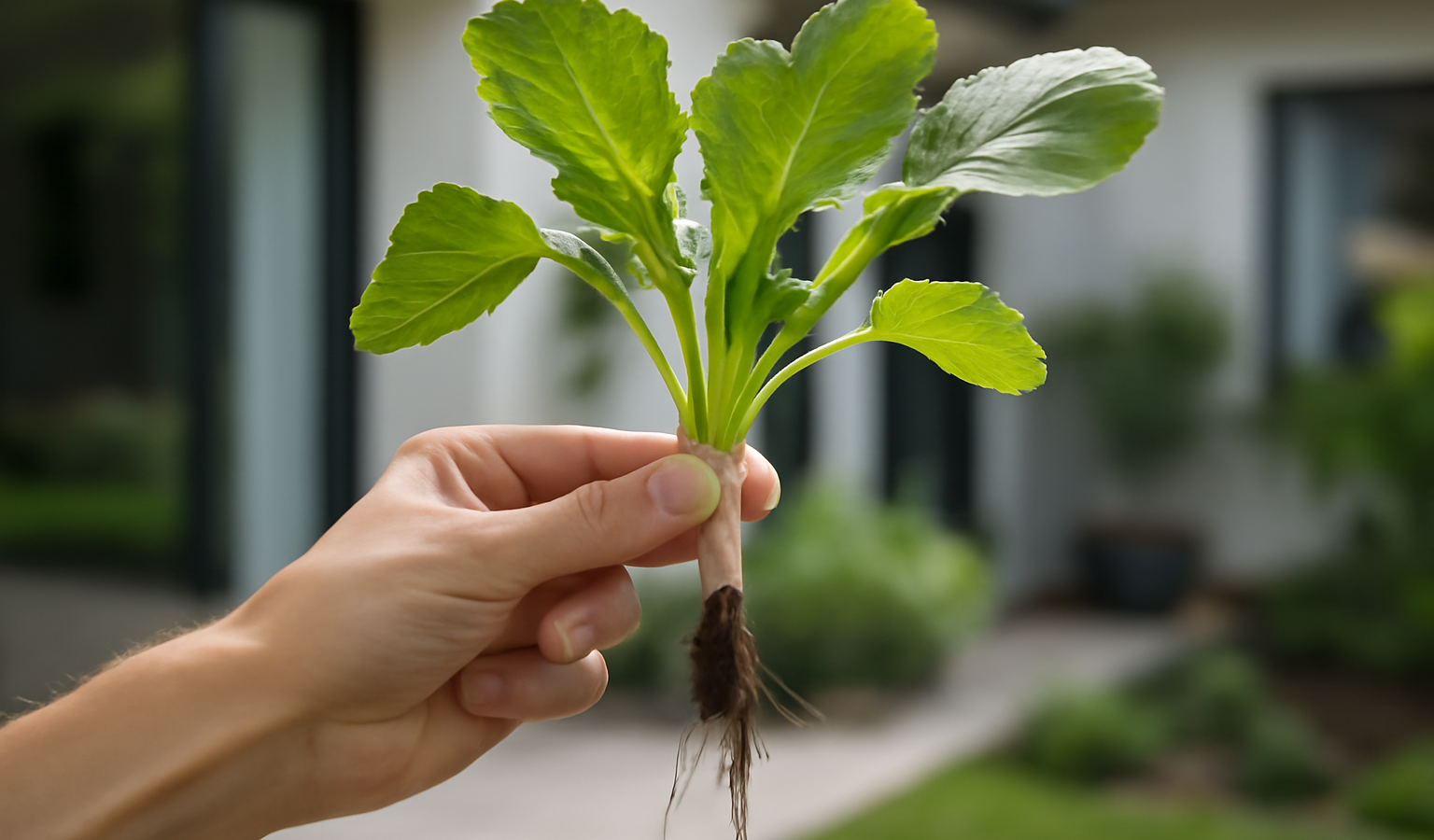
Few garden disappointments sting quite like pulling up a radish you’ve watered and weeded for a month, only to find a thread of a root dangling beneath a fountain of glossy green leaves. Radishes are supposed to be the easy crop – the one you hand to kids and beginners because they sprout in days and swell in weeks. So when the tops go wild and the bulb never shows up, it feels like the plant is mocking you. The good news is that “all leaves, no bulb” is almost never a mystery. It’s one of a small handful of fixable causes, and once you learn to read the symptoms, you can usually pin down the culprit and have a proper crop the next sowing.
This guide walks through the four reasons radishes refuse to form roots, in roughly the order they trip up most gardeners: too much nitrogen, too much heat, too little spacing, and a grab-bag of seed, light, and timing problems. For each cause you’ll get a “how to diagnose it” section so you can confirm what’s actually happening in your bed, and a “how to fix it” section with specific numbers – feeding rates, soil temperatures, spacing, and days to maturity. We’ll finish with a prevention checklist so next season’s radishes come out round, crisp, and exactly as easy as everyone promised.
Key Takeaways
- Excess nitrogen is the number-one cause of leafy, bulbless radishes – skip high-N fertilizer and feed with a balanced or phosphorus-leaning amendment instead.
- Radishes are a cool-season crop; soil temperatures of 50-65F are ideal, and sustained air heat above 70-75F pushes plants to bolt and grow tops rather than roots.
- Crowded radishes can’t bulb up – thin seedlings to 1-2 inches apart so each plant has room to swell.
- Give radishes full sun (6+ hours), sow fresh seed, and harvest spring types promptly at 22-30 days before they turn pithy.
- Succession-sow every 1-2 weeks in spring and fall to dodge heat and keep a steady supply of well-formed roots.
Cause 1: Excess Nitrogen in the Soil
This is the classic, by-a-mile most common reason for a bed of leafy radishes with nothing underneath. Nitrogen is the nutrient that drives leafy, green, vegetative growth. When there’s plenty of it available – whether from a high-nitrogen fertilizer, a heavy dose of fresh manure, or a bed you’ve amended generously for leafy greens – radishes do exactly what nitrogen tells them to do: they build big, beautiful tops. The problem is that bulb formation depends more on phosphorus and on the plant deciding it’s time to store energy in the root. Drown a radish in nitrogen and you’ve essentially told it to keep partying above ground and never bother saving for the future.
How to diagnose it
Think back to how you prepared the bed. Did you work in a generous helping of compost, manure, or a fertilizer aimed at lettuce, spinach, or lawns? Anything with a high first number on the N-P-K label – say a 20-5-5 or a 30-0-4 lawn feed – points straight at this cause. Fresh or “hot” manure is a frequent offender because it releases nitrogen quickly. Visually, nitrogen-overloaded radishes look almost suspiciously lush: tall, dark-green, vigorous leaves, often 8-12 inches of top growth, with a root that’s barely thicker than the stem. If the foliage looks like a prize-winning leafy green and the bed was recently fed for foliage, you’ve found your answer. A cheap soil test kit can confirm high available nitrogen, but the planting history usually tells the story on its own.
How to fix it
For the crop already in the ground, there’s no magic reset – radishes are fast, so the simplest move is to harvest the greens (they’re edible, peppery, and good sauteed) and start over with corrected soil. Going forward, stop feeding radishes anything high in nitrogen. They’re light feeders that rarely need supplemental fertilizer in decent soil. If you do feed, choose a balanced, low-nitrogen blend like a 5-10-10, or a phosphorus-leaning amendment such as bone meal, to encourage root development rather than leaves. Avoid fresh manure entirely; if you compost manure, let it age until it’s crumbly and odorless. When you’re amending a bed that grew heavy greens last season, consider sowing radishes there without any additional nitrogen at all – the residual fertility is usually plenty. The aim is lean, well-drained, loose soil, not a rich one.
Cause 2: Heat and Hot Weather
Radishes are a cool-season vegetable, full stop. They evolved to grow in the cool, lengthening days of spring and the cooling days of fall, and they sprint through their life cycle to beat the heat. When temperatures climb, a radish reads the warmth as a signal that summer is coming and its window is closing, so it switches strategies: instead of fattening a root, it bolts – sending up a flower stalk to set seed before conditions get worse. All that energy goes into leaves, a tall central stem, and eventually flowers, leaving the root woody, hot-flavored, and refusing to swell. Sustained air temperatures above roughly 70-75F are usually enough to trigger this, and a hot spell can ruin a crop in days.
This is the cause most people overlook because they’re thinking about soil and feeding, not the calendar. Understanding which crops belong in which season is one of the most useful skills a vegetable gardener can build – our guide to warm-season vs. cool-season vegetables explains exactly where radishes and their cool-weather cousins fit.
How to diagnose it
Look at the season and the weather first. If you sowed in late spring or summer, or if a warm snap pushed daytime temperatures into the high 70s or 80s while the radishes were young, heat is the likely driver. The telltale sign is bolting: a central stalk shooting upward, leaves becoming taller and more sparse, and sometimes small white or pale-purple four-petaled flowers forming. If you see flower buds or an elongating stem, the plant has committed to seed production and no root is coming. Pull one and taste the foliage – heat-stressed radishes often have notably sharper, hotter leaves. Check your local conditions during the growing window rather than just the day you harvested; the damage is usually done earlier.
How to fix it
You can’t cool down a heat wave, so the fix is timing. Sow radishes in cool weather – early spring as soon as the soil can be worked, and again in late summer through fall once the worst heat has broken. The ideal soil temperature for germination and bulbing is 50-65F; that’s the sweet spot where spring radishes mature in just 22-30 days. In hot regions, grow radishes only in the shoulder seasons and skip the summer entirely. If you garden somewhere with brutal springs that heat up fast, get seed in the ground at the earliest possible moment and choose fast-maturing varieties so the crop finishes before the heat arrives. Light afternoon shade, consistent moisture, and a layer of mulch can buy a few degrees of relief at the margins, but they won’t rescue a radish from genuine summer heat. The reliable answer is to plant for cool weather and let the calendar do the work.
Cause 3: Overcrowding and Spacing Too Close
Radish seed is small and cheap, so most of us sow it far too thickly – a pinch here, a line there – and then feel guilty about thinning the seedlings later. But crowded radishes physically cannot form bulbs. Each plant needs room to swell sideways, and when they’re jammed shoulder to shoulder, they compete for light, water, and root space. The result is a tangle of spindly, leafy plants with skinny roots that never round out. You’ll often see this in a perfectly cool, well-fed bed where the only thing wrong is that nobody thinned. The plants aren’t sick; they’re just crammed.
How to diagnose it
Look down at the soil line. If radish stems are touching or growing in a dense ribbon, with leaves overlapping into a continuous canopy, crowding is your problem. Dig up a small clump and you’ll typically find roots that are long, thin, and pale rather than round and swollen – they’ve grown down and stayed narrow because there was no room to expand. Compare a crowded patch to any spots where germination was sparse: those isolated plants will often have formed decent bulbs while their crammed neighbors stayed leafy. That contrast within the same bed is the clearest diagnostic you can get, and it rules out feeding and heat as the cause.
How to fix it
Thin without mercy. Once seedlings are an inch or so tall and showing their first true leaves, thin spring radishes to 1-2 inches apart, with rows about 6 inches apart. It feels wasteful to yank healthy seedlings, but those thinnings are tender and edible in salads, so nothing’s lost. The remaining plants need that gap to bulb up properly. To make thinning easier next time, sow more sparingly: aim to drop seeds about an inch apart rather than pouring them, or mix the fine seed with a little sand to spread it out. Larger types like daikon and winter radishes need even more room – 3-6 inches apart – because their roots get far bigger. The discipline of thinning early, while seedlings are small and easy to remove without disturbing their neighbors, is what separates a tray of leaves from a basket of crisp radishes.
Cause 4: Old Seed, Too Little Light, or Bad Timing
If you’ve ruled out nitrogen, heat, and crowding, the cause usually lives in this cluster of secondary factors: old or poor-quality seed, the wrong variety for your conditions, too much shade, or simply leaving the crop in the ground too long. Each of these can quietly sabotage bulb formation even when everything else looks right. Old radish seed – more than a couple of years past its packing date – germinates weakly and produces sluggish plants that struggle to bulb. Insufficient light is another stealth cause: radishes want full sun, at least 6 hours a day, and in a shady bed they stretch toward the light, growing leggy tops and stunted roots. And then there’s harvest timing, which cuts both ways – pull spring radishes too late and they turn pithy and woody; misjudge a slow-maturing daikon’s schedule and you may simply be checking before it’s ready.
How to diagnose it
Start with the seed packet. Check the date – if the seed is several years old or has been stored somewhere warm and humid, suspect poor viability, especially if germination was patchy. Next, assess the light: track how many hours of direct sun the bed actually gets, remembering that trees leaf out and nearby plants grow taller as the season progresses, so a spot that was sunny in early spring may be shaded by May. If plants are leggy and leaning, with long internodes between leaves, they’re reaching for light. Finally, match the variety to your expectations. Spring types like Cherry Belle, French Breakfast, and Champion mature in 22-30 days; daikon and winter radishes take far longer, often 50-70 days, so a “missing” bulb may just be one you’re harvesting too early. Conversely, if a spring radish sat in the ground well past 30 days, cut one open – a spongy, hollow, or woody interior means it over-matured rather than failed to form.
How to fix it
Buy and sow fresh seed each season – radish seed is inexpensive, so there’s little reason to gamble on old stock. Choose a variety suited to the time of year and your patience: reliable, fast spring types such as Cherry Belle, French Breakfast, or Champion for quick crops, and save daikon and other long-season radishes for fall sowings where they have time to size up. Whether a variety is hybrid or open-pollinated matters less than its freshness and its match to your season, though it’s worth understanding the trade-offs covered in our guide to hybrid vs. heirloom seeds if you plan to save your own. Site the bed in full sun – 6 or more hours – and prune back or relocate away from anything that casts afternoon shade. Most importantly, harvest on schedule: check spring radishes starting around day 22, and pull them as soon as the shoulders show and feel firm. A radish left too long keeps growing leaves while the root turns pithy, so prompt picking is part of the fix.
Prevention: Growing Radishes That Actually Bulb
Once you’ve diagnosed a bulbless crop, preventing a repeat comes down to a handful of habits that work together. None of them is complicated, and most cost nothing – they’re about timing and restraint more than effort. Get these right and radishes return to being the dependable, fast, beginner-friendly crop they’re meant to be.
- Keep nitrogen low. Skip high-N fertilizers and fresh manure. Use a balanced or phosphorus-leaning feed like 5-10-10 or bone meal only if your soil is poor, and grow radishes in lean, loose, well-drained ground rather than richly amended beds.
- Sow in cool weather. Plant in early spring and again in fall, targeting a soil temperature of 50-65F. Avoid summer in hot climates, and choose fast varieties so the crop finishes before heat triggers bolting.
- Thin to 1-2 inches. Thin spring radishes to 1-2 inches apart (3-6 inches for daikon) as soon as the first true leaves appear, so each root has room to swell.
- Give full sun. Pick a bed with at least 6 hours of direct sunlight, and watch for shade creeping in as the season progresses.
- Use fresh seed and succession sow. Start with new seed each year, sow a short row every 1-2 weeks for a steady supply, and harvest spring types promptly at 22-30 days before they go pithy.
Succession sowing deserves a special mention because it solves two problems at once: it spreads your harvest so you’re not swamped, and it hedges against a sudden warm spell ruining a single big planting. A short row of 10-15 seeds every week or two through the cool seasons gives you a near-continuous supply of crisp roots. For more cool-season crops to pair with your radishes and to round out a productive spring and fall garden, browse our full plants and flowers hub. Master these basics and the only radish problem you’ll have left is figuring out what to do with the surplus.
Frequently Asked Questions
Why are my radishes all leaves and no bulb?
The most common reason is too much nitrogen in the soil, which drives lush leaf growth at the expense of root formation. Other frequent causes are hot weather (radishes bolt above 70-75F), overcrowding from not thinning, too little sunlight, and old seed. Work through each cause to identify which applies to your bed.
What fertilizer should I use for radishes?
Radishes are light feeders and usually need no extra fertilizer in decent soil. If you do feed, avoid anything high in nitrogen. Choose a balanced, low-nitrogen blend such as 5-10-10, or a phosphorus source like bone meal, to encourage roots rather than leaves. Never use fresh manure or lawn fertilizer.
How far apart should I space radishes?
Thin spring radishes to 1-2 inches apart with rows about 6 inches apart, doing it as soon as the first true leaves appear. Larger types like daikon and winter radishes need 3-6 inches between plants. Crowded radishes compete for space and stay spindly and leafy instead of forming round bulbs.
What temperature is best for growing radishes?
Radishes are a cool-season crop and grow best with soil temperatures of 50-65F. Sustained air temperatures above 70-75F cause them to bolt and put energy into leaves and flowers rather than roots. Sow in early spring and fall, and avoid summer plantings in hot climates.
How long do radishes take to grow?
Spring varieties like Cherry Belle, French Breakfast, and Champion mature quickly, in about 22-30 days. Daikon and winter radishes take much longer, often 50-70 days. Harvest spring radishes promptly once the shoulders show and feel firm, because leaving them too long makes the roots pithy and woody.