

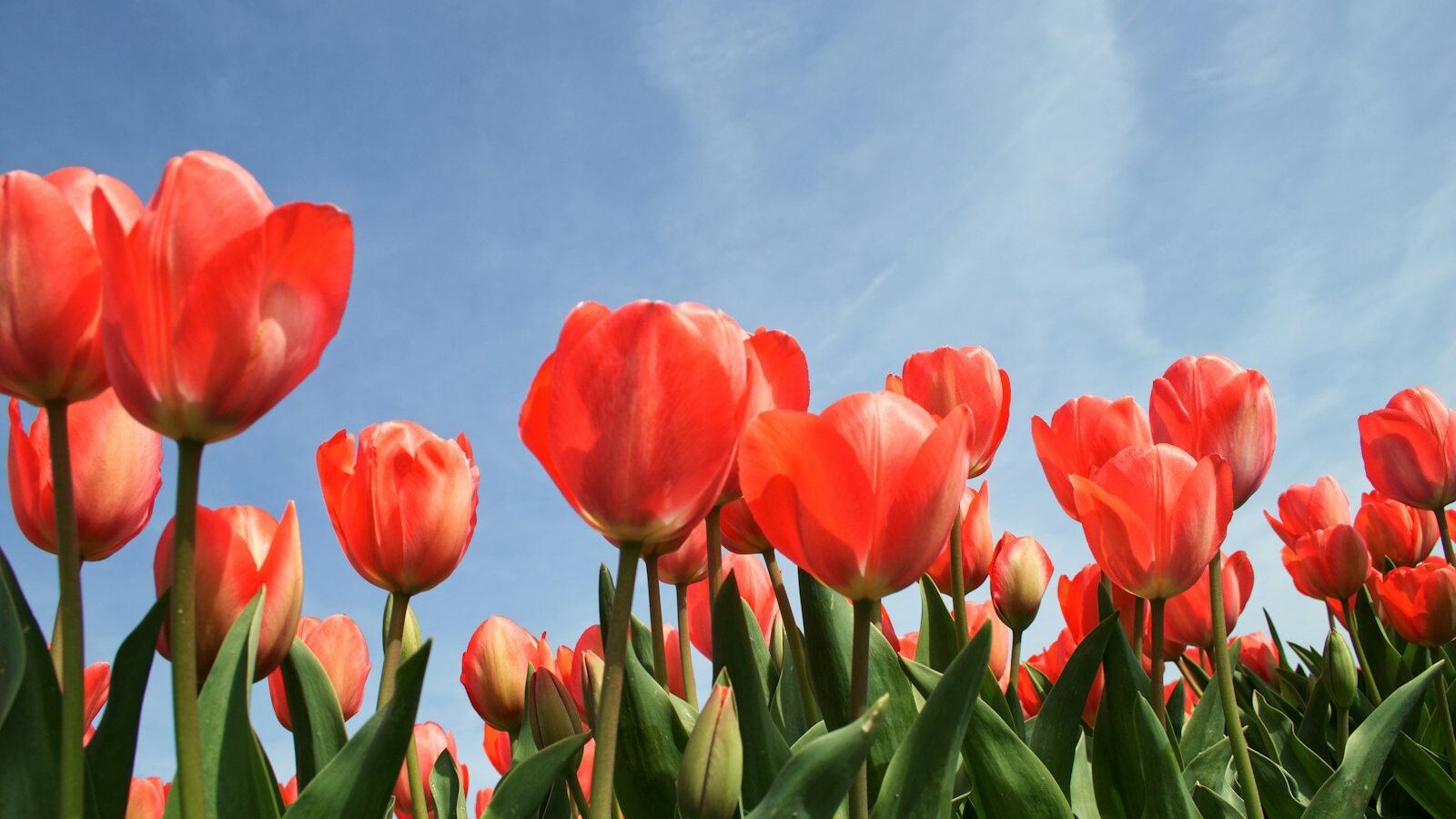
Plant tulip bulbs in fall, once nighttime temperatures stay in the 40s°F and soil at planting depth has cooled to about 55°F or below, which is typically six to eight weeks before the ground freezes. In practice that means September to early October in the coldest zones (3 to 4), October in zones 5 and 6, late October to November in zone 7, and November through December in zone 8. In zones 9 and 10, tulips need 10 to 12 weeks of refrigeration before being planted in late December or January. Planting too early in warm soil invites rot and fall sprouting; planting late is usually fine as long as the ground can still be dug.
Part of our Flowers & Perennials guide →
In this guide
- Why Tulip Planting Timing Matters
- Tulip Planting Times by USDA Zone
- How to Tell When the Soil Is Ready
- Planting Tulips in Warm Climates (Zones 8b–10)
- How to Plant Tulip Bulbs
- When to Plant Tulips in Containers
- What If You Missed the Planting Window?
- Common Timing Mistakes
- Timing for Early, Mid and Late Tulips
- Frequently Asked Questions
Key Takeaways
- The best trigger is soil temperature: plant when soil at 6 to 8 inches is about 55°F or cooler.
- Most of the US plants in October and November; earlier in the North, later in the South.
- Tulips need 12 to 16 weeks of cold (roughly 35 to 48°F) to bloom properly.
- In zones 8b to 10, pre-chill bulbs in the refrigerator for 10 to 12 weeks, away from fruit, then plant.
- Missed fall? Plant bulbs as long as the ground is workable, even in December or January.
Why Tulip Planting Timing Matters
A tulip bulb is a packed lunch for next spring. Inside is a fully formed flower bud, but it will not elongate and bloom properly until the bulb has experienced a long cold period. During that period, which gardeners call vernalization, the bulb grows roots and slowly converts stored starch into sugars that power spring growth. Most tulips need 12 to 16 weeks at temperatures between roughly 35 and 48°F.
Planting time balances two needs. The bulb must go in early enough to root before the ground freezes hard, which takes about four to six weeks of cool soil. It must go in late enough that warm soil does not trigger top growth or encourage fungal rot. Soil temperature, not the calendar, is the most reliable guide.
Tulip Planting Times by USDA Zone
| USDA zone | Example areas | Planting window | Notes |
|---|---|---|---|
| 3 | Northern Minnesota, North Dakota | Early to mid-September | Mulch after the ground freezes |
| 4 | Upper Midwest, northern New England | Mid-September to early October | Most tulips perennialize well |
| 5 | Chicago, Denver, upstate New York | Late September to mid-October | Plant before first hard freeze |
| 6 | Ohio Valley, Boston, Kansas City | October to early November | Mid-October is ideal |
| 7 | Mid-Atlantic, Tennessee, Oklahoma | Late October to late November | Wait for soil to cool |
| 8 | Atlanta, Dallas, Pacific Northwest | November to December | Pre-chill in warmer 8b areas |
| 9 | Houston, Central Florida, much of California | Late December to mid-January | Pre-chill 10–12 weeks; treat as annuals |
| 10 | South Florida, Southern California coast | Late December to January | Pre-chill required; containers are easier |
These are typical windows. A warm autumn can push planting later by a few weeks, and higher elevations within a zone usually plant earlier. Check your local first-frost date as a sanity check: in zones 3 to 7, aim to finish planting within a few weeks after the first frost, while the soil is still workable.
How to Tell When the Soil Is Ready
A soil thermometer gives the clearest answer. Push it 6 to 8 inches deep, the depth the bulb will sit, and check in the morning for several days. Plant when it reads about 55°F or lower consistently. Without a thermometer, use these cues:
- Night temperatures have been in the 40s°F for a week or more.
- Daytime highs are mostly in the 50s and low 60s°F.
- Deciduous trees in your area are well into their fall color or dropping leaves.
- You have had or are close to your first light frost.
Planting Tulips in Warm Climates (Zones 8b–10)
In the Deep South, Texas, Florida and much of California, winters are not reliably cold enough for long enough to satisfy tulips. Bulbs planted straight from the store often produce short stems, small flowers or nothing at all. The fix is to provide the cold artificially.
- Buy early. Purchase bulbs in September or October when selection is best. Some suppliers sell pre-chilled bulbs for southern gardens; if so, note how many weeks of chilling they already received.
- Refrigerate for 10 to 12 weeks at 35 to 45°F in a paper bag or mesh bag, not sealed plastic. Label the bag with the start date.
- Keep them away from fruit. Apples, pears, bananas and other ripening fruit release ethylene gas, which can damage the flower bud inside the bulb. A dedicated refrigerator drawer with no produce is ideal. Never freeze the bulbs.
- Plant straight from the fridge in late December or January, when soil is at its coolest. Choose a spot with afternoon shade to keep the soil cooler.
- Plant a little deeper, about 8 to 10 inches, and mulch with 2 to 3 inches of pine straw or shredded bark to buffer warm spells.
In zones 9 and 10, treat tulips as annuals and replant pre-chilled bulbs each year. Species tulips such as Tulipa clusiana, T. saxatilis and T. sylvestris need less chilling and may return in zone 8 and some zone 9 gardens.
How to Plant Tulip Bulbs
- Site: full sun to light afternoon shade, with well-drained soil. Tulips rot in soggy ground, so avoid low spots where water sits after rain.
- Depth: about three times the bulb’s height, which works out to 6 to 8 inches to the base of most bulbs. Deeper planting (8 inches) helps tulips return in later years and deters squirrels.
- Spacing: 4 to 6 inches apart. For a full display, plant in clusters of 10 or more rather than single rows.
- Orientation: pointed end up, flat root plate down. If you cannot tell, plant the bulb on its side and it will right itself.
- Soil prep: loosen soil a few inches below planting depth and mix in compost. A bulb fertilizer or bone meal worked into the bottom of the hole is optional; the bulb already contains its first season’s food.
- Water once after planting to settle soil and start rooting, then leave them alone unless fall is very dry.
For the full growing guide, including variety choice and after-bloom care, see how to grow tulips. A bulb auger or planter makes quick work of large plantings; see our best bulb planters roundup.
When to Plant Tulips in Containers
Potted tulips follow the same fall timing as garden tulips, but the soil in a pot gets colder than the ground, so placement through winter matters more than the exact planting date.
- Zones 3 to 5: pot bulbs in October and store the containers in an unheated garage or shed, or bury the pots in the ground or a mulch pile. Exposed pots can freeze solid and kill the roots.
- Zones 6 and 7: plant in late October or November. Large pots (at least 14 to 16 inches wide) can usually stay outdoors against a sheltered wall; move small pots under cover in hard freezes.
- Zones 8 to 10: plant pre-chilled bulbs in December or January and keep the pots in a shaded spot until shoots appear.
Use a quality potting mix, set bulbs shoulder to shoulder with their tips about 2 inches below the surface, and make sure the pot drains freely. Water once after planting and then only when the mix is dry an inch down.
What If You Missed the Planting Window?
Tulips are forgiving. A bulb in the ground, even planted late, does much better than a bulb that sits in the garage until spring and dries out.
- December or January, ground still workable: plant immediately at normal depth. Flowers may bloom a week or two later and be slightly shorter, but most will bloom.
- Ground frozen: plant bulbs in pots of potting mix and set them in an unheated garage, shed or cold frame that stays between about 35 and 45°F. Water lightly once. Move the pots outside or plant the clumps in the garden once the ground thaws in spring.
- Forcing indoors: chill bulbs in pots or in the fridge for 12 to 16 weeks, then bring them into a cool, bright room for indoor blooms in late winter. Our guide on how to force bulbs indoors explains the timing.
- Spring planting of unchilled bulbs: rarely successful. If you must, refrigerate them for 10 to 12 weeks first and plant as early in spring as soil can be worked.
Common Timing Mistakes
- Planting in September in warm zones: warm soil plus fall rain encourages rot and fungal disease like tulip fire (Botrytis).
- Leaves appearing in fall: usually a sign of planting too shallow or too early. The bulb will often still bloom; mulch over the leaves before hard freezes.
- Storing bulbs badly: keep unplanted bulbs in a cool, dry, ventilated place around 50 to 60°F. Warm, humid storage leads to mold; sealed bags cause rot.
- Not enough chilling: short stems with flowers stuck in the foliage are a classic sign. Increase chilling time next year or choose varieties suited to milder winters. See why tulips are not blooming for other causes.
Timing for Early, Mid and Late Tulips
All tulips are planted at the same time in fall, but they bloom over roughly six to eight weeks in spring depending on type. Mixing groups extends the display:
- Early: species tulips, Kaufmanniana, Fosteriana and Single Early types bloom first, often in late March to April.
- Mid-season: Triumph and Darwin Hybrid tulips, the most reliable for returning, bloom in mid to late April.
- Late: Single Late, Parrot, Fringed, Lily-flowered and Double Late (peony) tulips bloom into May in northern zones.
In zones 8 to 10, early and mid-season types generally perform better, because late tulips meet rising heat as they try to bloom. For more spring bulbs to plant alongside, see our fall vs spring bulbs guide and the flowers and perennials hub.
Frequently Asked Questions
When do you plant tulips?
Plant tulips in fall when soil at planting depth is about 55°F or cooler, usually six to eight weeks before the ground freezes. That is September to October in the North, October to November in the middle of the country and November to January in the South after pre-chilling.
Is it too late to plant tulip bulbs in December?
No. If you can still dig the soil, plant them. They will root during any mild spells and usually bloom, sometimes a little later and on shorter stems.
Can I plant tulip bulbs in spring?
Unchilled bulbs planted in spring usually fail to bloom. If you have leftover bulbs, chill them in the refrigerator for 10 to 12 weeks first, or pot them and keep them cold, then plant as early as possible.
How long do tulip bulbs need to chill?
Most tulips need 12 to 16 weeks at roughly 35 to 48°F. When chilling in a refrigerator for southern planting, 10 to 12 weeks is the usual minimum.
Should I soak tulip bulbs before planting?
No soaking is needed. Plant them dry and water the bed once after planting. Soaking can encourage rot, especially in heavy soils.