

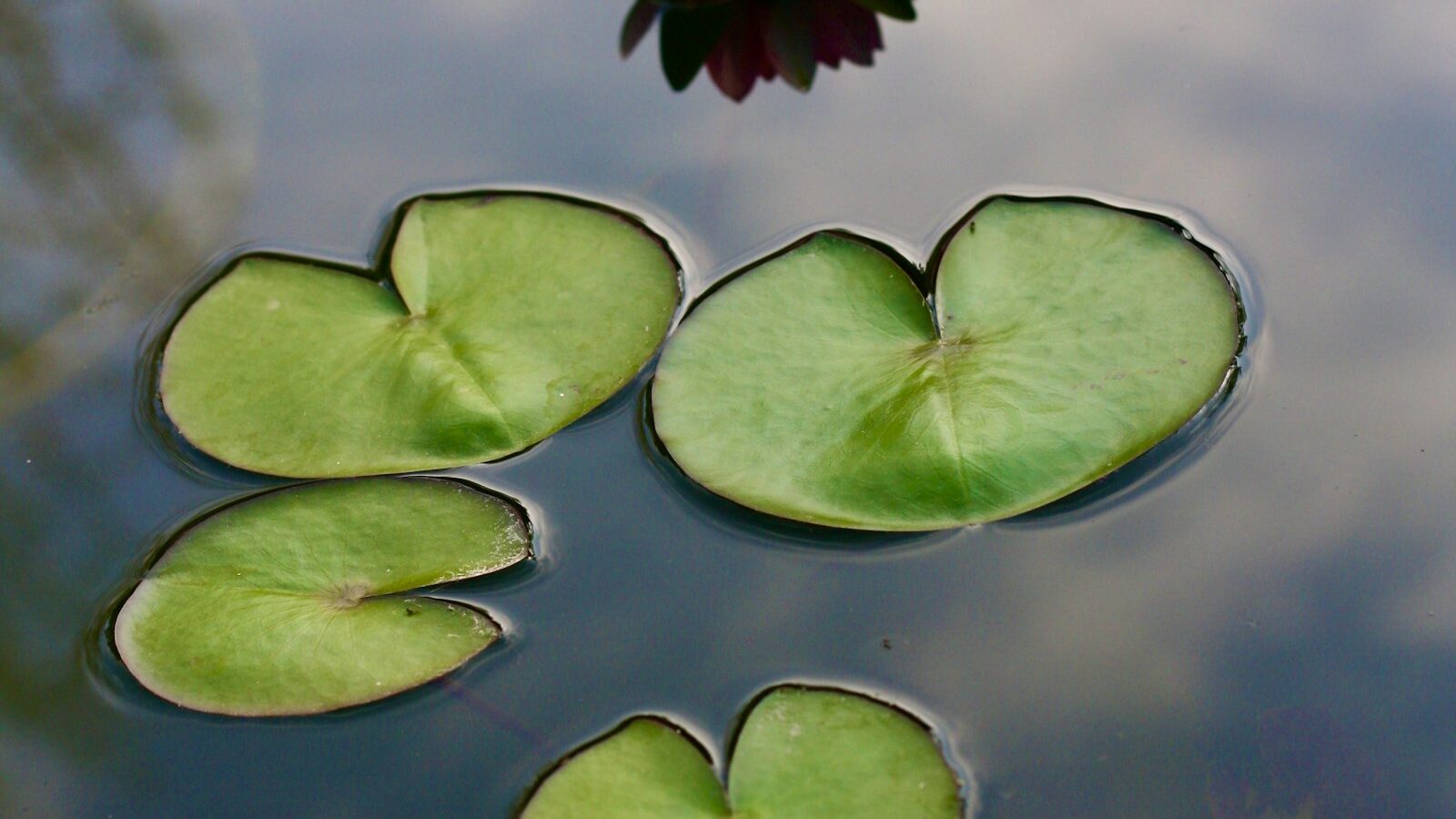
Few plants transform a pond like a water lily. With glossy floating pads and waxy, fragrant blooms that open with the sun, water lilies (Nymphaea) are the centerpiece of nearly every classic water garden. The good news for beginners: once you understand a handful of basics — the right basket, heavy soil, plenty of sun, and a steady feeding schedule — water lilies are remarkably forgiving and bloom for months.
As an Amazon Associate we earn from qualifying purchases.
Water lily quick facts
- Sun: 6+ hrs to bloom well
- Plant in an aquatic basket with heavy loam + gravel
- Hardy types overwinter in deep water; tropicals are tender
- Feed with aquatic fertilizer tabs
- Don’t crowd — they spread
Hardy vs. tropical water lilies: which should you grow?
The first decision is which type of water lily suits your climate and goals. The two groups behave very differently, especially when it comes to surviving winter.
Hardy water lilies
- Best for cold climates. Hardy lilies survive freezing winters as long as their roots sit below the ice line, making them the go-to choice across most of the US (roughly USDA zones 3–11).
- Daytime bloomers. Flowers open mid-morning and close by late afternoon, repeating for several days each.
- Colors. White, pink, red, yellow, peach, and changeable shades — but no true blues or purples.
- Flowers float on or just above the water’s surface.
Tropical water lilies
- More dramatic, more tender. Tropicals offer larger, more fragrant flowers held high above the water, plus the only true blues and purples.
- Day or night bloomers. Night-blooming tropicals open at dusk and stay open into the morning — perfect if you enjoy the pond in the evening.
- Cold-sensitive. They die back when water drops below about 60°F (15°C) and are treated as annuals in most of North America unless overwintered indoors.
- Faster, more prolific bloomers during warm summer months.
If you live in a region with real winters and want a plant-it-and-forget-it lily, choose hardy. If you crave blue flowers, evening fragrance, or live in a frost-free area, go tropical. Many gardeners grow both. For a wider planting plan, see our guide to the best pond plants.
How to plant a water lily: basket, soil, and gravel
Water lilies are heavy feeders that grow from rhizomes (hardy) or tubers (tropical). They perform best in their own container rather than loose substrate, which keeps soil from clouding the water and makes dividing and overwintering far easier.
Choose the right aquatic basket
- Use a wide, shallow aquatic planting basket — typically 10–14 inches across. Lilies spread sideways, so width matters more than depth.
- Mesh-sided baskets are fine if you line them with hessian/burlap; solid-sided pond pots work too and contain soil better.
- Bigger basket = more vigorous growth and more blooms. Don’t undersize it.
Browse aquatic planting baskets on Amazon to compare sizes.
Use heavy loam or aquatic soil — never potting mix
- Fill the basket with heavy clay loam topsoil or a dedicated aquatic plant soil. These hold nutrients and won’t float away.
- Avoid regular potting compost — it contains bark, perlite, and floating organic matter that fouls the water and starves the plant.
- Position the rhizome at a 45° angle for hardy lilies (growing tip up, toward the basket’s center), or set tropical tubers upright in the middle.
Cap with gravel
- Top the soil with a 1-inch layer of pea gravel or coarse aquatic gravel, keeping it clear of the crown/growing tip.
- The gravel cap holds soil in place, keeps water clear, and discourages fish (especially koi) from digging up the roots.
Lower the planted basket gently into the pond. Setting it on bricks at first so the new pads can reach the surface, then removing them as the plant grows, helps it establish faster. If you’re starting from scratch, a water lily tuber or rhizome is an inexpensive way to begin.
Free, no-obligation quote · Connect with a local pro
Correct planting depth
Planting depth is measured from the top of the basket (the crown) to the water’s surface, and it changes as the plant matures.
- New or young lilies: start shallow, 6–10 inches of water over the crown, so the small pads can reach the surface. Use bricks or an upturned pot to raise the basket.
- Established hardy lilies: most are happy with 12–24 inches of water over the crown; large varieties tolerate up to 36 inches or more.
- Tropical lilies: usually prefer a shallower 6–18 inches of water over the crown.
- Match the variety. Dwarf and pygmy lilies are designed for shallow tubs and patio ponds; vigorous varieties need a full-size pond. Check the label before buying.
The pads should rest flat on the surface. If leaves stand up out of the water or stretch on long stems, the plant is too deep — raise the basket.
Sun, fertilizing, and ongoing care
Give them sun
- Water lilies need at least 6 hours of direct sun per day to flower well; 8+ hours is even better.
- In deep shade they’ll produce leaves but few or no blooms.
- Site the pond away from overhanging trees, which cast shade and drop leaves into the water.
Feed regularly with aquatic tabs
- Push slow-release aquatic fertilizer tablets into the soil near the roots once a month through the growing season (spring to late summer).
- Never broadcast granular lawn or garden fertilizer into a pond — it triggers algae blooms and can harm fish.
- Well-fed lilies bloom noticeably more; underfeeding is one of the most common reasons for a sparse display.
Stock up on aquatic plant fertilizer tabs at the start of the season so you don’t miss a feeding.
Deadhead and tidy
- Deadhead spent flowers by pinching or cutting the stem down at the base — this redirects energy into new blooms and keeps the water clean.
- Remove yellowing or damaged pads the same way.
- Thin out excess leaves if pads completely cover the surface; lilies should ideally shade no more than about two-thirds of the water.
Dividing and overwintering
Dividing every few years
- Hardy lilies become congested every 2–4 years — a sign is crowded pads pushing up out of the water and fewer flowers.
- In spring, lift the basket, slice the rhizome into sections (each with a healthy growing tip), and replant the best pieces in fresh soil.
- Dividing rejuvenates the plant and gives you free lilies to spread around or share.
Overwintering hardy lilies
- Cut back dying foliage in fall and lower the basket to the deepest part of the pond, below the ice line, where the rhizome stays dormant but unfrozen.
- In very shallow ponds or tubs that freeze solid, move the basket to an unheated garage and keep the soil damp until spring.
Overwintering tropical lilies
- Tropicals are tender and will not survive a frozen pond. Most gardeners treat them as annuals.
- To save one, lift the tuber after the first cool nights, rinse it, and store it in a jar of damp sand or distilled water at around 50–60°F until spring.
- Success is hit-or-miss, so many people simply buy fresh tropicals each year.
Why won’t my water lily bloom?
A healthy lily that grows leaves but won’t flower is almost always missing one of these:
- Not enough sun. Fewer than 6 hours of direct light is the number-one cause. Move the basket to a brighter spot.
- Underfeeding. Lilies are hungry plants — add aquatic fertilizer tabs monthly.
- Overcrowding. A pot-bound, congested plant stops blooming. Divide it.
- Wrong depth. Too deep and a young plant burns energy reaching the surface instead of flowering.
- Too cold or too new. Tropicals sulk until the water warms, and freshly planted lilies may focus on roots in year one before blooming heavily the next.
Free, no-obligation quote · Connect with a local pro
Container and patio-pond water lilies
No pond? No problem. Dwarf and pygmy water lilies thrive in a half-barrel, a glazed pot, or any watertight container at least 16–24 inches wide and deep.
- Choose a dwarf or pygmy variety sized for tubs — full-size lilies will quickly outgrow a container.
- Place the planted basket so there’s roughly 6–12 inches of water over the crown; raise it on bricks if needed.
- Set the container where it gets 6+ hours of sun, and feed with tabs just like a pond lily.
- In cold zones, move tender containers into a garage over winter so the water doesn’t freeze solid.
For step-by-step builds, see how to make a container water garden and, if you love the lotus look, how to grow lotus in a pot. Ready for something larger? Our pillar guide on how to build a backyard pond walks through the whole project.
Frequently asked questions
How deep should I plant a water lily?
Measure from the crown of the plant to the water’s surface. Start young lilies under 6–10 inches of water, then move established hardy types to 12–24 inches (more for vigorous varieties). Tropicals and dwarf lilies prefer a shallower 6–18 inches. Pads should sit flat on the surface — if they stand up, the plant is too deep.
How many hours of sun do water lilies need to bloom?
At least 6 hours of direct sunlight a day, and 8 or more is better. In shade they grow leaves but rarely flower, so insufficient sun is the most common reason a healthy lily won’t bloom.
What’s the difference between hardy and tropical water lilies?
Hardy lilies survive freezing winters with their roots below the ice line and bloom only in daylight, in every color except blue and purple. Tropical lilies are tender, often larger and more fragrant, come in true blues and purples, may bloom at night, but die in cold water and must be overwintered indoors or replaced each year.
How often should I fertilize my water lily?
Push slow-release aquatic fertilizer tablets into the soil near the roots about once a month from spring through late summer. Skip granular garden fertilizer, which clouds the water and feeds algae.
Can I grow a water lily in a container or patio pond?
Yes. Pick a dwarf or pygmy variety and a watertight container at least 16–24 inches wide. Plant it in an aquatic basket with heavy soil and a gravel cap, keep 6–12 inches of water over the crown, give it 6+ hours of sun, and feed monthly. In cold climates, shelter the container over winter.
Featured project by Gensou Aquascaping
Want a pond or water feature built?
Compare free, no-obligation quotes from vetted local pond pros near you.