

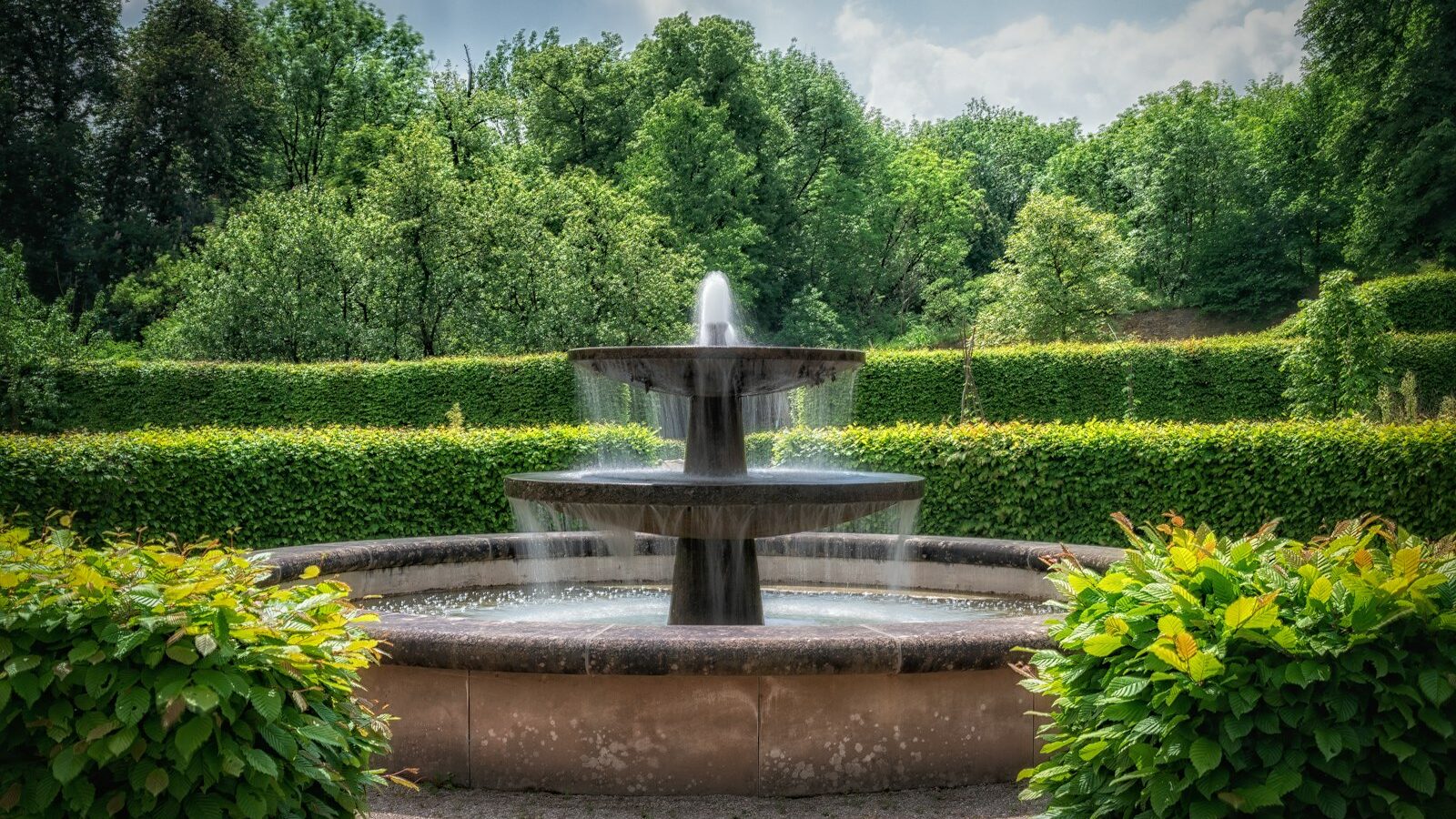
Water features sit at the heart of many Singapore homes, prized as much for their soothing sound as for their auspicious symbolism. From a compact wall fountain in a condo balcony to a full koi pond in a landed garden, moving water is believed to draw prosperity and calm into the household. This guide walks through the main types of water features, the feng shui principles that guide their placement, the realities of maintenance in our tropical climate, and what you can expect to pay in SGD.
Key takeaways
- Water flowing towards the home (not away from it) is the central feng shui rule for attracting prosperity and good chi.
- Wall fountains and pondless features suit condos and small courtyards; koi ponds suit landed homes with space and budget for filtration.
- Singapore’s heat and humidity make algae, pump wear and mosquito control the three biggest maintenance concerns.
- Budget roughly SGD 400-2,000 for a wall fountain and SGD 8,000-40,000+ for a built koi pond, depending on size and finishes.
- Choose an installer who understands both water engineering and feng shui placement, and who offers servicing.
Why water features matter in Singapore homes
In Chinese feng shui, water (shui) represents wealth, flow and the accumulation of fortune. Many Singaporean families, across landed homes and condominiums alike, install a water feature near the main entrance or in the garden to encourage positive energy to gather rather than disperse. Beyond symbolism, the practical appeal is real: a gentle trickle masks traffic noise, cools the immediate air, and creates a focal point in an outdoor or semi-outdoor space.
You do not need to be a feng shui believer to enjoy a water feature, but understanding the principles helps you place one thoughtfully, which usually produces a better-looking and more functional result anyway. The same instincts that feng shui encourages, gathering water where it can be seen and enjoyed, keeping it clean and moving, and scaling it to the space, also happen to be sound design and maintenance advice.
It is also worth thinking about how the feature fits the rest of your home. In a landed property, a pond can be woven into the garden and viewed from the living areas through large windows. In a condo, a slim wall fountain on the balcony or by the entrance gives you the same calming presence without demanding much space. Matching the feature to your lifestyle, how much upkeep you are realistically prepared to do, is just as important as matching it to your floor plan.
Types of water features for Singapore properties
Wall fountains
Wall-mounted or freestanding wall fountains are the most popular choice for condos, balconies and tight entrances. They take up minimal floor space, recirculate a small volume of water, and can be installed against a feature wall or in a planter. Materials range from stainless steel and glass to natural stone and porcelain.
Pondless and bubbling features
A pondless feature uses a hidden underground reservoir, so water bubbles up through stones, a vase or a sculpture and disappears below the surface. With no open standing water, these are excellent for mosquito control and for homes with young children. They suit courtyards, side gardens and HDB-style ground-floor spaces.
Koi ponds
The koi pond is the showpiece option, beloved in landed homes for its beauty and strong auspicious associations. Koi require proper depth, biological filtration, aeration and ongoing care, so a koi pond is a long-term commitment rather than a quick install. As a rough rule, allow at least a metre of depth so the fish have a cool, stable zone, and size the filtration generously, undersized filters are the most common reason ponds turn green. Done well, it becomes the centrepiece of the garden and can last for decades. See our koi pond & water feature service for what a build involves.
Courtyard and statement features
For inner courtyards, atriums and large entrances, a custom feature such as a tiered water bowl, a reflecting trough or a sculpted spillway can anchor the whole space. These are bespoke builds, often integrated with landscaping and lighting.
Feng shui principles for placement
If feng shui matters to your household, a few principles guide placement. These are general guidelines; many families also consult a practitioner who reads the specific layout and the residents’ birth charts.
- Flow towards the home: water should appear to move towards the main door or into the property, symbolising wealth flowing in. Water flowing away from the home is traditionally seen as fortune draining out.
- Front, not behind: water features are generally placed at the front of the house or in the garden, not directly behind the building, which is reserved for solid “mountain” support.
- Direction matters: the north, east and southeast sectors are commonly considered favourable for water, though this varies with the home’s facing.
- Avoid the bedroom: water inside or directly outside a bedroom is usually discouraged, as is placing it under a staircase.
- Balance and proportion: the feature should suit the scale of the space. An oversized fountain in a small courtyard creates imbalance rather than harmony.
- Keep it clean and moving: stagnant or murky water is considered inauspicious, which conveniently aligns with good maintenance practice.
For a deeper look at how pond design and feng shui intersect, including auspicious koi numbers and colours, read our guide to koi pond cost & feng shui.
Maintaining a water feature in the tropics
Singapore’s year-round heat, humidity and sunlight accelerate the issues every water feature owner faces. Plan for maintenance from the outset rather than treating it as an afterthought, and choose a design that suits how much time you want to spend on upkeep. A simple recirculating fountain might need ten minutes a fortnight; a stocked koi pond is closer to an ongoing hobby.
Algae control
Warm water and strong sun make algae bloom quickly. Position features in partial shade where possible, keep water moving, and use appropriate filtration or treatments. For ponds, beneficial bacteria, UV clarifiers and aquatic plants all help keep the water clear without harsh chemicals.
Pumps and equipment
The pump is the heart of any feature and runs continuously. Choose a quality, correctly sized pump, clean the intake regularly, and expect to replace it every few years. Top up water lost to evaporation, which is significant in our climate, to protect the pump from running dry.
Mosquitoes
Standing water is a dengue risk and an NEA concern. Moving water generally does not breed mosquitoes, so keep the pump running. For ponds, fish eat larvae; for any feature, avoid still pockets and empty saucers or reservoirs that collect rainwater. Pondless designs sidestep the issue almost entirely.
Typical costs in Singapore (SGD)
Prices vary widely with size, materials, site access and finishing. Use these as indicative ranges only, and always get itemised quotes.
- Tabletop / small wall fountain (supply only): SGD 150-600
- Installed wall fountain on a feature wall: SGD 400-2,000
- Pondless bubbling feature: SGD 1,500-6,000
- Custom courtyard feature: SGD 5,000-20,000+
- Built koi pond with filtration: SGD 8,000-40,000+
- Ongoing servicing (cleaning, pump checks, water treatment): roughly SGD 80-300 per visit depending on size
Cost note: the build is only part of the picture. Factor in electricity for the pump running 24/7, periodic pump replacement, water top-ups and servicing. A koi pond in particular carries meaningful running costs once you include fish, food and filtration media.
How to choose an installer
A water feature combines plumbing, electrical work, waterproofing and, often, landscaping. The right specialist saves you from leaks, failed pumps and poor placement, all of which are expensive to fix after the fact. It pays to treat the choice of installer as carefully as the choice of feature itself.
- Ask to see completed projects in Singapore, ideally similar in type to what you want.
- Check that they handle waterproofing and drainage properly, especially for balconies and rooftops.
- Confirm whether they offer servicing contracts, and at what cost.
- If feng shui matters to you, choose someone comfortable working to a practitioner’s directions on flow and placement.
- Get at least two or three itemised quotes so you can compare like for like.
Browse all Singapore services to see the full range of garden and water-feature work available island-wide.
Get free water feature quotes in Singapore
Tell us about your space and we’ll match you with vetted local specialists island-wide. Free, no obligation.
Frequently asked questions
Which direction should a water feature face for good feng shui?
The key principle is that water should appear to flow towards your home rather than away from it. The north, east and southeast sectors are commonly considered favourable, but the best placement depends on your home’s facing, so many families consult a feng shui practitioner for a tailored recommendation.
Can I have a water feature in a condo or on a balcony?
Yes. Wall fountains and pondless features are well suited to condos and balconies because they are compact and recirculate a small volume of water. Make sure the installer addresses waterproofing and weight, and check your condo’s management rules before starting.
Will a water feature breed mosquitoes?
Moving water generally does not breed mosquitoes, so keeping the pump running continuously is the main safeguard. Avoid still pockets, empty any saucers that collect rainwater, and consider a pondless design if you want to eliminate open standing water entirely.
How much does a koi pond cost in Singapore?
A built koi pond with proper filtration typically starts around SGD 8,000 and can exceed SGD 40,000 for larger, fully finished designs. Running costs for fish, food, electricity and servicing add up over time, so budget for the long term as well as the build.
How often does a water feature need servicing?
In Singapore’s climate, plan for routine cleaning and pump checks every one to three months, with water top-ups in between. Ponds with fish need more frequent attention to filtration and water quality. A servicing contract is often the easiest way to keep things running smoothly.