Urban Gardening
How to Set Up Grow Lights for Seedlings (Beginner’s Guide)
The single biggest reason indoor seedlings turn into pale, floppy, stretched-out failures is not bad seed or bad soil. It is light,…
You don’t need an acre to grow something worth eating. Urban gardening is about making the most of small spaces — balconies, patios, windowsills, rooftops and tiny backyards — with containers, raised beds and clever vertical setups. This section is for renters, apartment dwellers and anyone short on ground but not on ambition.New to it? Our complete urban gardening guide walks you through light, containers, soil and the easiest crops to start with. From there, explore the beds, plants and projects that turn a few pots into a real harvest.Popular guides in this category:The complete urban gardening guideThe best raised garden bedsBest vegetables to grow in containersHow to start a balcony garden
The single biggest reason indoor seedlings turn into pale, floppy, stretched-out failures is not bad seed or bad soil. It is light,…
A self-watering pot does not actually water itself, but it comes close: it stores water in a reservoir at the bottom and…
Paperwhites are the easiest flower bulb you can grow indoors, and the only common one that needs no chilling at all. Pot…
Forcing bulbs simply means tricking a spring-flowering bulb into blooming weeks or months early, indoors, on your kitchen windowsill instead of in…
They look similar on the shelf, but terracotta and ceramic pots behave completely differently once there’s a plant in them — and…
A moss pole gives climbing houseplants what they crave in the wild: a damp, textured surface to grip and root into as…
The moment you see a houseplant pest, do two things: isolate the plant and identify what you are dealing with. Those two…
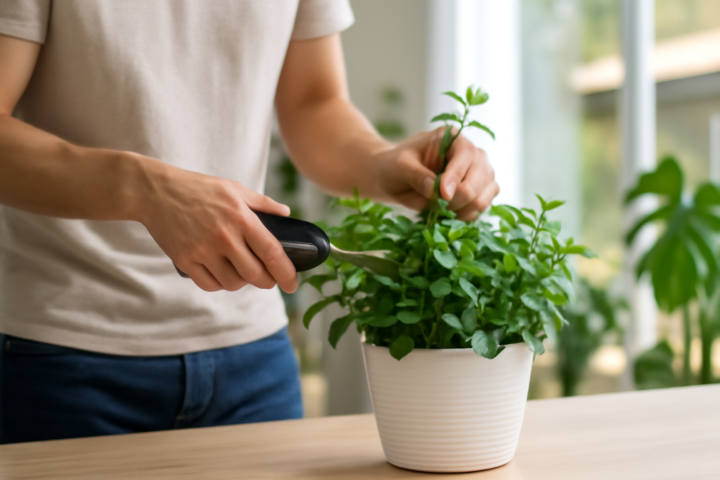
Most houseplants do not get leggy and sparse because their owner did something wrong. They get leggy because nobody ever cut them…
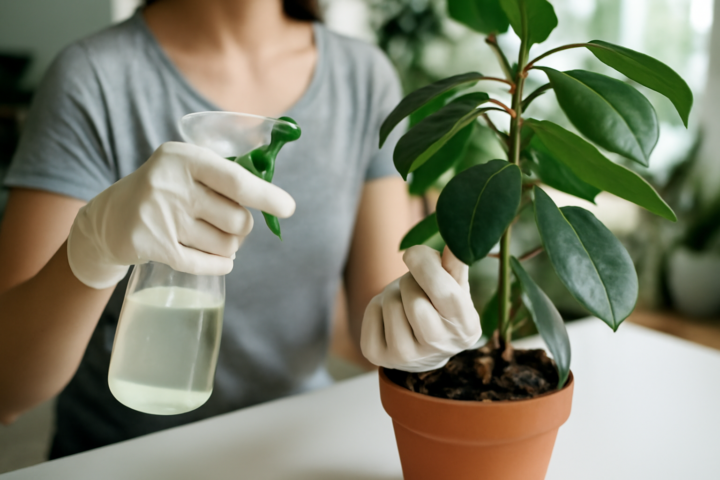
Houseplant leaves are working surfaces. Every leaf is a tiny solar panel that the plant uses to capture light and turn it…
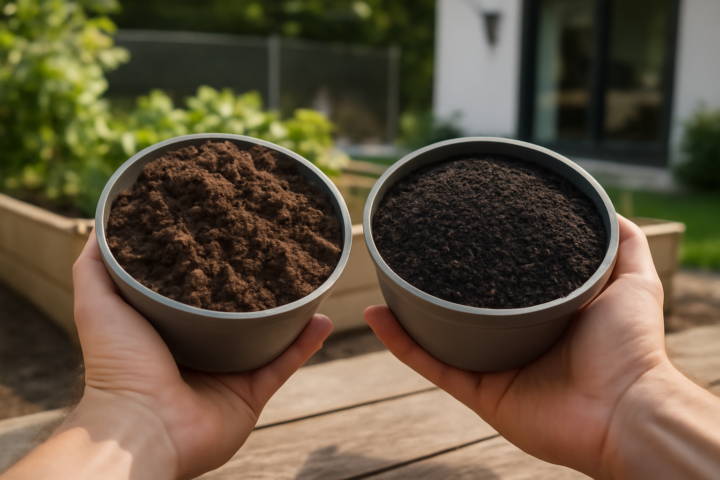
The short answer: raised bed soil and potting soil are formulated for completely different container volumes, and that is the whole difference.…