

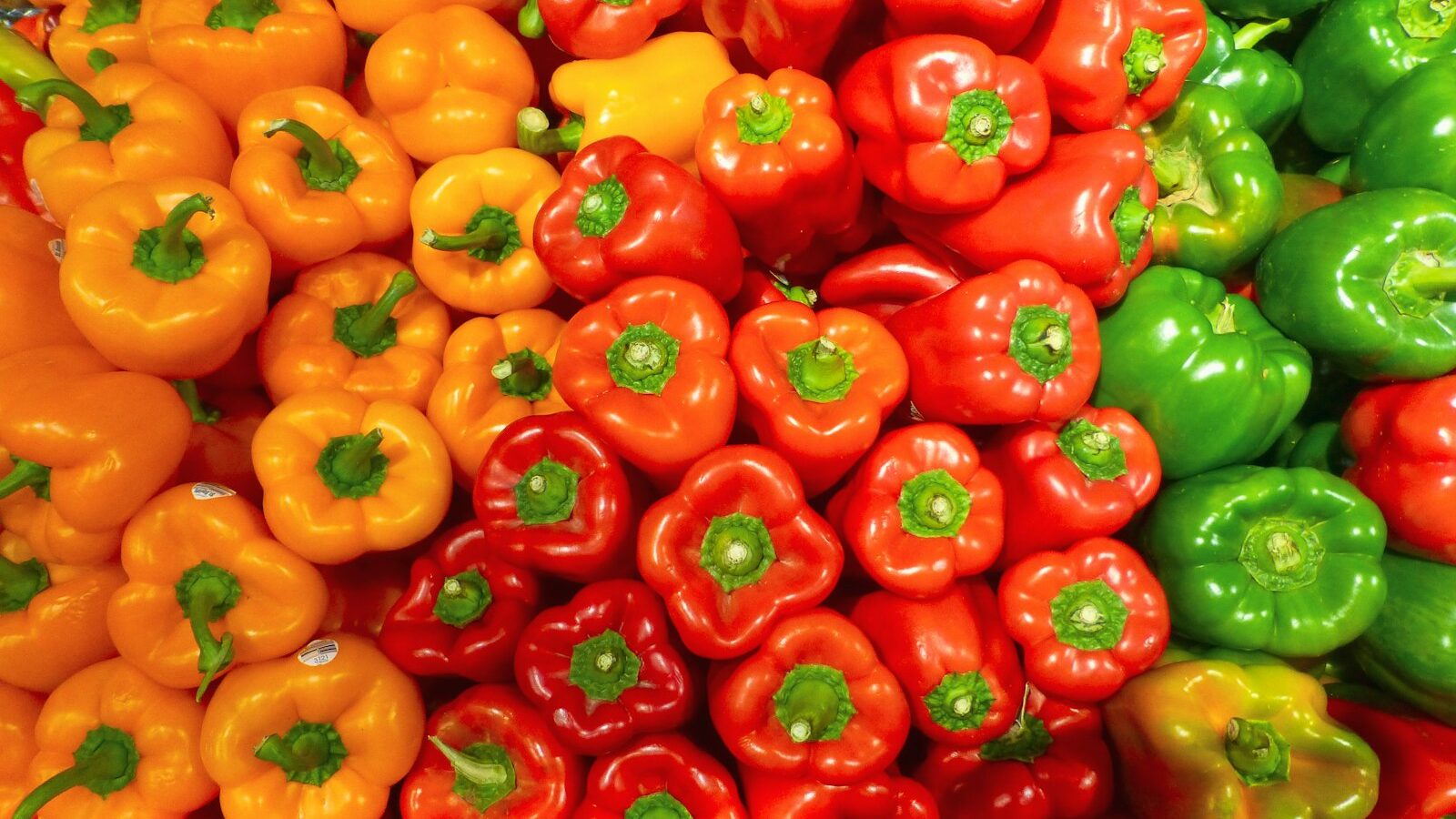
Sweet peppers and hot peppers are the same species, Capsicum annuum (mostly), and they share almost identical growing requirements: warm soil, a long frost-free season, steady moisture and steady feeding. The real divide is chemistry and patience. Sweet peppers carry little to no capsaicin, so they read as crisp and grassy or fruity; hot peppers pack capsaicin in the white pith around the seeds, which is what scorches your tongue and registers on the Scoville scale. Hot types also tend to be smaller, slower to ripen and a touch more drought-tolerant, while sweet types are bigger, heavier feeders and quicker to color up. If you can grow a bell, you can grow a jalapeño — but knowing where they part ways will get you a better harvest from both.
Key Takeaways
- Same plant family and nearly identical culture — the difference is capsaicin (heat), which lives in the seed-bearing pith.
- Sweet peppers (0 Scoville) ripen in roughly 60–75 days from transplant; many hot peppers need 75–100+ days, so start hot types earlier indoors.
- Sweet peppers are larger and hungrier; over-fertilizing with nitrogen gives leafy plants and few fruit on both types.
- Mild drought stress slightly intensifies heat in hot peppers but cracks and stresses sweet peppers — water both consistently for best texture.
- Both need 70–85°F days, soil above 65°F to transplant, and full sun (6–8 hours); cross-pollination changes next year’s seeds, not this year’s fruit.
| Trait | Sweet Peppers | Hot Peppers |
|---|---|---|
| Heat (Scoville) | 0–500 SHU | 500–2,000,000+ SHU |
| Days to maturity | 60–75 (from transplant) | 75–100+ (from transplant) |
| Typical fruit size | Large (bell, bull’s horn) | Small to medium |
| Feeding needs | Heavy | Moderate |
| Drought tolerance | Lower | Higher |
| Indoor start (before last frost) | 8 weeks | 8–10 weeks |
| Best uses | Fresh, roasting, stuffing | Salsa, drying, fermenting, hot sauce |
Sweet Peppers: Big, Mild and Hungry
Sweet peppers include bells, bull’s horn types (Carmen, Corno di Toro), sweet banana and pimento. They contain a recessive gene that essentially switches off capsaicin production, so even fully ripe they stay sweet. Because the fruit is large and water-rich, the plants are heavy feeders that resent both drought and waterlogging.
Start seeds indoors about 8 weeks before your last frost, at 80–85°F soil for germination — a heat mat matters here. Transplant only after nights hold above 55°F and soil is at least 65°F; cold-shocked peppers sulk for weeks. Space plants 18 inches apart in rows 24–30 inches apart, in full sun. Work 2–3 inches of compost into the bed and aim for a soil pH of 6.0–6.8.
Watering and Feeding Sweet Types
Give sweet peppers about 1–2 inches of water per week, more in heat, and mulch with straw or shredded leaves to even out soil moisture. Erratic watering is the number-one cause of blossom-end rot — the sunken brown patch on the bottom of the fruit — because it disrupts calcium uptake. Feed at transplant with a balanced fertilizer, then switch to a lower-nitrogen, higher-potassium feed (something like a 5-10-10) once flowers set. Too much nitrogen produces a lush green plant carrying almost no fruit.
Bells can be picked green at full size or left to ripen to red, orange or yellow, which roughly doubles their vitamin C and sweetness but ties up the plant longer. For the heaviest total yield, harvest some green to keep the plant producing. Sweet peppers shine roasted, stuffed, sliced raw into salads, or blistered on the grill.
Hot Peppers: Small, Slow and Fiery
Hot peppers run from mild poblanos and jalapeños (1,000–8,000 SHU) up through serranos, cayenne and Thai bird’s eye, to the superhots — habanero, ghost (bhut jolokia) and Carolina Reaper, which clears two million SHU. Most hot types are C. annuum, but the hottest belong to C. chinense and need an even longer, hotter season. The heat compound, capsaicin, concentrates in the placental tissue (the pithy ribs holding the seeds), not the seeds themselves, which is why removing ribs and seeds tames a pepper.
Start hot peppers 8–10 weeks before last frost — superhots even 10–12 weeks — because they germinate slowly (sometimes 3 weeks) and need a long runway to fruit. Everything else mirrors sweet peppers: full sun, warm soil, 18-inch spacing. The plants are generally smaller and a little more forgiving of dry spells.
How Growing Conditions Change the Heat
Heat level is mostly genetic, but environment nudges it. Mild water stress, high heat and a longer time on the plant all push capsaicin higher, so a fully red, late-summer jalapeño bites harder than a green one picked early. Don’t deliberately drought-stress to chase heat, though — you’ll trade a little extra burn for cracked, thin-walled fruit and lower yields. Feed hot types more lightly than sweet peppers; they fruit well on moderate fertility, and excess nitrogen delays the flowering you’re waiting on. Wear gloves when handling any pepper hotter than a jalapeño, and keep your hands away from your eyes.
Hot peppers dry beautifully — string ripe cayennes or Thai peppers into a ristra, or dehydrate and grind them. They also ferment into hot sauce and pack into salsas. If you grow both sweet and hot peppers, note that they can cross-pollinate; it won’t make this year’s bell spicy, but seeds you save may surprise you next season. For more on warm-season crops, see our guide to summer squash vs winter squash.
Shared Care: Pests, Problems and Season Extension
Because sweet and hot peppers are the same plant, they share the same headaches, and solving them is the same job for both. Aphids cluster on new growth and undersides of leaves — knock them off with a strong spray of water or insecticidal soap before they explode. Pepper hornworms and the larger tomato hornworm chew foliage and fruit; hand-pick them or treat with Bt. Flea beetles riddle young leaves with tiny shot-holes early in the season, which seedlings outgrow but which can stunt small transplants, so use row cover until plants establish. Spider mites show up in hot, dry spells as fine stippling and webbing — raise humidity and hose plants down.
Diseases hit both types equally. Bacterial leaf spot causes dark, water-soaked lesions and spreads in wet weather; avoid overhead watering and rotate where you plant peppers each year. Several mosaic and wilt viruses are carried by aphids, so controlling aphids is also disease control. The most common physiological problem, blossom-end rot, isn’t a disease at all but a calcium-delivery failure driven by uneven watering — the fix is consistent moisture and mulch, not adding calcium to already-adequate soil.
Stretching the Season in Cooler Zones
Peppers are tropical perennials grown as annuals in most of the US, so cool-climate gardeners need tricks to get a full crop, especially from slow hot types. Warm the soil before transplanting by laying black plastic mulch for a week or two. Use floating row cover or cloches on cold nights early in the season to keep plants growing instead of stalling. In short-season regions, grow peppers in dark containers or fabric pots that warm faster than ground soil and can be wheeled into the sun or under cover. At the other end of the year, peppers can be overwintered: dig up a favorite plant, pot it, prune it back hard, and keep it in a bright cool room — it will resprout and fruit earlier the next spring. This works for both sweet and hot peppers and is a worthwhile way to keep a prized superhot going year after year.
One more shared tip: pinch off the first few flowers on young transplants of both types. It feels counterproductive, but redirecting that early energy into roots and foliage gives you a bigger, more productive plant and a heavier total harvest later in the season.
The Verdict: Which Should You Grow?
Grow both — they coexist happily in the same bed and extend what you can do in the kitchen. But if you’re choosing for a specific situation, here’s how to decide.
- Short season (zones 3–5 or cool summers): Lean toward fast sweet peppers and early hot types like jalapeño or Hungarian wax. Skip superhots unless you have a greenhouse or grow in containers you can move.
- Long, hot summers (zones 7+): You can ripen anything, including habaneros and ghost peppers. Start them early indoors and let them run.
- Fresh eating and roasting: Sweet bells, Carmen, and pimentos win on flavor and size.
- Preserving — salsa, sauce, drying: Hot peppers earn their space; a few cayenne or serrano plants yield enough to dry for a year.
- Containers and small spaces: Compact hot peppers (Thai, ornamental types) thrive in 3–5 gallon pots; bells need at least a 5-gallon container and steady water. See our plants and flowers hub for more container-friendly picks.
The bottom line: the plants are siblings, so master the basics — warm soil, full sun, even water, restrained nitrogen — and both reward you. Just start your hot peppers earlier, feed your sweet ones harder, and you’ll have a pepper patch that covers everything from a stuffed bell to a homemade hot sauce.
Frequently Asked Questions
Will planting sweet and hot peppers together make my bells spicy?
No. Cross-pollination only affects the genetics of the seeds inside the fruit, not the flesh you eat this year. Your bells stay sweet. Saved seeds, however, may grow into unpredictable crosses next season, so buy fresh seed if you want true-to-type plants.
Why are my peppers all leaves and no fruit?
Almost always too much nitrogen, too little sun, or night temperatures above 85°F or below 55°F, which causes blossom drop. Switch to a low-nitrogen, higher-potassium fertilizer once flowering starts and make sure plants get 6–8 hours of direct sun.
How do I make my hot peppers hotter?
Let them fully ripen on the plant, grow them in a hot, sunny spot, and water consistently but not excessively — slight late-season water restraint nudges capsaicin up. Heat is mostly genetic, though, so for serious heat choose a hotter variety rather than relying on conditions.
Can I grow peppers in containers?
Yes. Compact hot peppers do well in 3-gallon pots; sweet bells need at least 5 gallons and steady water to avoid blossom-end rot. Use a quality potting mix, full sun, and feed every two weeks with a dilute balanced fertilizer.
When should I start pepper seeds indoors?
Start sweet peppers about 8 weeks before your last frost and hot peppers 8–10 weeks (superhots 10–12). They germinate fastest at 80–85°F soil, so use a heat mat, and don’t transplant out until nights stay above 55°F.