

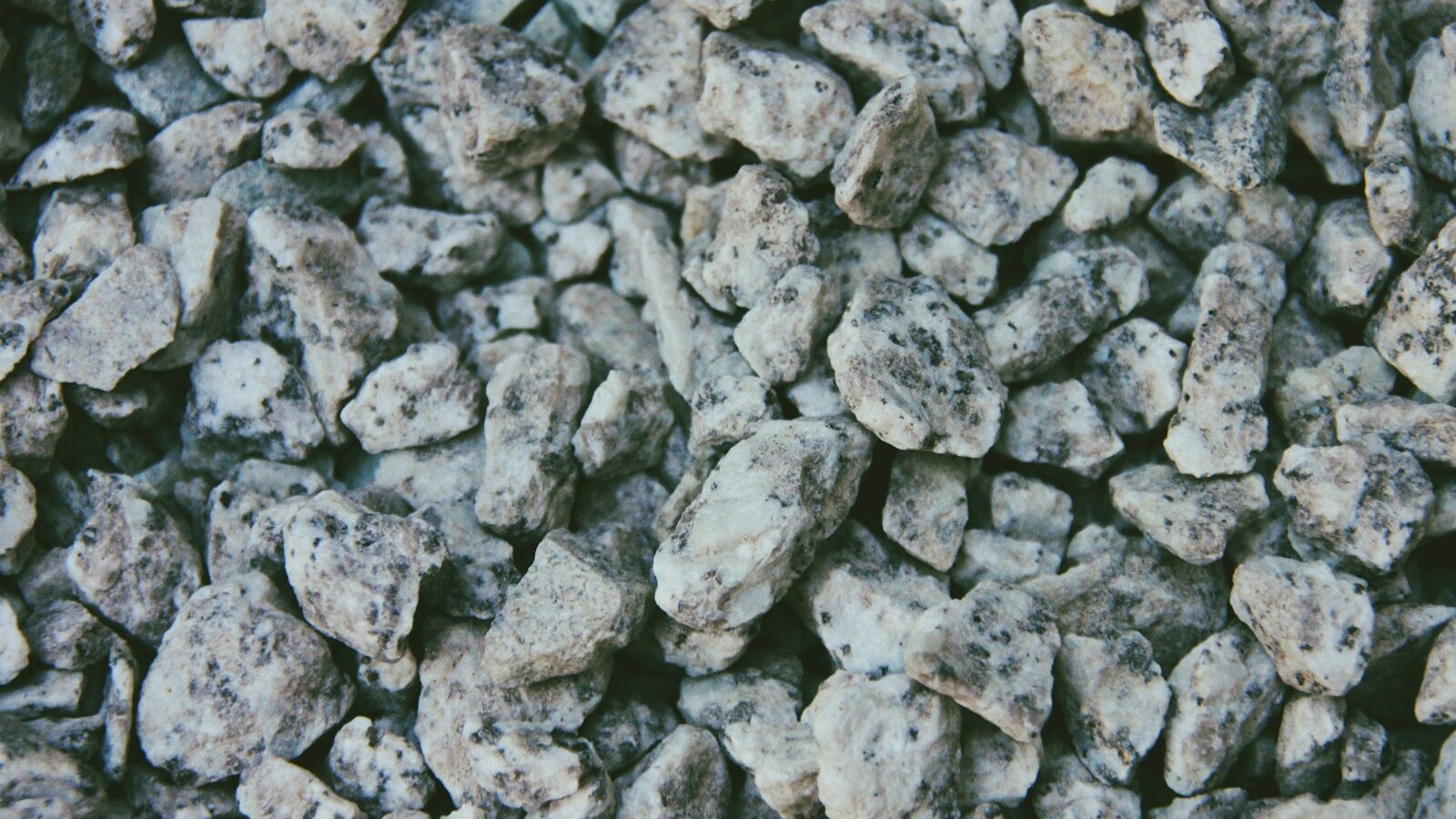
Here’s the short version: perlite improves drainage and aeration, while vermiculite holds water and nutrients. Perlite is the white, popcorn-looking stuff that keeps soil loose and lets roots breathe and excess water drain away. Vermiculite is the gold-brown, flaky material that acts like a sponge, soaking up moisture and feeding it back to roots over time. They’re both lightweight mineral amendments made by heating rock, and gardeners constantly mix them up because they look vaguely similar in the bag. But they do nearly opposite jobs, and using the wrong one can leave your plants either bone-dry or drowning. This guide breaks down exactly how each one works, the mix ratios that actually matter, and how to pick the right one for seed starting, succulents, hydroponics, and everything in between.
Key Takeaways
- Perlite = drainage and air. Use it when you want soil to dry out faster and roots to get more oxygen.
- Vermiculite = water and nutrient retention. Use it when you want soil to stay evenly moist between waterings.
- Both are sterile, lightweight, and pH-neutral to slightly alkaline, so they won’t introduce pests or weed seeds.
- For seed starting, vermiculite (or a 50/50 blend) keeps tiny seeds from drying out; for succulents and cacti, lean hard on perlite.
- Modern vermiculite sold for gardening is tested and asbestos-free; the contamination scare came from one mine that closed decades ago.
| Factor | Perlite | Vermiculite |
|---|---|---|
| Appearance | Bright white, hard, rounded granules (looks like Styrofoam beads) | Gold-brown to gray, soft, layered flakes (looks like flat mica chips) |
| What it’s made of | Volcanic glass, superheated until it pops and expands | Mica-type mineral, heated until layers exfoliate and expand |
| Water retention | Low; holds some water on surface but drains fast | High; can absorb roughly 3-4 times its weight in water |
| Aeration / drainage | Excellent; creates air pockets and lets water pass through | Moderate; holds water in its layers, less open air space |
| Weight | Very light; can float and blow around when dry | Light, but heavier and more stable than perlite |
| pH | Neutral to slightly alkaline (about 7.0-7.5) | Neutral to slightly alkaline (about 7.0-9.0 depending on source) |
| CEC / nutrient holding | Very low; inert, doesn’t hold nutrients | Moderate to high; holds and exchanges nutrients |
| Best uses | Succulents, cacti, drainage layers, cuttings, loosening heavy mixes | Seed starting, moisture-loving plants, evening out dry mixes |
| Reusability | Reusable; rinse and reuse, structure holds up well | Reusable but breaks down and compacts faster over time |
Perlite: The Drainage and Aeration Specialist
Perlite is volcanic glass. Manufacturers crush the raw rock and then heat it to roughly 1,600°F (around 870°C). At that temperature, the small amount of water trapped inside the glass flashes to steam and the particles pop like popcorn, expanding to many times their original volume. The result is a network of tiny sealed air cells inside a hard, white, almost weightless granule. Because the cells are mostly closed, perlite doesn’t soak up much water internally; it just clings to a thin film on the surface and in the gaps between particles. That’s the whole reason it works the way it does.
When you stir perlite into a potting mix, you’re essentially propping the soil open. Those hard granules resist compaction, so the mix stays fluffy and full of air channels instead of packing into a dense, soggy block. Water flows through and drains out the bottom rather than pooling around the roots. Oxygen, which roots need just as much as water, gets into the root zone. This is exactly what you want for plants that hate wet feet: succulents, cacti, snake plants, and most cuttings rooting in a container. A common rule of thumb is one part perlite to two or three parts soil, but for cacti and succulents many growers push it to 50% or more.
A note on dust and handling
The main downside of perlite is dust. Dry perlite throws off a fine silica dust that you don’t want to breathe, and it irritates eyes and throats. The fix is simple: lightly mist the bag or your scoop with water before you dig in, work outside or in a ventilated spot, and wear a basic dust mask if you’re handling a lot of it. Once it’s mixed into damp soil, the dust issue disappears. The other quirk is that perlite is so light it tends to float to the top of pots over time and blow around on windy days, which is cosmetic more than anything.
Vermiculite: The Water and Nutrient Sponge
Vermiculite starts as a mica-like mineral made of thin stacked layers. When it’s heated to high temperatures, the layers exfoliate, or accordion apart, like a tiny pull-apart fan. Unlike perlite’s sealed cells, these open layers create lots of internal surface area that grabs and holds water. Vermiculite can absorb roughly three to four times its own weight in water and then release it slowly as the surrounding soil dries. It also has a meaningful cation exchange capacity, which is the technical way of saying it can hold onto nutrients like potassium, magnesium, and calcium and trade them back to roots instead of letting them flush straight through with the drainage water.
That combination of water and nutrient retention makes vermiculite the go-to for anything that wants steady moisture. Mix it into the soil for ferns, calatheas, vegetable seedlings, and other plants that sulk the moment they dry out. It’s especially useful for keeping a fast-draining mix from drying too aggressively, or for evening out a sandy or peat-heavy blend. Because it’s softer than perlite, vermiculite compresses over time and breaks down faster, so it doesn’t hold soil open the way perlite does. If anything, used heavily on its own it can make a mix too dense and waterlogged, which is why most people blend it rather than relying on it alone.
The asbestos history, and why modern product is safe
If you’ve heard that vermiculite is dangerous, here’s the real story. For decades a single large mine in Libby, Montana supplied much of the world’s vermiculite, and that particular deposit was naturally contaminated with asbestos. That mine closed in 1990, and it was the source of the health concerns tied to old vermiculite products and certain attic insulation. Vermiculite sold today for gardening comes from other mines and is routinely tested for asbestos before it reaches store shelves. The horticultural product on the market now is considered safe to use. As a sensible habit with any dusty soil amendment, dampen it before mixing and avoid breathing the dust, but you don’t need to fear modern bagged garden vermiculite.
Performance Head to Head
The cleanest way to think about it is that perlite manages air and vermiculite manages water. Drop a handful of each into two cups of water and the difference is obvious: perlite mostly floats and stays dry inside, while vermiculite sinks, darkens, and swells as it drinks. In a pot, perlite shortens the time soil stays wet and raises the oxygen level around roots, which protects against root rot but means you’ll water more often. Vermiculite stretches the time between waterings and buffers nutrients, which is forgiving for plants that resent drying out but risky for plants that resent staying wet. Neither is better in the abstract; they’re tools for opposite problems.
This is also why a lot of experienced growers keep both bags on the shelf and even blend them. A mix with some perlite and some vermiculite gets you a soil that drains and aerates well while still holding a reserve of moisture and nutrients, a genuine middle ground. As a structural amendment perlite wins on longevity too, since its hard granules keep working season after season, whereas vermiculite gradually compacts and loses its fluffiness. For a deeper look at the base materials these amendments go into, see our breakdown of peat moss versus coco coir, and if you’re sorting out the bagged products themselves, our guide to potting soil versus potting mix explains what’s already blended in.
Which Should You Choose?
Choose perlite if…
- You’re growing succulents, cacti, or anything that rots in wet soil.
- Your potting mix stays soggy too long and you need faster drainage.
- You’re rooting cuttings and want a light, airy, well-drained medium.
- You want a soil amendment that holds its structure and lasts for years.
- You’re building a chunky, breathable mix for orchids or aroids.
Choose vermiculite if…
- You’re starting seeds and need the medium to stay reliably moist.
- Your plants are moisture-lovers like ferns, calatheas, or many vegetables.
- Your soil dries out faster than you can keep up with watering.
- You want some nutrient-holding capacity built into the mix.
- You’re covering newly sown seeds with a thin, moisture-locking layer.
For seed starting, vermiculite is hard to beat because germinating seeds must not dry out, and a thin top dressing of vermiculite over the seeds keeps them evenly damp while still letting sprouts push through. A 50/50 perlite-vermiculite blend is a popular starting mix that balances moisture with enough air to avoid damping off. For succulents and cacti, do the opposite: load up on perlite, often half the mix or more, so the soil drains almost immediately. For water-loving plants, vermiculite buys you margin between waterings. In hydroponics, perlite is the more common choice as an inert, well-draining substrate, sometimes blended with vermiculite for extra water retention in systems that flood and drain. And when in doubt, mixing both gives you a versatile all-purpose medium that drains well yet won’t dry to dust overnight.
If you’re new to amending soil at all, both of these are great places to start because they’re cheap, sterile, and forgiving. For more container and small-space growing strategy, our urban gardening hub walks through building the right mix for the plants you actually have room for.
Frequently Asked Questions
Can I use perlite and vermiculite together?
Yes, and many growers do. A 50/50 blend gives you the drainage and aeration of perlite plus the moisture and nutrient retention of vermiculite, making a balanced all-purpose medium. Adjust the ratio toward perlite for drought-tolerant plants and toward vermiculite for thirsty ones.
Which one is better for starting seeds?
Vermiculite, because germinating seeds need to stay consistently moist and vermiculite holds water without letting them dry out. A thin layer of vermiculite over the seeds works well, or use a 50/50 perlite-vermiculite mix to balance moisture with the air seedlings need to avoid rot.
Is vermiculite safe given the asbestos concerns?
Modern garden vermiculite is safe. The contamination came from one mine in Libby, Montana that closed in 1990. Vermiculite sold for gardening today comes from other sources and is tested for asbestos. As with any dusty amendment, dampen it before handling and avoid breathing the dust.
Does perlite expire or break down in soil?
No, perlite is essentially permanent. It’s an inert volcanic glass that holds its structure for years, which is why it’s valued as a long-term aeration amendment. You can even rinse and reuse it. Vermiculite, by contrast, compresses and breaks down faster over a few seasons.
How much perlite or vermiculite should I add to potting soil?
A common starting point is one part amendment to two or three parts soil. For succulents and cacti, push perlite up to half the mix or more. For moisture-lovers and seedlings, add more vermiculite. There’s no single rule, so adjust based on whether your soil dries too fast or stays too wet.