

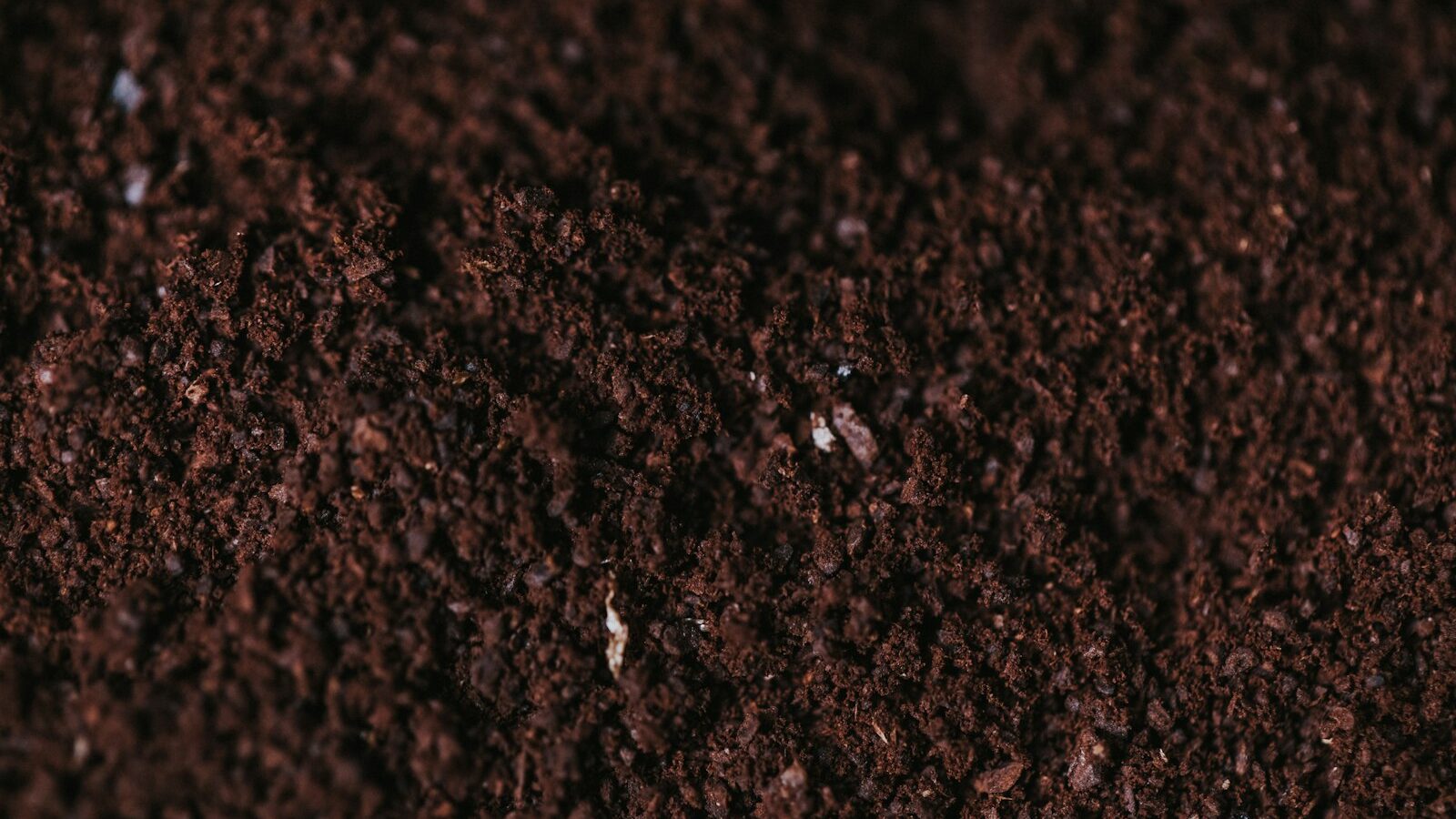
Here is the part the bags do not make obvious: “potting soil” and “potting mix” are used almost interchangeably on store shelves, but they are not always the same product. A true potting mix is soilless and sterile, built from peat or coir, perlite, and bark, with no field dirt in it at all. “Potting soil” is the looser, more ambiguous term. Some bags labeled potting soil are identical to a soilless mix; others contain real soil, compost, or composted forest products, which makes them heavier, denser, and not always safe for sealed containers. The label alone will not tell you which you are holding, so you have to read the ingredient list and understand what each blend actually does in a pot.
For most container gardening, you want a soilless potting mix: it drains fast, holds air around the roots, and starts out free of weed seeds and soil-borne disease. “Potting soil” with real soil or heavy compost in it is fine for raised beds and outdoor in-ground use, where it can knit into the surrounding ground, but it tends to compact and stay waterlogged in a closed pot. This guide breaks down the difference factor by factor, then tells you exactly which to reach for in the situations you actually face.
Key Takeaways
- True potting mix is soilless and sterile: peat or coir, perlite, and bark, with no field dirt. It is the right choice for containers and houseplants.
- “Potting soil” is ambiguous. Some bags are pure soilless mix; others contain real soil or heavy compost, which makes them denser and heavier.
- Drainage and air are the whole point. Containers have no ground to wick away excess water, so the medium itself must drain and stay airy or roots rot.
- Never use bagged garden soil or yard dirt in pots. It compacts into a brick, holds water, and can carry weed seeds, fungus gnats, and disease.
- Soil-based blends shine in raised beds and in-ground plantings, where weight and water retention are assets, not liabilities, and cost matters by the cubic foot.
| Factor | Potting Soil | Potting Mix |
|---|---|---|
| Contains real (field) soil? | Sometimes; varies by brand | No, soilless by definition |
| Sterility | Often not sterile if soil/compost present | Sterile, free of weed seeds and pathogens |
| Drainage and aeration | Slower; can compact in pots | Fast draining, stays airy |
| Weight | Heavier, especially when wet | Light, easy to lift and move |
| Typical ingredients | Soil, compost, forest products, sometimes peat/perlite | Peat or coir, perlite, vermiculite, bark |
| Cost per cubic foot | Usually cheaper | Usually more expensive |
| Best for | Raised beds, in-ground beds, outdoor pots | Containers, houseplants, seed starting |
| Disease and pest risk | Higher if it includes raw soil | Low (starts clean) |
| Water retention | High; holds moisture longer | Moderate; drains before it stays soggy |
Potting Soil: The Ambiguous, Heavier Blend
“Potting soil” is the term you have to treat with suspicion, because it means different things in different bags. There is no enforced standard that says a bag of potting soil must contain actual soil, and many products sold under that name are functionally identical to a soilless mix. But a meaningful share of bagged potting soil does include real field soil, topsoil, composted manure, or composted forest products. Those ingredients add body, nutrients, and weight. The only reliable way to know what you have is to flip the bag over and read the ingredient panel, then squeeze a handful: a heavy, dark, dense feel usually signals soil or compost content, while a light, fluffy, springy handful signals a soilless blend.
When potting soil does contain real soil or heavy compost, its strengths and weaknesses flip depending on where you use it. The added organic matter holds water and feeds plants longer, which is genuinely useful in the ground. But in a sealed container, that same density works against you. Soil particles pack together over a few waterings, squeezing out the air pockets roots need, and the blend holds water so well that the bottom of the pot stays saturated. That is the classic recipe for root rot. Heavier blends also make large pots a chore to move, and any non-sterile component can introduce weed seeds, fungus gnat larvae, or soil-borne pathogens into an otherwise clean container.
Where soil-based blends actually belong
None of that makes potting soil bad; it makes it a tool for a different job. In raised beds and outdoor in-ground plantings, weight is stability, water retention means less frequent irrigation, and the medium connects to the surrounding ground so drainage is not trapped inside four walls. A soil-and-compost blend is also far cheaper by volume, which matters when you are filling a four-by-eight raised bed and would otherwise need ten or more bags of premium container mix. For big outdoor projects, soil-based products and bulk topsoil-and-compost mixes are the practical, affordable choice. If you are weighing the raw ingredients that go into these blends, our breakdown of topsoil vs garden soil explains what each contributes and where each fits.
Potting Mix: Soilless, Sterile, and Built for Containers
A true potting mix contains no soil at all. It is engineered from lightweight, porous materials chosen specifically to behave well inside a pot: a moisture-holding base of either sphagnum peat moss or coconut coir, an aerating mineral such as perlite or vermiculite, and often pine bark fines for structure. Many bagged mixes also add a starter charge of fertilizer and a wetting agent to help dry peat absorb water on the first soaking. Because none of these components are dug from the ground, the finished product starts out sterile, with no weed seeds, insect eggs, or disease organisms. That clean start is one of the biggest reasons it outperforms anything containing raw soil in a container.
The physics of a container explain why soilless wins. In the open ground, gravity and capillary action pull excess water down and away through endless connected soil. In a pot, water can only exit through the drainage holes, and a band of permanently wet medium forms at the bottom no matter what you do, the so-called perched water table. A coarse, airy soilless mix keeps that wet zone thin and lets the rest of the pot drain and breathe between waterings. A dense, soil-heavy medium makes that saturated zone thick and lingering, drowning roots. Lightweight mix also means you can actually lift a large planter, and it resists the compaction that turns old soil-filled pots into airless bricks. The peat-versus-coir decision in the base material has real trade-offs of its own, which we cover in our guide to peat moss vs coco coir.
Seed-starting mix: the finer sub-type
Seed-starting mix is a specialized, finer-textured cousin of standard potting mix. It is milled smaller so delicate seedling roots can push through easily, it usually contains little or no added fertilizer (young seedlings can be burned by it), and it is held to an even higher standard of sterility, because the fungal disease known as damping-off can wipe out a whole tray of seedlings overnight. You can start seeds in a regular fine potting mix in a pinch, but you should never start them in soil-based potting soil. The compaction and the disease risk are simply too high at the most fragile stage of a plant’s life.
Head to Head: When Each Wins
The clearest dividing line is the container itself. The moment a plant lives inside a pot, hanging basket, window box, or seed tray with a fixed volume and limited drainage, soilless potting mix wins almost every time. Its fast drainage, retained air space, light weight, and sterile start are exactly what closed containers need, and the higher price per bag is easy to justify across the handful of pots most gardeners actually fill. Spend the money on real mix for anything that has to thrive in a confined root zone, and never substitute bagged garden soil or yard dirt to save a few dollars.
Soil-based potting soil wins as the volume goes up and the walls come down. Filling raised beds, amending an in-ground vegetable patch, topping up beds that settled over the winter, or planting large permanent outdoor containers where weight adds stability are all jobs where the heavier, cheaper, more water-retentive blend makes sense. At that scale, premium soilless mix becomes wasteful and expensive, and the soil and compost content that would hurt a houseplant becomes an asset that feeds and holds moisture for hungry vegetables. The smart move is often a hybrid: a true potting mix for your pots and trays, and a soil-and-compost blend for everything that touches the ground.
Which Should You Choose?
Match the medium to the job rather than to the word on the bag. Use these checklists to decide quickly, then see the common scenarios below.
Choose potting mix if…
- You are planting in any container, pot, hanging basket, or window box.
- You are growing houseplants and need a clean, sterile, well-draining medium.
- You are starting seeds or growing seedlings and need a fine, disease-free texture.
- Weight matters, such as for balcony, rooftop, or indoor pots you will move.
- You have battled root rot, fungus gnats, or compaction in pots before.
Choose potting soil if…
- You are filling or topping up raised beds where volume and cost add up.
- You are amending in-ground beds and want the medium to blend with native ground.
- You want more water retention and slow-release nutrients from compost.
- You are planting large outdoor containers where added weight aids stability.
- Budget is tight and you can verify the bag drains acceptably for the spot.
For indoor containers and houseplants, reach for a sterile soilless potting mix every time. For seed starting, use a fine seed-starting mix, or at minimum a screened soilless mix, never soil-based product. For raised beds, a soil-and-compost potting soil or a bulk garden-soil-and-compost blend is both cheaper and better suited to the job. For outdoor pots, default to potting mix, but a heavier soil-based blend can work in large, stationary planters where stability helps. And for topping up settled beds on a budget, soil-based potting soil or bulk compost is the sensible, economical pick. For more on planning containers and small-space growing, see our urban gardening hub.
A simple DIY container mix
If you would rather blend your own, a reliable all-purpose container recipe is roughly equal parts of a moisture-holding base (peat moss or coco coir), an aerating mineral (perlite or coarse vermiculite), and finished compost or aged bark fines, with a handful of a balanced slow-release fertilizer mixed in per gallon of finished mix. For a leaner seed-starting blend, drop the compost and fertilizer and lean more heavily on screened coir and fine perlite. Making your own usually costs less per cubic foot than premium bagged mix and lets you tune drainage to your plants, but buy your peat, coir, and perlite clean and keep your tools and trays sterile so you do not undo the soilless advantage.
Frequently Asked Questions
Is potting soil the same as potting mix?
Not reliably. The terms are used interchangeably on labels, but a true potting mix is always soilless and sterile, while a bag labeled “potting soil” may or may not contain real field soil or heavy compost. Always read the ingredient panel rather than trusting the name on the front.
Can I use potting soil in containers?
Sometimes, but with caution. If the “potting soil” is actually a soilless blend, yes. If it contains real soil or a lot of dense compost, it will tend to compact and stay waterlogged in a pot, which risks root rot. For most containers, a true soilless potting mix is the safer choice.
Why can’t I just use garden soil or topsoil in pots?
Garden soil and topsoil are too dense for containers. They pack down, squeeze out the air roots need, drain poorly, and can carry weed seeds, fungus gnats, and disease. In the open ground these are not problems, but inside a pot they quickly suffocate roots. Use a soilless mix instead.
What is the difference between potting mix and seed-starting mix?
Seed-starting mix is a finer-textured, lower-fertilizer, extra-sterile version of potting mix. The fine texture lets tiny roots through, the low nutrient level avoids burning seedlings, and the cleanliness guards against damping-off disease. Regular potting mix works in a pinch, but never start seeds in soil-based potting soil.
Which is cheaper, potting soil or potting mix?
Soil-based potting soil is usually cheaper per cubic foot, which is why it makes sense for filling raised beds and large outdoor projects. Premium soilless potting mix costs more but is worth it for containers, where drainage, weight, and sterility matter most. Many gardeners use both, matched to the job.