

A professionally installed paver walkway typically runs about $12 to $30 per square foot for concrete pavers, $15 to $35 for clay brick and $18 to $45 or more for natural stone, including base preparation, edging and labor. A common front walk, 4 feet wide and 30 feet long, is 120 square feet, which puts most concrete paver projects somewhere in the low-to-mid thousands. Where your project lands in those ranges depends far more on site prep, access and pattern than on the price of the pavers themselves. This guide breaks down what drives the number so you can read a quote with confidence.
Part of our Landscaping & Hardscaping guide →
In this guide
- Paver Walkway Cost by Material
- Sample Walkway Costs by Size
- Cost Breakdown: Where the Money Goes
- Factors That Raise or Lower the Price
- DIY vs Hiring a Pro
- How to Compare Contractor Quotes
- Ways to Save Without Cutting Corners
- How Pavers Compare With Other Walkway Options
- Long-Term Costs
- Frequently Asked Questions
Key Takeaways
- Concrete pavers are the budget choice at roughly $12–$30 per square foot installed; brick and natural stone cost more.
- Materials are often less than half the bill. Excavation, gravel base, compaction, edging and labor make up the rest.
- Removing an old concrete walk, building steps or working on a slope can add significantly to the total.
- Small projects carry a higher price per square foot because crews have fixed setup and equipment costs.
- Get at least three itemized quotes that spell out base depth, edging type and joint sand.
Paver Walkway Cost by Material
The table below shows typical installed ranges in the US. These are planning figures, not quotes. Prices vary by region, with major metro areas and the coasts generally at the higher end. The material-only column helps if you are comparing a DIY build against hiring out.
| Material | Material only (per sq ft) | Installed (per sq ft) | Notes |
|---|---|---|---|
| Standard concrete pavers | $3–$8 | $12–$30 | Widest selection of colors and shapes |
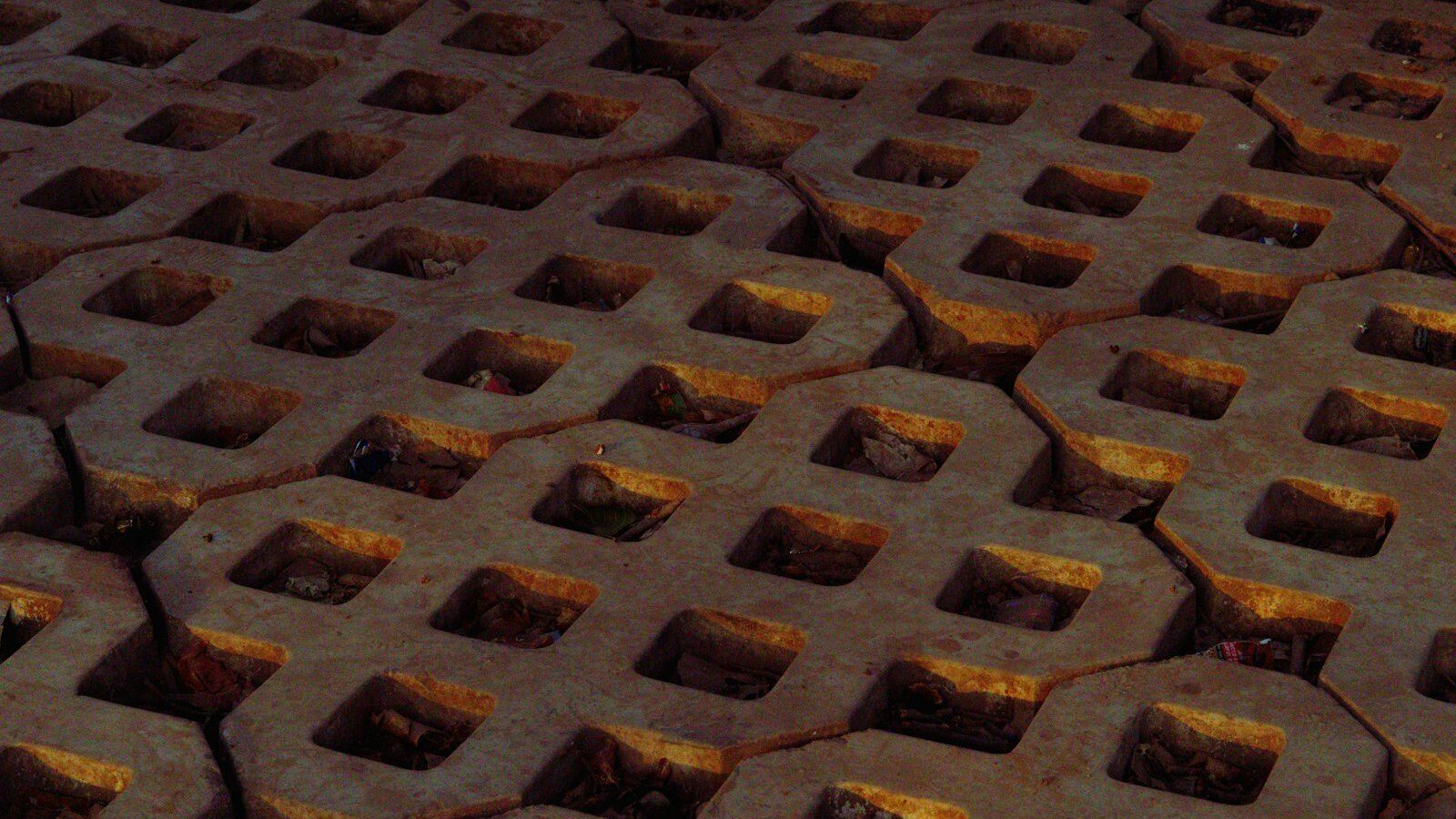
| Permeable concrete pavers | $4–$10 | $15–$35 | Deeper open-graded base; helps with runoff |
| Clay brick pavers | $4–$10 | $15–$35 | Color doesn’t fade; labor-intensive patterns |
| Tumbled or antique-look concrete | $5–$10 | $15–$32 | Weathered edges; slightly more cutting |
| Flagstone, dry-laid on gravel/sand | $4–$12 | $18–$38 | Irregular shapes take more labor to fit |
| Bluestone or cut stone, dry-laid | $7–$15 | $22–$45 | Uniform look; heavy to handle |
| Stone or brick set in mortar on concrete slab | $5–$15 | $30–$55+ | Requires a concrete base; most durable, most expensive |
If you are still deciding on material, our guide to types of pavers compares durability and maintenance, and brick vs concrete pavers goes deeper on that specific choice.
Sample Walkway Costs by Size
Most residential walkways are 3 to 5 feet wide. Four feet lets two people walk side by side and looks proportional on most homes. Multiply length by width to get square footage, then apply the per-square-foot range for your material.
| Walkway size | Square feet | Concrete pavers | Brick | Natural stone, dry-laid |
|---|---|---|---|---|
| 3 ft × 15 ft (side path) | 45 | $1,000–$2,000 | $1,100–$2,200 | $1,200–$2,500 |
| 4 ft × 20 ft | 80 | $1,200–$2,600 | $1,400–$2,900 | $1,600–$3,400 |
| 4 ft × 30 ft (typical front walk) | 120 | $1,600–$3,600 | $1,900–$4,200 | $2,200–$5,000 |
| 5 ft × 40 ft | 200 | $2,500–$6,000 | $3,000–$7,000 | $3,600–$8,500 |
Notice that the smallest project’s low end is higher than straight math would suggest. Many contractors have a minimum job charge because hauling a compactor, saw and base material to a site costs the same whether they lay 45 or 145 square feet.
Free, no-obligation quote · Connect with a local pro
Cost Breakdown: Where the Money Goes
On a typical concrete paver walkway, the pavers themselves are only a portion of the quote. Here is how a professional install generally splits out:
| Line item | Typical range | What it covers |
|---|---|---|
| Excavation and haul-away | $1–$4 per sq ft | Digging 7–10 inches down and removing sod and soil |
| Gravel base and bedding sand | $1–$3 per sq ft | 4–6 inches of compacted crushed stone plus 1 inch of sand |
| Pavers | $3–$15 per sq ft | Varies by material, plus 5–10% extra for cuts and waste |
| Edge restraint | $2–$8 per linear ft | Plastic, aluminum or concrete edging along both sides |
| Polymeric joint sand | $0.50–$1.50 per sq ft | Locks pavers and resists weeds and washout |
| Labor | $6–$15 per sq ft | Layout, compaction, cutting, laying and cleanup |
Base preparation is where cheap quotes cut corners. A walkway needs a firm, compacted gravel base sized for your soil and climate. In clay soil or areas with deep frost, contractors often go to 6 inches or more of base. Skimping on it leads to sinking, heaving and wobbly pavers within a few winters, which costs far more to fix than doing it right the first time.
Factors That Raise or Lower the Price
Removing an Existing Walkway
Breaking out and hauling away an old concrete sidewalk commonly adds a few dollars per square foot, and more if the slab is thick or reinforced with rebar. Some homeowners save money by having pavers laid over sound existing concrete. That only works when the slab is level and uncracked and drains properly. See laying pavers over concrete for the pros and cons.
Slopes and Steps
A walkway on flat ground is the cheapest case. Grades that need steps, landings or a retaining edge add materials and many hours of labor. Paver or stone steps are usually priced per step, and a run of three to five steps can add more than the rest of the walk combined.
Pattern and Shape
A straight walk laid in a running bond or basketweave pattern requires few cuts. Curves, herringbone patterns, borders in a contrasting color and circular landings all add cutting time. Expect intricate designs to land toward the top of the labor range.
Access
If a skid steer can drive to the work area, excavation is quick. If every load of gravel and pavers has to go through a side gate by wheelbarrow, labor climbs. Backyard paths are often more expensive than front walks for this reason.
Drainage and Utilities
Walks that cross low spots may need a drain, a culvert under the path or regrading so water sheds away from the house. Contractors must also call 811 to mark buried utilities before digging, which is free, but shallow lines can force route changes.
Region and Season
Labor rates vary considerably across the country. Booking in late fall or early spring, outside the peak summer rush, can sometimes get you better scheduling, though not always a lower price.
DIY vs Hiring a Pro
Doing it yourself saves the labor portion, which can be half the bill or more. For a 120-square-foot concrete paver walk, materials including base gravel, sand, edging and pavers often fall in the high hundreds to around two thousand dollars, depending on paver choice. You will also need to rent a plate compactor and possibly a wet saw for a weekend or two.
The real cost of DIY is effort. Digging out 120 square feet to 8 inches deep means removing roughly 3 cubic yards of soil, and you will move several tons of gravel and pavers by hand. A straight walk on flat ground is a reasonable project for a fit, patient DIYer. Slopes, steps, curves and natural stone are where pros earn their fee. Our step-by-step guide on how to build a paver walkway walks through excavation, base and laying so you can decide whether to tackle it.
How to Compare Contractor Quotes
Ask each contractor to itemize the quote so you can compare like with like. Key points to check:
- Base depth and material: how many inches of compacted crushed stone, and whether it is compacted in lifts of 2 to 3 inches.
- Edge restraint: type and whether it is spiked or set in concrete. Missing edging is a common cause of walkways spreading apart.
- Paver brand and line: so you can compare thickness and colors, not just price.
- Joint material: polymeric sand versus plain sand.
- Removal and haul-away: whether sod, soil and any old concrete removal are included.
- Warranty: many reputable installers guarantee workmanship against settling for a set number of years, separate from the manufacturer’s paver warranty.
Our guide on how to choose a paver contractor covers licensing, references and red flags. For bigger plans that tie a walkway into a patio or driveway, the landscaping and hardscaping hub collects our related project and cost guides, including paver patio cost.
Free, no-obligation quote · Connect with a local pro
Ways to Save Without Cutting Corners
- Keep the path straight or gently curved and use a simple running bond pattern.
- Choose standard concrete pavers in a stock color rather than special-order lines.
- Do the demolition and sod removal yourself if the contractor will credit it.
- Combine the walkway with a patio or driveway project so setup costs are shared.
- Use pavers for the main walk and gravel or stepping stones for secondary side paths.
How Pavers Compare With Other Walkway Options
Pavers sit in the middle of the walkway price spectrum. Knowing the alternatives helps you decide whether the extra cost is worth it for your site.
- Gravel or decomposed granite: the least expensive hard surface, often a fraction of paver cost. It needs edging to stay in place, migrates onto lawns, and is harder to shovel in snow country.
- Stepping stones set in gravel or lawn: inexpensive and easy to DIY, but less comfortable for strollers, wheelbarrows and anyone unsteady on their feet.
- Poured concrete: usually cheaper per square foot than pavers for a plain broom finish. Stamped or colored concrete narrows the gap. Concrete cracks over time and repairs show.
- Pavers: moderate cost with good durability, easy spot repairs and the widest range of looks.
- Mortared stone or brick: the premium option. It needs a concrete slab underneath, takes the most labor and offers a very formal, permanent finish.
For a front walk that guests use daily, pavers or concrete usually make the most sense. For a garden path that sees light foot traffic, gravel or stepping stones can save most of the budget for plants and lighting instead. Many homeowners split the difference: pavers from the driveway to the front door, and a looser material for side yards and back garden routes.
Long-Term Costs
A well-built paver walkway lasts decades. Ongoing costs are modest: topping up joint sand every few years, occasional cleaning and optional sealing. Individual pavers that crack or settle can be lifted and replaced without breaking out the whole walk, which is a real advantage over poured concrete. Factor sealing into your budget if you want to keep colors rich and joints stable.
Frequently Asked Questions
How much does a 100-square-foot paver walkway cost?
With concrete pavers, a professionally installed 100-square-foot walkway typically falls around $1,200 to $3,000. Brick and natural stone run higher, and removal of an old walk or steps adds more.
Are pavers cheaper than a concrete walkway?
Plain poured concrete is usually cheaper up front. Pavers cost more to install but are easier to repair, handle freeze-thaw movement better and offer more design options.
What is the cheapest paver for a walkway?
Standard concrete pavers in a common size and color are typically the least expensive option. Larger-format pavers can also reduce labor because fewer pieces are set per square foot.
How long does it take to install a paver walkway?
A professional crew can usually complete a straightforward 100- to 150-square-foot walkway in one to three days. DIY projects of the same size often take several weekends.
How wide should a front walkway be?
Most front walks are 3 to 5 feet wide. Four feet is a common choice because it fits two people side by side and looks balanced against most house facades.
Get free quotes from local pros
Compare prices from vetted hardscape and landscape contractors in your area before you commit.