

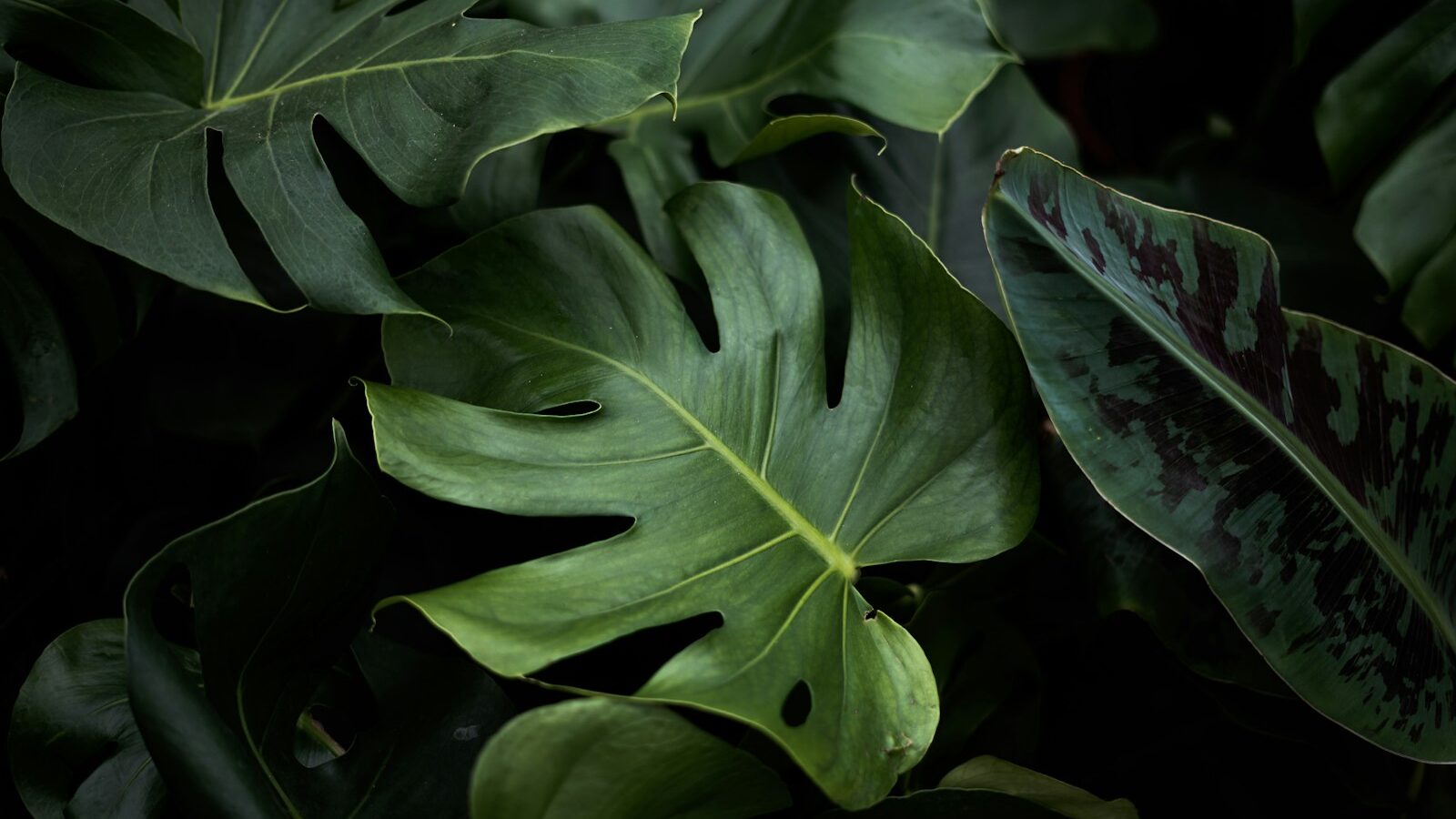
The Monstera deliciosa, better known as the Swiss cheese plant, is one of the most rewarding houseplants you can grow. With the right light, a little support to climb, and a sensible watering routine, it rewards you with huge, glossy leaves that split into the iconic holes that gave it its nickname. This guide walks through everything you need to keep a Monstera thriving indoors, from why your leaves might not be splitting yet to propagating new plants from nodes.
Monstera quick care
- Light: bright indirect
- Water: when top 2 in dry
- Humidity: moderate-high
- Soil: chunky, well-draining aroid mix
- Give it a moss pole to climb
As an Amazon Associate we earn from qualifying purchases.
Light, watering, humidity, and soil
Get the four basics right and a Monstera is genuinely hard to kill. It is a climbing tropical aroid native to the rainforests of Central America, so the closer you can mimic that warm, bright, humid understory, the happier it will be.
Light
Monsteras want bright, indirect light. A spot a few feet back from an east- or south-facing window is ideal. They tolerate medium light but grow slowly and produce fewer of those signature splits. Avoid harsh direct midday sun, which scorches the leaves and leaves crispy brown patches. If your home is dim or you are growing through a dark winter, a grow light makes a real difference; see our roundup of the best grow lights to pick one.
Watering
Water when the top 2 inches of soil feel dry. Stick a finger in or use a wooden chopstick to check. When you water, soak thoroughly until it runs from the drainage holes, then let the excess drain away completely. Never let the pot sit in standing water. Monsteras are far more forgiving of slightly dry soil than soggy soil, so when in doubt, wait a day. Expect to water roughly once a week in summer and less in winter.
Humidity and temperature
These are tropical plants, so they prefer moderate to high humidity (50% and up) and warmth between 65 and 85°F (18 to 29°C). They survive in average household humidity but appreciate a pebble tray, a nearby humidifier, or grouping with other plants. Keep them away from cold drafts, heating vents, and air conditioners, which dry the air and stress the foliage.
Soil
Use a chunky, well-draining aroid mix. A good blend is standard potting soil loosened with orchid bark, perlite, and a handful of coco coir. This holds moisture without staying waterlogged, which is exactly what those thick roots want. You can buy a ready-made aroid potting mix or amend a basic bag yourself. Always plant in a pot with drainage holes.
Why won’t my Monstera leaves split?
This is the most common question Monstera owners ask. Those holes and splits are called fenestrations, and a young plant simply does not have them yet. There is nothing wrong with your plant.
Maturity and light
Two things drive fenestration: maturity and light. New leaves emerge solid and heart-shaped, and as the plant ages each successive leaf tends to be larger and more deeply split. A Monstera generally needs to be a couple of years old before it starts fenestrating reliably. The single biggest thing you can do to encourage splits is give it more bright indirect light, because in the wild these leaves develop holes to let light pass to lower foliage and to handle heavy rain.
Give it something to climb
Monsteras are climbers, and climbing triggers more mature, dramatically fenestrated growth. A plant left to sprawl on the floor stays juvenile-looking far longer than one trained up a support. That is where a moss pole comes in.
Moss poles, support, and training
In nature a Monstera scrambles up tree trunks, gripping with aerial roots. Indoors, a moss pole gives it the vertical structure it craves and noticeably improves leaf size and splitting.
How to use a moss pole
- Insert the pole at repotting time so you do not damage roots later.
- Gently tie the main stems to the pole with soft plant ties or twine until the aerial roots grab on.
- Keep the moss lightly damp by misting it; aerial roots will root into it over time.
- As the plant grows past the top, add an extension or switch to a taller pole.
You can guide aerial roots toward the pole or the soil; do not cut them off, as they help the plant feed and anchor.
Cleaning, pruning, and feeding
Cleaning the leaves
Those big leaves collect dust, which blocks light and slows growth. Wipe each leaf gently every few weeks with a damp microfiber cloth, supporting the leaf from underneath with your other hand. Skip leaf-shine sprays, which can clog the pores; clean water is all you need.
Pruning
Prune to control size, remove damaged leaves, or encourage bushier growth. Use clean, sharp scissors and cut just above a node. Spring and summer are the best times. Save any healthy cuttings with a node attached, because those are exactly what you propagate from.
Feeding
During the growing season (spring through early fall), feed with a balanced liquid houseplant fertilizer at half strength roughly once a month. Stop feeding in late fall and winter when growth naturally slows.
How to propagate a Monstera
Monsteras are easy to propagate, and the secret is the node: the small bump on the stem where leaves, aerial roots, and new growth emerge. A cutting must include at least one node to root. A leaf with no node will never grow into a new plant.
Water propagation
- Cut just below a node, ideally one that already has a nub of aerial root.
- Place the cutting in a glass of clean water with the node submerged and the leaf above the waterline.
- Set it in bright indirect light and change the water every few days.
- In two to six weeks you will see roots; once they are a couple of inches long, pot it up in aroid mix.
Soil propagation
You can also plant a node cutting directly into moist aroid mix, optionally dipping the cut end in rooting hormone first. Keep the soil lightly moist and warm. Soil-propagated cuttings skip the shock of transferring from water to soil, though you cannot watch the roots develop. If you enjoy propagating, pothos care follows the same node-based method and is even faster to root.
Repotting and common problems
Repotting
Repot every one to two years, or when roots circle the bottom and poke out of the drainage holes. Move up just one pot size (about 2 inches wider), refresh the aroid mix, and add or reseat the moss pole at the same time. Spring is the ideal season. A pot that is far too large holds excess water and invites root rot.
Yellow leaves
Yellowing is most often a sign of overwatering. Let the soil dry out more between waterings and confirm the pot drains freely. A single old lower leaf turning yellow is normal aging; many leaves yellowing at once is a watering problem.
Root rot
Soggy soil leads to mushy, brown, foul-smelling roots. If you suspect rot, unpot the plant, trim away any soft black roots with clean scissors, and repot in fresh, fast-draining mix. Then water more sparingly going forward.
Pests
Watch for spider mites, mealybugs, scale, and thrips, especially in dry indoor air. Inspect new growth and leaf undersides regularly. At the first sign, wipe the leaves down and treat with insecticidal soap or a neem oil solution, repeating weekly until they are gone. Isolate the plant from your other greenery while you treat it.
Toxicity and Monstera varieties
Is Monstera toxic to pets?
Yes. Monsteras contain insoluble calcium oxalate crystals, which are toxic to cats and dogs and irritating to humans if chewed. Symptoms in pets include mouth irritation, drooling, and vomiting. Keep the plant out of reach of curious cats, dogs, and small children, and contact your vet or poison control if ingestion happens.
Monstera adansonii vs deliciosa
These two are often confused. Monstera deliciosa is the large classic Swiss cheese plant, with broad leaves that develop both holes and deep edge splits as it matures; it can grow into a substantial floor plant. Monstera adansonii is smaller and more vine-like, with thinner leaves dotted by enclosed oval holes that do not reach the leaf edge, making it a great choice for hanging baskets or a compact moss pole. Care is essentially identical for both, so the same light, water, and soil advice here applies.
Ready to bring one home? Browse a healthy monstera plant and explore more of our plant & flower care guide for companions to grow alongside it.
Frequently asked questions
How often should I water a Monstera?
Water when the top 2 inches of soil feel dry, which usually works out to about once a week in spring and summer and less in winter. Always soak thoroughly and let the excess drain. Soggy soil is the number one cause of Monstera trouble.
Why aren’t my Monstera leaves splitting?
Splits, called fenestrations, come with maturity and light. Young plants produce solid heart-shaped leaves first, and it can take a couple of years before reliable splitting begins. Give the plant more bright indirect light and a moss pole to climb to speed it up.
Do I really need a moss pole?
It is not strictly required, but it helps a lot. Monsteras are natural climbers, and a moss pole encourages bigger, more fenestrated, mature-looking leaves while keeping the plant upright and tidy.
Are Monsteras toxic to cats and dogs?
Yes. They contain calcium oxalate crystals that are toxic to cats and dogs and irritating to people. Keep the plant out of reach and call your vet if a pet chews on it.
What’s the difference between Monstera adansonii and deliciosa?
Deliciosa is the large classic Swiss cheese plant with broad leaves that split at the edges, while adansonii is a smaller, vinier plant with enclosed oval holes. Their care needs are basically the same.