

A Mediterranean garden borrows from the dry, sun-baked hillsides of Italy, Greece, Provence, and Spain — silvery foliage, gravel underfoot, terracotta pots, and the smell of lavender and rosemary baking in the afternoon heat. The look is relaxed and informal, the plant palette is genuinely drought-tolerant once established, and the maintenance is low because these plants evolved for lean soil and long dry summers. That makes the style a smart fit far beyond actual Mediterranean climates: it works anywhere with hot summers and good drainage, from a California courtyard to a Texas slope to a sunny corner of a temperate yard. This guide covers the design principles, the plants by zone, and the gravel-and-stone hardscape that ties it together.
Key Takeaways
- Mediterranean style relies on drought-tolerant, silver- and gray-leaved plants in lean, fast-draining soil — not rich, watered beds.
- Gravel mulch, terracotta, and weathered stone are the signature hardscape; gravel both drains and suppresses weeds.
- Lavender, rosemary, olive, cypress, and ornamental grasses anchor the palette across most warm zones.
- Plant on a slope or mounded bed and skip clay-heavy spots — wet winter roots kill more Mediterranean plants than cold does.
- Group by water need and water deeply but infrequently to drive roots down and build true drought tolerance.
Design Principles
The Mediterranean garden is built around the realities of a hot, dry climate, and the design choices all flow from that. Foliage color does the heavy lifting: silvers, grays, and blue-greens dominate because those colors come from hairy or waxy leaf coatings that reflect sun and conserve water. Against gravel and terracotta, that muted palette reads as calm and cohesive, and the occasional hot punch of bougainvillea, geranium, or citrus pops all the harder for the restraint around it.
Structure comes from evergreen architecture — clipped olive, cypress columns, rosemary hedges, and rounded mounds of santolina or lavender — so the garden has form even in the dead of winter when little is in bloom. The layout itself is informal and human-scaled: gravel courtyards, a shaded pergola draped in grapevine or wisteria, terracotta pots clustered by a doorway, and a central focal point such as a fountain, an urn, or a single specimen olive. Symmetry shows up around entries and seating but loosens out into the planting.
Water is treated as precious. You group plants by water need (the “hydrozoning” principle), mulch heavily with gravel to cut evaporation, and often include a small fountain or rill — the sound of water matters more than the volume. Done right, the garden looks lush and lived-in while using a fraction of the irrigation a conventional lawn-and-border yard demands.
Plants for a Mediterranean Garden (by Zone)
Almost everything here wants full sun, lean soil, and sharp drainage. The fastest way to fail is to plant these in rich, moist, clay-heavy ground — they rot. Amend heavy soil with grit and plant on a mound or slope. Here is a reliable palette with zones:
- Lavender (Lavandula) — zones 5–9: the icon. English lavender (‘Hidcote’, ‘Munstead’) is hardiest; Spanish and French types suit zones 8–9. Needs full sun and excellent drainage; shear after bloom.
- Rosemary (Salvia rosmarinus) — zones 7–10: evergreen, aromatic, edible; trailing types spill over walls, upright types make low hedges. Hardy to about 15°F.
- Olive (Olea europaea) — zones 8–10: the quintessential specimen tree, silver-leaved and sculptural. In colder zones grow it in a large pot and overwinter indoors, or choose cold-hardy ‘Arbequina’.
- Italian cypress (Cupressus sempervirens) — zones 7–10: the dark vertical exclamation point flanking entries and paths.
- Santolina (cotton lavender) — zones 6–9: tight silver mounds with button yellow flowers; superb low edging.
- Salvia & Russian sage (Perovskia) — zones 4–9: spires of blue and purple that feed pollinators and shrug off heat. Russian sage is one of the hardiest choices for cold-climate Mediterranean looks.
- Bougainvillea — zones 9–11: the explosive magenta/orange vine for warm climates; grow as an annual or potted specimen elsewhere.
- Ornamental grasses (Stipa, fountain grass) — zones 5–10: movement and a hazy texture; Stipa tenuissima (Mexican feather grass) catches every breeze.
- Olive-companion herbs — thyme, oregano, sage (zones 4–9): creeping thyme between pavers releases scent underfoot and tolerates drought beautifully.
- Agave & succulents — zones 8–11: architectural anchors for the hottest, driest spots; pair with gravel for a sculptural effect.
Cold-climate gardeners (zones 4–6) can build a convincing version with English lavender, Russian sage, hardy salvias, santolina, catmint, and ornamental grasses, swapping potted olives and citrus for the tender stars. The silvery, aromatic character survives; only the frost-tender specimens move to containers. Many of these double as kitchen herbs — see our guides to growing sage and rosemary for harvest tips.
Gravel, Stone, and Terracotta
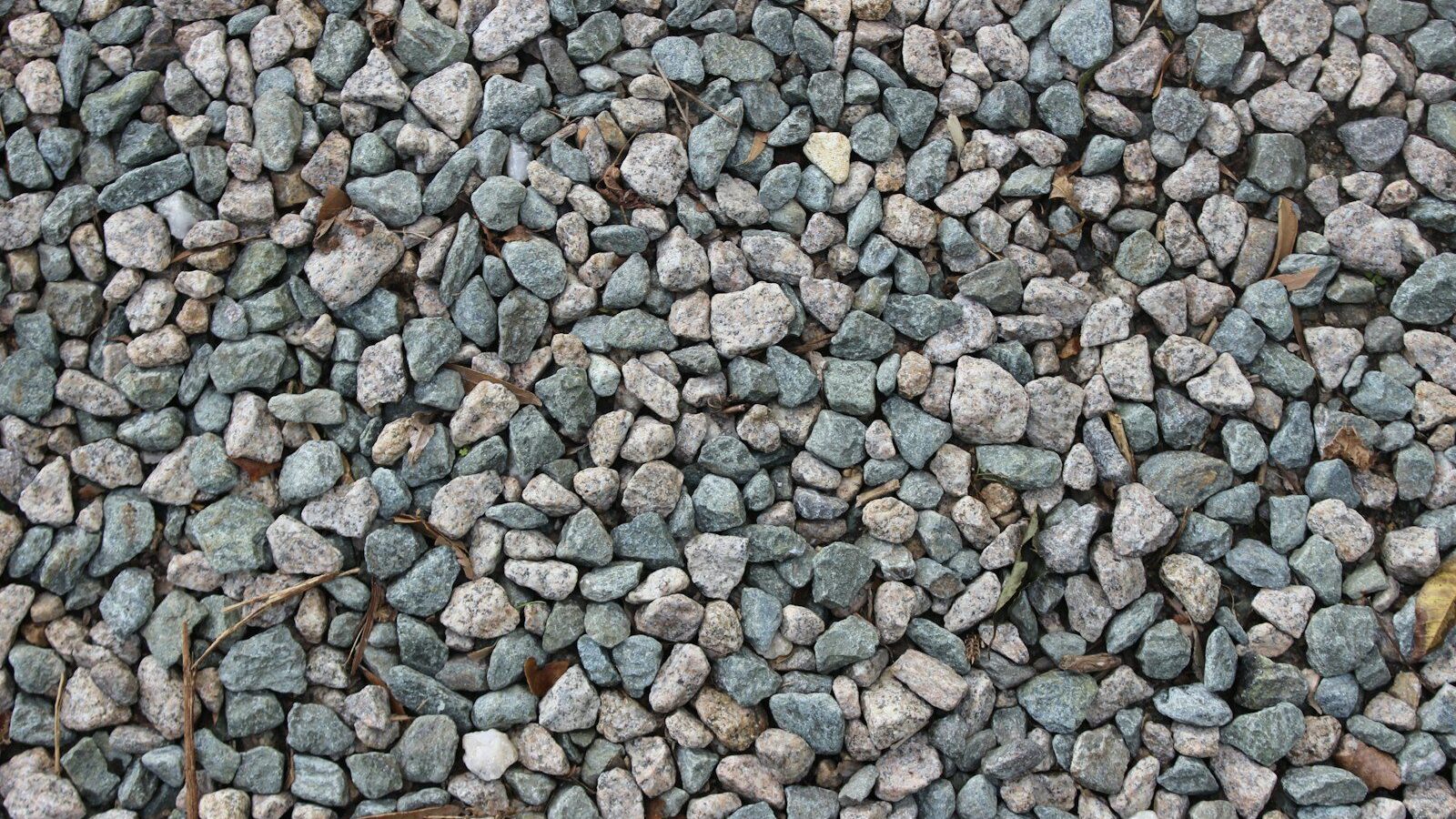
Hardscape is what makes the planting read as Mediterranean rather than just “drought-tolerant.” Gravel is the workhorse: a 2–3 inch layer of crushed stone or pea gravel over landscape fabric (or over compacted base for paths) drains beautifully, suppresses weeds, reflects light, and keeps plant crowns dry. Buff, gold, and warm-gray gravels echo the sun-baked palette better than cold blue-gray stone.
- Gravel courtyards & paths: 3/8-inch crushed gravel compacts firm enough to walk and set a bistro table on; pea gravel feels more casual but shifts underfoot.
- Terracotta: clustered unglazed pots in varied sizes by doorways and steps, planted with citrus, geraniums, or herbs. The clay ages with a chalky patina that suits the style.
- Dry-stone walls & raised beds: stacked local stone retains a slope, improves drainage, and gives the garden the terraced look of a hillside.
- Pergola: a timber or stone-pillared pergola draped in grapevine or wisteria creates dappled shade for a seating or dining area.
- Fountain or urn: a simple wall fountain or a glazed urn as the central focal point — the sound and the vertical accent both anchor the composition.
For a gravel patio or path that stays put, lay a compacted crushed-stone base and edge it cleanly; the technique mirrors what we cover in the flagstone patio installation guide, which you can adapt by topping the base with gravel instead of flagstone.
Soil, Watering, and Establishment
The single biggest mistake is treating these plants like thirsty perennials. They want to be watered deeply but infrequently — a long soak that pushes moisture 8–12 inches down, then nothing until the soil dries out several inches below the surface. Frequent shallow watering keeps roots near the surface and actually prevents the drought tolerance you are after. The first season is the exception: water new plantings regularly until roots establish, then taper off hard.
Drainage matters more than fertility. Most Mediterranean plants prefer lean soil and will grow leggy and flop if overfed. If your ground is heavy clay, dig in coarse grit or pumice and plant on a raised mound so winter rain drains away from the crown — cold, wet roots in winter kill more lavender and rosemary than low temperatures ever do. Skip rich compost and nitrogen feeds; a thin topdressing of gravel is usually all the “mulch” these beds need.
Putting It Together
Sketch a simple plan: a gravel courtyard or path as the floor, an evergreen backbone of cypress, olive, and clipped rosemary for structure, drifts of lavender and salvia for color and scent, and a fountain or urn as the focal point. Cluster terracotta pots where you sit, and let creeping thyme knit the gaps between pavers. Plant in autumn or early spring so roots establish before summer heat, group everything by water need, and resist the urge to overplant — the gravel and the gaps are part of the look. Within two seasons you will have a low-water, low-maintenance garden that hums with bees and smells like the south of France. For more style directions, see the Outdoor Living hub.
Frequently Asked Questions
Can I have a Mediterranean garden in a cold climate?
Yes. In zones 4–6, build the look with English lavender, Russian sage, hardy salvias, santolina, catmint, and ornamental grasses, and grow tender stars like olive, citrus, and bougainvillea in pots you overwinter indoors. The silvery, aromatic character survives cold winters; only the frost-tender specimens need protection.
What gravel is best for a Mediterranean garden?
Use warm-toned crushed gravel or pea gravel — buff, gold, or warm-gray — in a 2–3 inch layer over landscape fabric. A 3/8-inch crushed gravel compacts firm enough for paths and seating; pea gravel gives a more casual, looser feel but shifts underfoot.
How often should I water Mediterranean plants?
Deeply but infrequently once established — a long soak that reaches 8–12 inches down, then nothing until the soil dries out several inches below the surface. Water new plantings regularly through their first season, then taper off. Frequent shallow watering actually undermines drought tolerance.
Why do my lavender and rosemary keep dying?
Almost always wet feet. These plants rot in heavy, soggy soil, especially in cold, wet winters. Amend clay with grit or pumice, plant on a raised mound or slope for drainage, and avoid overwatering and over-fertilizing, which makes them leggy and weak.
Do Mediterranean gardens need full sun?
Mostly yes. Lavender, rosemary, olive, cypress, and most of the palette want full sun — six or more hours — for tight growth and good bloom. A few companions tolerate light afternoon shade, but in deep shade these plants stretch, flop, and bloom poorly.