

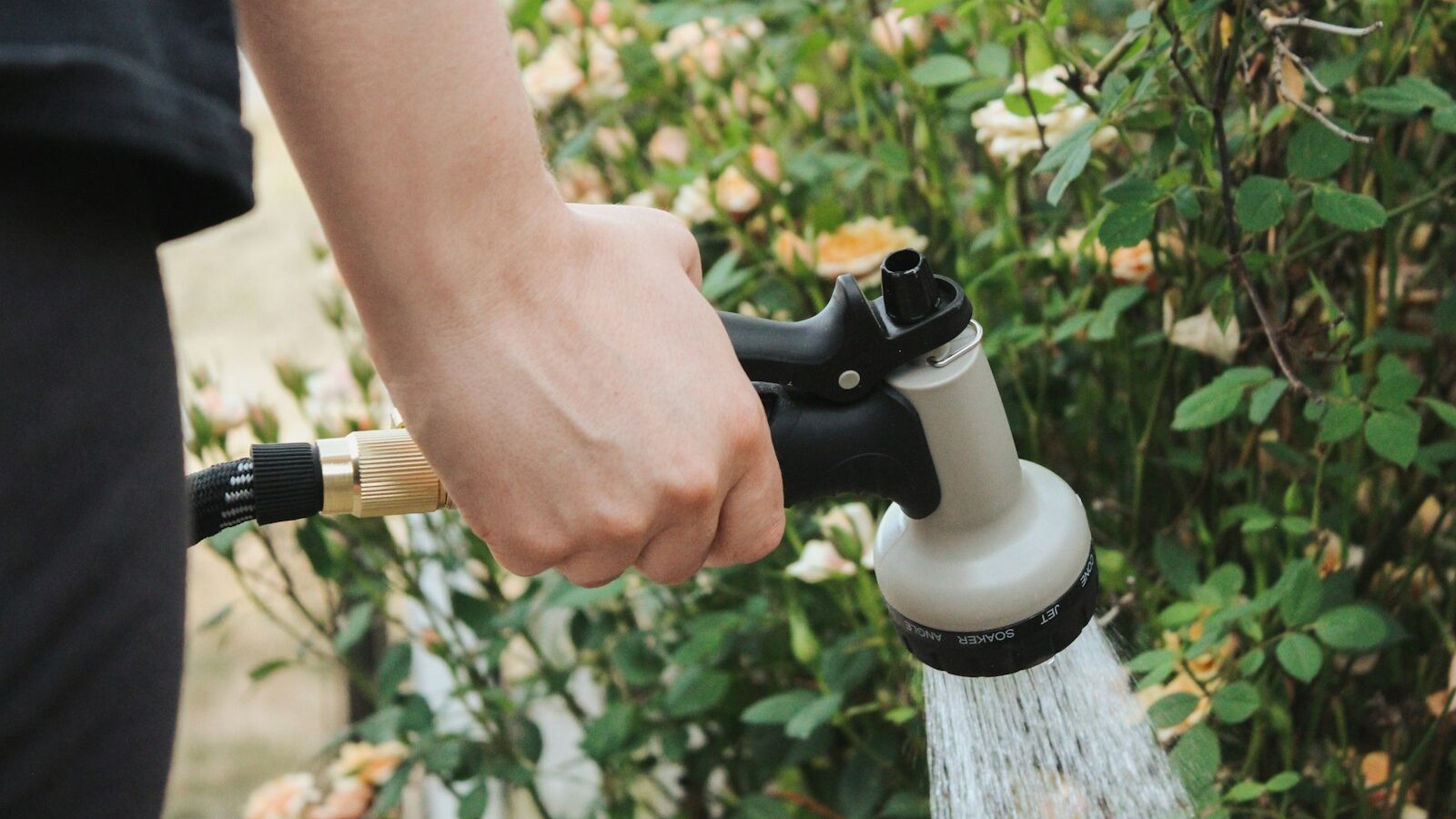
Keeping a garden lush in Singapore means battling relentless tropical heat, sudden downpours, and the simple problem of who waters the planters while you are away on holiday. An automatic watering system takes that daily chore off your hands, delivers the right amount of moisture to the right spot, and keeps green walls, planters, and lawns thriving year-round. This guide walks through how irrigation works in our climate, the main system types, smart controllers, rainwater considerations, typical SGD costs, and how to choose a reliable installer.
Key takeaways
- Automated watering protects plants during travel and the dry stretches between monsoon seasons, when tropical sun can scorch foliage in a single day.
- Drip and micro-spray suit planters, beds, and green walls; pop-up sprinklers suit open lawns on landed properties.
- A smart timer or Wi-Fi controller with a rain sensor prevents overwatering and cuts your PUB water bill.
- Typical residential installs run from about S$800 for a small balcony or planter setup to S$5,000+ for a full landed garden with multiple zones.
- Choosing a vetted, insured irrigation pro who offers servicing keeps the system reliable through clogs, algae, and the wet season.
Why automated watering makes sense in Singapore’s climate
Singapore’s equatorial climate is wonderful for plants and punishing in equal measure. Daytime temperatures sit around 31-34°C, humidity is high, and the sun can be ferocious between showers. Container plants on a west-facing condo balcony or a rooftop terrace can dry out by midday, while a sudden afternoon storm may dump 50mm of rain in an hour. Manual watering struggles to keep up with this swing.
An automated system waters consistently, ideally in the early morning, so plants drink before the heat builds and foliage dries quickly to discourage fungal disease. It also solves the travel problem. Many Singaporean households travel several times a year, and a long weekend in the region or a fortnight abroad is enough to lose a balcony herb garden or stress a mature frangipani.
Where it helps most
- Condo balconies and planter boxes — small zones that dry quickly and are easy to forget on busy mornings.
- Landed gardens — lawns, hedges, and beds that need even coverage across a larger footprint.
- Rooftops and terraces — exposed, windy, and hot, with limited shade and fast evaporation.
- Vertical gardens and green walls — structures where gravity and uneven flow make hand-watering unreliable.
Drip vs sprinkler vs micro-spray
The three main delivery methods each suit different gardens. Most Singapore homes end up combining them across zones. If you want a deeper comparison of the two big families, see our guide on drip vs sprinkler irrigation.
Drip irrigation
Drip lines and inline emitters deliver water slowly to the soil at the root zone. They waste very little to evaporation, keep foliage dry, and are ideal for planters, raised beds, hedges, and potted plants on balconies. The trade-off is that emitters can clog with mineral or algae build-up, so filters and periodic flushing matter in our humid conditions.
Sprinklers
Pop-up and rotary sprinklers throw water over a wide area and are the natural choice for lawns and large open beds on landed properties. They cover ground fast but lose more water to wind and evaporation, and wetting foliage in a humid climate can encourage fungal issues if you water at the wrong time of day.
Micro-spray
Micro-sprayers and misters sit between the two, throwing a fine spray over a small radius. They suit dense planting, ferns, orchids, and shaded courtyards where gentle, broad coverage works better than point-source drip. Misting also helps humidity-loving tropicals on a sheltered terrace.
| Method | Best for | Water efficiency |
|---|---|---|
| Drip | Planters, beds, hedges, pots | Highest |
| Sprinkler | Lawns, large open areas | Lower |
| Micro-spray | Dense planting, ferns, courtyards | Medium |
Watering green walls and planters
Vertical gardens are increasingly popular on Singapore facades, courtyards, and condo common areas, but they are unforgiving to water by hand. Water runs to the bottom, the top rows dry out, and gaps appear within weeks. A dedicated drip system with a horizontal supply line at each tier, fed by a small pump if mains pressure is low, keeps the entire green wall evenly moist.
- Use pressure-compensating emitters so the top and bottom of a tall wall receive the same flow.
- Add a fine filter to protect emitters from clogging, which is the most common green-wall failure here.
- Run shorter, more frequent cycles so water absorbs rather than sheeting down the face.
- For planters, group pots of similar thirst on the same zone so the timer can suit them all.
Smart timers and controllers
The controller is the brain of the system. A basic mechanical or battery tap timer is fine for a single balcony zone, but most gardens benefit from a multi-zone programmable controller. Wi-Fi smart controllers let you adjust schedules from your phone, set different programmes for each zone, and pause watering while it rains.
- Rain sensors automatically skip a cycle after a downpour, which matters during our monsoon months and trims your water bill.
- Soil-moisture sensors water only when the substrate is actually dry, ideal for planters that hold moisture differently.
- Zone scheduling lets a thirsty lawn run longer than a shaded fern bed on the same system.
- App alerts flag leaks or unusually high flow before plants suffer or water is wasted.
Rainwater and water-saving considerations
Singapore receives generous rainfall, so harvesting it for irrigation is worth considering, particularly on landed properties and rooftops. A simple rain barrel can feed a gravity drip line for nearby planters, while larger tanks with a pump can serve a full garden during dry spells. Always fit a first-flush diverter and a screen to keep debris and mosquitoes out, and keep tanks covered to comply with mosquito-control rules.
Even on mains water, a well-tuned system saves money. Watering at dawn, pairing drip with a rain sensor, and zoning by plant need can cut consumption noticeably compared with hose-in-hand watering, which tends to overshoot.
Typical install costs in Singapore
Costs vary with garden size, the number of zones, controller type, and whether a pump or rainwater tank is involved. The figures below are typical ballparks for supply and installation; always confirm with a site quote.
| Setup | Typical cost (SGD) |
|---|---|
| Balcony or single-planter drip with tap timer | S$300 – S$800 |
| Condo terrace, multi-pot drip with smart controller | S$800 – S$2,000 |
| Green wall drip system (per wall) | S$1,200 – S$3,500 |
| Landed garden, multi-zone drip + sprinkler | S$3,000 – S$8,000+ |
| Annual servicing / maintenance visit | S$120 – S$350 |
Browse the full range of options on our irrigation & automated watering service page, or see all Singapore services if you are planning a wider garden refresh.
Get free irrigation quotes in Singapore
Tell us about your garden and we’ll match you with vetted local irrigation pros island-wide. Free, no obligation.
Maintenance in a tropical climate
Heat, humidity, and constant moisture make our climate hard on irrigation hardware. A little upkeep keeps a system running for years.
- Flush drip lines every few months to clear sediment and algae that thrive in warm water.
- Clean or replace filters regularly; clogged filters are the leading cause of dead emitters.
- Check sprinkler heads for blockage and alignment, especially after garden work.
- Replace controller and sensor batteries before they fail mid-holiday.
- Inspect fittings after the monsoon for UV-degraded tubing and loosened connectors.
Planning your zones and schedule
Before any pipe is laid, a good design groups your garden into watering zones based on how thirsty each area is and how much sun it gets. A sun-baked rooftop lawn and a shaded courtyard of ferns should never share the same schedule, because one will be parched while the other drowns. Mapping zones first is what separates a system that quietly works for years from one you are forever adjusting.
- Group by sun and plant type — full-sun beds, shaded planters, lawns, and green walls each deserve their own zone.
- Water at dawn — roughly 6–8am, so plants are hydrated before the heat peaks and foliage dries before nightfall.
- Keep runs short for pots — frequent, brief cycles suit free-draining containers better than one long soak.
- Mind the mains pressure — high-floor condos and rooftops often need a small booster pump for even flow.
Choosing an irrigation pro
A good installer designs the system around your specific plants, pressure, and lifestyle rather than fitting a generic kit. When comparing quotes, look for:
- A site visit and a written, itemised quote with zone layout, not just a lump sum.
- Experience with your garden type, whether that is a green wall, rooftop, or landed lawn.
- Quality, locally serviceable components rather than disposable kit that cannot be repaired.
- A clear warranty and an ongoing maintenance or servicing option.
- Insurance and proper handling of any wall or facade penetrations on condos and landed homes.
Frequently asked questions
How long does an irrigation install take?
A balcony or single-planter setup can be done in a few hours. A multi-zone landed garden with trenching and a smart controller usually takes one to two days, depending on the layout and whether a pump or rainwater tank is added.
Will an automatic system overwater during the monsoon?
Not if it is fitted with a rain or soil-moisture sensor, which skips cycles when the ground is already wet. A Wi-Fi controller also lets you pause watering from your phone during prolonged rain.
Can I water my garden while I’m travelling?
Yes, that is one of the main reasons Singapore households install these systems. Set a schedule before you leave, or use a smart controller to monitor and adjust watering from anywhere, so your plants stay healthy for the whole trip.
Is drip suitable for a green wall?
Drip is the most reliable choice for green walls. Pressure-compensating emitters on a line at each tier keep the top and bottom evenly watered, and a filter prevents the clogging that causes most vertical-garden failures.
How much water will I actually save?
It depends on your previous habits, but drip combined with dawn scheduling and a rain sensor is far more efficient than hand-watering, which tends to overshoot. Many homeowners see a meaningful drop in their PUB water bill alongside healthier plants.