

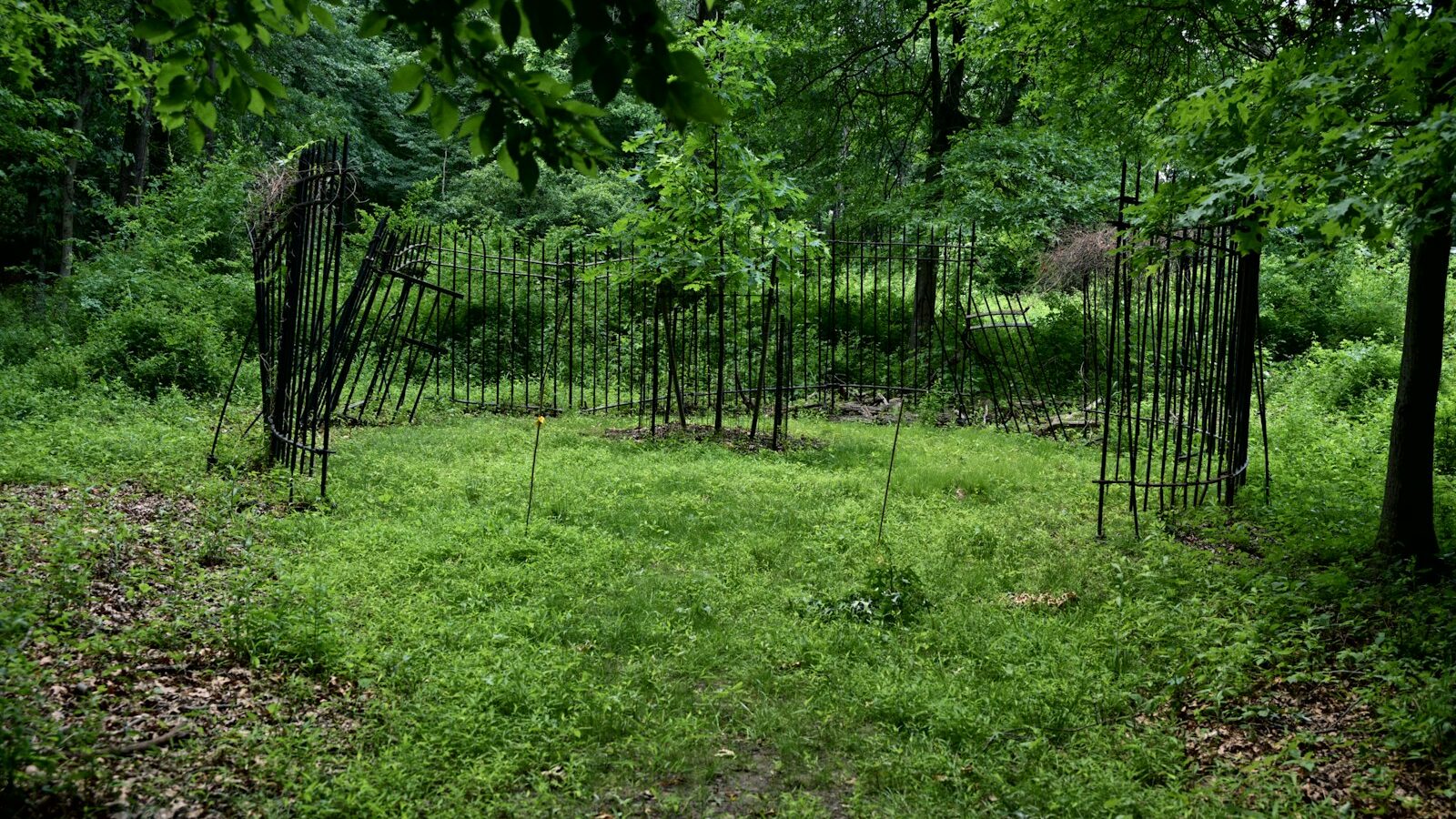
An overgrown garden can take over a landed property faster than most homeowners expect, especially with Singapore’s year-round growing season and frequent downpours. Whether you are preparing to move out, finishing a renovation, or simply reclaiming a jungle of lalang and creepers, a proper garden clearance gets you back to a usable, tidy outdoor space. This guide explains exactly what is involved, how green waste disposal works under local rules, and what a fair price looks like in SGD.
Key takeaways
- Garden clearance covers cutting back, uprooting, debris and soil removal, and proper disposal of green waste, often billed by lorry load or man-hours.
- A typical small landed garden clearance runs around S$300-S$800; larger or heavily overgrown plots can reach S$1,500-S$3,000 or more.
- Green waste must go to licensed disposal points; fly-tipping is an NEA offence with fines that dwarf any disposal saving.
- Pricing depends on access, volume, the mix of soft (leaves, branches) versus hard waste (concrete, soil), and whether stumps need uprooting.
- Always confirm the quote includes disposal and a clear scope, and ask whether the crew is insured before they swing a parang on your property.
What garden clearance actually involves
Garden clearance is more than a tidy-up. A full clearance restores an overgrown or post-works garden to a workable blank slate, which usually means several distinct stages of labour and several types of waste to remove.
The typical scope of works
- Cutting back: mowing tall grass and lalang, trimming hedges, and cutting down overgrown shrubs and unwanted saplings.
- Uprooting: digging out dead plants, root balls, and small stumps so they do not regrow.
- Debris removal: clearing fallen branches, dead leaves, old pots, broken trellises, and renovation offcuts.
- Soil and hard waste: removing excess soil, turf, gravel, or rubble left over from landscaping or building works.
- Disposal: hauling everything to a licensed facility and sweeping the site clean at the end.
Because Singapore’s climate keeps plants growing all year, a garden that has been left for even a few months can swing from manageable to genuinely overgrown. That is why a one-off clearance is often the sensible reset before any new planting or landscaping begins. For ongoing upkeep rather than a one-off reset, our garden maintenance service handles regular mowing and pruning, while heavier overhead work is covered under tree pruning.
When you are most likely to need a clearance
Most clearance jobs in Singapore fall into a handful of recognisable situations, and knowing which one you are in helps you brief a contractor accurately.
- Pre-move clean-ups: tenants and sellers often need a landed garden returned to its original condition before handover, which a tenancy agreement may make a contractual obligation.
- Post-renovation clearances: after extension or A&A works, gardens are frequently buried under cement bags, broken tiles, and churned-up soil.
- Long-neglected plots: properties left empty for months grow over quickly here; creepers, weeds, and self-seeded trees can engulf a fence line in a single monsoon.
- Estate and inherited homes: families clearing an older relative’s property often face decades of accumulated planting and garden clutter.
- Seasonal resets: some owners simply schedule a full clearance once a year to keep the garden manageable.
Green waste rules and disposal in Singapore
Disposal is the part homeowners underestimate most. Garden waste is bulky and heavy, and you cannot simply leave it on a verge or stuff it into a communal bin.
What you need to know
- Use licensed channels: green waste should go through your appointed public waste collector or a licensed general waste collector, who deliver it to approved facilities for processing or incineration.
- Bulky items are separate: large items such as old planters, fencing, or felled trunks usually need a dedicated bulky-waste collection rather than the regular bin.
- No fly-tipping: dumping garden waste on public land, vacant plots, or drains is an offence under NEA regulations and carries substantial fines.
- Keep soil and hard waste apart: soil, rubble, and concrete are not green waste and are charged and disposed of differently, so flag them to your contractor.
- Some waste can be reused: wood chips and composted green waste are recycled locally, and a good contractor may chip branches on site to cut volume.
A reputable clearance service folds all of this into the job. You should never be left wondering where your garden waste ended up, and a clear paper trail protects you as the property owner. If you are clearing a rented landed home, this matters even more, since liability for any illegal dumping can be traced back to the address it came from. When in doubt, ask the contractor which licensed facility they use and keep the quote that confirms disposal is part of the price.
How pricing works
Garden clearance is priced one of two ways, and sometimes a blend of both. Understanding the model helps you compare quotes fairly.
By lorry load
The most common method charges per lorry load of waste removed, which bundles labour, haulage, and disposal into a single figure. It works well when the main cost driver is the sheer volume of debris. Expect a contractor to estimate how many loads your garden will produce after a site visit.
By man-hours
For jobs that are labour-heavy rather than volume-heavy, such as detailed uprooting or working in tight side passages, pricing by man-hours (a crew rate multiplied by time on site) can be fairer. Disposal is then added separately by load.
What pushes the price up
- Poor access, with no driveway or a long carry to the lorry.
- Heavy or wet soil and rubble, which add weight and disposal cost.
- Stumps and large root balls that need digging out.
- Steep or terraced gardens that slow the crew down.
- Tight deadlines around a moving or handover date.
Typical garden clearance costs in Singapore
Prices vary with site conditions, but the table below gives a realistic SGD range for landed-home clearances. Treat these as guide figures and always get an on-site quote before committing.
| Job type | Typical scope | Indicative cost (SGD) |
|---|---|---|
| Small garden tidy / single load | Mowing, light cutting back, one lorry load | S$300 – S$600 |
| Standard landed clearance | Cutting back, some uprooting, 1-2 loads | S$600 – S$1,200 |
| Heavy / overgrown clearance | Dense growth, multiple loads, stumps | S$1,500 – S$3,000+ |
| Post-renovation clean-up | Debris, rubble, soil and green waste mixed | S$800 – S$2,500 |
| Stump removal (per stump) | Digging or grinding out a root ball | S$150 – S$500+ |
| Extra lorry load (disposal) | Additional haulage and tipping fees | S$200 – S$450 |
Soil and hard waste typically cost more to dispose of than soft green waste because of their weight, so a garden full of rubble will sit at the higher end of these ranges.
Get free garden clearance quotes in Singapore
Tell us about your garden and we’ll match you with vetted local pros island-wide. Free, no obligation.
How to choose a reliable clearance service
The cheapest quote is rarely the safest. Garden clearance involves heavy lifting, sharp tools, and waste that must be disposed of legally, so a little vetting goes a long way.
- Insist on a site visit: any contractor quoting blind, without seeing the garden, is guessing and may add charges later.
- Confirm disposal is included: the quote should clearly state that haulage and tipping fees are covered, not billed as a surprise extra.
- Check insurance: ask whether the crew carries public liability and workers’ cover before they start.
- Get the scope in writing: a one-line WhatsApp message is not a contract; list exactly what will be cut, uprooted, and removed.
- Read reviews: look for consistent feedback on punctuality, leaving the site clean, and honouring the quoted price.
- Ask about waste handling: a professional will happily explain where your green waste goes.
Browse all Singapore services if you also need ongoing upkeep, tree work, or landscaping once the clearance is done.
Frequently asked questions
How long does a garden clearance take?
A small tidy can be done in half a day, while a standard landed clearance usually takes a full day. Heavily overgrown plots or jobs with multiple lorry loads and stump removal may run over two days.
Do I need to be home during the clearance?
Not necessarily, but it helps to be present at the start to confirm the scope and at the end to inspect the site. If you cannot be there, agree the scope and access arrangements in writing beforehand.
Can I dispose of garden waste myself to save money?
You can for small volumes, but bulky garden waste needs a licensed collector and approved facility. Dumping it on public land is an NEA offence, and the fines far outweigh any saving. For a full clearance, letting the contractor handle disposal is almost always cheaper and simpler.
What is the difference between green waste and hard waste?
Green waste is organic material such as leaves, grass, and branches, which can be chipped or composted. Hard waste includes soil, rubble, concrete, and old fencing, which is heavier and disposed of differently, so it usually costs more to remove.
Will clearance damage my existing lawn or features?
A careful crew will protect features you want to keep, but you must flag them clearly in advance. Mark out any plants, paving, or irrigation you want preserved before work begins so nothing is removed by mistake.