

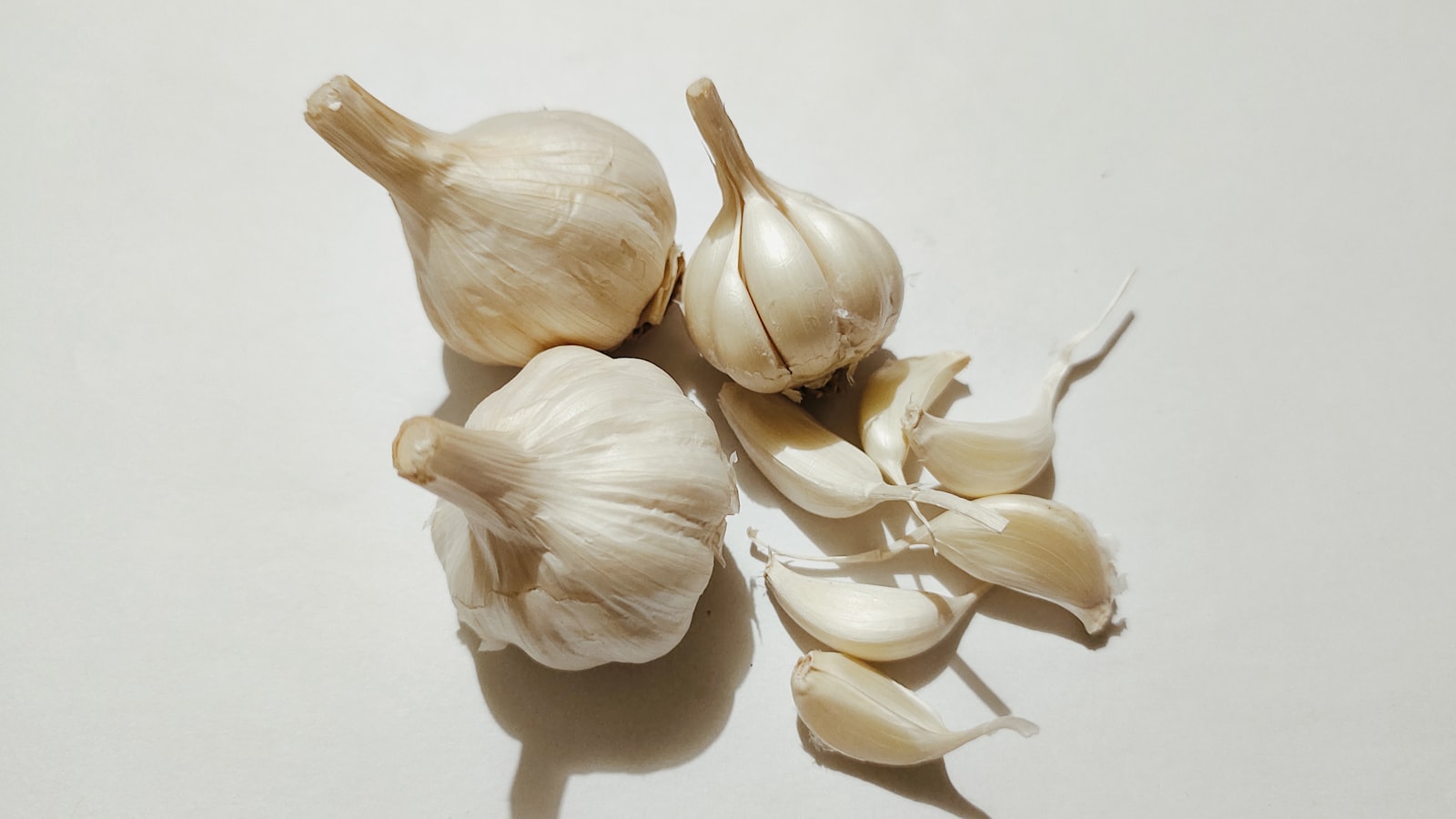
Garlic is one of the easiest crops to keep through the winter, but it punishes two common mistakes hard: storing it before it is cured, and tucking it in the refrigerator. Do either and your bulbs sprout, soften, or turn to gray dust inside weeks. Done right, well-cured hardneck garlic keeps for months and softneck keeps even longer, with enough left over to replant for next year’s crop. This guide covers when to harvest garlic for storage, how to cure it properly, the temperature and humidity it actually wants, the best containers, what shortens its life, and how to set aside cloves for planting.
Key Takeaways
- Harvest when the lower leaves brown but several green leaves remain; each green leaf is a wrapper layer.
- Cure whole bulbs 2-4 weeks in a warm, dry, airy spot before trimming or storing.
- Store at 50-60F in dry conditions (60-70% humidity) with good airflow; never the fridge.
- Use mesh bags, braids, or open baskets; refrigeration makes garlic sprout and go rubbery.
- Softneck keeps 6-9 months and braids well; hardneck keeps 4-6 months. Save the biggest cloves to replant.
When to Harvest Garlic for Storage
Timing the garlic harvest is the difference between tight, long-keeping bulbs and split, short-lived ones. Each green leaf on the plant corresponds to one papery wrapper layer around the bulb, and those wrappers are what protect it in storage. Harvest when the lower few leaves have turned brown and dry but five or six leaves up top are still green. This usually falls in early to midsummer depending on your climate and whether you grew hardneck or softneck.
Wait too long and the wrappers deteriorate and the bulbs start to split open in the ground, exposing the cloves and ruining their keeping quality. Pull too early and the bulbs are small and underdeveloped. When in doubt, dig one test bulb and check that the cloves are plump and well filled. Loosen the soil with a fork rather than yanking by the stem, lift on a dry day, and brush off loose dirt. Do not wash the bulbs and do not knock them around; bruised garlic does not store.
Curing Garlic Before Storage
Like onions, garlic must be cured before it goes into storage. Curing dries the outer wrappers and the neck into a sealed protective layer and lets the bulb finish maturing. Leave the stalks and roots attached and hang the plants in small bundles, or lay them on a rack, in a warm, dry, shaded place with strong airflow. A covered porch, an airy shed, or a garage with a fan all work. Keep them out of direct sun, which can scald the bulbs, and out of the rain.
Cure for two to four weeks. Garlic is ready when the outer skins are papery and dry, the neck is fully dry and tight at the top of the bulb, and the roots have stiffened into bristles. Only then should you trim. Cut the stalk to about an inch above the bulb (or leave it long for braiding softneck), trim the roots close, and gently rub off the dirtiest outer layer, but leave most of the wrappers intact since each one adds protection. For more detail on the drying stage, see our companion guide on how to cure garlic for storage.
Ideal Temperature and Humidity
Cured garlic stores best at 50 to 60F in moderately dry air, around 60 to 70% relative humidity, with good ventilation. A cool, dry pantry, cupboard, or unheated room is ideal. The single most important rule is to keep garlic out of the refrigerator. Fridge temperatures, roughly 35 to 40F, sit squarely in the range that tells a garlic clove to break dormancy and sprout, and the high humidity of the crisper makes the bulbs go soft and rubbery and encourages mold.
Avoid the sprouting danger zone of about 40 to 50F for long storage. Warm kitchen temperatures above roughly 65F are also a problem, drying the cloves out and shortening their life. Damp conditions cause mold and rot. So aim for that cool-but-not-cold, dry-but-not-arid middle ground. Note that garlic wants slightly warmer and drier conditions than the cold, humid environment that root crops like carrots prefer, which is why it should not share a humid root cellar. If you keep several crops, planning the layout of a compact storage area by their temperature and humidity needs pays off.
Best Containers for Storing Garlic
As with onions, airflow is everything. Garlic must breathe and stay dry, so anything sealed will trap moisture and spoil the bulbs. Good choices include:
- Mesh or net bags: simple, breathable, and easy to hang in a cool pantry.
- Braids: softneck garlic, with its flexible stalks, braids beautifully and hangs as both storage and kitchen decor.
- Open baskets or wire racks: a single shallow layer in an airy basket on a cool shelf works fine.
- Terracotta garlic keepers: ventilated clay pots designed to hold a few bulbs on the counter for short-term use.
Avoid sealed plastic bags, lidded containers, and the refrigerator. Do not store garlic submerged in oil at room temperature, which carries a botulism risk; refrigerate any oil-garlic preparation and use it within a few days. Keep the storage spot dark or dimly lit, since bright light can encourage sprouting.
What Shortens Garlic Shelf Life
The usual culprits behind garlic that fails early are easy to avoid once you know them:
Refrigeration and Cold
Cold fridge temperatures trick garlic into sprouting and the damp crisper softens it. This is the number one storage mistake. Keep garlic in a cool, dry room at 50 to 60F instead.
Moisture and Poor Airflow
High humidity and stagnant air cause mold and rot. Storing in plastic or any sealed container traps the moisture the bulb naturally gives off. Use breathable bags or braids in a ventilated spot, and never store garlic that was washed or not fully cured.
Damage and Over-Trimming
Bruised bulbs and those stripped down to bare cloves keep poorly. Leave the wrapper layers on, handle gently, and do not break a head into individual cloves until you are ready to use it; intact heads last far longer than loose cloves.
Shelf Life and Saving Garlic to Replant
Storage life depends on the type. Softneck garlic, the kind sold in grocery stores, is the champion keeper and lasts six to nine months in good conditions; it also braids well thanks to its pliable stalks. Hardneck garlic, prized for its flavor and easy-to-peel cloves, keeps a shorter four to six months because it has fewer wrapper layers. Either way, check bulbs monthly and use any that feel soft, show mold, or have started to sprout green centers.
One of garlic’s best features is that it replants itself. From your stored crop, set aside the largest, healthiest bulbs to plant in fall; bigger cloves grow bigger bulbs. Softneck types in particular are forgiving and well suited to saving and replanting year after year, letting you build a strain adapted to your garden. Keep these seed bulbs whole and in the same cool, dry conditions until planting time, then break them into cloves just before you set them in the ground. Curious how the kept bulbs stack up against fresh ones? Our overview of storing onions covers the same cure-and-keep principles for its close cousin.
Frequently Asked Questions
Should I store garlic in the refrigerator?
No. Refrigerator temperatures around 35 to 40F sit in the range that triggers garlic to sprout, and the humid crisper drawer makes bulbs go soft and moldy. Store cured garlic in a cool, dry, well-ventilated spot at 50 to 60F, such as a pantry or cupboard, using mesh bags or braids.
When is garlic ready to harvest for storage?
Harvest when the lower few leaves have turned brown but five or six upper leaves are still green. Each green leaf equals one protective wrapper layer on the bulb. Wait too long and the bulbs split in the ground and store poorly. Dig a test bulb if unsure and check that the cloves are plump and well filled.
How long does stored garlic last?
Softneck garlic, with more wrapper layers and flexible stalks, keeps six to nine months and braids well. Hardneck garlic keeps a shorter four to six months but offers richer flavor. Both need full curing and cool, dry, airy storage to reach those numbers.
Can I replant garlic from my stored crop?
Yes, and it is one of the best ways to keep a garden going. Set aside the largest, healthiest bulbs from your stored harvest and plant them in fall. Softneck types are especially forgiving to save and replant. Keep seed bulbs whole in cool, dry storage and break them into cloves only at planting time.
Why is my stored garlic sprouting or going soft?
Sprouting usually means the storage spot is too cold (often the fridge) or in the 40 to 50F danger zone. Softness and mold point to too much humidity or poor airflow, frequently from storing in plastic or before curing. Move garlic to a cool, dry, ventilated place at 50 to 60F in breathable containers.