

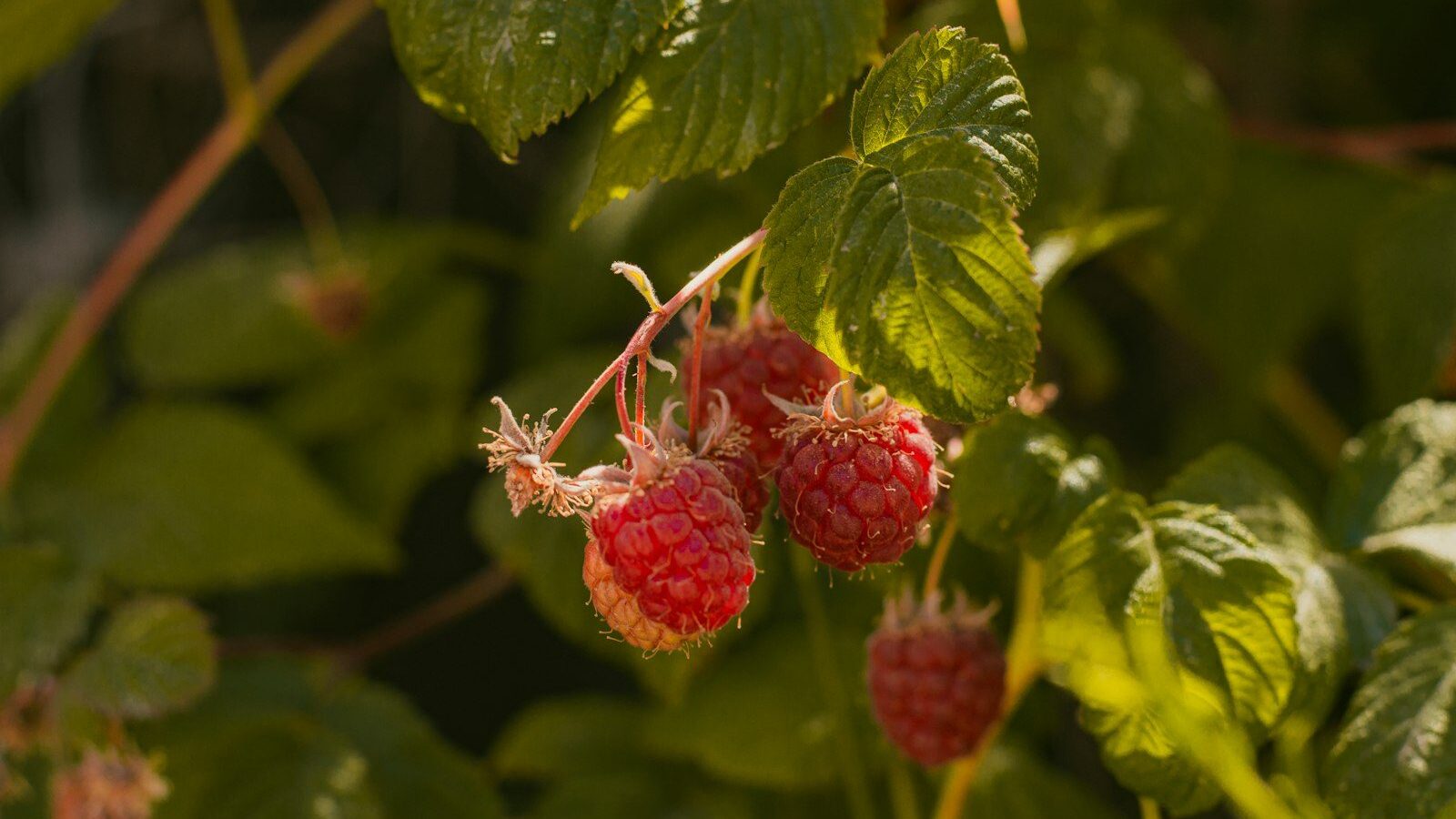
Pruning is the single most important thing you can do for a raspberry patch, and it’s also where most home growers go wrong. Cut the wrong canes and you’ll wipe out next year’s crop; never prune at all and the patch collapses into a tangled, disease-prone thicket that fruits poorly. The whole secret is understanding that raspberry roots are perennial but the canes are biennial — and that the two main types, summer-bearing and everbearing (fall-bearing), are pruned in completely different ways. Get the type right and the timing right, and pruning becomes simple and even satisfying. This guide walks through how raspberry canes grow, how to identify your type, exactly how and when to prune each, and the common mistakes that cost people their harvest.
Key Takeaways
- Know your type: summer-bearing fruits once on second-year canes; everbearing fruits in fall on first-year canes.
- Canes are biennial: first-year canes are primocanes; second-year fruiting canes are floricanes.
- Summer-bearing: after harvest, cut spent fruited canes to the ground; keep the strongest new green canes.
- Everbearing (easy way): mow or cut the entire patch to the ground in late winter for one big fall crop.
- Always remove: dead, damaged, diseased, and spindly canes, plus suckers wandering out of the row.
- Thin canes to about 4–6 strong canes per foot of row and trellis them for airflow.
- Biggest mistake: cutting the wrong canes — never remove this year’s fruiting canes before they crop.
How Raspberry Canes Grow (and Why It Matters)
You can’t prune raspberries correctly without understanding their growth habit. The root system and crown live for years, but each individual cane lives only two seasons. A cane that emerges this year is called a primocane: in its first year it’s a green, leafy, non-fruiting (in summer types) shoot. The next year that same cane turns woody and brown and is called a floricane, and it’s the floricane that bears the main summer crop. After a floricane fruits, it dies — it will never produce again. New primocanes emerge from the ground every year to replace it.
This two-year cycle is the entire logic behind raspberry pruning: your job is to remove the spent dead floricanes and the weak excess canes while protecting the canes that will fruit next. The catch is that the two raspberry types use this cycle differently, which is why identifying your type is step one.
Summer-Bearing vs. Everbearing: Identify Your Type
Summer-bearing (floricane-fruiting) raspberries produce one concentrated crop, usually in early-to-mid summer, on second-year floricanes. The primocanes grow all season but don’t fruit until the following year. These are the classic raspberries and include many red and most black and purple varieties.
Everbearing raspberries — also called fall-bearing or primocane-fruiting — are the ones that confuse people. Their primocanes fruit in their very first fall, at the top portion of the cane. If you leave those canes standing, the same canes will fruit again lower down the following summer, giving you two smaller crops. Or you can prune them for a single, larger, easier fall crop (more on that below). If you’re not sure which you have, watch the timing: a patch that fruits only in summer is summer-bearing; one that fruits in late summer or fall, especially on brand-new canes, is everbearing. When in doubt, the variety name on your original plant tag will tell you. Knowing the difference is as fundamental to raspberries as understanding sun and drainage is to the rest of your edible landscape and garden beds.
How to Prune Summer-Bearing Raspberries
Summer-bearing raspberries get pruned in two passes a year. The main, essential pruning happens right after the summer harvest finishes.
- Right after harvest, remove the spent floricanes. The canes that just fruited are now dying and will never bear again. Cut them all the way down to ground level. They’re easy to spot — woody, brown, often with the dried remains of fruit clusters, and they’ll start looking ragged. Removing them immediately opens up the patch and reduces disease.
- Keep the best primocanes. The green new canes that grew this season are next year’s crop. Leave the strongest, healthiest ones standing.
- Thin the new canes in late winter or early spring. Before growth resumes, thin the remaining canes to the strongest 4 to 6 per foot of row, removing thin, weak, or crowded ones. Good spacing improves airflow, light, and fruit size.
- Tip the canes (optional). Shorten the tall remaining canes to a manageable height, often about 4 to 5 feet or to the top of your trellis. This encourages side branching and keeps fruit reachable.
The mental model: after harvest you’re cutting out the old and keeping the new; in late winter you’re thinning that new growth down to a productive number of strong canes.
How to Prune Everbearing (Fall-Bearing) Raspberries
Everbearing raspberries can be pruned two ways, and you choose based on how many crops you want.
The easy method: one big fall crop
This is the simplest pruning job in all of fruit growing and the method most home gardeners should use. In late winter or very early spring, while the plants are fully dormant, cut the entire patch down to the ground — every cane, mowed or sheared off at soil level. That’s it. New primocanes will surge up in spring and produce a single, heavy, high-quality crop in late summer and fall. You sacrifice the small early-summer crop, but you gain a bigger fall harvest, a tidier patch, fewer disease problems, and a pruning routine you literally cannot get wrong. Just be sure to cut everything to the ground and do it before new growth starts.
The two-crop method
If you want both a fall crop and a smaller early-summer crop, prune like a summer type but in stages. After the fall harvest, cut back only the top portion of each cane that already fruited (the dead tips), leaving the lower part standing. That lower portion will produce a summer crop the next year. After that summer crop, cut those now-spent canes to the ground, and continue keeping the new primocanes for the following fall. This doubles your pruning work and the patch is harder to keep tidy, which is why most people prefer the single-crop mow-down method.
Routine Maintenance for Any Raspberry Patch
Regardless of type, a few maintenance pruning tasks apply every year. Remove any cane that’s dead, broken, diseased, or weedy-looking the moment you see it — diseased canes (look for cankers, wilting, or odd discoloration) should be cut out and removed from the garden, not composted, to stop the spread. Pull or dig the suckers that wander out of the row into your paths; raspberries spread aggressively by root suckers, and an unmanaged patch quickly becomes a thicket. Keeping the row narrow — ideally no more than 12 to 18 inches wide — dramatically improves airflow, light penetration, and harvest access.
Always prune with clean, sharp tools, and disinfect them if you’ve been cutting diseased canes. A trellis or two-wire support system makes a huge difference: it holds canes upright, keeps fruit off the ground, and improves airflow that prevents fungal disease. Wear long sleeves and gloves — raspberry canes are thorny — and prune on a dry day so cut surfaces and the soil aren’t damp, which reduces disease entry. These airflow-and-sanitation principles carry over to pruning across the garden, including the shrubs and trees in our other outdoor living and landscaping guides.
Common Pruning Mistakes to Avoid
The most damaging mistake is cutting the wrong canes — removing this year’s fruiting canes before they crop because you mistook them for old wood. On summer types, never cut the green primocanes you’re keeping for next year, and only remove floricanes after they’ve fruited. Learn to tell first-year green canes from second-year brown woody ones before you start cutting.
Other frequent errors: not pruning at all, which leads to a tangled, unproductive, disease-ridden mass; leaving spent floricanes standing, which harbors pests and disease and wastes the plant’s energy; failing to thin, so too many crowded canes produce small berries and poor airflow; and pruning everbearers at the wrong time — if you want the easy single fall crop, you must cut to the ground in dormancy, not mid-season. Finally, don’t leave long stubs or jagged cuts that invite rot; cut spent canes cleanly right at ground level. Master the type and timing, and raspberry pruning rewards you with bigger, healthier, easier-to-pick harvests year after year.
Frequently Asked Questions
When should I prune raspberries?
Summer-bearing types get their main pruning right after the summer harvest (remove spent canes), plus a thinning in late winter. Everbearing types are easiest cut to the ground in late winter or early spring while fully dormant for one big fall crop. Always do major cutting before new growth starts.
Do I cut raspberry canes to the ground?
It depends on the cane and type. Spent floricanes that have already fruited should always be cut to the ground. For everbearing raspberries grown for a single fall crop, you cut the entire patch to the ground each dormant season. But never cut healthy primocanes you’re keeping for next year’s crop.
How do I tell summer-bearing from everbearing raspberries?
Watch when and where they fruit. Summer-bearing types produce one summer crop on second-year woody canes. Everbearing (fall-bearing) types fruit in late summer or fall on brand-new first-year canes. If unsure, check the variety name on your plant tag.
What happens if I don’t prune my raspberries?
The patch becomes an overcrowded, tangled thicket of old dead canes and aggressive suckers. Airflow drops, disease and pests build up, berries shrink, and yields decline sharply. Annual pruning is essential for healthy, productive raspberries.
How many raspberry canes should I keep per foot of row?
Thin to about 4 to 6 strong, healthy canes per foot of row, removing thin, weak, damaged, or crowded ones. Keeping the row narrow and the canes well spaced improves airflow, light, berry size, and harvest access.
Once you internalize the biennial cane cycle and identify whether you have summer-bearing or everbearing raspberries, pruning stops being intimidating. Cut spent floricanes to the ground after they fruit, thin and tip the new canes in late winter, and for everbearers consider the foolproof mow-it-all-down approach for one heavy fall crop. Keep the row narrow, remove anything dead or diseased, trellis for airflow, and avoid the cardinal sin of cutting next year’s canes — and your patch will reward you with abundant berries for years.