

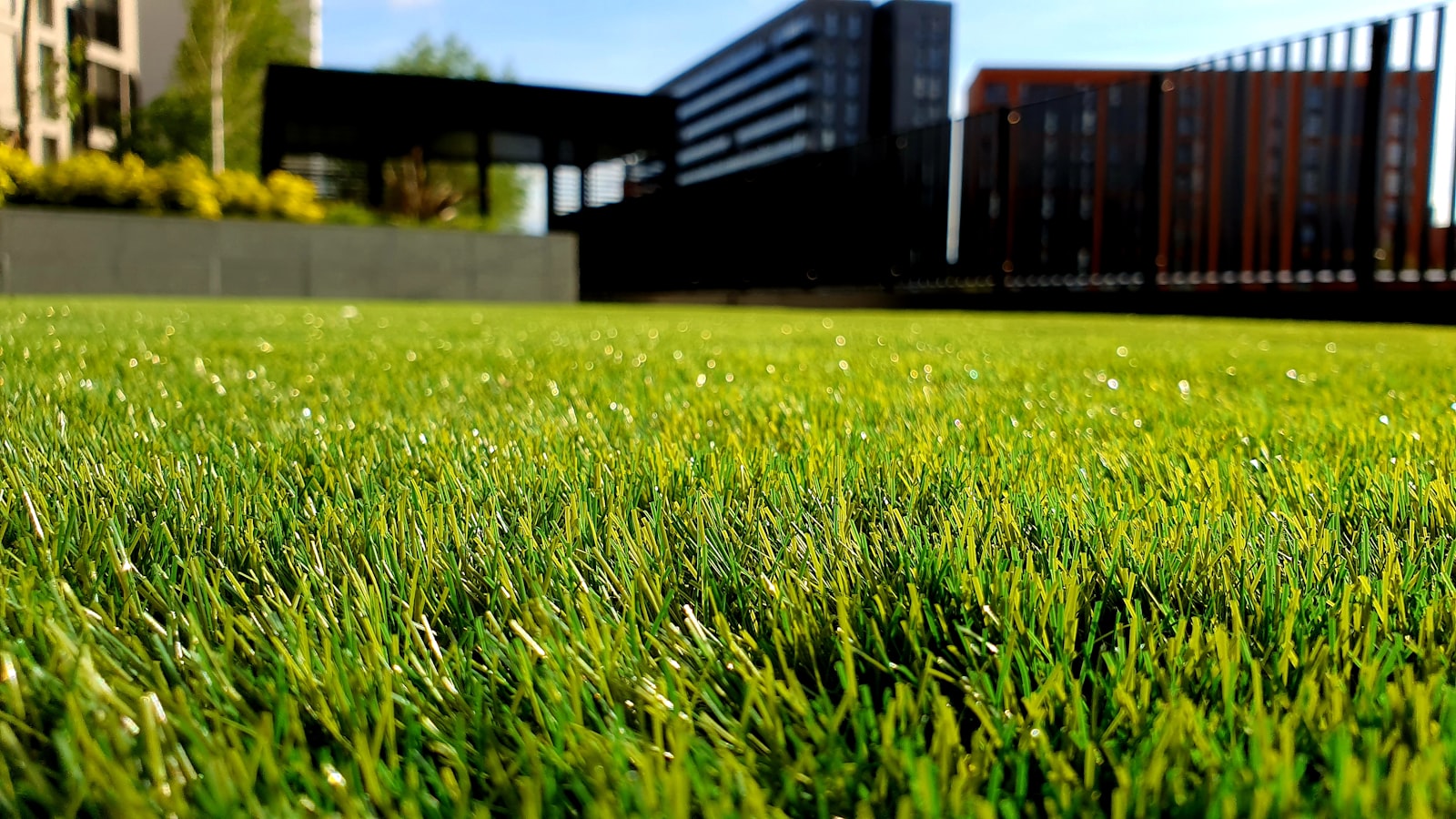
When the temperature climbs, your lawn shifts from rapid spring growth into survival mode. The good news: keeping grass green through summer is less about doing more and more about doing the right things less often. This guide walks you through smart summer mowing, watering, and weed strategies for both cool-season and warm-season lawns across the US.
Key takeaways
- Mow higher in summer for deeper roots & shade
- Water deeply & infrequently, early morning
- Leave clippings (grasscycling) to feed the lawn
- Cool-season dormancy in heat is normal
- Avoid heavy fertilizing & harsh herbicides in extreme heat
As an Amazon Associate we earn from qualifying purchases.
Summer lawn care is the seasonal follow-up to your spring lawn care guide routine. Where spring is about feeding and recovery, summer is about resilience and protection. For the bigger picture on how your lawn fits into your yard, see our outdoor living guide.
Mow Higher and Keep the Blade Sharp
The single most powerful summer lawn habit is also the simplest: raise your mowing height. Taller grass develops deeper roots, which reach moisture lower in the soil and ride out heat far better than shallow-rooted, closely cut turf. Longer blades also shade the soil surface, reducing evaporation and crowding out weed seeds that need sunlight to sprout.
Target heights by grass type
- Cool-season grasses (tall fescue, Kentucky bluegrass, perennial ryegrass): 3 to 4 inches in summer.
- Warm-season grasses (bermuda, zoysia, St. Augustine, centipede): raise about half an inch above your spring height.
- Follow the one-third rule: never remove more than a third of the blade in a single mow.
A dull blade tears grass instead of slicing it, leaving ragged tips that brown out and invite disease, exactly what you don’t want in heat-stressed turf. Sharpen at least once or twice per season. A simple mower blade sharpener handles this in minutes. Not sure about timing between cuts? Our guide on how often to mow your lawn breaks it down by season and growth rate.
Water Deeply and Infrequently, Early in the Morning
Frequent shallow watering trains roots to stay near the surface, where they bake in summer heat. Instead, water deeply but less often so moisture soaks 6 to 8 inches down, encouraging roots to follow it. Most lawns need about 1 to 1.5 inches of water per week, including rainfall.
How to water smarter
- Time it for early morning (before 9 a.m.) so blades dry quickly and you lose less water to evaporation.
- Avoid evening watering, which leaves grass damp overnight and encourages fungal disease.
- Use the tuna-can test: place a shallow can on the lawn and run sprinklers until it collects about an inch.
- Water 2 to 3 times per week rather than a little every day.
An oscillating sprinkler on a timer makes deep early-morning watering effortless. For a full walkthrough of timing, depth, and runoff, read how to water your lawn.
Free, no-obligation quote · Connect with a local pro
Grasscycle: Leave the Clippings
Bagging clippings every mow throws away free fertilizer. Grasscycling, leaving clippings on the lawn, returns nitrogen, moisture, and organic matter to the soil. Done right, it can supply up to a quarter of your lawn’s annual nitrogen needs and helps shade the soil during heat.
- Clippings break down within days and do not cause thatch (thatch comes from roots and stems, not blade tips).
- Mow when grass is dry so clippings spread evenly instead of clumping.
- A mulching mower or mulching blade chops clippings finer for faster breakdown.
- Mow often enough that you’re removing short clippings, not long windrows.
Cool-Season Dormancy Is Normal
If you have a cool-season lawn in a hot climate and it turns tan and crunchy in midsummer, don’t panic, that’s dormancy, not death. Cool-season grasses evolved to slow down and protect their crowns during heat and drought, then green back up when temperatures cool and rain returns.
Caring for a dormant lawn
- Pick a lane: either keep it actively green with consistent deep watering, or let it go dormant, but don’t flip back and forth, which stresses the grass.
- If dormant, give it about a half inch of water every 2 to 3 weeks to keep the crowns alive without forcing growth.
- Stay off it as much as possible; dormant turf is fragile and recovers slowly from traffic.
- Don’t fertilize dormant grass, you’ll only stress it further.
A healthy dormant lawn typically bounces back within a few weeks of cooler, wetter weather in early fall.
Spot-Treat Weeds (Skip Herbicides in Extreme Heat)
Summer weeds like crabgrass, spurge, and nutsedge thrive when stressed lawns thin out. The best defense is a thick, tall lawn that shades them out. When weeds do appear, spot-treat rather than blanket-spraying the whole yard.
- Avoid herbicides when temperatures top about 85°F. Heat causes many products to volatilize, damage desirable grass, and work poorly.
- Hand-pull young weeds after watering, when soil is soft and roots release easily.
- Spot-spray on cooler mornings if you must, and follow label temperature limits exactly.
- Mow high, the most effective season-long weed control there is.
Watch for Grubs and Disease
Summer is prime time for two hidden lawn threats: grubs and fungal disease. Catching them early keeps small problems from becoming bare patches.
Grubs
- Look for irregular brown patches that lift like loose carpet, and increased digging by birds, skunks, or raccoons.
- Pull back the sod, more than about 5 to 10 grubs per square foot warrants treatment.
- Healthy, deep-rooted turf tolerates light grub pressure without intervention.
Disease
- Brown patch, dollar spot, and similar fungi flare in hot, humid weather, especially on overwatered lawns.
- Water in the morning, improve airflow, and avoid excess nitrogen to reduce risk.
- Don’t mow wet, diseased grass, you’ll spread spores across the lawn.
Surviving Drought and Watering Restrictions
During drought or municipal watering bans, the goal shifts from a lush lawn to a living one. Most established lawns can survive weeks of dormancy with minimal water as long as the crowns stay alive.
- Raise the mower to the top of your range to maximize shade and root depth.
- Reduce traffic and skip any fertilizing, both push thirsty new growth.
- Prioritize survival watering: a half inch every couple of weeks keeps dormant turf alive.
- Leave clippings to conserve soil moisture.
- Consider summer lawn fertilizer formulated for warm-season grasses only once conditions improve, never on dormant or drought-stressed turf.
Free, no-obligation quote · Connect with a local pro
What NOT to Do in Summer
A few common mistakes can undo all your careful work. Avoid these and your lawn will thank you.
- Don’t heavily fertilize cool-season lawns. Pushing growth in heat stresses the grass and can burn it; save the feeding for fall.
- Don’t scalp. Cutting too low removes the shade and root reserves your lawn needs most.
- Don’t water at night. Overnight moisture invites fungal disease.
- Don’t apply herbicides in extreme heat. They damage turf and work poorly.
- Don’t bag every clipping. You’re throwing away free nitrogen and soil-cooling mulch.
- Don’t mow on a stressed schedule. Mow in the cooler morning or evening, never at peak afternoon heat.
Frequently asked questions
How tall should I mow my lawn in summer?
Raise cool-season grasses to 3 to 4 inches and warm-season grasses about half an inch above their spring height. Taller grass shades the soil and grows deeper roots that handle heat far better.
How often should I water my lawn in the heat?
Water deeply 2 to 3 times per week, early in the morning, aiming for about 1 to 1.5 inches total including rain. Deep, infrequent watering beats a little every day.
My cool-season lawn turned brown, is it dead?
Probably not. Cool-season grasses go dormant in summer heat to protect their crowns. Give it a half inch of water every 2 to 3 weeks and it should green up when cooler, wetter weather returns.
Should I leave grass clippings on the lawn?
Yes. Grasscycling returns nitrogen and moisture to the soil and does not cause thatch. Mow when the grass is dry so clippings spread evenly instead of clumping.
Can I spray weeds in summer?
Spot-treat only, and avoid herbicides when temperatures exceed about 85°F, since heat causes them to damage grass and work poorly. Hand-pulling after watering is safer in extreme heat.
Want a pro to care for your lawn?
Compare free, no-obligation quotes from vetted local lawn care pros near you.