

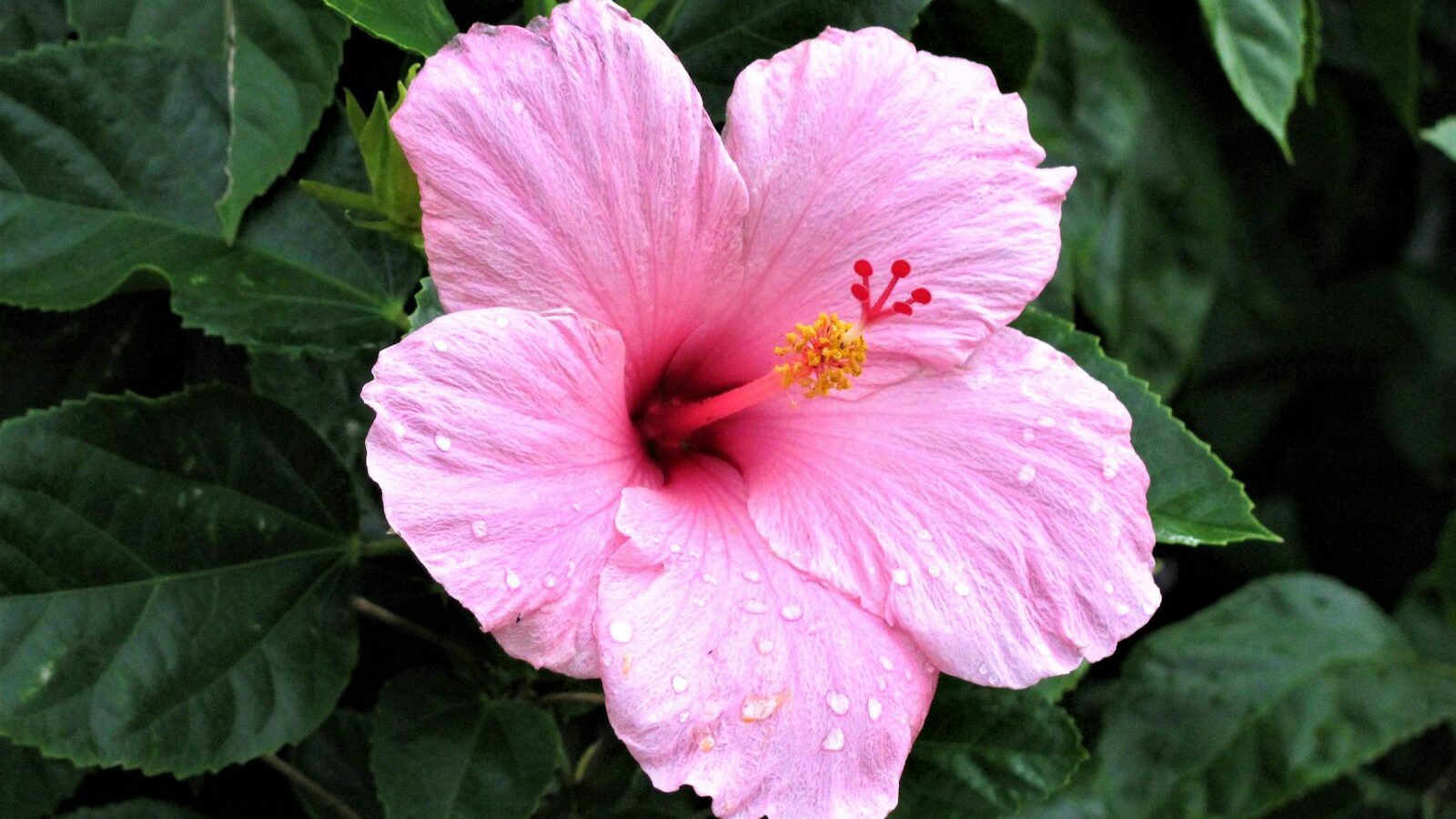
To grow perennial hibiscus (Hibiscus moscheutos, commonly called rose mallow or hardy hibiscus), plant it in full sun in consistently moist, rich soil, give each plant three to four feet of room, and then be patient in spring because it is one of the last perennials to wake up. This is a fully cold-hardy plant for USDA zones 4 or 5 through 9 that produces flowers the size of a dinner plate from mid-to-late summinto fall, then dies completely to the ground every winter and resprouts from the roots the following year. If you understand those two quirks the dramatically late emergence and the total winter dieback you have already solved the two problems that make new growers think their plant is dead. Everything else is straightforward, and the payoff is some of the largest, most spectacular blooms you can grow in a temperate garden.
Key Takeaways
- Hardy, not tropical: Rose mallow survives winter in USDA zones 4/5 through 9 it is a true perennial, unlike tropical hibiscus.
- Dinner-plate blooms: Flowers commonly reach 8 to 12 inches across, opening from mid-to-late summer into fall.
- Wakes up very late: New shoots may not appear until late May or June. The plant is not dead, just slow to break dormancy.
- Loves wet feet: It thrives in moist to soggy soil, making it ideal for rain gardens and pond edges.
- Cut it down each winter: The plant dies back to the ground and resprouts from the crown every spring.
- Full sun is non-negotiable: Give it at least six hours of direct sun for the strongest stems and the most flowers.
What Perennial Hibiscus Actually Is
The plant most American gardeners call perennial hibiscus, hardy hibiscus, or rose mallow is Hibiscus moscheutos and its many hybrids. It is a herbaceous perennial native to wetlands, marshes, and riverbanks across much of the eastern and central United States. That native habitat tells you almost everything you need to know about how to grow it: it wants sun, it wants water, and it does not mind heavy soil. This is a completely different plant from the tropical Chinese hibiscus (Hibiscus rosa-sinensis) sold as a flowering houseplant or patio specimen. Tropical hibiscus dies at the first hard frost and has glossy, evergreen leaves. Hardy hibiscus shrugs off temperatures well below zero, has matte green or burgundy foliage, and disappears entirely each winter.
The reason people fall in love with rose mallow is the flower. A mature plant produces blooms that routinely measure 8 to 12 inches across, in shades of white, pink, rose, red, and bicolor combinations, very often with a dramatic crimson eye at the center. Modern breeding has also given us compact varieties with deep maroon or near-black foliage, so the plant earns its keep even before the first flower opens. A single rose mallow can grow into a rounded shrub-like mass three to five feet tall and nearly as wide in one season, then vanish and rebuild itself the next, which still amazes me every June.
Hardiness Zones and Climate
Hibiscus moscheutos is rated for USDA hardiness zones 4 or 5 through 9, depending on the cultivar. The species and most named hybrids are reliably perennial down to zone 4 (roughly minus 30 degrees Fahrenheit), and some are pushed into colder zones with mulch protection. Because the plant dies to the ground anyway, the part that needs to survive winter is the underground crown and root system, which is naturally well insulated by soil. This is why a plant that looks delicate in summer can sail through a brutal winter unharmed.
Heat is rarely a problem rose mallow loves hot, humid summers, which is exactly when it blooms hardest. The real climate consideration is the length of your growing season. Because the plant emerges so late and does not bloom until mid-to-late summer, gardeners in the very coldest zones (3 and the colder edge of 4) sometimes find the show cut short by an early fall frost. In those areas, choose early-blooming compact hybrids rather than the towering species types, and site the plant in the warmest, sunniest spot you have, such as against a south-facing wall. Pair it with reliably tough companions like the ones in our guide to drought-tolerant and hardy perennials if you want a low-fuss bed.
When, How Deep, and How Far Apart to Plant
Plant perennial hibiscus in spring after your last frost, once the soil has warmed. Spring planting gives the roots a full season to establish before winter. You can plant in early fall in mild zones (7 and warmer), but in colder regions a fall-planted hibiscus may not root deeply enough to survive its first winter, so spring is the safer bet. Container-grown nursery plants are the easiest way to start, and they are usually sold in active growth so you can see exactly what you are buying.
Dig a hole as deep as the root ball and about twice as wide. Set the plant so the crown the point where the stems meet the roots sits at the same level it was in the pot, never buried deeper. Planting too deep invites crown rot. Backfill with the native soil amended with a generous helping of compost, firm it gently, and water thoroughly to settle the roots and eliminate air pockets.
Spacing matters more than beginners expect because these plants get big. Give full-size varieties three to four feet of space on all sides; even compact cultivars want at least two feet. Crowded plants get less airflow, which encourages fungal leaf spot, and they compete for the moisture rose mallow craves. When you set them out, picture the mature footprint, not the modest nursery pot. It is far easier to fill the gap with annuals the first season than to dig up and move an established hibiscus later.
Sun, Soil, and Water
Give perennial hibiscus full sun, meaning at least six hours of direct light per day, and preferably more. Sun drives flower production and keeps the stems strong and upright. In too much shade the plant stretches, flops, and produces far fewer of those signature blooms. A little afternoon shade in the hottest southern climates is tolerable, but err toward more sun rather than less.
Soil is where rose mallow breaks the usual perennial rules. Most garden plants demand sharp drainage; this one wants the opposite. As a native wetland plant, it thrives in soil that stays consistently moist and even tolerates standing water and periodic flooding. That makes it a star performer at the edge of a pond, in a low spot that puddles after rain, or in a purpose-built rain garden where downspout runoff collects. Rich, fertile soil with plenty of organic matter produces the biggest plants and the largest flowers, so work compost in at planting and top-dress annually.
Water is the single biggest lever you have over flower size. Hibiscus moscheutos is not drought-tolerant in any meaningful way; let it dry out and the lower leaves yellow and drop, buds abort before opening, and the whole plant sulks. During the heat of summer, aim to keep the root zone evenly moist, watering deeply two or three times a week in the absence of rain, more for plants in containers or sandy soil. A two-to-three-inch layer of mulch over the root zone conserves moisture, moderates soil temperature, and reduces your watering chores considerably.
The Late-Spring Emergence Quirk Do Not Panic
This is the section that saves the most plants, so read it twice. Perennial hibiscus is notoriously, almost comically slow to break dormancy in spring. While your daffodils have finished and your hostas are fully unfurled, the spot where your hibiscus lives may show nothing but bare soil. Many gardeners assume the plant died over winter, dig it up, and discard a perfectly healthy crown that was simply waiting for the soil to warm.
New shoots typically do not appear until late spring, often not until late May or even into June in cooler climates, well after most other perennials are growing strongly. The plant is responding to soil temperature, and it wants genuinely warm ground before it commits to new growth. The practical takeaway: mark the location of every hibiscus with a tag or stake in fall so you do not accidentally dig into the crown or plant something on top of it. Then leave the spot alone in spring and resist the urge to declare it dead. If you must check whether a plant survived, gently scratch the crown with a fingernail; living tissue is firm and pale green or white inside, while a truly dead crown is brown, soft, and mushy. In nine cases out of ten, that bare-looking patch is very much alive.
Bloom Timing and What to Expect
Because it emerges so late, perennial hibiscus is a late-season performer, and that is part of its charm it arrives just as many early summer perennials are fading. Expect the first buds to swell in mid-summer, with peak flowering running from mid-to-late summer through early fall. In many gardens the show stretches from July or August right up until the first hard frost knocks the plant down.
Each individual flower is fleeting, typically lasting only a day or two before fading, but a healthy plant produces them in such relentless succession that the display feels continuous for weeks. There is no need to deadhead for the plant’s health; spent blooms drop on their own and new buds keep forming along the upper stems. Some growers snip the developing seed pods to keep the plant tidy and channel a little more energy into flowering, but this is optional. First-year plants from small pots may bloom only modestly or wait until their second summer to put on a real show, so judge a young plant gently. By its second or third year, an established rose mallow becomes the undeniable centerpiece of the late-summer border.
Winter Dieback and Cutting Back
Perennial hibiscus is herbaceous, which means the entire top of the plant dies back to the ground every winter while the roots stay alive below. After the first hard freeze, the stems and leaves blacken, brown, and collapse. This is completely normal and expected it is not a sign of disease or that you did anything wrong. The plant is simply retreating to its root system to wait out the cold, exactly as it has done in its native marshes for millennia.
You have two reasonable options for the dead stems. You can cut them down to about four to six inches above the ground in late fall once they have died, which keeps the bed tidy. Or you can leave the woody stems standing through winter both as a marker of where the plant lives and to provide a little extra crown protection and habitat for beneficial insects then cut them back in early spring before new growth emerges. I usually leave a few inches of stubble as a visible flag so I do not forget the plant is there during its long spring sleep. Whichever you choose, a fresh layer of mulch over the crown after the ground freezes adds insurance in the colder end of the plant’s range.
Feed established plants in spring as they emerge and again in early summer with a balanced fertilizer, or rely on an annual compost top-dressing if you garden organically. Because rose mallow builds an enormous amount of growth in a single season, it appreciates steady nutrition, but avoid heavy doses of high-nitrogen fertilizer, which pushes lush leaves at the expense of flowers and softens stems so they flop.
How to Propagate Rose Mallow
You can multiply perennial hibiscus several ways. The simplest for the home gardener is division, but it is also the most demanding because of the plant’s woody, fibrous crown. Divide in spring just as new shoots appear, lifting the entire clump and using a sharp spade or knife to cut the crown into sections, each with several buds and a good share of roots. Replant the divisions immediately at the same depth and water well. Expect divisions to take a year to fully recover before they bloom heavily again.
Stem cuttings taken from soft new growth in late spring or early summer root readily in moist potting mix under humid conditions, giving you clones of a favorite hybrid. Seed is easy too the species and many open-pollinated types germinate freely if seed is collected from the dried pods, scarified, and sown but seedlings will not come true to a named hybrid and may vary in color and size. For a specific cultivar, stick with division or cuttings. If you enjoy this kind of low-cost expansion, you will appreciate the propagation tips in our guide to growing sea thrift from seed and division, which uses similar techniques.
Pests and Common Problems
Rose mallow is robust, but a few specific pests find it irresistible. Japanese beetles are the most visible offenders, skeletonizing the leaves and chewing ragged holes in petals during their summer flight. Hand-picking beetles into a jar of soapy water in the early morning, when they are sluggish, is the most effective non-chemical control for a few plants; for larger infestations, focus on the long-term strategy of managing grubs in your lawn and accepting some cosmetic damage.
The hibiscus sawfly is the other classic culprit, and it is sneakier. Its small greenish larvae feed on the undersides of leaves and can reduce foliage to lace seemingly overnight, often before you notice the adults. Check leaf undersides regularly through summer, knock larvae off with a strong jet of water, or treat with insecticidal soap or spinosad if populations explode. Aphids and whiteflies occasionally appear on tender new growth and usually yield to a blast of water or insecticidal soap.
Beyond insects, the most common complaints are cultural. Yellowing lower leaves and dropped buds almost always signal that the plant got too dry water more consistently. Few flowers usually means not enough sun or too much nitrogen. Flopping stems point to shade, overfeeding, or wind exposure; the largest varieties may need a discreet stake or grow-through support in an open site. Fungal leaf spots can appear in humid conditions on crowded plants, so honor the spacing guidelines and water at the base rather than overhead. Address these basics and perennial hibiscus is one of the most rewarding, lowest-fuss giants you can put in the ground.
Frequently Asked Questions
Why has my perennial hibiscus not come up in spring?
It is almost certainly fine. Hardy hibiscus is one of the last perennials to break dormancy and often shows no growth until late May or June, well after everything else is up. Scratch the crown with a fingernail; if the tissue is firm and pale inside, the plant is alive and simply waiting for warm soil.
Is perennial hibiscus the same as the tropical hibiscus at the garden center?
No. Perennial or hardy hibiscus (Hibiscus moscheutos, rose mallow) is cold-hardy to USDA zone 4 or 5 and dies to the ground each winter, resprouting in spring. Tropical hibiscus (H. rosa-sinensis) has glossy evergreen leaves and is killed by frost, so it must be brought indoors or grown as an annual in cold climates.
How big do the flowers really get?
The blooms are genuinely enormous, commonly 8 to 12 inches across on mature plants the source of the “dinner-plate hibiscus” nickname. Flower size depends on the variety, ample sun, rich soil, and especially consistent moisture; plants that dry out produce smaller, fewer blooms.
Should I cut perennial hibiscus back, and when?
Yes. The plant dies back completely each winter, so cut the dead stems to about four to six inches either in late fall after they brown or in early spring before new shoots emerge. Many gardeners leave a little stubble through winter as a marker so they do not disturb the slow-to-emerge crown.
Can I grow rose mallow in a wet or boggy spot?
Absolutely it is one of the best perennials for the job. As a native wetland plant, rose mallow thrives in consistently moist to soggy soil and tolerates periodic standing water, making it ideal for rain gardens, pond margins, and low areas where other plants rot.