

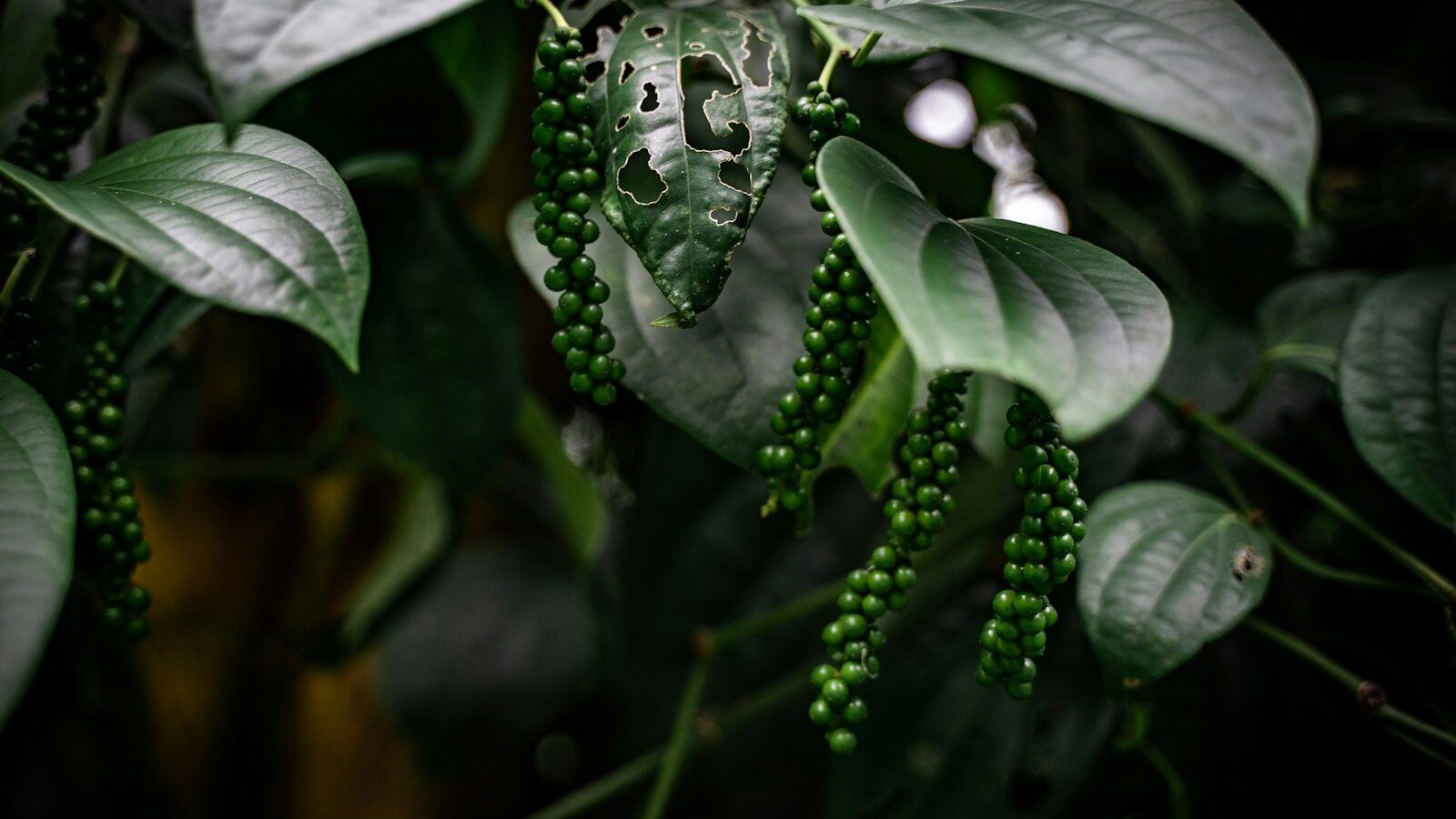
You can grow peppers indoors year-round if you give them three things a typical house lacks: strong light for 14 to 16 hours a day, warmth between about 70 and 85°F, and help with pollination. Compact hot peppers such as Thai, cayenne, Pequin and ornamental chilies are the easiest, while small-fruited sweet peppers and snacking types also do well. Under a decent LED grow light, an indoor pepper plant can flower about two to three months from seed and keep fruiting for a year or more. This guide covers variety choice, containers, lighting, watering, feeding, hand pollination, and how to bring garden plants inside to overwinter.
Part of our Vegetable Gardening & Raised Beds guide →
In this guide
- Best Pepper Varieties for Indoors
- Containers and Potting Mix
- Starting From Seed
- Light: Window vs Grow Light
- Temperature and Humidity
- Watering and Feeding
- Hand Pollinating Indoor Peppers
- Pruning and Support
- Pests to Watch For
- Troubleshooting Indoor Pepper Plants
- A Simple Indoor Setup That Works
- Overwintering Garden Peppers Indoors
- Harvesting
- Frequently Asked Questions
Key Takeaways
- Pick compact varieties: Thai, cayenne, Pequin, Super Chili, ornamental chilies, mini bell and snacking peppers.
- Use a 2- to 5-gallon pot with drainage and a light, peat- or coir-based potting mix.
- A south-facing window works in summer; in winter, a full-spectrum LED grow light for 14 to 16 hours a day is close to essential.
- Hand pollinate indoors by tapping flowers or using a small brush every day or two while plants bloom.
- Let the top inch of soil dry before watering, and feed lightly with a lower-nitrogen fertilizer once flowering starts.
Best Pepper Varieties for Indoors
Pepper plants range from 12-inch ornamentals to 5-foot habanero bushes. Indoors, compact size and heavy fruit set matter most. Small-fruited hot peppers are generally easier than big bells because each fruit takes less energy to ripen.
| Variety type | Typical indoor height | Heat | Notes |
|---|---|---|---|
| Thai chili | 1 to 2 ft | Hot | Very productive, small upright fruits |
| Pequin / chiltepin | 1 to 2 ft | Hot | Tiny fruits, long-lived perennial |
| Cayenne (compact types) | 1.5 to 2 ft | Hot | Good for drying |
| Ornamental chilies | 8 to 18 in | Varies | Bred for pots; check edibility and flavor |
| Jalapeño (compact types) | 2 to 3 ft | Medium | Needs a larger pot and strong light |
| Mini bell / snacking peppers | 1.5 to 2.5 ft | Sweet | Smaller fruits ripen more reliably indoors |
| Habanero | 2 to 4 ft | Very hot | Slow, large plant; best in a sunroom or big grow space |
Not sure whether you want heat? Our comparison of sweet vs hot peppers covers flavor and uses, and how to grow Thai chili peppers goes deeper on one of the best indoor choices.
Containers and Potting Mix
- Pot size: 2 to 3 gallons for compact hot peppers and ornamentals; 3 to 5 gallons for jalapeños, mini bells and habaneros. Fabric pots breathe well and reduce overwatering risk.
- Drainage: essential. Set the pot on a saucer and empty standing water after watering.
- Mix: a quality peat- or coir-based potting mix with perlite. Never use garden soil indoors; it compacts and brings pests.
- Start small: move seedlings into progressively larger pots rather than straight into a 5-gallon pot, which stays wet too long around small roots.
Starting From Seed
Indoor peppers start the same way as garden transplants. Sow seeds 1/4 inch deep in seed-starting mix on a heat mat at about 80°F. Most sprout in one to two weeks. Once they emerge, move them under lights and keep them at 70 to 80°F. Our guide on how to care for pepper seedlings covers germination, light distance and potting up in detail. You can also start from a nursery transplant or a cutting from a healthy plant.
Light: Window vs Grow Light
Light is the make-or-break factor. Peppers are full-sun plants that need roughly 6 to 8 hours of direct sun outdoors. Even a bright south-facing window delivers far less usable light than outdoor sun, especially from November to February in northern states, when days are short and the sun is low.
Sunny window
A south-facing window can support compact hot peppers from late spring through early fall. Expect slower growth and fewer fruits than outdoors. Rotate the pot every few days so the plant does not lean, and keep leaves from touching cold glass in winter. East or west windows usually are not enough on their own.
Grow lights
For year-round fruiting, use a full-spectrum LED grow light on a timer for 14 to 16 hours a day. A single bar or panel light covers one or two plants; larger setups suit shelves or a grow tent. Follow the manufacturer’s recommended hanging height, which for many mid-power LEDs is about 12 to 24 inches above the canopy, and raise the light as plants grow. Signs of too little light are long gaps between leaves and few flowers; bleached or curled top leaves signal too much. Our indoor grow light guide explains spectrum and intensity, and our roundup of the best grow lights compares options for different spaces.
Temperature and Humidity
Peppers grow best at 70 to 85°F during the day and no lower than about 60 to 65°F at night. Flowers may drop when temperatures exceed about 90°F or fall below about 60°F. Keep plants away from cold windows at night in winter and from hot air vents. Average household humidity is fine, but very dry winter air encourages spider mites; group plants together or run a humidifier if leaves look stippled.
Watering and Feeding
Water thoroughly when the top inch of soil is dry, until water drains from the bottom, then empty the saucer. Indoor plants under lights may need water every few days in summer and less in winter. Overwatering causes yellow lower leaves, root rot and fungus gnats; underwatering causes wilting and flower drop.
Feed every two weeks with a balanced water-soluble fertilizer at half strength while plants are growing. Once flowering starts, switch to a formula lower in nitrogen and higher in phosphorus and potassium, such as a tomato fertilizer, to encourage fruit rather than leaves. Calcium and magnesium deficiencies show up more indoors, especially in soilless mixes; a cal-mag supplement helps if new leaves are distorted or older leaves yellow between the veins.
Hand Pollinating Indoor Peppers
Pepper flowers are self-fertile: each flower has both male and female parts, so one plant can set fruit on its own. Outdoors, wind and insects shake pollen onto the stigma. Indoors there is neither, and unpollinated flowers simply drop.
- Wait until flowers are fully open, with pollen visible on the anthers, usually around midday.
- Gently tap each flower or flick the stem a few times to release pollen.
- For more reliable results, swirl a small, soft paintbrush or cotton swab inside each open flower, moving from flower to flower.
- An electric toothbrush held against the stem just behind the flower for a second or two mimics bee vibration.
- Repeat every day or two while plants are blooming.
A small fan running for a few hours a day helps too, both for pollination and for sturdier stems. If flowers still drop after pollination, check temperature, light and watering; our guide on why pepper flowers drop covers the main causes.
Pruning and Support
Pinch the growing tip when young plants reach 6 to 8 inches to encourage branching, which creates a bushier plant with more flowering sites. Remove leaves that touch the soil. Larger plants laden with fruit may need a small stake or tomato cage. Some growers remove the first flowers so the plant builds more structure first; this is optional indoors but helps on small plants.
Pests to Watch For
- Aphids: clusters on new growth and under leaves. Rinse off with water or use insecticidal soap.
- Spider mites: fine stippling and webbing in dry air. Raise humidity, rinse leaves, treat with insecticidal soap or horticultural oil.
- Fungus gnats: small flies around wet soil. Let the surface dry and use yellow sticky traps.
- Whiteflies: tiny white insects that fly up when disturbed. Sticky traps and soap sprays.
Inspect any plant before bringing it indoors, and quarantine new plants for a couple of weeks.
Troubleshooting Indoor Pepper Plants
| Problem | Likely cause | What to do |
|---|---|---|
| Tall, stretched plant with few leaves | Not enough light | Add or lower a grow light; run 14 to 16 hours |
| Plenty of leaves, no flowers | Too much nitrogen, low light | Switch to a bloom fertilizer; increase light |
| Flowers drop without fruit | No pollination, temperature extremes | Hand pollinate; keep 65 to 85°F |
| Yellow lower leaves | Overwatering or low nitrogen | Let soil dry between waterings; feed at half strength |
| Curled, puckered new leaves | Aphids, mites or light stress | Inspect undersides; adjust light height |
| Small fruits that never ripen | Low light, plant overloaded | Increase light; thin some fruits |
| Dark, sunken spot at fruit base | Blossom end rot from uneven watering or low calcium | Water consistently; add cal-mag |
Most indoor pepper problems trace back to light. If you change one thing, make it a stronger light source or a longer photoperiod before you adjust fertilizer or watering.
A Simple Indoor Setup That Works
For one or two plants, a practical starting point is a 3-gallon fabric pot on a saucer, a quality potting mix with extra perlite, a full-spectrum LED bar or panel light on an inexpensive outlet timer set for 15 hours, and a small clip-on fan aimed to gently move the leaves. Put it in a room that stays above 65°F at night. Add a soft paintbrush for pollinating and a water-soluble fertilizer, and you have everything a compact chili plant needs to fruit through winter.
Overwintering Garden Peppers Indoors
Peppers are perennial in their native tropics, so you can bring garden plants inside before frost and keep them for next year, getting a head start in spring. Dig the plant before nights drop below about 50°F. Prune the branches back to a few main stems with nodes, trim the roots to fit a pot, rinse off soil and pests, and pot in fresh mix. Keep it in a cool, bright spot and water sparingly; it will drop most leaves and rest through winter. In late winter, increase light and warmth and it will regrow. Alternatively, keep a vigorous plant fruiting all winter under strong grow lights. For more on container growing, see how to grow peppers in containers.
Harvesting
Pick peppers green or wait for their mature color: red, orange, yellow or purple, depending on variety. Ripe peppers are sweeter and often hotter. Cut fruits with scissors rather than pulling, which can break brittle branches. Regular picking encourages more flowers. Indoors, ripening can be slower than outdoors, so be patient. For year-round planning and outdoor crops, visit our vegetable gardening guide.
Frequently Asked Questions
Can peppers grow indoors without a grow light?
Compact hot peppers can grow and fruit in a bright south-facing window from late spring to early fall. In winter, window light is usually too weak for good fruiting, so a grow light makes a large difference.
How long does it take to grow peppers indoors?
Most varieties flower about two to three months after sowing under good light, with ripe fruit several weeks after that. Superhots and large bell peppers take longer.
Do indoor pepper plants need to be pollinated?
Yes, in practice. Pepper flowers are self-fertile, but indoors they need you to move the pollen by tapping, brushing or vibrating the flowers every day or two while they bloom.
How many hours of light do indoor peppers need?
Run grow lights for 14 to 16 hours a day. Avoid 24-hour lighting; plants benefit from a dark period each night.
How long can an indoor pepper plant live?
Peppers are perennials in warm climates, so a well-kept indoor plant can live and produce for several years, especially compact hot varieties like Pequin and Thai chilies.