

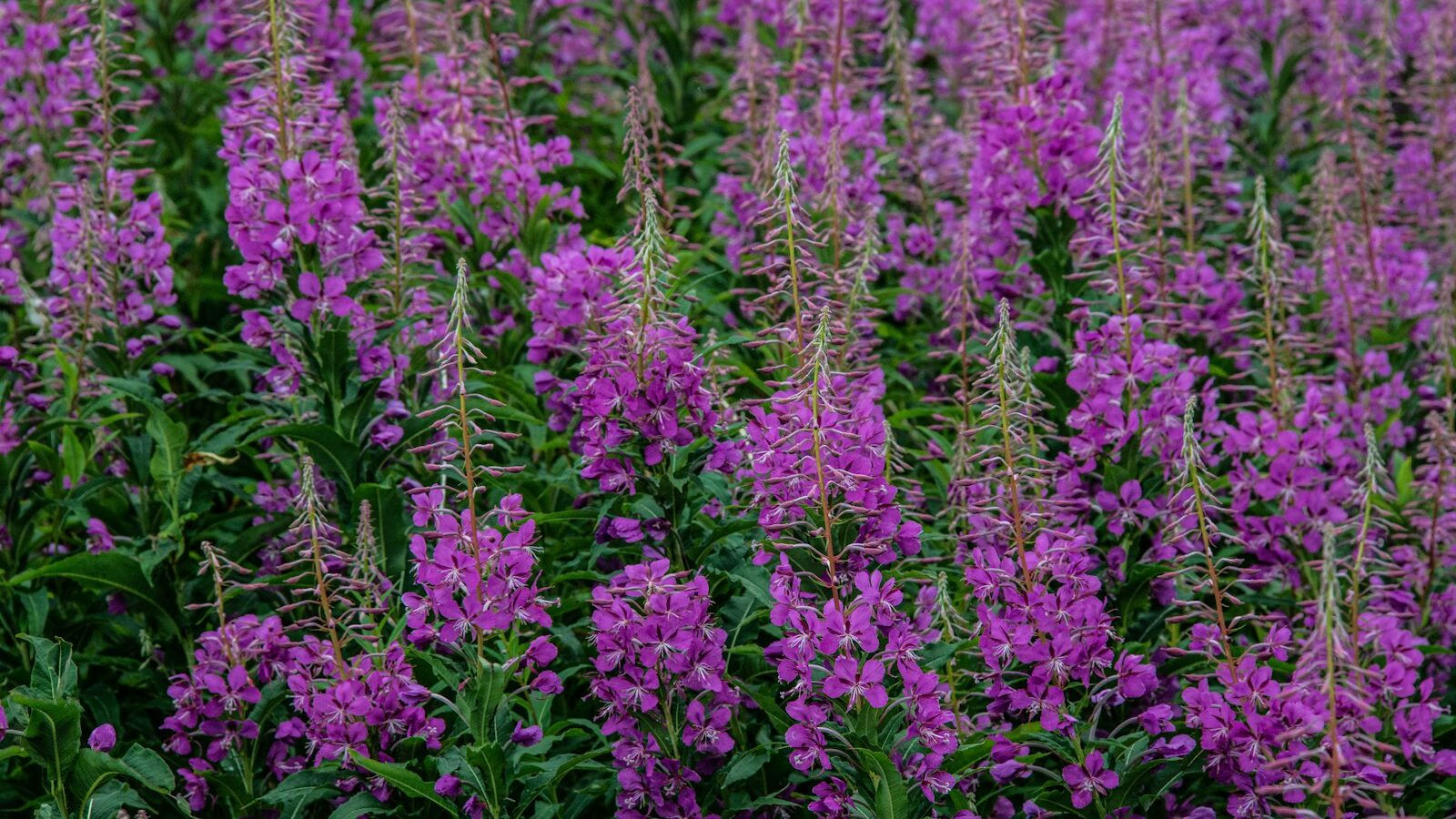
Obedient plant (Physostegia virginiana) earns its odd common name from a party trick: push one of its tubular flowers to a new angle and it stays put, as if obeying you. The plant itself is far less compliant. This North American native perennial throws up tidy spires of pink, lavender, or white snapdragon-like blooms from midsummer into fall, exactly when many borders are flagging, and it does so with almost no fuss. The catch is that it spreads—vigorously—by underground rhizomes, and in rich, moist soil it can shoulder its neighbors aside. Grown with that habit in mind, obedient plant is a tough, long-blooming, pollinator-magnet perennial that asks little beyond a sunny spot and the occasional reminder of where its boundaries are. This guide covers zones, siting, soil, spacing, bloom, division, and—most importantly—how to keep its enthusiasm in check.
Key Takeaways
- Hardy in USDA zones 3–9, making it one of the most adaptable native perennials available.
- Full sun to part shade; sun produces the sturdiest, most upright stems and the heaviest bloom.
- Spreads aggressively by rhizomes in rich, moist soil—give it room or contain the roots.
- Blooms midsummer into fall (roughly July to September) on 2- to 4-foot spires.
- Space 18 to 24 inches apart; it will quickly fill the gaps and then some.
- Excellent for pollinators and cutting—bees, butterflies, and hummingbirds work the flowers.
- Divide every 2 to 3 years to control spread and keep clumps vigorous.
Climate, Zones, and Where to Site It
Obedient plant is hardy across USDA zones 3 through 9, an unusually wide range that reflects its native distribution from Canada down through the southern United States. It shrugs off cold winters and tolerates hot, humid summers, which makes it one of the few perennials equally at home in Minnesota and Georgia. That adaptability is part of why it naturalizes so readily—and why you should think carefully about where you put it.
Site it in full sun for the best performance. In six or more hours of direct sun the stems grow stout and self-supporting, and bloom is heaviest. In part shade it still flowers but tends to stretch and flop, often needing staking. Because it spreads by rhizomes, the ideal home is a spot where running roots are an asset rather than a problem: a naturalized border, a rain garden, a pond edge, a meadow planting, or a bed bounded by mowed lawn or hard edging on all sides. Avoid tucking it into a small, tidy perennial border full of choice, slow-growing neighbors—it will outrun them.
If you garden in a damp, sunny problem spot, obedient plant is a natural fit. It pairs well with other moisture-tolerant natives; our guide to other native perennials in the Plants & Flowers hub can help you build a self-sustaining late-season planting around it.
Soil and Spread Control
Obedient plant is not fussy about soil, but soil fertility directly controls how aggressive it becomes. In rich, consistently moist ground it spreads fastest and grows tallest, often topping 4 feet and needing support. In leaner, drier soil it stays shorter, sturdier, and noticeably better behaved—many experienced gardeners deliberately plant it in poorer soil precisely to slow it down. A near-neutral pH suits it, though it tolerates a range.
If you love the flowers but fear the spread, contain the roots. Sink a bottomless nursery pot or a length of plastic edging at least 8 to 10 inches deep around the planting to block rhizomes. Alternatively, grow it in a large container, or commit to digging out the wandering shoots each spring—they pull easily when the soil is moist. Do not plant it next to a small pond liner or a foundation where roots could cause trouble. The honest summary: this is a plant you manage, not one you plant and forget.
Planting and Spacing
Plant obedient plant in spring or early fall from divisions or nursery pots. Set the crown level with the soil surface and water in well. Space plants 18 to 24 inches apart; that spacing looks sparse the first year but the clumps knit together fast, and crowding only encourages floppy, mildew-prone growth. Starting from seed is possible—sow in early spring and expect bloom the second year—but division is faster and gives you a known flower color.
A 2-inch mulch helps hold moisture and keeps the roots cool, though in very rich, moist soil mulch can fuel even faster spread, so use it judiciously. Once planted, obedient plant establishes quickly and needs little hand-holding to get going.
Watering and Feeding
This is a moisture-loving perennial that performs best with about 1 inch of water per week and tolerates wet sites that would rot many other plants—hence its value in rain gardens and along pond margins. It also withstands short dry spells once established, simply staying shorter and less leafy. For controlled growth, err on the drier side; for maximum bloom in a spot where spread does not matter, keep it evenly moist.
Skip the fertilizer. Obedient plant is already vigorous, and feeding only makes it taller, floppier, and more invasive. If your soil is genuinely poor, a light spring topdressing of compost is plenty. Heavy nitrogen is counterproductive on every front.
Bloom Time, Staking, and Cutting
The flowers are the payoff. From roughly July into September, dense spikes of tubular, two-lipped blooms open from the bottom up in pink, rosy-lavender, or white, depending on the cultivar. ‘Vivid’ is a popular compact pink that stays under 2 feet; ‘Miss Manners’ is a clump-forming white selection bred specifically to spread far less than the species—a smart choice for a formal border. ‘Crown of Snow’ offers clean white spires on taller stems.
In full sun and leaner soil, staking is usually unnecessary. In rich soil or shade, the tall stems flop, so install a grow-through grid early or pinch the plants back by a third in late spring to encourage shorter, branchier, self-supporting growth. Deadheading spent spikes can coax a lighter second flush and prevents seed from scattering. Obedient plant is also a superb, long-lasting cut flower—and yes, the individual blooms can be repositioned in an arrangement and will hold their new angle.
Dividing to Control and Rejuvenate
Division does double duty: it keeps clumps vigorous and is your main tool for controlling spread. Divide every two to three years in early spring or fall. Lift the clump, hack the dense rhizome mat into sections each with several shoots, discard the woody, overgrown center, and replant the vigorous outer pieces. The excess makes easy gifts—or compost. Many gardeners simply lift and reset their planting annually to keep it within bounds, which the plant tolerates without complaint.
Each spring, also walk the edges of the planting and pull or dig any rhizomes that have escaped their intended area. Catching strays early, while they are single shoots, takes seconds; letting them run for a season turns it into real work. For ideas on combining it with other easy-care fillers, see our guide to growing perennial sunflowers, another late-season native that handles the same conditions.
Pests, Disease, and Troubleshooting
Obedient plant is remarkably trouble-free, which is part of its appeal. The few issues that arise are mostly tied to crowding, shade, or excess fertility:
- Flopping stems: The number-one complaint. Caused by rich soil, shade, or overcrowding. Plant in sun and leaner soil, pinch back in spring, or stake.
- Powdery mildew: White film on leaves in humid, crowded conditions. Improve spacing and airflow; divide overgrown clumps.
- Rust: Occasional orange pustules on foliage; remove affected leaves and avoid overhead watering.
- Aggressive spreading: Not a disease but the chief management task—contain roots and pull strays each spring.
- Aphids: May cluster on bloom spikes; blast off with water or ignore, as natural predators usually handle them.
Overwintering and Year-Round Care
Obedient plant is fully hardy through zone 3 and needs no winter protection. After frost, you can cut the stems to the ground for tidiness or leave the seed heads standing—they provide winter structure and a little food for birds, and the standing stems mark where the dormant clump sits. Cutting back in fall has the side benefit of letting you remove and dispose of any seed-bearing tops before they self-sow. In spring, fresh shoots emerge readily; that is also the moment to do your edge patrol and any division. With this light annual rhythm—sun, lean soil, a spring tidy-up, and the occasional division—obedient plant rewards you with years of reliable, pollinator-friendly late-season color. For another tough perennial that fills the same flowering window, see our guide to growing perennial flax.
Frequently Asked Questions
Is obedient plant invasive?
It is not classified as a noxious invasive, but it is an aggressive spreader by underground rhizomes, especially in rich, moist soil. Treat it as a plant you manage: grow it in leaner soil, contain the roots with buried edging, or pull escaping shoots each spring. The cultivar ‘Miss Manners’ spreads far less than the wild species if you want a tamer option.
Why is my obedient plant flopping over?
Flopping is usually caused by too much shade, overly rich soil, or overcrowding, all of which produce tall, weak stems. Grow it in full sun and leaner soil, pinch the plants back by about a third in late spring to force shorter branchy growth, or install a grow-through support grid early in the season.
When does obedient plant bloom?
It blooms from midsummer into early fall—roughly July through September—filling the gap when many summer perennials are finished. The tubular flowers open from the bottom of the spike upward, and deadheading spent spikes can encourage a lighter rebloom.
How far apart should I plant obedient plant?
Space plants 18 to 24 inches apart. The clumps fill in quickly, so resist the urge to plant closer—tight spacing only encourages floppy, mildew-prone growth. Within a season or two the planting will knit together completely.
Does obedient plant attract pollinators?
Yes, abundantly. Bees and butterflies work the tubular flowers, and hummingbirds visit them as well. As a North American native blooming in late summer, it is a valuable nectar source when fewer plants are flowering, which makes it a strong choice for pollinator and wildlife gardens.