

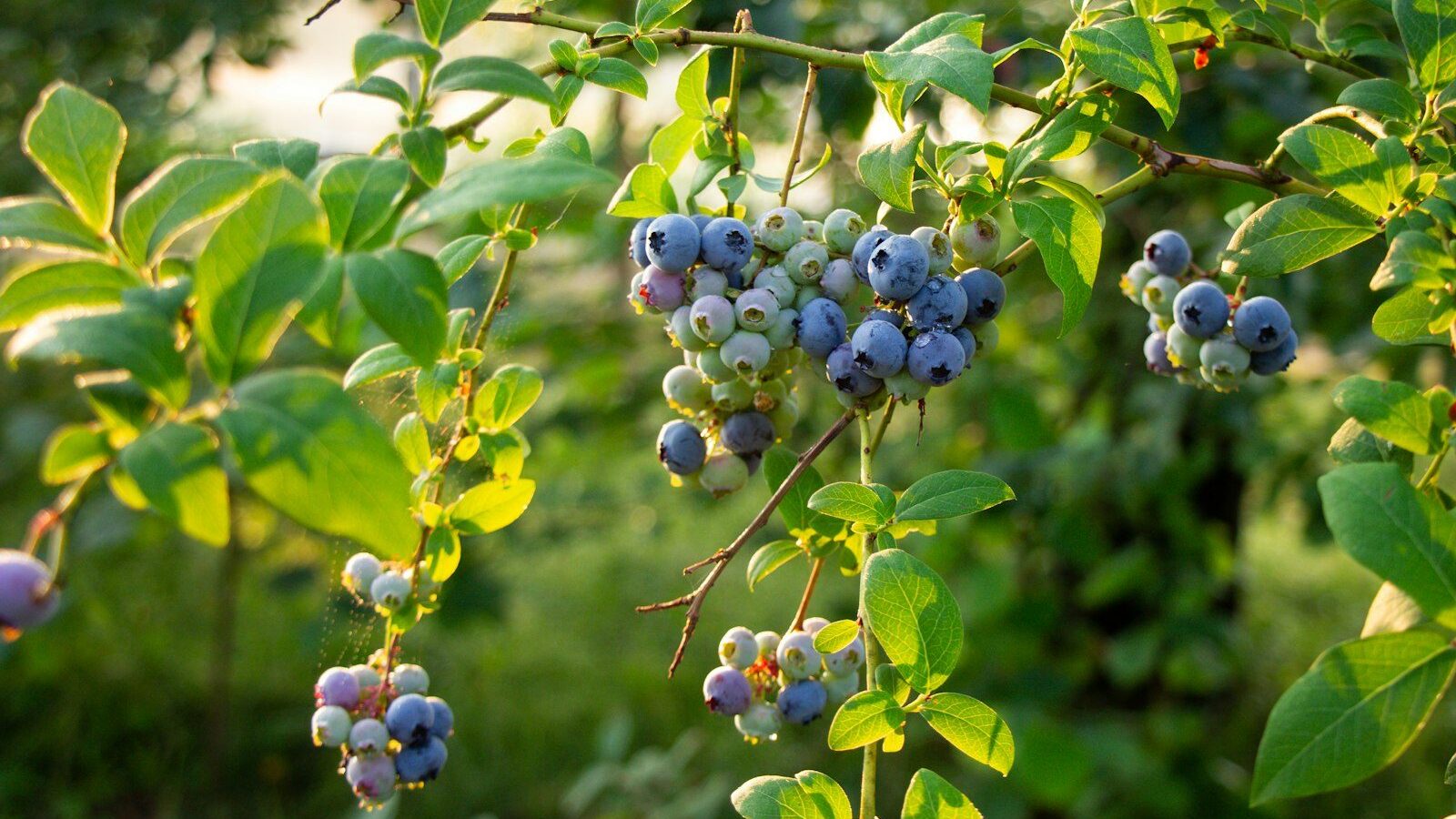
Serviceberry is one of the most rewarding small trees you can plant, doing the work of four landscape plants at once: clouds of white flowers in early spring, sweet blueberry-like fruit in early summer, clean blue-green foliage all season, and fiery orange-red color in fall. Known variously as Amelanchier, Juneberry, shadbush, saskatoon, or serviceberry, this North American native is tough, cold-hardy well into the northern tier of the country, and adaptable to a wide range of soils. It grows as either a multi-stemmed large shrub or a single-trunk small tree, generally 15 to 25 feet tall, which makes it perfect for a patio, a courtyard, or a spot under power lines where a full-size shade tree would not fit. The fruit tastes like a cross between a blueberry and an almond and is excellent fresh, in pies, or in jam—if the birds do not get to it first. This guide walks through zones, planting in the ground or a container, ongoing care, and how to harvest the berries at their peak.
Key Takeaways
- Hardiness: Serviceberry is exceptionally cold-tough, thriving across USDA zones 3–8 (some species to zone 2).
- Light: Best in full sun to part shade—full sun gives the heaviest fruit and brightest fall color.
- Four-season interest: White spring flowers, sweet June berries, summer shade, and brilliant fall foliage from one plant.
- Container option: Dwarf and shrubby types (like ‘Regent’ saskatoon) grow well in a large 15–25 gallon pot on a patio.
- Harvest: Berries ripen in early summer, turning from red to deep blue-purple; pick when fully purple and soft—and net them before the birds do.
Serviceberry Species and Varieties
“Serviceberry” covers several closely related species, and the right one depends on whether you want an ornamental tree, a fruit crop, or both. Amelanchier × grandiflora (apple serviceberry) is the classic landscape hybrid; cultivars like ‘Autumn Brilliance’ and ‘Princess Diana’ are prized for spectacular fall color and reliable form. Amelanchier canadensis (shadblow) tends to be more shrubby and suckers freely, good for naturalizing. Amelanchier laevis (Allegheny serviceberry) offers especially sweet fruit and bronze new growth.
If your goal is harvesting berries, look to Amelanchier alnifolia, the saskatoon, bred in Canada and the northern plains specifically for fruit. Named saskatoon cultivars such as ‘Smoky’, ‘Northline’, ‘Thiessen’, and the compact ‘Regent’ produce larger, sweeter, more abundant berries on plants well suited to orchard rows or large containers. All serviceberries are self-fertile, but planting two or more improves fruit set and yield.
USDA Zones and Site Selection
Serviceberries are among the hardiest fruiting plants available, comfortable across USDA zones 3 to 8, with saskatoons in particular surviving the bitter winters of zones 2 and 3. They do best where winters provide real cold; in the warmest parts of the South (zones 9+) they struggle with heat and humidity. This cold tolerance is one of their great strengths—they thrive where peaches, figs, and many fruit trees fail.
Choose a site in full sun to part shade. Serviceberry tolerates light shade and still flowers there, but full sun—six or more hours—produces the most fruit and the most intense fall color. The plant adapts to a wide range of soils, from sandy to clay, as long as drainage is reasonable; it naturally grows along stream banks and woodland edges, so it handles occasional moisture but resents permanently soggy ground. A slightly acidic to neutral pH (6.0–7.0) is ideal.
Planting a Serviceberry in the Ground
Plant in early spring or in fall, giving the roots time to establish before extreme heat or cold. Container-grown plants transplant most easily; balled-and-burlapped stock works too. Decide up front whether you want a single-trunk tree (prune to one or three main stems) or a multi-stemmed shrub form, because serviceberries naturally want to sucker and form a clump.
Step by Step
- Dig a hole as deep as the root ball and two to three times as wide to loosen soil for the spreading roots.
- Set the plant so the top of the root ball is level with or slightly above the surrounding grade—never deeper.
- Backfill with the native soil, firming gently to remove air pockets; only amend heavy clay lightly with compost.
- Water in thoroughly and build a shallow basin to direct future watering to the roots.
- Mulch with 2–3 inches of wood chips out to the drip line, keeping mulch off the trunk to prevent rot and rodent damage.
Space tree forms 15 to 20 feet apart and shrub forms or saskatoon hedges 4 to 6 feet apart. Water deeply and regularly for the first one to two growing seasons until the plant is established, after which serviceberry is moderately drought-tolerant.
Growing Serviceberry in a Container
The shrubby and dwarf types—especially compact saskatoons like ‘Regent’—take well to large containers, making serviceberry a real option for patios, decks, and small urban yards. Use a pot of at least 15 to 25 gallons with strong drainage, and fill it with a quality potting mix blended with extra bark or perlite for structure. The large tree forms eventually outgrow any practical pot, so stick to the naturally smaller cultivars for container life.
Container plants need closer attention to water, since pots dry faster than open ground—check the top inch or two and water before the mix dries out completely, especially in summer. Feed with a balanced or fruit-tree fertilizer in spring. Because serviceberry needs winter chill, a potted plant can stay outdoors year-round in its hardiness zone; in the coldest areas, move the pot against a sheltered wall or sink it in a mulch pile to protect the roots from freeze-thaw cycles. Our Urban Gardening guides cover container watering and winter root protection in more detail.
Watering, Feeding, and Pruning
For the first couple of years, water deeply about once a week in the absence of rain to establish a strong root system. Mature in-ground serviceberries are fairly drought-tolerant but produce better fruit with consistent moisture through the spring and early-summer ripening period. A 2- to 3-inch mulch layer conserves that moisture and keeps roots cool.
Serviceberry is not a heavy feeder. A single application of balanced fertilizer or a topdressing of compost in early spring is plenty for most plants; over-fertilizing pushes soft growth that is more prone to problems. Prune in late winter while the plant is dormant. Remove dead, damaged, or crossing branches, thin crowded interior growth to let light and air in, and—if you want a tidy tree form—cut out suckers and water sprouts each year. For renewal of an old shrubby clump, remove the oldest one-third of stems at the base annually over three years.
The most common diseases are cosmetic fungal issues in the rose family, such as rust (which can spot leaves and fruit) and occasional leaf spot or fire blight; good air circulation through pruning is the best prevention. For broader landscape design ideas that pair serviceberry with other natives, browse our Outdoor Living resources.
When and How to Harvest Serviceberries
Serviceberries ripen in early summer—often June, hence the name Juneberry—roughly two to three months after the spring bloom. The fruit starts green, turns red, and finishes a deep blue-purple resembling a blueberry. Ripe berries are fully purple, plump, and slightly soft to the touch; taste one to confirm sweetness, because color can run ahead of full flavor. Berries on a single plant ripen over a week or two, so plan to pick several times.
Pick by gently rolling or pulling the soft berries free; ripe fruit detaches easily. The flavor is sweet and almond-tinged—delicious fresh, and excellent in pies, muffins, pancakes, jam, and dried like raisins. The one real challenge is competition: birds adore serviceberries and will strip a tree in days. If you want the harvest for yourself, drape bird netting over smaller plants as the fruit begins to color, or simply plant enough that there is plenty to share. A mature, well-sited plant can yield several pounds of fruit in a good year.
Frequently Asked Questions
What is the difference between a serviceberry and a saskatoon?
They are closely related members of the genus Amelanchier. “Serviceberry” is the general name for the group, often used for the ornamental tree species (like Amelanchier × grandiflora) grown for their flowers and fall color. “Saskatoon” usually refers to Amelanchier alnifolia, a shrubbier species bred specifically for larger, sweeter, more abundant fruit. If your priority is eating the berries, choose a named saskatoon cultivar.
Do you need two serviceberry trees to get fruit?
No—serviceberries are self-fertile and a single plant will set fruit on its own. That said, planting two or more genetically different plants improves cross-pollination, which boosts fruit set and overall yield. For a backyard harvest, two plants noticeably out-produce one.
How long does a serviceberry take to fruit?
A nursery-grown plant typically begins bearing a light crop within two to four years of planting, reaching full production around years four to six. Shrubby saskatoons often start fruiting a bit sooner than the larger tree forms. Giving the plant full sun and consistent moisture during establishment speeds things along.
Are serviceberries good to eat raw?
Yes. Ripe serviceberries are sweet with a mild almond note (from the seeds) and are excellent eaten fresh off the plant. They are also outstanding in pies, jams, muffins, and pancakes, or dried like raisins. Just make sure they are fully purple and slightly soft—underripe berries are bland.
How do I keep birds from eating all the berries?
Birds are the biggest competition for the harvest and can strip a small tree quickly. The most reliable defense is draping bird netting over the plant as soon as the berries start turning red, securing it at the base. For larger trees that are impractical to net, planting extras so there is enough to share—or accepting that you are feeding the birds—are the realistic options.