

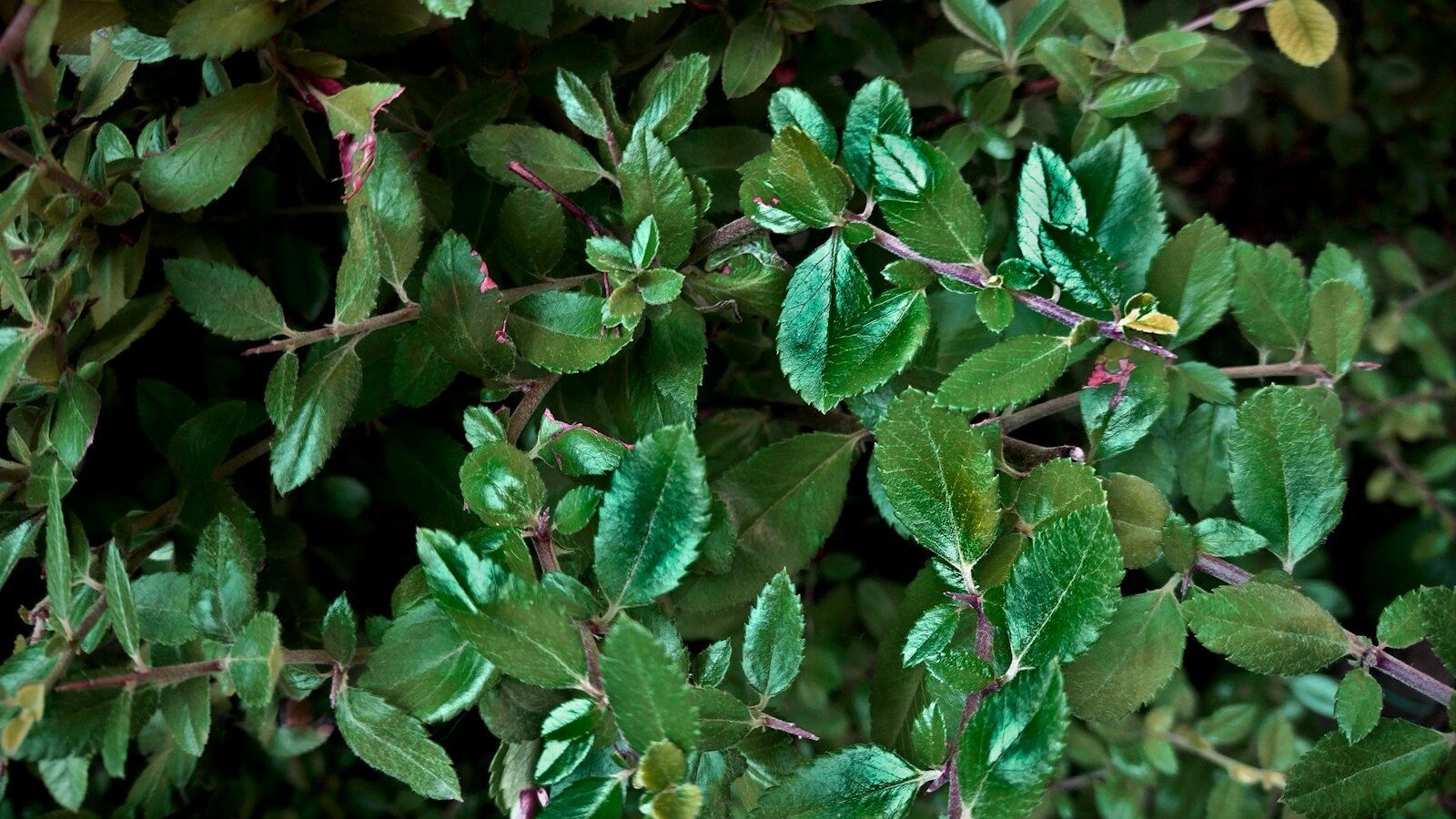
Ninebark (Physocarpus opulifolius) is one of the toughest, most generous deciduous shrubs you can plant in a North American garden, and the modern colored-leaf varieties have turned what was once a plain native into a season-long centerpiece. The name comes from the old story that the shaggy, peeling bark has nine layers — an exaggeration, but the exfoliating tan-and-brown bark really does give winter structure once the leaves drop. Through the growing season you get the foliage (deep burgundy, copper, or chartreuse depending on cultivar), clusters of white-to-pink spirea-like flowers in late spring, and red seed capsules in late summer. It asks for almost nothing: ninebark shrugs off cold to USDA zone 2, tolerates clay, drought, road salt, and pollution, and recovers from hard pruning without complaint. This guide covers exactly how to plant it, where to site it for the best color, when to prune for the heaviest bloom, and how to head off the one disease that troubles it.
Key Takeaways
- Zones: Hardy in USDA zones 2–8 — one of the cold-hardiest landscape shrubs available.
- Light: Full sun (6+ hours) gives the deepest foliage color; part shade fades dark cultivars to green.
- Soil: Adaptable to almost anything — clay, sand, acidic or alkaline — as long as it isn’t waterlogged.
- Pruning: Prune right after the late-spring bloom; it flowers on old wood, so late-winter pruning sacrifices flowers.
- Interest: Colored foliage all season, white-pink flowers in May–June, red capsules in summer, peeling bark in winter.
- Watch for: Powdery mildew on dark cultivars in humid, crowded sites — choose resistant varieties and give it airflow.
Choosing the right ninebark for your garden
Ninebark cultivars vary enormously in size and color, so picking the right one prevents most future headaches. The straight species and older types like ‘Diabolo’ reach 8–10 feet tall and wide — too big for a foundation bed but excellent as a screen or back-of-border anchor. For tighter spaces, breeders have released compact selections: ‘Tiny Wine’ and ‘Little Devil’ stay around 3–4 feet, while ‘Summer Wine’ lands in the middle at 5–6 feet. Foliage color is the other big decision. The burgundy cultivars (‘Diabolo’, ‘Summer Wine’, ‘Tiny Wine’) hold dark purple in full sun. Gold-leaf types like ‘Dart’s Gold’ and ‘Nugget’ bring chartreuse-to-lime brightness to dim corners. Newer multicolor selections such as ‘Coppertina’ and ‘Amber Jubilee’ shift from copper-orange in spring to red and gold tones through the season.
One practical note when shopping: the dark-leaved cultivars are more prone to powdery mildew than the gold and green types. If you garden in a humid region like the Southeast or Midwest, lean toward the more mildew-resistant ‘Tiny Wine’, ‘Little Devil’, or the gold cultivars, and you’ll spend far less time fussing.
When and where to plant
Plant ninebark in early spring or early fall, while temperatures are mild and the roots have time to establish before extreme heat or hard freeze. Container-grown plants can technically go in any time the ground is workable, but spring and fall plantings need far less babysitting through their first season. Choose a site with full sun — at least six hours of direct light — if you want the burgundy or copper foliage to develop its full saturation. In too much shade, dark cultivars revert toward muddy green and grow loose and floppy, and bloom thins out. Gold cultivars are the exception; a little afternoon shade in hot southern gardens actually protects their bright leaves from scorching.
Give the shrub room. Crowding ninebark is the single biggest cause of mildew, because the disease thrives where air can’t move through the canopy. Space plants according to the cultivar’s mature spread — roughly 3 feet apart for the dwarf types and 5–6 feet for the large ones. Resist the temptation to plant a 10-foot ‘Diabolo’ tight against the house; it will outgrow the spot and need constant butchering.
Soil and planting technique
Ninebark is famously unfussy about soil. It performs in heavy clay, sandy loam, acidic woodland soil, and alkaline limestone ground alike, across a pH range of roughly 5.5 to 8.0. The only thing it genuinely dislikes is standing water around the roots, so the one site to avoid is a low spot that stays soggy after rain. If your only option is heavy, slow-draining clay, plant the shrub slightly high — set the top of the root ball an inch or two above the surrounding grade — so excess water sheds away from the crown.
Dig a hole two to three times as wide as the root ball but no deeper than the ball itself. Loosen circling roots on pot-bound plants by scoring the sides with a knife or teasing them apart by hand, then set the plant so the top of the root ball sits flush with or just above grade. Backfill with the native soil you dug out — there’s no need to amend heavily for such an adaptable plant — firm it gently, and water deeply to settle the soil. Finish with a 2–3 inch layer of bark mulch spread over the root zone but pulled back a few inches from the stems to keep the crown dry.
Watering and feeding
Through the first growing season, water a newly planted ninebark deeply once or twice a week whenever rainfall is short, aiming to keep the root zone evenly moist while the plant establishes. A good soak — five gallons or so poured slowly at the base — beats frequent shallow sprinkles. Once established, usually by the second year, ninebark is notably drought-tolerant and rarely needs supplemental water except during prolonged dry spells. This toughness is part of what makes it such a reliable low-maintenance shrub.
Feeding is largely optional. In average garden soil, ninebark needs no fertilizer at all. If your soil is genuinely poor or growth seems sluggish, apply a single light dose of balanced slow-release granular fertilizer in early spring as growth resumes, or simply top-dress with an inch of compost. Avoid heavy nitrogen feeding — it pushes soft, leggy growth that is more susceptible to mildew and flops under the weight of bloom.
Pruning: timing matters
Here is the rule that protects your flowers: ninebark blooms on old wood — buds set on the previous season’s growth. That means the right time to prune is immediately after the late-spring flowers fade, usually in June. Prune then and the shrub has the rest of the season to grow and set next year’s flower buds. Prune in late winter or early spring, as many gardeners reflexively do, and you’ll cut off the very stems that were about to bloom, trading flowers for a tidier shape.
For routine shaping, remove the oldest, thickest stems at the base each year — taking out a quarter to a third of the canopy — to keep the shrub vigorous and open up airflow that discourages mildew. This renewal pruning also shows off the peeling bark on the remaining old stems. If a ninebark has become an overgrown tangle, you can rejuvenate it brutally: cut the entire plant back to 6–12 inches from the ground in late winter. You’ll lose that year’s flowers, but the shrub regrows vigorously and returns to blooming the following year, often denser and better-colored than before.
Season-by-season interest
Ninebark earns its garden space by performing in every season. In spring, new leaves emerge in their most vivid tones — the coppers and reds are especially intense on fresh growth. Late spring into early summer brings the flowers: rounded, flattened clusters (corymbs) of small five-petaled blooms in white or soft pink, set off dramatically against dark foliage and alive with bees and other pollinators. As the flowers fade, they give way to clusters of inflated red-tinged seed capsules that persist and add color through midsummer.
Fall can bring bronze, red, or yellow tints depending on cultivar and weather, though foliage color is the main draw rather than dramatic autumn change. The real winter payoff is the bark: as the shrub matures, the older stems develop that signature shaggy, exfoliating bark that peels in papery strips of tan, cinnamon, and brown — a feature best appreciated when you’ve thinned out the canopy so the structure shows. Pair ninebark with other multi-season shrubs in a mixed border for continuous interest; our guide to growing smokebush (Cotinus) covers another bold colored-foliage option that combines beautifully with burgundy ninebark.
Pests and diseases
Ninebark is remarkably pest-resistant — it’s even reasonably deer-resistant, though hungry deer will browse almost anything in late winter. The one disease worth knowing is powdery mildew, which coats leaves and new shoots with a white dusty film, distorts growth, and is far more common on the dark-leaved cultivars in humid, crowded, or shady sites. Prevention beats cure: choose resistant cultivars, give plants full sun and good spacing, thin the canopy each year for airflow, and avoid overhead watering that wets the foliage. If mildew appears, prune out the worst-affected shoots and treat with a horticultural oil or potassium-bicarbonate fungicide. Occasionally you’ll also see aphids on tender new growth or fungal leaf spots in a wet spring; both are usually cosmetic and rarely need intervention.
Using ninebark in the landscape
Few shrubs are as versatile. The large cultivars make a fast, dense informal hedge or privacy screen, and their colored foliage adds far more interest than a plain green hedge. In a mixed border, a single burgundy ninebark like ‘Diabolo’ or ‘Summer Wine’ acts as a dark anchor that makes silver, chartreuse, and pink companions pop. The gold types brighten shady corners and pair strikingly with purple-flowered perennials. Compact selections like ‘Tiny Wine’ and ‘Little Devil’ work in foundation plantings, smaller beds, and even large containers, and their dark leaves are a favorite filler in cut-flower arrangements. Because ninebark tolerates clay, salt, and pollution, it’s also a strong choice for tough roadside, rain garden, and erosion-control plantings where fussier shrubs fail. For more shrubs and perennials suited to a layered planting, browse our Plants & Flowers hub.
Frequently Asked Questions
How big does ninebark get?
It depends entirely on the cultivar. Large types like ‘Diabolo’ reach 8–10 feet tall and wide, mid-size ‘Summer Wine’ stays around 5–6 feet, and dwarf selections like ‘Tiny Wine’ and ‘Little Devil’ top out at 3–4 feet. Always check the cultivar’s mature size before planting.
When should I prune ninebark?
Prune right after it finishes blooming in late spring or early summer, since ninebark flowers on old wood. Pruning in late winter removes the stems that were about to flower. For an overgrown shrub, you can cut it back to 6–12 inches in late winter to rejuvenate it, accepting the loss of that year’s blooms.
Why is my ninebark’s foliage turning green instead of purple?
Not enough sun. The burgundy and copper cultivars need at least six hours of direct sun to develop and hold their dark color. In shade they revert toward green and grow loose and floppy. Move it to a brighter spot or expect muted color.
Is ninebark deer-resistant?
Largely, yes. Ninebark is one of the more deer-resistant landscape shrubs and is rarely a deer’s first choice. That said, hungry deer in late winter will sample almost anything, so it’s “resistant” rather than fully deer-proof.
How do I stop powdery mildew on ninebark?
Choose mildew-resistant cultivars (gold types and ‘Tiny Wine’ or ‘Little Devil’), plant in full sun with good spacing, thin the canopy yearly for airflow, and avoid wetting the leaves when watering. If it appears, prune out affected shoots and treat with horticultural oil or a bicarbonate-based fungicide.
Ninebark rewards almost nothing with a lot: plant it in sun, give it room to breathe, prune it just after it blooms, and it returns colored foliage, pollinator-friendly flowers, summer capsules, and winter bark for decades. Match the cultivar to your space and light, lean toward mildew-resistant types in humid regions, and you’ll have one of the lowest-maintenance, highest-impact shrubs in the yard.