

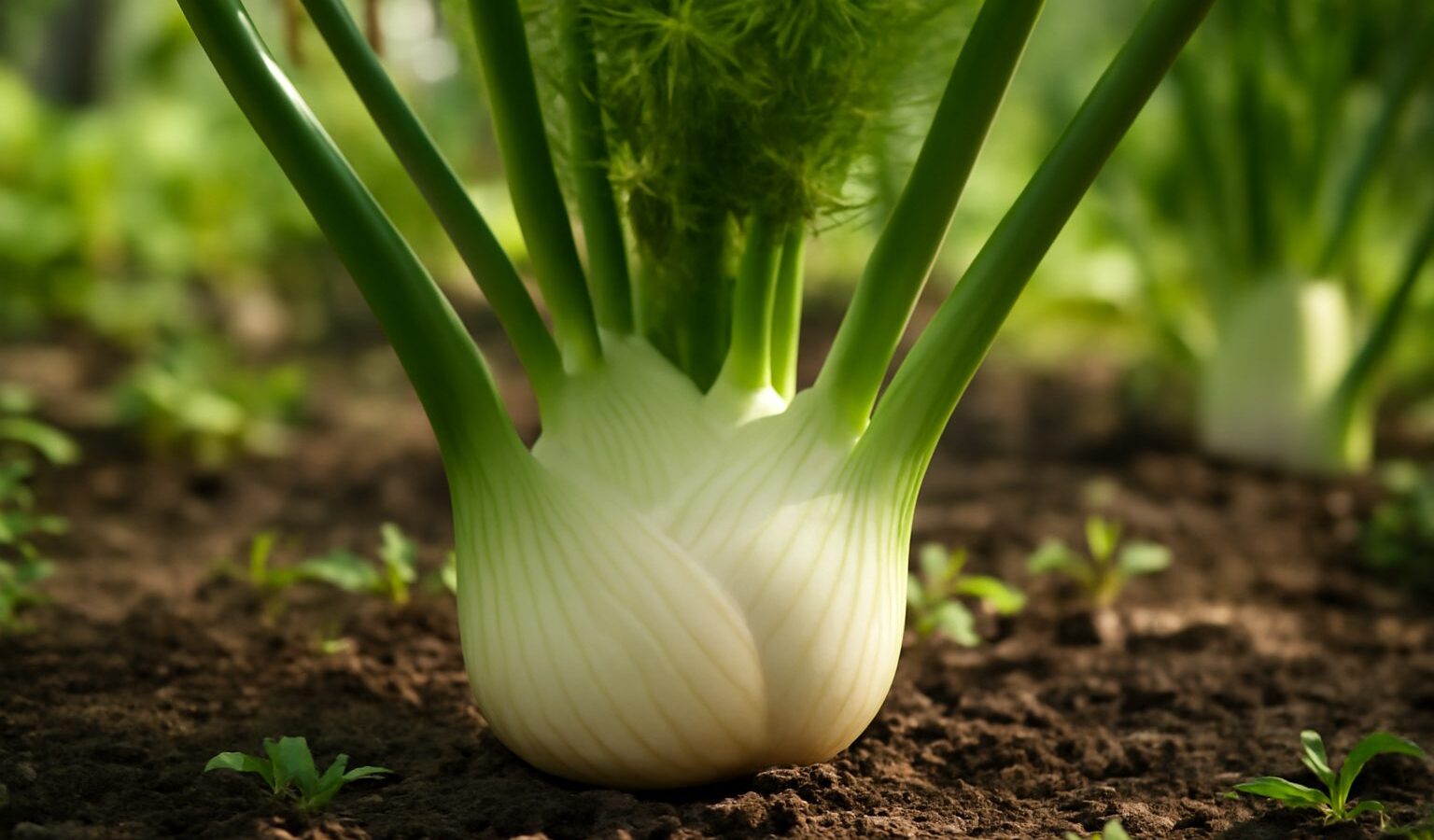
Fennel is really two crops in one plant. Florence fennel (sometimes sold as finocchio) is grown for its swollen, anise-flavored bulb that you slice raw into salads or roast until caramelized. Herb (or common) fennel is grown for its feathery fronds, pollen, and aromatic seed, and behaves as a tall perennial. They share a flavor and a family — the carrot/parsley family, Apiaceae — but they want slightly different handling. The single biggest challenge with the bulbing type is bolting: stressed plants skip the bulb and rush straight to flower. Get the timing and water right and you will harvest plump, crisp bulbs instead of stringy flower stalks. Here is the full playbook.
In this guide
Key Takeaways
- Know which fennel you have. Florence fennel makes an edible bulb; herb fennel is grown for fronds and seed and does not bulb.
- Grow bulb fennel in cool weather. It bolts in heat and long days — sow for spring and especially fall harvests, not high summer.
- Space 8–12 inches apart. Bulbs need room to swell; herb fennel needs 18–24 inches and grows 4–6 feet tall.
- Never let it dry out. Inconsistent water is the top cause of bolting and stringy, split bulbs. Keep moisture even.
- Blanch and harvest before flowering. Mound soil around the bulb as it swells; cut the bulb when it reaches tennis-ball size and before the plant bolts.
Florence Fennel vs. Herb Fennel
Before you buy seed, decide what you want. Florence fennel (varieties like ‘Zefa Fino’, ‘Orion’, or ‘Perfection’) is an annual grown for the thick, layered bulb at its base. Herb fennel — including the ornamental bronze fennel — is a hardy perennial in zones 4–9, grown for its anise-scented foliage, its pollen, and its seeds; it forms only a thin base, not a true bulb. If you want to eat bulbs, buy seed specifically labeled Florence or finocchio. If you want a tall, airy herb for fronds and seed and to feed swallowtail caterpillars, grow common or bronze fennel.
One caution: fennel is somewhat allelopathic and can inhibit nearby plants, and herb fennel cross-pollinates with dill and reseeds aggressively. Give it a spot of its own at the edge of the bed rather than tucking it among other vegetables.
When to Plant Fennel
Timing is everything for bulb fennel, because heat and lengthening days trigger bolting. In most climates the best crop is a fall crop: sow in mid to late summer so the bulbs mature in the cooling days of autumn, which actually sweetens them. A spring crop works too if you start early and harvest before summer heat sets in. Avoid sowing so that bulbs would mature during the hottest, longest days of midsummer — that is a recipe for bolting.
Fennel resents root disturbance, so direct sowing is preferred. Sow seed 1/4 inch deep directly in the bed; it germinates in 7–14 days in soil around 60–70°F. If you must start indoors for an early spring crop, use deep cells or soil blocks and transplant while young, before the taproot circles. Herb fennel can be sown in spring and will return for years once established.
Choose a full-sun site (6+ hours) with deep, fertile, well-drained soil and a pH near 6.0–7.0. Loosen the bed well and work in compost — fennel forms a taproot and rewards loose, rich ground.
Spacing
For Florence fennel, thin seedlings to 8 to 12 inches apart, with rows 18–24 inches apart. Crowded plants compete and produce small, misshapen bulbs. Herb fennel is much larger — give each plant 18 to 24 inches and expect a 4–6 foot tall, airy clump. Because both types can shade and chemically suppress neighbors, plant fennel at a bed’s edge or in its own row rather than interplanted with other crops.
Watering, Feeding and Blanching
Consistent moisture
The single most important care task is even watering. Provide about an inch of water per week, more in heat, and never let bulb fennel dry out between waterings. Drought stress is the leading cause of premature bolting and of bulbs that turn stringy, split, or stay small. A 2-inch mulch keeps moisture steady and roots cool, which further reduces bolting risk.
Feeding
Fennel is a light-to-moderate feeder. The compost you worked in at planting usually carries it, but a single side-dressing of balanced fertilizer when the bulb starts to swell helps it size up. Avoid heavy nitrogen, which pushes leaf at the expense of bulb.
Blanching the bulb
When the bulb begins to swell to about egg size, mound loose soil up around the lower third of the bulb (or slip a collar around it). This blanching step keeps the bulb pale, tender, and sweeter, and protects it from greening and toughening in the sun. Re-mound as it grows. It is optional, but it noticeably improves quality.
Preventing Bolting
Bolting — when the plant abandons bulb-making and shoots up a flower stalk — is the classic fennel failure. To prevent it: grow in cool seasons, keep water consistent, do not let young plants suffer cold shock or heat stress, choose bolt-resistant varieties for spring sowing, and avoid transplant shock by direct sowing where possible. If a plant does bolt, do not waste it — let it flower for the pollinators and beneficial insects, then collect the seed. Fennel flowers are a magnet for hoverflies, parasitic wasps, and swallowtail butterflies, which makes herb fennel a genuine asset to a habitat garden. For more on building that kind of insect-friendly planting, see our guide to growing catmint.
Pests and Problems
- Aphids: can cluster on the fronds; blast off with water or tolerate them, since fennel attracts the predators that eat them.
- Swallowtail caterpillars: beautiful black, green, and yellow caterpillars will graze herb fennel — most gardeners happily share, as the plant recovers fast.
- Bolting: the main “problem,” driven by heat, long days, and water stress (see above).
- Root rot: only in soggy ground; ensure good drainage.
- Cross-pollination: herb fennel and dill cross, muddying seed flavor — keep them apart if saving seed.
How to Harvest Fennel
Harvesting the bulb
Harvest Florence fennel bulbs when they reach roughly tennis-ball size, generally 80–100 days from sowing, and always before the plant starts to bolt. Cut the bulb at soil level with a sharp knife, or pull the whole plant and trim the roots. Catch them young and firm; overgrown bulbs turn woody and stringy. A neat trick: cut the bulb about an inch above the soil and leave the base in the ground, and it will often resprout tender shoots and small secondary bulbs for a second small harvest.
Harvesting fronds, pollen and seed
Snip feathery fronds from any fennel anytime for use as a fresh herb. For fennel pollen — a prized seasoning — clip the bright yellow flower heads at peak bloom and shake them over a tray to collect the pollen, or dry whole heads and rub them. For seed, let the flower heads mature and turn brown on the plant, then cut the umbels, dry them upside down in a paper bag, and shake the seed loose. Store dried seed in an airtight jar.
Fresh bulbs keep about a week in the crisper drawer; fronds wilt quickly so use them soon. Whole bulbs can also be blanched and frozen for cooking. If you enjoy growing cool-season edibles like this, explore more in our Plants & Flowers guides, which cover everything from herbs to flowering perennials.
Frequently Asked Questions
Why isn’t my fennel forming a bulb?
Two likely reasons. First, you may have herb (common) fennel rather than Florence fennel — only Florence types bulb. Second, bulb fennel bolts and skips bulb formation when stressed by heat, long days, or inconsistent watering. Grow it in cool seasons and keep the soil evenly moist.
When is the best time to plant fennel?
For bulb fennel, a fall crop is usually best — sow in mid to late summer so bulbs mature in cool autumn weather, which sweetens them. A spring crop works if you sow early and harvest before summer heat. Avoid timing the harvest for the hottest, longest days of midsummer.
How far apart should I space fennel plants?
Thin Florence fennel to 8–12 inches apart so bulbs have room to swell, with rows 18–24 inches apart. Herb fennel is far larger and needs 18–24 inches per plant. Both can suppress neighboring plants, so grow fennel at a bed’s edge or in its own row.
How do I know when to harvest the bulb?
Harvest when the bulb is about tennis-ball size and still firm, usually 80–100 days from sowing, and before the plant bolts. Cut it at soil level or pull the whole plant. Leave the base in the ground and it may resprout for a small second harvest.
Can I eat the fennel fronds and seeds too?
Yes. The feathery fronds are an herb you can snip anytime, the flowers yield prized fennel pollen, and the mature flower heads produce the familiar anise-flavored seed. Let flower heads dry on the plant, then collect and store the seed in an airtight jar.