

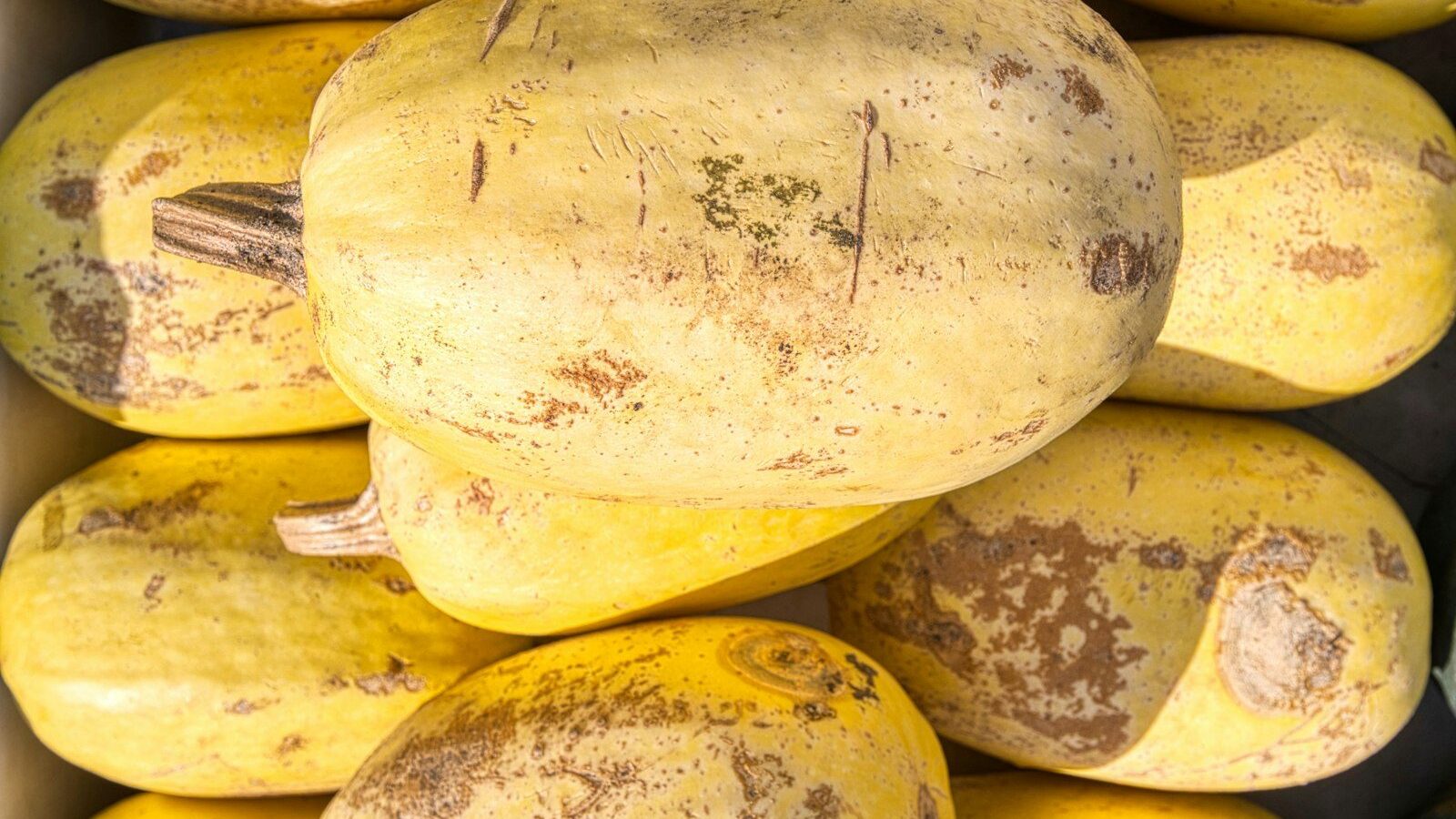
Delicata squash (Cucurbita pepo) is the gateway winter squash for gardeners who think they don’t like winter squash. The cream-and-green striped, oblong fruits have thin, edible skin you don’t have to peel, sweet flesh that tastes like a cross between sweet potato and corn, and plants that are more compact and faster to mature than a hulking butternut or Hubbard. Sometimes called the peanut squash or Bohemian squash, delicata is genuinely beginner-friendly: direct-sow after frost, give the vines room and steady water, and you’ll be roasting half-moon rings by early fall. This guide covers everything from when and how to plant, through spacing, days to maturity, pollination, and the all-important harvest and curing steps that make the squash store well into winter.
Key Takeaways
- Direct-sow 1 inch deep after all danger of frost has passed and soil is at least 65–70°F; delicata needs warm soil to germinate.
- Days to maturity run about 80–100 days from sowing — count back from your first fall frost to time planting.
- Space plants 18–24 inches apart in rows 3–4 feet apart, or in hills of 2–3 plants spaced 3–4 feet apart. Vines are semi-bush but still ramble several feet.
- Give full sun, rich soil, and 1–1.5 inches of water per week; water at the base to keep foliage dry and reduce powdery mildew.
- Harvest when the skin is hard, the stripes have turned cream-and-orange, and the rind resists a thumbnail — usually before frost. Leave a 1–2 inch stem.
- Cure harvested fruit 1–2 weeks in a warm, dry spot, then store at 50–60°F to keep for up to about 3 months.
When and Where to Plant
Delicata is a warm-season crop with zero frost tolerance, so timing is everything. Wait until all danger of frost has passed in spring and the soil has warmed to at least 65–70°F — typically one to two weeks after your last frost date. Seeds rot in cold, wet ground, so patience here prevents a frustrating no-show. In most US regions that means late May into June. Because delicata needs roughly 80 to 100 days to mature, gardeners with short seasons (zone 5 and colder) should either start seeds indoors two to three weeks before transplanting or count backward from the first expected fall frost to be sure the fruit has time to ripen.
Choose a site with full sun — at least six to eight hours a day — and rich, well-drained soil. Like all squash, delicata is a hungry feeder. Work two to three inches of compost or well-rotted manure into the bed before planting, aiming for a slightly acidic to neutral pH around 6.0–6.8. Good drainage matters because squash roots dislike sitting in soggy soil, yet the plants also need consistent moisture, so a rich loam that holds water without staying waterlogged is ideal. If your garden space is tight, delicata’s semi-bush habit makes it more manageable than sprawling squashes, and the vines can even be trained up a sturdy trellis with slings to support the fruit.
Planting and Spacing
Direct sowing is the simplest approach. Plant seeds about 1 inch deep, sowing two or three per spot and thinning to the strongest seedling once they have a couple of true leaves. You can plant in rows or in traditional hills.
For row planting, space plants 18 to 24 inches apart within the row, with rows 3 to 4 feet apart. For hill planting, make low mounds spaced 3 to 4 feet apart in every direction and grow two or three plants per hill. Although delicata is described as semi-bush or compact, the vines still ramble three to six feet, so don’t crowd them — tight spacing reduces airflow and invites powdery mildew, the squash grower’s most common headache. If you started seeds indoors, harden the seedlings off over a week before transplanting on a warm, calm day, and handle the sensitive roots gently.
A layer of mulch — straw or shredded leaves — once the soil has warmed conserves moisture, suppresses weeds, and keeps the developing fruit cleaner where it rests on the ground. Mulch also creates a small barrier against some soil-dwelling pests.
Days to Maturity and Watering
Most delicata varieties — including the popular ‘Honey Boat’ and ‘Bush Delicata’ — reach maturity in roughly 80 to 100 days from sowing, with ‘Bush Delicata’ on the faster end. That’s quick for a winter squash, which is part of delicata’s appeal. From planting in early June, you’re typically harvesting from late August through September, comfortably ahead of frost in most zones.
Consistent water drives healthy vines and sweet fruit. Provide about 1 to 1.5 inches of water per week, more in hot, dry weather, delivered as deep, infrequent soakings rather than light daily sprinkles to encourage deep rooting. Water at the base of the plant with a soaker hose or drip line and keep the leaves dry — wet foliage, especially overnight, is the fast track to powdery and downy mildew. Ease off watering as the fruits mature and the rinds harden in late summer; drier conditions near harvest improve flavor and storage life. To feed the heavy demand for nutrients, side-dress with compost or a balanced fertilizer when vines begin to run and again when the first fruits set.
Pollination
Like all squash, delicata produces separate male and female flowers on the same plant and relies on bees and other insects to move pollen between them. The male flowers usually appear first on plain stems; the females follow, recognizable by the tiny immature squash at their base. If you see female flowers shriveling without setting fruit, pollination is the likely culprit — common when cold or rainy weather suppresses bee activity.
To boost pollinators, plant flowers nearby and avoid spraying insecticides during bloom. If fruit set is poor, you can hand-pollinate in the morning: pick a freshly opened male flower, strip its petals, and dab its pollen directly onto the center of an open female flower. It takes seconds and dramatically improves yields in a pollinator-poor garden. For more on attracting beneficial insects to your beds, see our broader Plants & Flowers guides.
Common Problems
Powdery Mildew
The white, dusty coating on leaves is the most common delicata problem, especially late in the season. Prevent it with wide spacing, base watering, and full sun. At first sign, remove the worst leaves and treat with a fungicide such as a potassium-bicarbonate or neem spray. Some loss of older foliage near harvest is normal and won’t stop the fruit from ripening.
Squash Bugs and Vine Borers
Squash bugs suck sap and cause wilting; squash vine borers tunnel into stems and can kill a plant suddenly. Inspect the undersides of leaves for the bronze egg clusters of squash bugs and crush them. Floating row covers protect young plants but must be removed once flowering starts so pollinators can reach the blooms. Keeping the garden free of debris over winter reduces overwintering pests.
Blossom-End Rot and Poor Fruit
Sunken, dark patches on the blossom end point to inconsistent watering and calcium uptake; even, steady moisture and mulch usually solve it. Misshapen fruit generally traces back to incomplete pollination.
How to Harvest and Cure Delicata Squash
Knowing exactly when to pick is what separates bland, watery squash from sweet, storable fruit. Harvest delicata when it is fully mature: the background skin has changed from pale to creamy yellow, the green stripes have deepened, often with an orange blush, the rind is hard, and your thumbnail won’t easily pierce the skin. The stem will start to dry and turn corky. In most gardens this is in September, before the first hard frost — a light frost can finish ripening but a hard freeze damages the fruit and ruins storage life.
Cut — never pull — the squash from the vine with pruners or a sharp knife, leaving a 1 to 2 inch stem attached. Squash harvested without a stem develops an open wound that lets in rot. Handle the fruit gently and avoid bruising; even unbroken skin protects the flesh during storage.
Then cure the squash to toughen the skin and concentrate the sugars. Set the fruit in a warm, dry, well-ventilated place — around 75–85°F with good airflow — for one to two weeks. A sunny porch, greenhouse bench, or warm indoor spot all work. After curing, move the squash to a cool, dry storage area at 50 to 60°F, arranged in a single layer so they don’t touch. Properly cured delicata keeps for about two to three months — shorter than thick-skinned squashes like butternut, so plan to eat your delicata first. Check periodically and use any fruit that develops soft spots right away. Because the skin is thin and edible, you can roast delicata rings without peeling, which makes this homegrown squash one of the most satisfying kitchen rewards in the fall garden.
Frequently Asked Questions
How long does delicata squash take to grow?
Most varieties mature in about 80 to 100 days from sowing, with bush types like ‘Bush Delicata’ on the faster end. That’s quick for a winter squash, so even gardeners with shorter seasons can grow it by planting after the soil warms in late spring.
How far apart should I plant delicata squash?
Space plants 18 to 24 inches apart in rows 3 to 4 feet apart, or grow 2 to 3 plants per hill with hills 3 to 4 feet apart. Even though delicata is semi-bush, the vines still ramble several feet, and good spacing improves airflow to prevent powdery mildew.
How do I know when delicata squash is ready to harvest?
Pick when the background skin has turned creamy yellow, the green stripes have deepened (often with an orange blush), and the rind is hard enough to resist your thumbnail. Cut the fruit off with a 1–2 inch stem attached, and harvest before any hard frost.
Do you have to cure delicata squash?
Curing isn’t strictly required if you’ll eat it within a week or two, but a 1–2 week cure in a warm, dry, airy spot toughens the skin and sweetens the flesh, helping the squash keep for two to three months at 50–60°F.
Why are my delicata flowers falling off without fruit?
The first flowers are male and naturally drop after blooming. If female flowers (those with a tiny squash at the base) shrivel without setting fruit, it’s usually a pollination problem. Encourage bees, avoid spraying during bloom, or hand-pollinate in the morning to fix it.
Delicata squash packs an outsized reward into a compact, fast-maturing plant. Give it warm soil, full sun, room to breathe, and steady water, harvest at full color with the stem intact, and cure before storing. You’ll be roasting sweet, no-peel squash rings from your own garden all autumn long.