

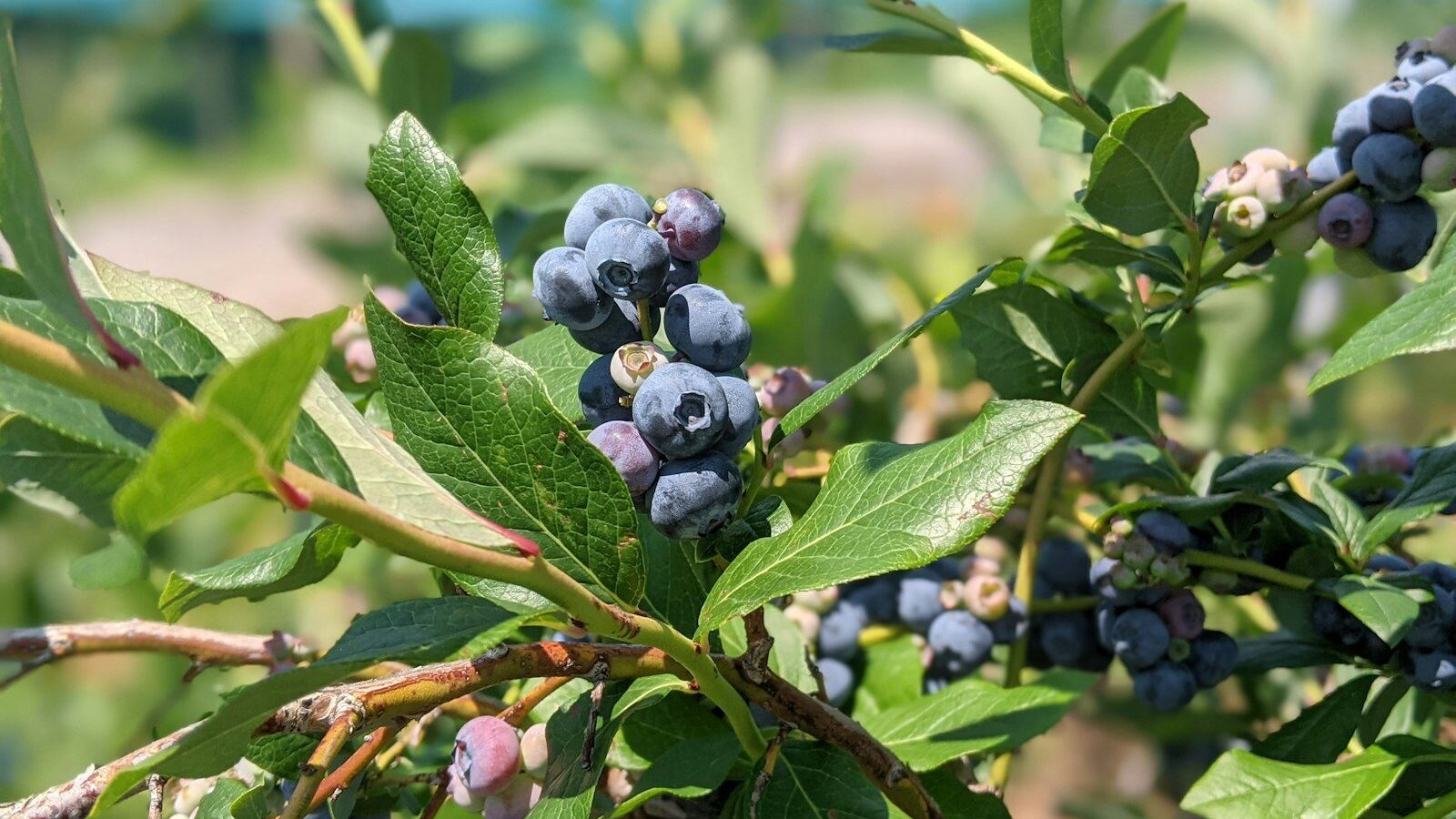
Chokeberry (Aronia) is a North American native shrub that has quietly become a favorite of edible-landscape gardeners, wildlife enthusiasts, and anyone who wants maximum payoff for minimum fuss. The two species you will meet are black chokeberry (Aronia melanocarpa), prized for its glossy dark berries packed with antioxidants, and red chokeberry (Aronia arbutifolia), grown more for its brilliant red fruit and spectacular fall color. Both bear clusters of white spring flowers, hold their berries well into winter, and turn dazzling shades of scarlet and burgundy in autumn. The berries are famously astringent eaten raw — hence the name — but cook down beautifully into juice, jam, syrup, and wine, and they are among the richest known sources of antioxidants. Best of all, chokeberry is tough, adaptable, cold-hardy, and almost entirely free of pests and diseases. This guide covers zones, soil, planting, watering, pruning, and harvesting.
Key Takeaways
- Chokeberry is exceptionally cold-hardy, thriving in USDA zones 3–8, and grows in full sun to part shade.
- It prefers moist, acidic, well-drained soil but tolerates clay, wet ground, drought, and poor soil once established.
- Full sun gives the heaviest fruit set and the most intense fall color; shade reduces both.
- Plant in spring or fall, space 4–6 feet apart, and mulch well; black chokeberry self-pollinates, so a single plant fruits.
- The dark berries are loaded with antioxidants — too astringent raw but excellent in juice, jam, and syrup.
- Prune in late winter to remove old stems and suckers; the shrub spreads slowly into a colony.
Hardiness Zones and Light
Chokeberry is one of the cold-hardiest fruiting shrubs you can grow, reliable from USDA zones 3 through 8. It sails through brutal northern winters that would kill many berry bushes, which is part of why it has become a commercial crop in cold climates. It handles summer heat in the warmer end of its range too, making it genuinely four-season hardy across most of the country.
For light, chokeberry is flexible but performs best in full sun. Plants grown in six or more hours of direct sun flower more heavily, set far more fruit, and produce the deepest, most reliable fall color — the scarlet and crimson autumn display that makes red chokeberry a landscape favorite really depends on good light. The shrub still grows and survives in partial shade, but you trade away berry yield and color intensity for it. If your goal is a serious harvest or a blazing fall show, give it the sunniest spot you can; if you just want an easy, adaptable native filler, light shade is acceptable.
Soil and Site
In the wild, chokeberry grows in everything from wet bogs and swamp edges to dry, rocky woodland clearings, and that range tells you how adaptable it is in the garden. Its ideal soil is moist, well-drained, and on the acidic side — roughly pH 5.0 to 6.5 — enriched with organic matter, much like the conditions that suit blueberries, to which it is related. Acidic, humus-rich ground produces the lushest growth and best fruiting.
That said, chokeberry’s claim to fame is tolerance. It copes with heavy clay, wet and poorly drained soil, periodic drought, salt, and generally poor or compacted ground that defeats most fruiting shrubs. This makes it a superb plant for problem areas — boggy low spots, rain gardens, slopes needing erosion control, or roadside and parking-strip plantings where salt and neglect are facts of life. It is not picky about pH either, growing acceptably in neutral soil, though strongly alkaline conditions can cause some leaf yellowing that a layer of acidic mulch corrects. Whatever your soil, mulch the root zone with 2–3 inches of bark or wood chips to retain moisture and feed the soil over time.
How to Plant Chokeberry
Plant container or bare-root chokeberry in spring or fall. Spring planting suits the coldest zones so the shrub establishes before winter; fall works well in milder areas. Dig a hole as deep as the root ball and two to three times as wide, set the plant with its root flare level with the surrounding soil, backfill with native soil amended with compost, and water deeply to settle it in.
Space plants about 4 to 6 feet apart for individual shrubs, or 3 feet apart if you want them to grow together into a hedge or thicket. One of the most convenient features of black chokeberry is that it is self-pollinating — a single plant will set a full crop of fruit without a partner, unlike many berry bushes that need cross-pollination. Planting more than one still boosts overall yields and gives the pollinators more to work with, but it is not required. Water new plants regularly through their first growing season, and apply a layer of mulch to lock in moisture and suppress weeds while the roots take hold. Chokeberry also grows well in large containers if you keep it watered.
Watering and Feeding
During the establishment phase — the first one to two years — keep the soil consistently moist to build a strong root system. After that, an established chokeberry is remarkably self-sufficient and drought-tolerant, though it always fruits best with steady moisture during the growing and berry-ripening season. In a naturally damp site, supplemental watering may be unnecessary; in dry summers, a deep soak every week or two during fruit development improves both yield and berry size.
Feeding is minimal. Chokeberry is not a hungry plant, and overfeeding with nitrogen just produces leafy growth at the expense of berries. A light application of a balanced or acid-loving fertilizer in early spring, or simply a yearly top-dressing of compost, keeps it productive. If leaves yellow between the veins, the soil is likely too alkaline — mulch with pine bark and use an acid-formulated fertilizer to green it back up. For another low-care native shrub that thrives in similar moist, acidic conditions and looks great planted nearby, see our guide on how to grow Itea (Virginia sweetspire).
Pruning and Managing Suckers
Chokeberry needs little pruning, but a bit of attention keeps it vigorous and productive. The best time to prune is late winter to early spring, while the shrub is dormant, before new growth begins. Because it flowers and fruits on older wood, this dormant timing lets you shape the plant without sacrificing the coming crop.
Focus on removing dead, damaged, or weak stems, thinning out crowded or crossing branches to open the center to light and air, and cutting away the oldest, least productive canes at ground level to encourage fresh, fruitful new growth — a renewal approach much like pruning other multi-stemmed berry bushes. Chokeberry spreads by suckers to form a slowly expanding colony, which is wonderful for naturalizing and erosion control but can be too much in a formal bed. To keep a contained clump, simply dig or mow off the suckers around the perimeter each year. The plant tolerates hard rejuvenation pruning well, so an old, overgrown, sparse shrub can be cut back severely to regenerate. Always use clean, sharp tools.
Flowers, Berries, and Fall Color
Chokeberry earns its place with three distinct seasons of interest. In mid to late spring, flat clusters of small white (occasionally pale pink-tinged) flowers cover the branches, lightly scented and busy with bees and other pollinators. Through summer the green fruit swells, ripening by late summer to early fall into glossy black berries on A. melanocarpa or bright red berries on A. arbutifolia, hanging in generous clusters.
Then the foliage delivers the grand finale: a brilliant fall display of red, orange, scarlet, and purple that ranks among the best of any shrub, particularly intense on red chokeberry. The berries persist on the bare branches well into winter, providing both ornamental interest and a crucial late-season food source for birds — cedar waxwings, robins, and many others strip them as other food grows scarce. This combination of pollinator-friendly flowers, antioxidant-rich edible fruit, fiery foliage, and wildlife value makes chokeberry a standout in a four-season or habitat garden. For more native, multi-season shrubs to build out a wildlife border, browse our Plants & Flowers guides.
Harvesting and Using the Berries
Harvest the berries in late summer to early fall once they are fully colored, plump, and soft — black chokeberries are ready when uniformly deep purple-black, and red types when a rich, full red. Frost actually improves them, softening the astringency and concentrating the sugars, so many growers wait until after the first light frost or even leave some for the birds.
Eaten straight off the bush, chokeberries are intensely tart and astringent — that mouth-puckering quality is the source of the “choke” name, and it is why they are rarely eaten fresh. But cooked and sweetened, they transform. They make outstanding deep-purple juice, jam, jelly, syrup, pie, wine, and baked goods, and the dried berries go into teas and trail mixes. Their real selling point is nutrition: chokeberries are among the most antioxidant-dense fruits known, rich in anthocyanins and vitamin C, which has driven their popularity as a “superfruit.” Process them soon after picking or freeze them for later — frozen berries keep their color and antioxidants well and are easy to cook with straight from the freezer.
Common Problems and Fixes
Excessive Suckering
The main “issue” with chokeberry is its tendency to spread by suckers into a colony. In a wild or naturalized planting this is a benefit; in a tidy bed, dig out unwanted suckers each spring or install a root barrier, and choose your site knowing the plant wants to roam.
Poor Fruiting or Color
Sparse berries and dull fall color almost always come down to too little sun. Move the plant or remove overhanging branches to give it the six-plus hours of direct light it needs for heavy fruiting and vivid autumn foliage.
Yellowing Leaves and Minor Pests
Interveinal yellowing signals soil that is too alkaline — correct it with acidic mulch and fertilizer. Chokeberry is otherwise impressively pest- and disease-free; you may occasionally see minor leaf spots or aphids, but these rarely warrant treatment. For another berry-bearing native with similar toughness, compare our guide on how to grow fothergilla.
Frequently Asked Questions
Can you eat chokeberries raw?
You can, but they are intensely tart and astringent fresh off the bush, which is where the “choke” name comes from. They shine when cooked and sweetened into juice, jam, syrup, pie, or wine. A frost on the berries softens the astringency, and the fruit is among the most antioxidant-rich you can grow.
Do you need two chokeberry plants to get fruit?
No. Black chokeberry (Aronia melanocarpa) is self-pollinating, so a single plant will set a full crop on its own. Planting more than one can increase overall yields and gives pollinators more to forage, but it is not necessary for fruiting.
How cold-hardy is chokeberry?
Extremely. Chokeberry thrives in USDA zones 3–8 and shrugs off harsh northern winters that kill many berry bushes, which is why it is grown commercially in cold climates. It also tolerates heat in the warmer end of its range, making it dependable across most of the country.
How big does chokeberry get?
Black chokeberry typically reaches 3–6 feet tall and wide, while red chokeberry is taller and more upright at 6–10 feet. Both spread slowly by suckers into wider clumps. Compact cultivars like ‘Autumn Magic’ and ‘Iroquois Beauty’ stay smaller for tight spaces.
When should I prune chokeberry?
Prune in late winter to early spring while the shrub is dormant. Remove dead, damaged, and the oldest unproductive stems at ground level, thin crowded branches, and cut back suckers to control spread. The plant tolerates hard rejuvenation pruning, so old, sparse shrubs can be cut back severely to renew them.
Chokeberry is the rare shrub that asks for almost nothing and gives back in every season — spring flowers for the bees, antioxidant-packed berries for your kitchen and the birds, and fall foliage that rivals any maple. Plant it in sun, give it a moist acidic start, prune lightly in late winter, and this tough, cold-hardy native will reward you for decades.