

Poison ivy is the rare yard weed that can put you in urgent care, so getting rid of it is as much about protecting your skin as it is about killing the plant. The toxin behind the misery is urushiol, an oil present in every part of the plant—leaves, stems, roots, and even bare winter vines—that triggers an allergic rash in roughly 75 to 85 percent of people. The good news: poison ivy is killable and removable, but only if you respect the oil, suit up properly, and follow through on the roots. This guide walks you through positive identification, manual removal that does not get you covered in blisters, the chemical options that actually work, safe disposal, and how to keep it from creeping back.
Key Takeaways
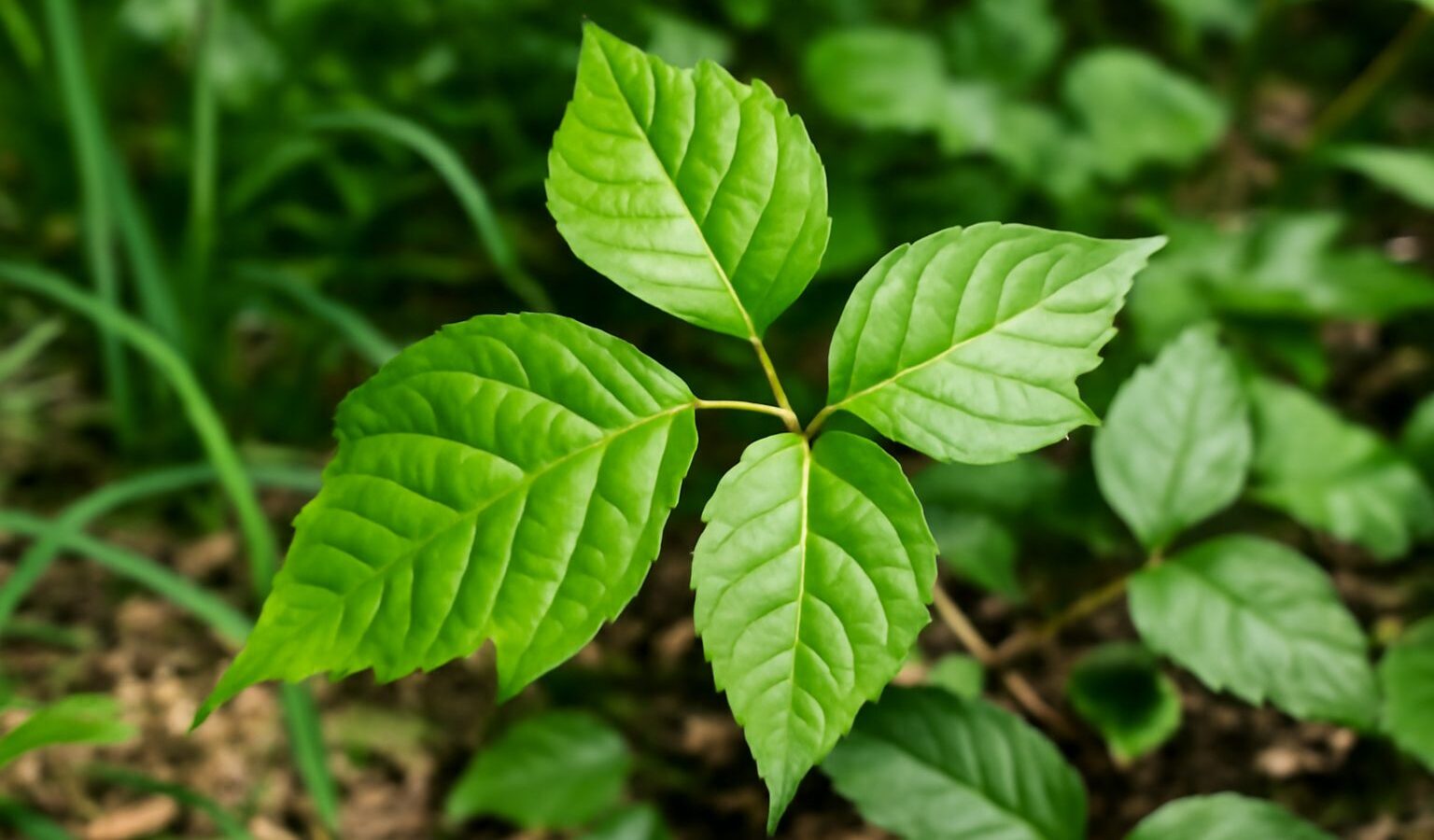
- Identify before you touch: “Leaves of three, let it be”—three almond-shaped leaflets, the middle one on a longer stalk, with a reddish tint in spring.
- Urushiol is on every part, year-round. Bare vines in winter still cause rashes, so suit up regardless of season.
- Never burn it. Inhaled urushiol-laden smoke can cause severe lung reactions—this is a medical emergency.
- Manual removal works if you wear nitrile gloves, long sleeves, and pull the entire root system after rain.
- Glyphosate or triclopyr are the most reliable herbicides; expect to retreat regrowth in 2–4 weeks.
- Wash everything with degreasing soap—skin within 10 minutes, plus tools and clothing—because urushiol stays active for years on surfaces.
Identify poison ivy with confidence
Before you spend an afternoon battling a vine, make sure it is actually poison ivy and not a harmless lookalike like Virginia creeper (five leaflets) or boxelder seedlings (opposite leaves). Poison ivy (Toxicodendron radicans in the East, Toxicodendron rydbergii in the West and North) is famous for its three-leaflet clusters, but the details matter.
- Three leaflets, alternate arrangement. The two side leaflets sit nearly flush against the stem, while the center leaflet rides on a noticeably longer stalk. Leaflet edges may be smooth, toothed, or lobed—variability is normal.
- Color shifts by season. New spring growth is often glossy and reddish-bronze, summer leaves turn dull green, and fall foliage flares yellow, orange, and red. That fall color is striking but still loaded with urushiol.
- Growth habit varies. It can sprawl as ground cover, stand as a low shrub, or climb trees and fences as a thick, hairy vine. The “hairy” aerial rootlets clinging to bark are a dead giveaway in winter when leaves are gone.
- Berries. Clusters of waxy, greenish-white berries appear in late summer—another identification clue and a way birds spread seed into your yard.
If you are unsure, do not handle it bare-handed to “test” it. Photograph it and compare against a regional extension-service guide, or treat any three-leaflet vine as poison ivy until proven otherwise.
Gear up: protective equipment that actually blocks urushiol
Urushiol binds to skin within minutes and penetrates fabric over time, so your barrier matters more than your speed. Assemble this before you start, and treat everything you wear as contaminated afterward.
- Nitrile or heavy vinyl gloves. Urushiol passes through latex and thin disposable gloves, and it soaks into leather and cotton garden gloves permanently. Use disposable nitrile, ideally doubled, or wear them under elbow-length rubber gloves.
- Long sleeves and long pants you can wash on hot immediately—or better, dispose of. Tuck sleeves into gloves and pant legs into socks.
- Closed shoes or rubber boots that can be hosed and wiped down. Avoid mesh sneakers.
- Safety glasses to keep sap out of your eyes when cutting vines.
- A barrier cream containing bentoquatam (sold over the counter) on any exposed skin adds a useful second line of defense, though it is no substitute for covering up.
Work on a cool, calm, dry day. Heat makes you sweat and tempts you to push up your sleeves, and wind can fling sap. Plan your washing station before you start so you are not walking contaminated gloves through the house.
Method 1: Manual removal (best for small to medium patches)
Hand-pulling is the fastest way to clear poison ivy from a bed where you cannot spray, and it is the only method that removes the plant immediately. The catch is that poison ivy spreads by deep, ropey rhizomes, so leaving root fragments behind guarantees regrowth.
- Wait for soft ground. Pull a day after a soaking rain or after deep watering. Moist soil releases the roots instead of snapping them.
- Grasp low and pull slowly. Grip at the base and lift steadily so the rhizome comes with it. For climbing vines, sever the vine at the base first, then carefully detach it from the tree—dead aerial vines are still toxic.
- Dig out the roots. Follow each runner with a hand fork or trowel and remove every white rhizome you can find. This is where most of the regrowth comes from.
- Bag as you go. Drop plant material straight into a heavy contractor bag rather than piling it on the lawn.
- Do not shake off soil or compost the plants—both spread urushiol and viable root pieces.
For vines too established to pull, the “cut-and-treat” hybrid below is more reliable. And whatever you do, never tackle a large infestation with a string trimmer or mower—it aerosolizes sap and flings it onto your skin and clothing.
Method 2: Chemical control that works
Poison ivy has a waxy cuticle and deep roots, so it shrugs off a single light spray. Two active ingredients give consistent results, and timing makes the difference between a kill and a temporary scorch.
Glyphosate
A systemic, non-selective herbicide, glyphosate (the active ingredient in many lawn and landscape weed products) is translocated down into the roots, which is exactly what you need for a rhizomatous weed. Apply a concentrated brush-killer formulation to actively growing foliage in late spring through summer, when the plant is moving sugars—and herbicide—toward its roots. It kills anything green it touches, so shield desirable plants and never spray on a windy day.
Triclopyr
Triclopyr is the more aggressive choice for woody vines and is selective enough to spare most grasses, making it useful where poison ivy threads through a lawn edge. Brush-killer products built around triclopyr are formulated specifically for vines and brush. It also excels in the cut-and-paint technique: sever a climbing vine near the ground and immediately dab full-strength triclopyr concentrate onto the fresh cut surface with a disposable brush. The plant pulls the herbicide straight into its root system.
- Best timing: late spring to early summer when leaves are mature, or after summer flowering when the plant is storing energy in its roots.
- Expect regrowth. Even a good treatment usually needs a follow-up spray on resprouts 2 to 4 weeks later. A stubborn vine may take two seasons to eradicate.
- Leave dead plants in place for several days, then remove them with full protective gear—dead poison ivy is just as toxic.
- Read the label. Mind setbacks from water, edibles, and tree root zones; follow the rate exactly.
Disposal and decontamination
Removing the plant is only half the job. Urushiol is remarkably stable—it can remain active on tools, gloves, and dead vines for years—so decontamination prevents the delayed rash that catches people weeks later.
- Never burn poison ivy. Smoke carries urushiol into your lungs and onto everyone downwind, causing rashes inside the airways that can require emergency treatment. This is the single most dangerous mistake people make.
- Bag and trash it. Double-bag plant material in heavy contractor bags and put it in household waste. Do not compost it and do not add it to municipal yard-waste pickup unless your provider explicitly allows it.
- Wash your skin within 10 minutes using cool water and a degreasing soap (dish soap or a dedicated urushiol-removal wash). Hot water opens pores and spreads the oil; scrub fingernails and wrists.
- Decontaminate tools with rubbing alcohol or hot soapy water, including shovel handles and pruner blades.
- Wash clothing separately on the hottest safe setting, and run an empty hot cycle afterward. Wipe down boots and glove exteriors before removing them.
If a rash develops, calamine lotion, cool compresses, and over-the-counter hydrocortisone manage mild cases. See a doctor if the rash covers a large area, reaches the face or genitals, or if you have any trouble breathing.
Prevent poison ivy from coming back
Eradication is rarely one-and-done because birds drop fresh seed and surviving root fragments resprout. Build a habit of monitoring and quick response.
- Patrol fence lines and tree bases monthly in the growing season—these are the spots where vines re-establish first.
- Pull seedlings while tiny. A two-leaf sprout comes out with a quick tug and has no real root system yet. Catching them early prevents the deep rhizomes that make mature plants so hard to remove.
- Mulch cleared areas 3 inches deep to suppress germinating seed, and consider planting dense, desirable ground cover to crowd out new growth.
- Keep beds and edges tidy so new vines have nowhere to hide—poison ivy thrives in neglected, shady margins. Good general landscape maintenance and clean bed edges are your best long-term defense.
- Educate the household. Make sure everyone—especially kids—can recognize the three-leaflet pattern before reaching into shrubs or climbing trees.
Stay consistent for a full season or two and you will break the cycle. For broader yard problems beyond poison ivy, our outdoor living and landscaping resources cover the rest of your weed-management plan.
Frequently Asked Questions
Will vinegar or salt kill poison ivy?
Horticultural vinegar and salt solutions can scorch the leaves and may kill small seedlings, but they are contact-only and do not reach the deep rhizomes, so established plants almost always resprout. They also sterilize the soil, harming anything you want to grow there later. For mature poison ivy, a systemic herbicide like glyphosate or triclopyr is far more reliable.
Can I get a rash from dead poison ivy in winter?
Yes. Urushiol is present in the roots and bare vines all year and remains active for a long time even on dead material. The fuzzy aerial vines climbing a tree in January will still give you a rash, so wear full protective gear no matter the season.
How long does it take to fully kill a poison ivy vine?
A well-timed herbicide treatment browns the foliage within one to two weeks, but expect resprouts. Plan on a follow-up spray two to four weeks later, and a large, established vine may take a second growing season to fully eradicate. Persistence on the regrowth is what finishes the job.
Is it safe to mow or weed-whack poison ivy?
No. String trimmers and mowers shatter the plant and aerosolize urushiol-laden sap, spraying it onto your skin, clothing, and face. Pull or cut by hand with proper gloves, or treat chemically—never shred it with power tools.
My pet runs through poison ivy—can it affect me?
Yes, indirectly. Most animals are not affected by urushiol, but the oil clings to their fur and transfers to you when you pet them. Bathe pets with gloves on and degreasing shampoo after they have been in an infested area, and wash your hands afterward.