

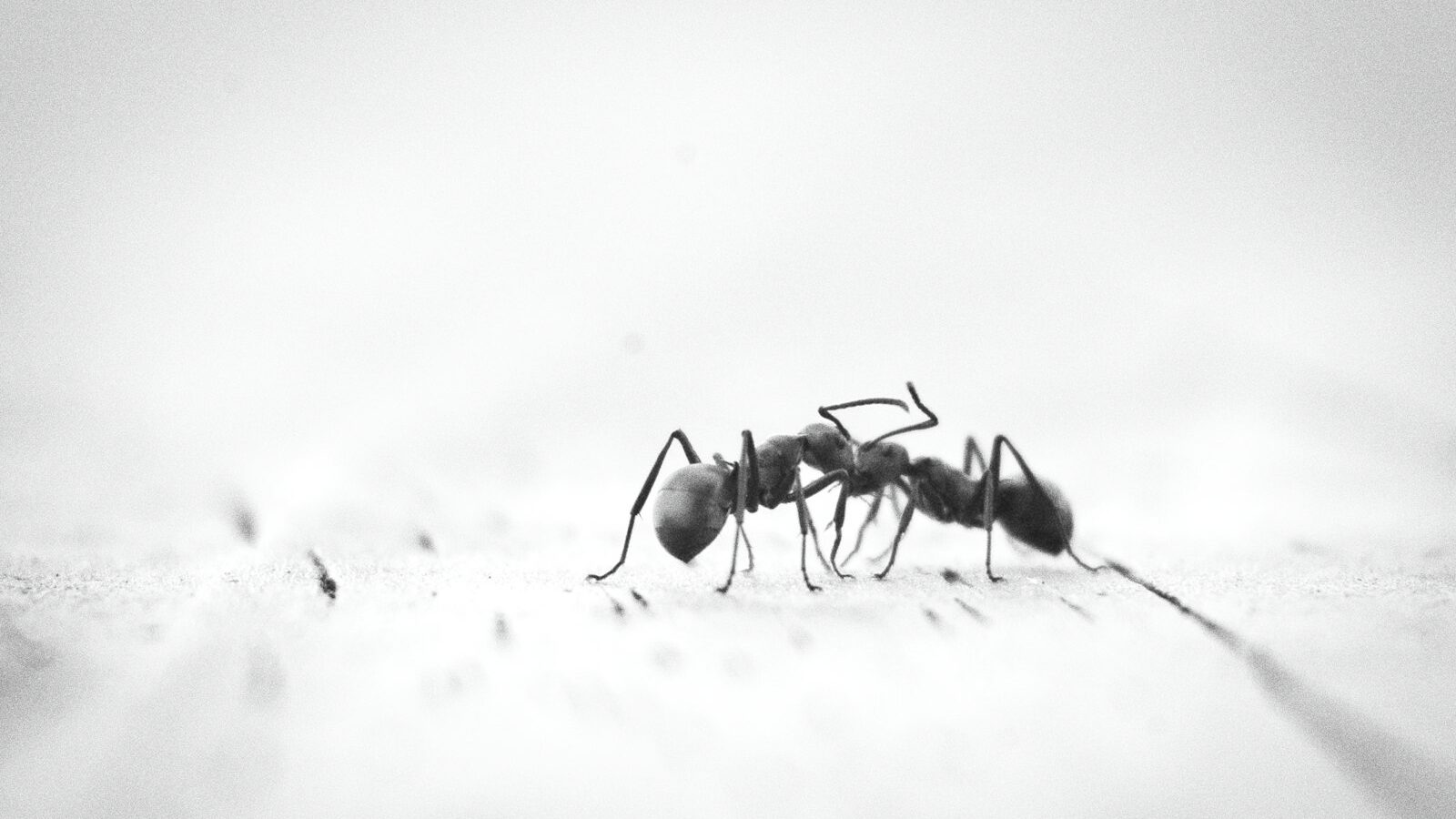
A few ants on the kitchen counter can turn into a marching trail almost overnight. Once scout ants find a crumb or a sticky spill, they lay down a scent trail and recruit the rest of the colony. The good news: most household ant problems can be solved with a methodical, do-it-yourself approach. This guide walks you through identifying the ants you’re dealing with, why they came inside, how to eliminate them with bait, and how to keep them out of your house and yard for good. We’ll also flag the situations where calling a professional saves you time, money, and your woodwork.
Identify the Ant You’re Dealing With
Treatment changes depending on the species, so spend a minute figuring out who’s visiting. These are the three most common house ants in the United States:
- Odorous house ants: Small, dark brown to black, and famous for the rotten-coconut smell they give off when crushed. They love sweets and often trail along countertops and baseboards.
- Pavement ants: Dark brown, slightly larger, and typically nesting under sidewalks, driveways, and slabs. You’ll see small piles of displaced soil along cracks. They’ll eat almost anything.
- Carpenter ants: Large (up to half an inch) and usually black. Unlike termites they don’t eat wood, but they excavate galleries inside it to nest, leaving small piles of sawdust-like shavings (frass). Carpenter ants can cause real structural damage over time, so they warrant the most serious response.
If you spot large black ants, sawdust shavings, or hear a faint rustling inside walls, treat it as a possible carpenter ant problem and read the “when to call a pro” section below.
Why Ants Come Inside
Ants come indoors for three basic reasons: food, water, and shelter. A single greasy spot behind the toaster, a leaking pipe under the sink, or a warm wall void during a cold snap is all the invitation they need. Sugary residue, pet food, overripe fruit, and crumbs in the pantry are the biggest draws. Outside, hot dry spells and heavy rain both push ants to seek easier resources inside your home. Understanding the “why” tells you exactly what to fix.
Step-by-Step: How to Get Rid of Ants in the House
1. Remove Food and Water Sources
Start by starving the colony. Wipe counters with soapy water or a vinegar solution to erase scent trails, store sugar, honey, and pet food in airtight containers, and take out the trash regularly. Fix dripping faucets and dry up condensation around sinks. The cleaner and drier your kitchen, the less reason ants have to stay.
2. Seal Entry Points
Follow the trail to where it disappears into a wall, window frame, or baseboard. Caulk gaps around windows and doors, seal cracks in the foundation, add weatherstripping, and patch holes where utility lines enter the house. Sealing entry points is the single most effective long-term move because it blocks the next colony as well as the current one.
3. Use Ant Bait, Not Just Spray
This is the step most people get wrong. Spraying the visible ants kills the foragers but does nothing to the nest, which keeps producing more. Worse, repellent sprays can cause some colonies to “bud” and split into multiple nests. Instead, set out slow-acting ant bait (gel or bait stations). Worker ants carry the bait back and feed it to the queen and larvae, collapsing the colony from the inside.
- Place bait directly on active trails, not where you think ants should go.
- Resist the urge to wipe up the ants feeding on it — that’s the bait doing its job.
- Offer both sweet and protein/grease-based baits, since ant preferences shift seasonally.
- Give it 1-2 weeks. Activity often spikes briefly before it crashes.
4. Try Natural Options
If you prefer a low-chemical approach, several natural tactics help, especially for light infestations. Diatomaceous earth (food-grade) is a fine powder that dehydrates ants when they walk through it — dust a thin line along entry points and dry areas, and reapply after it gets wet. A 50/50 white vinegar and water spray erases trails. Sprinkling cinnamon, coffee grounds, or peppermint oil at entry points can deter scouts. These work best as supplements to baiting and sealing, not as standalone cures for a large colony.
Free, no-obligation quote · Connect with a local pro
Find and Treat the Nest
Eliminating the colony at its source is the most permanent fix. Watch where the trail leads after the workers finish feeding — it usually points back toward the nest. Indoor nests often hide in wall voids, behind cabinets, under appliances, or in potted plants. Outdoor nests show up as small soil mounds along foundations, under stepping stones, in mulch beds, or inside rotting wood and tree stumps.
Once you’ve located it, place bait stations along the route between the nest and the food source so foragers carry the poison home. For accessible outdoor mounds, you can apply a labeled outdoor ant treatment directly. Avoid pouring boiling water or strong repellents on a nest you can’t fully reach — it often just relocates the colony rather than killing it.
Outdoor and Yard Prevention
Stopping ants in the yard keeps them from ever reaching your kitchen. A few habits make a big difference:
- Keep mulch, soil, and firewood several inches away from the foundation, and store firewood off the ground and away from the house.
- Trim back tree branches and shrubs that touch the house — they act as bridges indoors.
- Control aphids on your plants. Aphids secrete honeydew that ants farm and feed on, which draws colonies right up to your walls. See our guide on how to get rid of aphids.
- Fix outdoor drainage and standing water; the same moisture that attracts ants also breeds other pests. Our tips on getting rid of mosquitoes in your yard tackle the same problem areas.
- Clean up fallen fruit, pet food bowls, and outdoor trash that give colonies an easy meal.
Where ants thrive, other pests usually follow. If you’re battling more than one invader, our guides on getting rid of cockroaches use many of the same sanitation and exclusion principles.
Free, no-obligation quote · Connect with a local pro
When to Call a Pro
DIY methods handle most odorous house ant and pavement ant problems. Call a licensed professional when:
- You suspect carpenter ants. Because they tunnel into structural wood, getting the treatment and the nest location right matters — a pro can find hidden galleries and stop the damage before it spreads.
- The infestation keeps coming back after weeks of baiting and sealing, which often means a large or multi-nest colony.
- You can’t locate the nest or it’s inside a wall, slab, or other hard-to-reach void.
- The colony is huge or you’re seeing winged swarmers, a sign of an established, reproducing population.
A professional has access to targeted products, can treat the whole structure rather than chasing trails, and will often guarantee the work for a set period. For carpenter ants in particular, an expert inspection can reveal moisture problems or rotting wood that caused the infestation in the first place, so you fix the root cause and not just the symptom. Compare quotes from vetted pest control pros serving your area, and check our service locations to find help near you.
Frequently Asked Questions
What is the fastest way to get rid of ants in the house?
Wipe down trails to remove the scent, then place ant bait directly on active routes. Bait works slower than spraying the ants you see, but it’s the fastest path to actually eliminating the colony — usually within one to two weeks.
Why do I suddenly have so many ants?
A sudden surge usually means scouts found a reliable food or water source and recruited the colony. Weather swings — heavy rain or hot dry spells — also drive ants indoors looking for resources.
Does killing the ants I see solve the problem?
No. The visible foragers are a small fraction of the colony. Unless you reach the queen and nest — which bait does and spray doesn’t — new workers keep appearing.
Are ants in the house dangerous?
Most house ants are a nuisance rather than a health threat, though they can contaminate food. Carpenter ants are the exception — they damage wood and should be addressed quickly.
Does diatomaceous earth really kill ants?
Yes, food-grade diatomaceous earth dehydrates ants that crawl through it. It only works while dry, so apply thin lines in protected indoor areas and reapply after any moisture. Pair it with baiting for the best results.
Need a pro to handle it?
Compare free, no-obligation quotes from vetted local pest control pros near you.