

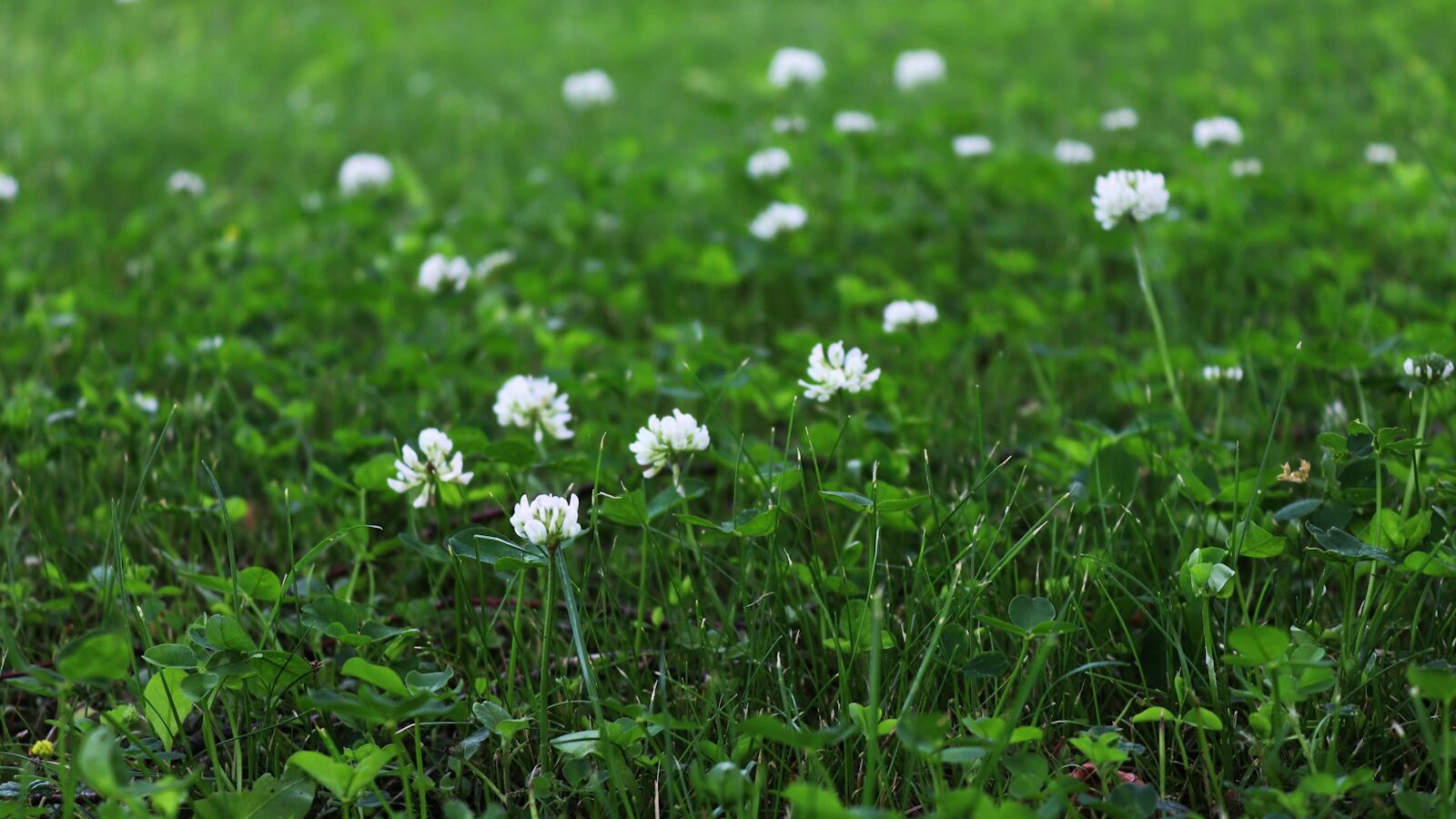
White clover popping up in your lawn is one of the most common questions homeowners ask, and the answer is more interesting than “spray it and forget it.” Clover is a natural sign that tells you something about your soil and your lawn care habits, and understanding why it appeared is the first step to deciding whether to remove it or learn to love it. This guide walks through what clover is telling you, every realistic removal method from gentle to nuclear, and the one long-term fix that keeps it from coming back.
In this guide
Key takeaways
- Clover thrives in low-nitrogen, thin lawns
- Feeding with nitrogen often crowds it out
- Mow higher; clover hates competition & shade
- Selective broadleaf herbicides work as a last resort
- Some people keep clover on purpose
As an Amazon Associate we earn from qualifying purchases.
Why clover shows up in your lawn
Clover is not a random invader. It is an opportunist that fills the gaps grass leaves behind, and the most common clover in U.S. lawns, white clover (Trifolium repens), is a low-growing perennial that spreads by creeping stems. When you see it taking over, it is almost always responding to specific conditions your grass is struggling with. Fix those conditions and you fix the clover, often without ever touching an herbicide.
Low soil nitrogen
This is the big one. Clover is a legume, which means it partners with soil bacteria to pull nitrogen straight out of the air and convert it into fertilizer it can use. Grass cannot do this. So in a nitrogen-poor lawn, clover has a massive competitive advantage. If your lawn is hungry, clover eats while your grass starves. A nitrogen-deficient lawn often looks pale, thin, and slow-growing, with clover patches that are noticeably greener and lusher than the turf around them.
Thin, compacted, or stressed turf
Bare spots, compacted soil from foot traffic, and drought-stressed grass all leave openings. Clover seeds and creeping stems move right into those gaps. Heavy clay soils and lawns that never get aerated are especially prone, because compaction chokes out grass roots while clover’s shallow, spreading habit tolerates the same conditions just fine.
Mowing too low
Scalping your lawn is an open invitation to clover. Most cool-season grasses want to be cut at 3 to 4 inches, but many homeowners mow at 1.5 to 2 inches because it looks tidy. The problem is that short grass has less leaf surface to capture sunlight, shallower roots, and more exposed soil between blades. Clover, which grows low to the ground, barely notices a low mow and gets all the sunlight it wants.
Should you even get rid of clover?
Before you declare war, it is worth a pause. For decades, clover was a deliberate ingredient in lawn seed mixes, and it only fell out of fashion when broadleaf herbicides hit the market in the 1950s and killed it along with the weeds. Many lawn experts and ecologists now argue clover was unfairly demonized.
The case for keeping it
- It fertilizes for free. Clover fixes nitrogen into your soil, feeding the surrounding grass and reducing how much fertilizer you need.
- It helps pollinators. Clover flowers are a valuable nectar source for honeybees and native bees.
- It stays green in drought. Clover’s deeper roots keep it green when grass goes dormant and brown in summer heat.
- It crowds out worse weeds. A dense clover-and-grass mix leaves little room for crabgrass and other invaders.
- It needs less mowing and water. Less input, lower maintenance.
The case for removing it
Clover is not for everyone. The flowers attract bees, which is a real problem if you have kids running barefoot or anyone with a sting allergy. It can stain clothing and shoes, it grows in irregular patches that some people find untidy, and it does not stand up to heavy foot traffic the way a thick turf lawn does. If you want a uniform, monoculture lawn, clover will always look like an interruption. Both views are valid, so the rest of this guide assumes you want it gone but ends with a note on embracing it.
Free, no-obligation quote · Connect with a local pro
The nitrogen fix: feed your lawn
Because clover thrives where nitrogen is scarce, the single most effective long-term move is to feed your grass well. When you raise soil nitrogen, you erase clover’s main advantage and let the grass outcompete it. This is slow but it is the method that actually addresses the root cause rather than the symptom.
How to do it
Apply a nitrogen-rich lawn fertilizer according to a seasonal plan rather than dumping it all at once. Look for a product with a high first number in the N-P-K ratio (for example 24-0-4 or similar). A slow-release formula feeds steadily over six to eight weeks and avoids the surge-and-crash cycle of cheap quick-release products. You can browse options like a nitrogen lawn fertilizer and match the bag size to your lawn’s square footage.
Timing matters as much as the product. Cool-season lawns respond best to feeding in early fall and spring; warm-season lawns prefer late spring through summer. For a month-by-month plan that keeps nitrogen consistent without burning your turf, see our lawn fertilizer schedule. Stay consistent for a full season and you will usually watch clover thin out on its own as the grass thickens above it.
Mow higher and starve it of light
This costs nothing and works alongside every other method. Clover is a low-growing plant that depends on reaching sunlight near the soil surface. Tall grass shades it out.
- Raise your mower deck to 3 to 4 inches for most cool-season grasses.
- Never remove more than one-third of the blade height in a single mow.
- Keep your mower blade sharp; a clean cut means healthier, denser grass.
- Leave the clippings (grasscycle) to return nitrogen to the soil.
Taller grass also develops deeper roots and tolerates drought better, which closes off the bare, stressed spots clover loves to colonize. Combined with steady feeding, mowing high is half the battle.
Hand-pulling and natural removal options
If you have small or scattered patches and prefer to keep chemicals off your lawn, you have several low-tech options. None are as fast as a herbicide, but they avoid collateral damage to soil life and pollinators.
Hand-pulling
For small clumps, hand-pulling works if you get the roots. Loosen the soil first, then grip at the base and pull slowly so the creeping stems and roots come up together. Do it after rain or watering when the soil is soft. Clover spreads by stolons, so leaving root fragments behind means it will return; be thorough and check the area again in a week or two.
Smothering
For a defined patch, deprive it of light and air. Cover the area with cardboard or a plastic sheet for a few weeks. The clover will die off, though so will the grass beneath, so this is best for spots you plan to reseed anyway.
Vinegar and corn gluten meal
Horticultural vinegar (higher acetic acid than kitchen vinegar) can burn back clover foliage, but it is non-selective and will damage any grass it touches, so spot-treat carefully with a small brush or targeted sprayer. It kills the top growth but often not the roots, so expect repeat applications.
Corn gluten meal is a natural pre-emergent that suppresses new clover seeds from germinating and adds a small nitrogen boost as a bonus, which doubles down on the feeding strategy. It will not kill established clover, so think of it as prevention for next season rather than a cure for what is already growing. For a broader rundown of chemical-free tactics, see our guide on how to get rid of lawn weeds.
Selective broadleaf herbicides: the last resort
When clover has spread across a large area and the slower methods are not keeping up, a selective broadleaf herbicide is the fastest fix. “Selective” means it targets broadleaf plants like clover while leaving grass unharmed, so you can spray a whole lawn without killing the turf.
What to look for
Choose a post-emergent broadleaf product containing ingredients such as 2,4-D, MCPP (mecoprop), dicamba, or quinclorac, which are effective on clover. A combination “three-way” formula tends to work better on clover than a single active ingredient. Browse a broadleaf weed killer and confirm the label lists clover and your specific grass type.
- Apply when clover is actively growing, on a calm, dry day with no rain expected for 24 hours.
- Spot-treat rather than blanket-spray where you can, to limit chemical use.
- Read and follow the label exactly, including pet and child re-entry times.
- Avoid spraying near flowering clover that bees are visiting; mow first to remove blooms.
Even after a successful kill, clover comes back if the underlying conditions stay the same. Herbicide buys you a reset, but only the long-term fix below keeps it gone. If clover is just one of several weeds, the same products often tackle others; for example, our guide on how to get rid of crabgrass covers the grassy invaders these formulas may or may not address.
Free, no-obligation quote · Connect with a local pro
The long-term fix: a thick, well-fed lawn
Every method above is a treatment, but the cure is a dense, healthy lawn that leaves clover no room to grow. A thick stand of grass shades the soil, outcompetes seedlings, and keeps nitrogen levels where grass wins. Here is the maintenance loop that gets you there:
- Feed on a schedule. Consistent nitrogen keeps grass ahead of clover all season.
- Mow high and often. Tall grass shades out low-growers.
- Aerate compacted soil. Core aeration once a year relieves compaction so grass roots spread.
- Overseed thin spots. Fill bare areas before clover does.
- Water deeply, not often. Deep, infrequent watering builds strong roots.
Do these consistently and you may never see clover again. A healthy lawn is also the foundation of a usable yard; for the bigger picture of pulling your whole space together, see our outdoor living guide.
A word on microclover lawns
If you find yourself fighting clover every year, consider whether the easier path is to join it. Microclover is a smaller-leaved variety bred to blend into turf rather than form clumps. Mixed into a grass lawn, it stays low, looks tidy, flowers less than regular white clover, and delivers all the free nitrogen and drought tolerance benefits. A microclover-and-fescue lawn needs less fertilizer and less water, and it sidesteps the clover battle entirely by design. It is a genuinely good option for low-maintenance, eco-minded homeowners, and worth a look before you commit to a lifetime of herbicide.
Frequently asked questions
Will clover go away on its own?
Sometimes, but only if the conditions that favored it change. If you start feeding your lawn nitrogen, mowing higher, and thickening the turf, clover often fades within a season or two. Left in a thin, hungry lawn, it will keep spreading.
Does vinegar kill clover permanently?
Not usually. Horticultural vinegar burns the top growth but rarely kills the roots, so clover regrows. It is also non-selective and will damage grass it touches. Expect to reapply and to reseed any spots it scorches.
Will fertilizer alone get rid of clover?
It is the most effective single step because clover thrives in low-nitrogen soil. Feeding the grass removes clover’s main advantage. Combine it with mowing high and overseeding for the fastest, most lasting results.
Is it bad to have clover in your lawn?
Not at all, environmentally. Clover fixes nitrogen, feeds pollinators, stays green in drought, and crowds out worse weeds. The downsides are bee stings near bare feet, staining, and an uneven look. It comes down to personal preference.
What is microclover and is it worth it?
Microclover is a small-leaf clover bred to blend into turf without clumping or heavy flowering. Mixed with grass, it lowers your fertilizer and water needs while staying tidy. For low-maintenance lawns it is often worth choosing over fighting clover every year.
Want a pro to treat your lawn?
Compare free, no-obligation quotes from vetted local lawn treatment pros near you.