

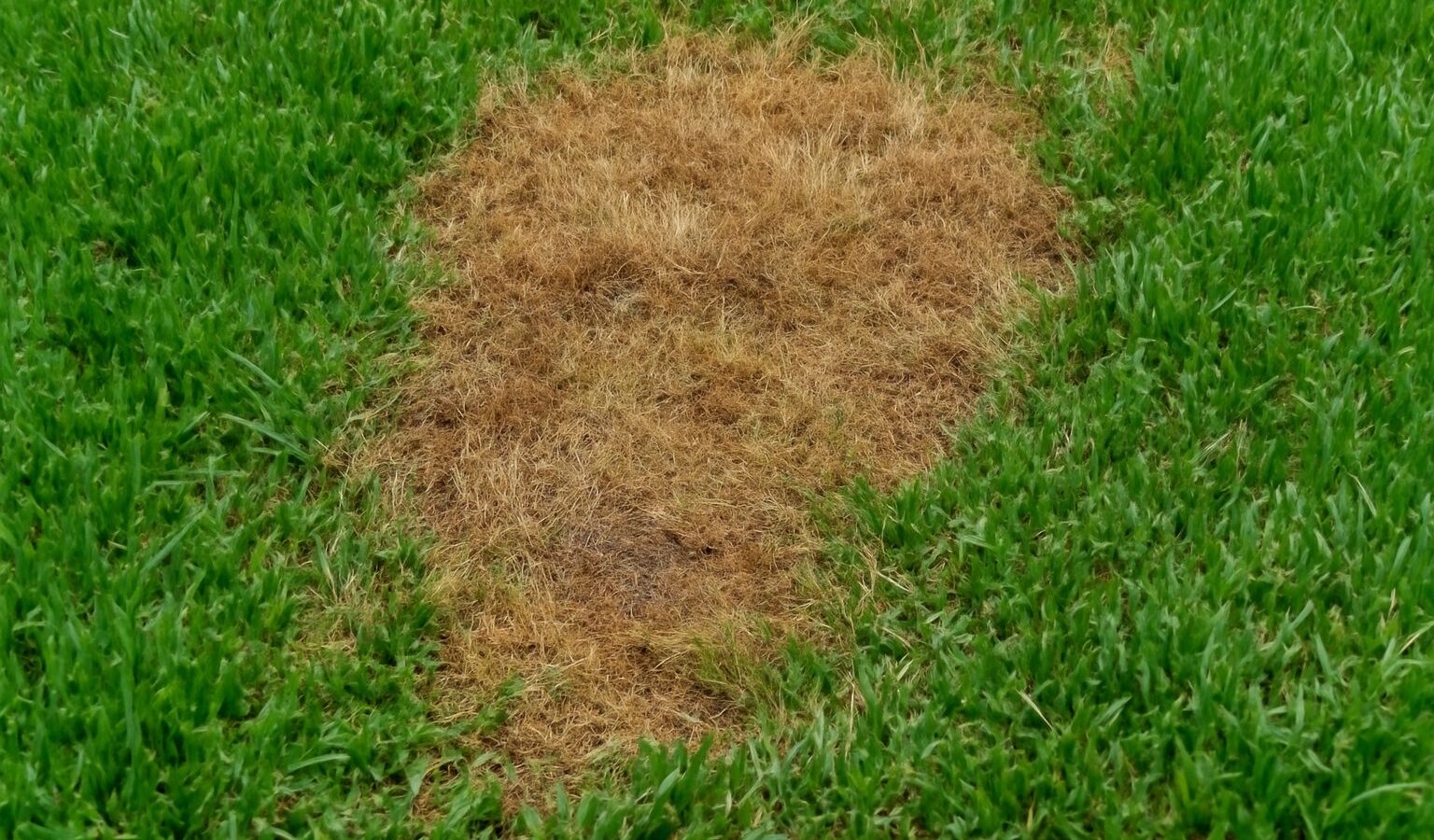
Chinch bugs are tiny sap-sucking insects that can wreck a lawn in a hurry, and their damage is constantly mistaken for drought stress. They cluster in the sunniest, driest parts of the lawn, pierce the grass blades, and inject a toxin that turns turf yellow then straw-brown in spreading, irregular patches. Because the symptoms look exactly like a lawn that just needs water, people often pour on irrigation while the population explodes. This guide shows you how to confirm chinch bugs with a simple float test, which grasses they target, the right insecticides and timing, and the lawn-care changes that make chinch bugs far less likely to return.
Key Takeaways
- Chinch bug damage mimics drought: expanding yellow-brown patches in sunny, dry spots that don’t recover with watering.
- Confirm with the float test or the coffee-can flotation method before treating.
- St. Augustine grass is the prime target; Bermuda, zoysia, and fescue can also be hit.
- Treat the patch edges, where active bugs are spreading, not just the dead center.
- Insecticides: bifenthrin, lambda-cyhalothrin, or clothianidin work; apply when bugs are active (warm weather).
- Prevent recurrence: reduce thatch, water properly, and don’t over-fertilize with quick-release nitrogen.
Identifying Chinch Bugs and Their Damage
Adult chinch bugs are small — about 1/6 inch long — with black bodies and white wings folded flat across the back, marked with a distinctive black triangle. The young nymphs are even smaller and bright red-orange with a pale band, darkening as they mature. They’re easy to miss because they hide down in the thatch at the base of the grass.
The damage shows up first in the hottest, driest, sunniest areas — along sidewalks, driveways, and south-facing slopes. You’ll see yellowing patches that turn brown and dead, and the patches expand outward as the bugs move into adjacent healthy grass. The dead center surrounded by a yellowing, actively-fed-on margin is the classic pattern. Peak damage hits in mid-to-late summer during hot, dry weather.
Confirm With the Float Test
Because the symptoms look like drought, always confirm before treating. Two reliable methods:
- Float test (coffee-can method): Cut both ends off a metal coffee can, push one end a few inches into the soil at the edge of a damaged area (in the yellowing zone, not the dead center), and fill it with water. Keep it topped up for 5-10 minutes. Chinch bugs will float to the surface where you can count them.
- Part-and-look: On hands and knees in the affected margin, spread the grass apart at the soil line and watch for fast-moving little bugs scurrying through the thatch on a warm afternoon.
Finding 20 or more chinch bugs per square foot generally justifies treatment, especially when damage is actively spreading.
The Chinch Bug Life Cycle and Seasonal Timing
Understanding the life cycle tells you when to scout and when to strike. Chinch bugs overwinter as adults tucked into thatch, leaf litter, and the edges of the lawn. As temperatures warm in spring, they become active, mate, and the females lay eggs at the base of grass blades—a single female can lay several hundred over a few weeks. The eggs hatch into the bright red-orange nymphs, which pass through five growth stages, darkening as they mature, and it’s the actively feeding nymphs that do the most damage. In warm southern climates chinch bugs can complete three or four overlapping generations a year, which is why populations explode through the heat of summer; in the cooler North there are typically one or two generations. Peak damage almost always coincides with the hottest, driest stretch of mid-to-late summer, so that’s the window to watch your sunniest, driest turf most closely and to confirm with a float test at the first sign of yellowing.
Which Lawns Are Most at Risk
St. Augustine grass is by far the most susceptible — the southern chinch bug is its number-one insect pest. The hairy chinch bug also attacks cool-season lawns in the North, going after perennial ryegrass, fine and tall fescues, and Kentucky bluegrass. Bermuda and zoysia can be affected but are more tolerant. Lawns with thick thatch layers and those grown in full, baking sun with sandy soil are at the highest risk, because thatch gives the bugs shelter and breeding habitat.
Treating an Active Infestation
Treat when bugs are confirmed and active — warm weather, when they’re feeding. Effective insecticide active ingredients include bifenthrin, lambda-cyhalothrin, and clothianidin. A few application tips that make the difference:
- Target the edges. The dead center is already lost; the live, feeding bugs are in the yellowing margin and the healthy grass just beyond it. Treat there and a buffer around it.
- Mow first and remove clippings so the product reaches the thatch where bugs live.
- Follow the label on watering-in. Some products need to be watered in lightly; others (contact pyrethroids) work better left on the thatch — read the label, since it differs from grub treatments.
- Treat in the late afternoon or evening when bugs are most active near the surface and to protect pollinators.
Insecticidal soap and a strong soapy-water drench can knock back light infestations organically, and natural predators like the big-eyed bug help keep populations in check, which is a reason to avoid blanket-spraying the whole lawn.
Natural Predators and Biological Control
Chinch bugs have several natural enemies, and protecting them is one of the smartest long-term strategies. The big-eyed bug (Geocoris) is the most important—it looks superficially like a chinch bug but is a voracious predator of chinch bug eggs and nymphs, so learn to tell them apart before you reach for a spray. Minute pirate bugs, certain ground beetles, lacewing larvae, and predatory ants all feed on chinch bugs too, and a naturally occurring fungus, Beauveria bassiana, can crash populations during humid weather (it’s also sold as a biological insecticide). Broad-spectrum insecticides wipe out these allies along with the pest, which often leads to a worse rebound—another argument for spot-treating only the active margins rather than blanketing the whole lawn. Endophyte-enhanced fescues and ryegrasses add a built-in biological defense, since the fungal endophytes living in the grass are toxic to surface-feeding insects like chinch bugs.
Troubleshooting Repeat Infestations
If chinch bugs keep coming back year after year despite treatment, the lawn itself is usually the problem rather than the product. Persistent infestations almost always trace to a thick thatch layer that shelters the bugs and absorbs insecticide before it reaches them, to chronic drought stress in baking-sun areas, or to a susceptible grass like a non-resistant St. Augustine variety grown in ideal chinch-bug conditions. Treatment failures can also come from spraying only the dead center (where no live bugs remain), skipping the mow-and-dethatch step so the product never penetrates, or applying during cool weather when the bugs aren’t active near the surface. If you’ve treated correctly and still struggle, consider whether resistance to a particular insecticide class has developed—rotating to a different active ingredient and, over the longer term, renovating to a resistant cultivar often breaks the cycle for good.
Preventing Chinch Bugs From Coming Back
Chinch bugs thrive in stressed, thatchy, over-fertilized lawns, so cultural changes are your best long-term defense:
- Dethatch when the thatch layer exceeds about 1/2 inch — it’s their primary habitat.
- Water deeply and infrequently rather than light daily sprinkles; see our guide on how to water a lawn. Well-watered turf resists chinch-bug damage.
- Go easy on quick-release nitrogen. Lush, over-fertilized growth attracts chinch bugs; use slow-release feeds at moderate rates.
- Choose resistant cultivars when reseeding or re-sodding — some St. Augustine varieties and endophyte-enhanced fescues and ryegrasses resist chinch bugs.
Once the bugs are controlled, reseed or plug the dead areas using the method in our guide on fixing bare spots in a lawn. For more lawn-pest and outdoor projects, see the Outdoor Living hub.
Frequently Asked Questions
How can I tell chinch bug damage from drought?
Both cause yellow-brown patches, but chinch bug damage appears in the sunniest, driest areas, keeps spreading outward, and doesn’t recover with watering. Confirm by using the coffee-can float test or parting the grass at the damaged margins to spot the small black-and-white bugs.
What does the chinch bug float test involve?
Cut both ends off a metal coffee can, push one end into the soil at the edge of a damaged patch, fill it with water, and keep it topped up for 5-10 minutes. Chinch bugs float to the surface so you can count them. About 20+ per square foot warrants treatment.
What grass do chinch bugs attack most?
St. Augustine grass is the prime target of the southern chinch bug. In northern lawns, the hairy chinch bug attacks perennial ryegrass, fescues, and Kentucky bluegrass. Bermuda and zoysia are more tolerant but can still be affected.
What insecticide kills chinch bugs?
Products containing bifenthrin, lambda-cyhalothrin, or clothianidin are effective. Apply when bugs are active in warm weather, treat the spreading edges of the patch rather than the dead center, mow first so the product reaches the thatch, and follow the label’s watering-in instructions.
How do I prevent chinch bugs from returning?
Reduce thatch (dethatch when it exceeds 1/2 inch), water deeply and infrequently, avoid over-applying quick-release nitrogen, and plant resistant cultivars or endophyte-enhanced grasses. Stressed, thatchy, over-fertilized lawns are the most vulnerable.
When is the best time to treat for chinch bugs?
Treat when bugs are confirmed and actively feeding in warm weather, typically through the heat of mid-to-late summer when populations peak. In hot southern climates with several generations a year, you may need to scout and treat more than once. Avoid treating in cool weather, when the bugs aren’t active near the surface and the application is largely wasted.
Do chinch bugs come indoors or bite people?
No. Chinch bugs are strictly outdoor turf and crop pests — they feed on grass, not people or pets, and they don’t bite or transmit disease. Occasionally, when a heavily infested lawn dries out, they may wander onto a patio or up a foundation wall in search of food, but they don’t infest homes and are only a nuisance, not a health concern.