

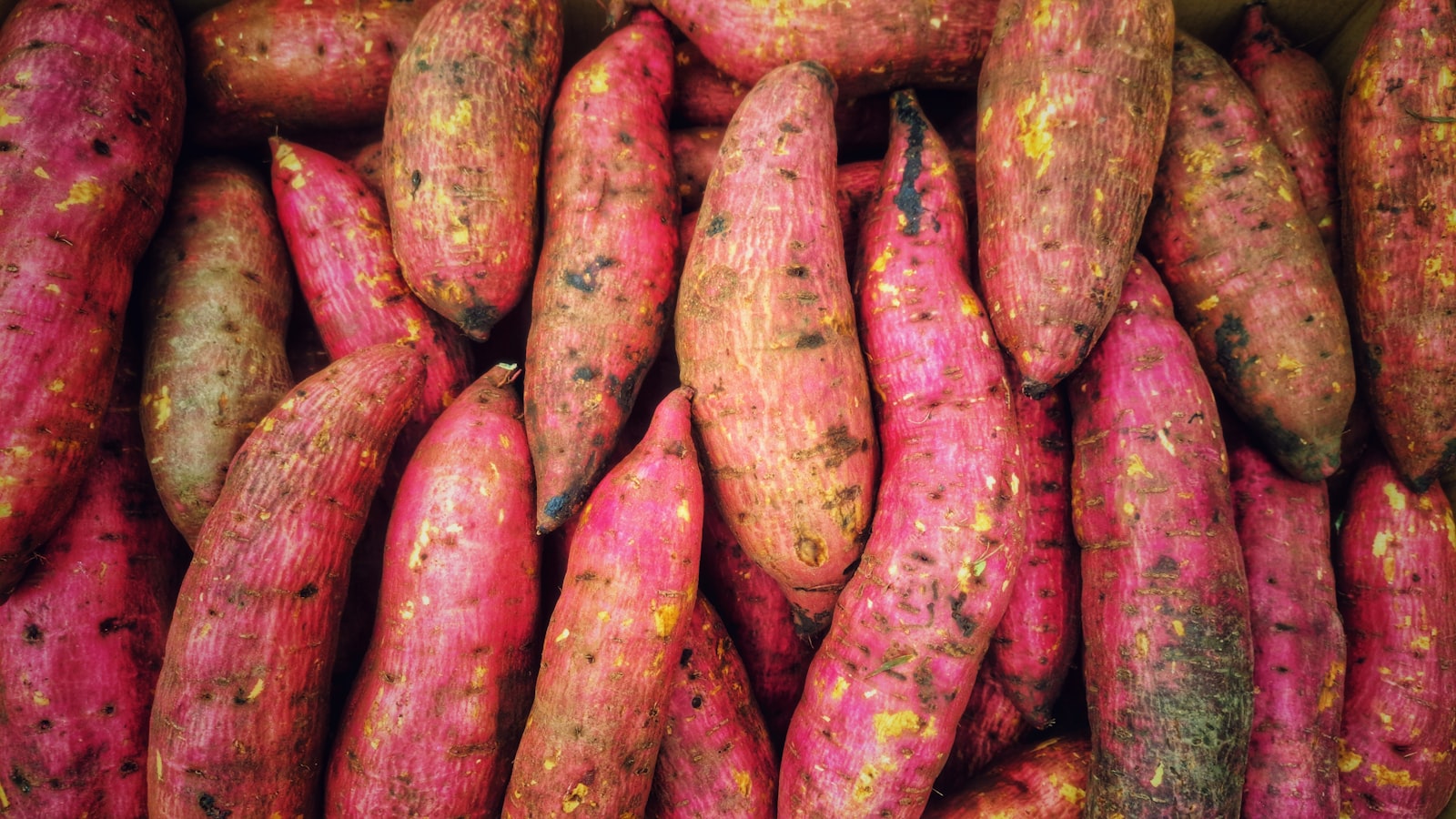
Sweet potatoes are the one harvest where curing does more than extend storage life. It transforms the crop. A sweet potato dug fresh from the ground is bland, starchy, and waxy; it tastes nothing like the rich, sugary root you expect. Curing changes that. Over seven to ten days in warm, humid conditions, enzymes inside the root convert starches into sugars, and the skin thickens and heals over the nicks and bruises of harvest. The result is sweeter, smoother flesh and a tough protective skin that lets the roots store for six months or more. Skip curing and you get an inferior potato that rots within weeks.
Part of our Vegetable Gardening & Raised Beds guide →
In this guide
Here is the part that trips up gardeners who are used to curing onions and garlic: sweet potatoes are tropical and they hate cold. Everything about handling them runs warm. You cure them hot and humid, and then you store them warm, around 55-60°F, never in the refrigerator and never in a cold cellar. Cold damages sweet potatoes, causing internal rot, off-flavors, and a hard core that never cooks soft. Get the temperature right at both stages and you will eat your own sweet potatoes well into the next year.
Key Takeaways
- Curing is essential, not optional. It converts starch to sugar (making the roots sweet) and heals the skin so they store for months.
- Cure at 80-85°F with very high humidity (about 85-90%) for 7-10 days. This warm, moist combination is the whole secret.
- Harvest before frost and before soil temperatures drop too low; cold-damaged roots will not cure or store well.
- Handle gently and do not wash. Brush off soil; cuts and bruises heal during curing only if the roots stay dry-skinned and warm.
- After curing, store warm at 55-60°F with moderate humidity. Never refrigerate sweet potatoes; cold below about 50°F causes chilling injury and rot.
Harvesting Sweet Potatoes Before You Cure
Curing starts with a careful harvest, because every nick and bruise is a wound that needs to heal, and a badly damaged root will rot instead of curing. Dig sweet potatoes in early fall, generally 90 to 120 days after planting, when the vines are still green or just before the first frost. Frost kills the vines, and if blackened vines are left attached, decay can travel down into the roots, so harvest promptly if frost threatens.
Watch the soil temperature, not just the air. Sweet potatoes suffer chilling injury when soil drops below roughly 50°F, and chilled roots will not cure properly and rot in storage. If a cold snap is coming, dig even if the calendar says you could wait. Loosen the soil widely with a digging fork, starting a foot or more away from the crown so you do not stab the roots, and lift the clump by hand. The skins on freshly dug sweet potatoes are thin and tear easily, so handle them like eggs.
Do not wash them. Curing needs warmth and the skin needs to heal; washing wets the skin, spreads any rot organisms, and works against both. Brush off the loose soil gently with your hands and leave the rest. The dirt brushes off easily once the roots are cured and dry. Set aside any roots that are deeply cut, broken, or showing rot to eat right away, since damaged roots are the ones most likely to spoil a stored batch.
How to Cure Sweet Potatoes: Temperature and Humidity
This is the heart of the process, and the targets are specific: 80-85°F and high humidity, around 85-90%, for 7 to 10 days. Both numbers matter. The heat drives the starch-to-sugar conversion and stimulates the skin to thicken, while the high humidity keeps the roots from drying out and lets the skin heal over cuts and bruises rather than scarring open. Too cool and nothing happens; too dry and the roots shrivel and the wounds do not seal.
The challenge for home gardeners is creating a warm, humid space in fall when the weather is turning cool. Here are practical ways to hit the targets:
- A warm room with a heater and humidifier. Lay the roots in a single layer in a small room, closet, or insulated box, and use a space heater on a thermostat plus a humidifier or pans of water to hold the conditions. This gives you the most control.
- A greenhouse or sunny enclosed porch. These naturally run warm during the day. Tent the roots loosely with plastic and add a tray of water underneath to raise humidity, venting if it gets too hot above 90°F.
- Near a furnace or water heater. A warm basement corner by the furnace can hold 80°F. Cover the crate loosely with a sheet of plastic, leaving a gap for some air, and set out water to add moisture.
- A cooler or plastic tote. For small harvests, place the roots in a cooler with a small jar of warm water and a heat source nearby, checking temperature daily so it does not overheat.
Whatever method you choose, arrange the roots so they are not packed tightly, allow a little air exchange so they do not suffocate or mold, and check daily. After 7 to 10 days the skins will have toughened noticeably; rub one and it should resist rather than scuff off. That tough, set skin is your sign that curing is complete.
Why warmth and humidity together
It is worth understanding why both conditions are non-negotiable. The warmth activates the enzymes that both convert starch to sugar and build a corky healing layer over wounds. The humidity prevents the roots from losing water and lets that healing layer form properly instead of the wound drying into an open scar. Warmth without humidity gives you shriveled, scarred roots; humidity without warmth gives you damp roots that mold. Only the combination delivers the sweet, smooth, well-skinned potato you are after.
Storing Cured Sweet Potatoes: Keep Them Warm
After curing, the storage rule is the opposite of almost every other garden crop: keep them warm. The ideal storage range is 55-60°F with moderate humidity (around 60-75%) and gentle airflow. A heated basement, an interior closet, a pantry, or a spare room often sits right in this range. Wrap individual roots in newspaper or lay them in baskets or slatted crates so they are not touching, which keeps any single bad root from spreading rot to its neighbors.
The biggest mistake is refrigerating sweet potatoes. Temperatures below about 50°F cause chilling injury: the roots develop hard centers that never cook tender, off-flavors, internal browning, and accelerated decay. The fridge and a cold root cellar are both off-limits. This is the key way sweet potatoes differ from regular potatoes, which prefer cold storage; if you also grow white potatoes, see our guide to storing potatoes so they last to keep the two from getting confused.
Check your stored roots monthly and remove any that go soft or moldy. Properly cured and stored at the right warm temperature, sweet potatoes keep their quality for six months or more, and they actually taste better a few weeks after curing as the sugars fully develop. For broader cold-and-warm storage strategy across your whole harvest, see how a purpose-built space handles different crops in our guide to building a root cellar, and browse more harvest-handling tips on our outdoor living hub.
Frequently Asked Questions
Do I really need to cure sweet potatoes?
Yes, if you want them to taste good and store well. Curing converts starches into sugars, so the roots become sweet instead of bland, and it heals the skin so they keep for months. Uncured sweet potatoes are starchy, waxy, and prone to rotting within a couple of weeks. Curing is the step that makes the crop worthwhile.
What temperature and humidity do sweet potatoes need to cure?
Cure at 80-85°F with high humidity around 85-90% for 7 to 10 days. Both matter: the warmth drives the starch-to-sugar conversion and skin thickening, while the humidity keeps the roots from drying and lets cuts heal over. Warmth without humidity shrivels them; humidity without warmth molds them.
Can I store sweet potatoes in the refrigerator?
No. Sweet potatoes are tropical and suffer chilling injury below about 50°F. The fridge causes hard cores that never cook soft, off-flavors, internal browning, and faster rot. Store cured sweet potatoes warm, at 55-60°F with moderate humidity, in a heated basement, closet, or pantry, never in the fridge or a cold cellar.
How do I create curing conditions in cool fall weather?
Make a small warm, humid space. Use a heated room or closet with a space heater and humidifier, a tented warm basement corner near the furnace with pans of water, a greenhouse, or a cooler with a heat source and a jar of warm water. Check the temperature daily so it stays around 80-85°F without overheating past 90°F.
Why are my sweet potatoes not sweet?
They probably were not cured, or were not cured warm enough or long enough. The enzymes that turn starch into sugar only work at curing temperatures around 80-85°F over 7 to 10 days. Cure properly and the sweetness develops, deepening further over the following weeks in warm storage. Cold storage can also blunt sweetness and ruin texture.