

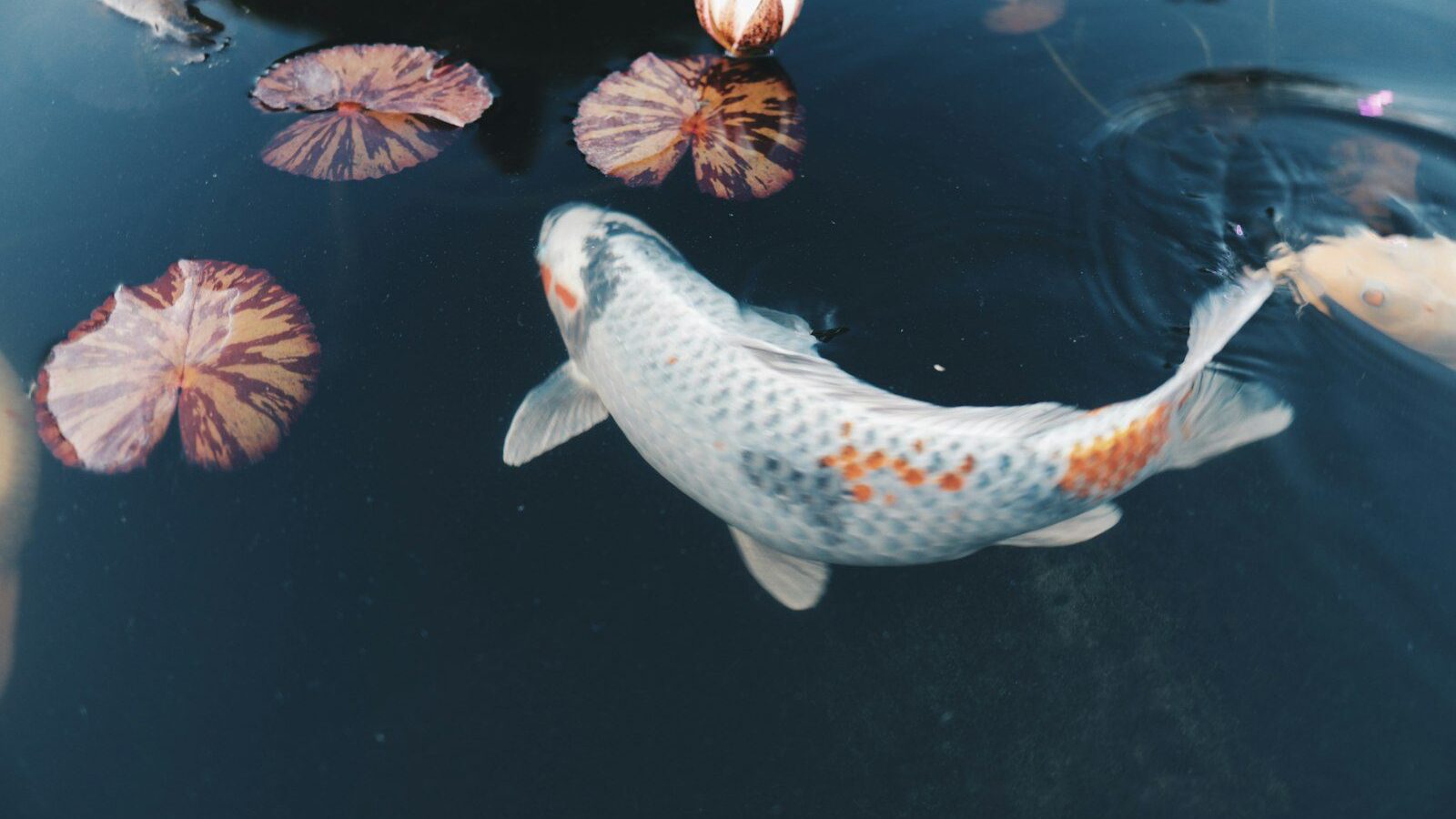
The most expensive mistake in pond keeping is dumping a new fish straight from its bag into the pond. The water in that bag and the water in your pond almost never match in temperature, pH, or hardness, and a sudden change of any of them sends fish into shock — sometimes fatally, sometimes days later from a weakened immune system. Proper acclimation takes thirty to sixty unhurried minutes and dramatically improves survival. This guide covers the float-and-drip method, temperature and pH matching, why quarantine matters, and how to read the warning signs that something has gone wrong.
Key Takeaways
- Always match three things gradually: temperature, pH, and water hardness. Sudden changes cause temperature shock and pH shock.
- Float the sealed bag for 15–20 minutes to equalize temperature, then drip-acclimate pond water into a container for 30–45 minutes to ease the chemistry change.
- Net the fish into the pond — never pour bag water in, as it may carry parasites, disease, or pollutants from the store.
- Quarantine new fish in a separate tank for 2–4 weeks whenever possible to protect an established pond from disease.
- Acclimate on a cool, calm day, avoid feeding for 24 hours after introduction, and watch for gasping, clamped fins, or erratic swimming.
Why Acclimation Matters
Fish are cold-blooded and their body chemistry tracks the water around them. Three differences between bag water and pond water can harm them. Temperature shock occurs when the fish moves more than a few degrees in either direction in minutes; it stresses the metabolism and can be lethal. pH shock comes from a swing of even half a point and damages the gills and the fish’s osmotic balance. Hardness and dissolved-mineral differences add a third, slower stress. A fish that survives a bad introduction often still suffers a suppressed immune system and falls ill to ich or fin rot a week later — which is why “it seemed fine at first” is so common after a botched drop-in.
Before the Fish Arrives
Prepare on the day you buy. Test your pond’s parameters so you know what the fish is moving into — ammonia and nitrite at 0, nitrate under 40 ppm, a stable pH, and a healthy KH. Our pond water testing guide covers exactly what to check. Never add fish to a pond that has not finished its nitrogen cycle; a new, uncycled pond will poison them with ammonia within days no matter how carefully you acclimate.
Plan the timing. Buy fish on a cool, overcast day or in the morning rather than during a hot afternoon, and get them home quickly — keep the bag out of direct sun and away from a baking car footwell. Have a clean bucket or tub, a soft fish net, and a length of airline tubing ready before you open anything. If you are quarantining, have that tank set up and cycled in advance.
Step 1: Float to Match Temperature
Open nothing yet. Set the sealed, unopened bag on the pond surface in a shaded spot and let it float for 15 to 20 minutes (longer, up to 30, if the temperature gap is large). This lets the bag water creep toward the pond temperature without mixing the chemistry. If the day is sunny, drape a towel over the bag so the fish do not overheat in the floating bubble. The goal of this step is purely thermal — to bring the two temperatures within a degree or two before you ever mix the water.
Step 2: Drip-Acclimate to Match Chemistry
Once temperatures match, gently pour the fish and their bag water into a clean bucket placed beside the pond, below the water line. Add an airline-tubing siphon from the pond to the bucket, and tie a loose knot in the tube (or use a control valve) so it drips at about two to four drops per second. Over 30 to 45 minutes this slowly swaps bag water for pond water, easing the fish through the pH and hardness change instead of jolting it. When the bucket volume has roughly doubled or tripled, the chemistry has effectively converged.
The drip method matters most when there is a real chemistry gap — for instance, soft store water going into a hard, alkaline pond, or vice versa. If you have just adjusted your pond’s chemistry, give it time to stabilize first; rushing fish into freshly-dosed water risks the very pH shock described in our guide on how to lower or raise pond pH safely.
Step 3: Net the Fish Into the Pond
When acclimation is complete, lift the fish out with a soft net and release it gently into the pond. Do not pour the bucket water into the pond. That water can carry parasites, bacteria, medications, or pollutants from the store’s holding system, and there is no reason to introduce them to your ecosystem. Discard it on the lawn or down a drain.
Release the fish in a quiet, planted corner rather than the open middle, so it has cover to retreat to while it gets its bearings. Expect it to hide or sit on the bottom for the first day — that is normal stress behavior, not illness. Keep the dog and kids away and let it settle.
Why and How to Quarantine
The safest practice, especially with valuable koi or an established collection, is to quarantine new arrivals in a separate tank for two to four weeks before they ever meet your main pond. New fish frequently carry ich, flukes, or bacterial infections that show up only under the stress of moving. A quarantine period lets problems surface where they can be treated in isolation, instead of infecting every fish you own.
Set up the quarantine tank with cycled filter media, a stable temperature, and the same careful acclimation process. Watch for symptoms, treat as needed, and only move the fish to the pond — re-acclimating again — once it has been symptom-free and feeding normally for a couple of weeks. It is an extra step many hobbyists skip, and it is the one that most often saves an entire pond from a wipe-out.
Seasonal Timing and Temperature
The time of year you add fish matters as much as the method. The best windows are late spring and early autumn, when pond water sits in a comfortable 55–70 degrees Fahrenheit range and fish are active enough to feed and adjust but not stressed by heat. Avoid stocking in the dead of summer, when a small pond can climb past 80 degrees and hold little dissolved oxygen, and avoid late fall, when a fish has no time to build reserves before metabolism slows for winter.
Pay attention to the temperature gap specifically. Store and transport water is often warmer than a spring pond or cooler than a summer one, and a swing of more than five or six degrees in a short time is enough to trigger temperature shock. When the gap is large, simply extend the float and drip stages — there is no penalty for going slow, and a longer, gentler transition is always safer than a fast one. If you are introducing fish to a brand-new pond, confirm it has fully cycled first; even perfect acclimation cannot save fish dropped into uncycled water that will spike ammonia within days.
After Introduction: Watch and Wait
Do not feed for the first 24 hours; a stressed fish will not eat, and uneaten food just spikes ammonia at the worst moment. After that, offer a small amount and see if it feeds. Keep watching for warning signs over the first week: gasping at the surface, clamped fins, flashing or rubbing against surfaces, erratic darting, or sitting listless on the bottom past the first day. Any of these warrants a water test and a closer look. A fish that is swimming normally, exploring, and taking food within a couple of days has acclimated successfully.
Take it slowly when stocking, too. Add a few fish at a time rather than a whole batch, so the biofilter can scale up to the increased waste load without an ammonia spike. Test the water a few days after each addition. With patient acclimation, quarantine, and gradual stocking, new fish settle in healthy and your established pond stays safe. For more on keeping a balanced, low-stress pond, browse the Water Gardens & Ponds hub.
Frequently Asked Questions
How long does it take to acclimate pond fish?
Plan on 45 to 65 minutes total: float the sealed bag for 15–20 minutes to match temperature, then drip-acclimate pond water into a bucket for 30–45 minutes to ease the pH and hardness change before netting the fish into the pond.
Can I just pour the fish straight into the pond?
No. A sudden change in temperature, pH, or hardness causes shock that can kill the fish outright or weaken its immune system so it falls ill days later. Always float and drip-acclimate first, and net the fish in rather than pouring the bag water.
Should I add the bag water to my pond?
Never. Bag and store water can carry parasites, disease, or medications. Net the fish out and discard the water on the lawn or down a drain so you do not introduce anything to your ecosystem.
Do I need to quarantine new pond fish?
It is strongly recommended, especially for koi or an established collection. A 2–4 week quarantine in a separate tank lets diseases like ich or flukes surface where they can be treated in isolation, protecting your main pond from a wipe-out.
When can I feed newly added fish?
Wait 24 hours. A stressed fish usually will not eat, and uneaten food spikes ammonia at a bad time. After a day, offer a small amount; a fish that feeds and swims normally within a couple of days has acclimated well.