

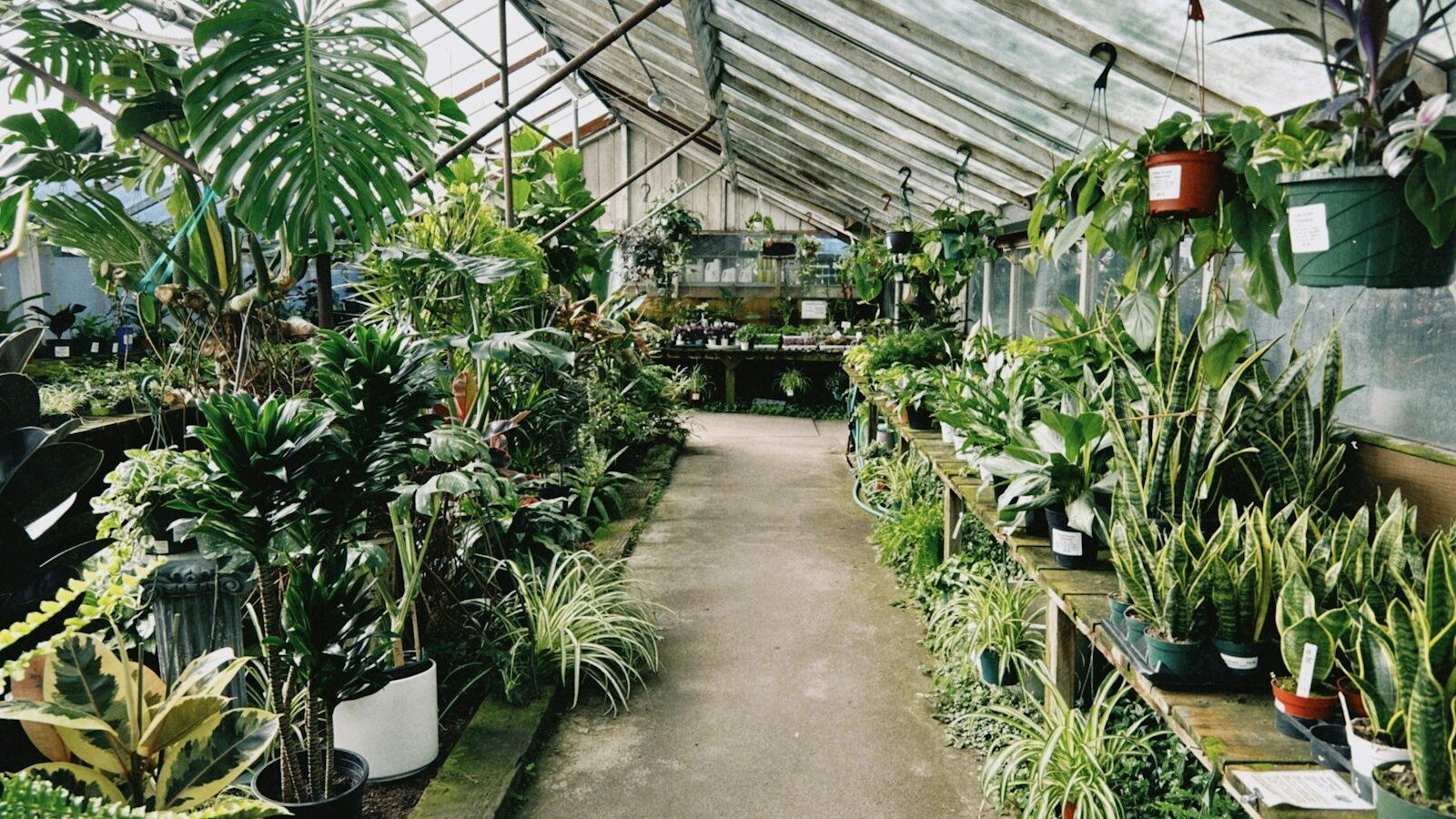
A grow tent turns a corner of a room, closet, or basement into a controlled growing environment where you set the light, temperature, humidity, and airflow yourself. For urban growers without a yard or greenhouse, it is the most reliable way to grow vegetables, herbs, seedlings, or houseplants year-round regardless of the weather outside. This guide walks through choosing the right tent size, hanging the light, building the ventilation loop, and dialing in the climate so your first setup works the first time instead of cooking your plants or growing mold.
Key Takeaways
- Match tent size to your plant count and pick a height that leaves room for the light above the canopy.
- The core kit is a tent, a full-spectrum LED light, an inline exhaust fan with a carbon filter, and a small circulation fan.
- Air must move: exhaust pulls hot, stale air out the top while fresh air enters low, refreshing the volume every few minutes.
- Target roughly 70–80°F and 50–70% humidity, lowering humidity as plants mature.
- Hang everything from the tent’s bars with ratchet hangers, and put lights and fans on timers and a controller.
Why Use a Grow Tent?
A grow tent is a freestanding fabric enclosure with a reflective interior, a sturdy pole frame, and ports for cables and ducting. Compared with growing on an open shelf, it concentrates and reflects light back onto plants, contains odor and humidity, keeps pests and dust out, and lets you control the climate inside one small sealed space rather than your whole room. That control is what makes consistent indoor harvests possible in any season.
Choosing the Right Tent Size
Size the tent to your plants and your space. Common footprints are 2×2 feet (a few herbs or seedlings, or one larger plant), 2×4 feet (a productive herb-and-greens setup or several plants), 4×4 feet (a serious multi-plant garden), and 5×5 feet and up for larger ambitions. Pick a height that gives you headroom for the light fixture plus the distance it must hang above the canopy — 5 feet is tight, while 6.5–7 feet is comfortable for taller crops and for working inside.
Look for thick, lightproof fabric (often described as 600D), a reflective mylar interior, heavy-duty zippers, and multiple ducting and cable ports. Plan where the tent will live before buying: you need a nearby outlet, somewhere to vent warm air, and enough clearance to unzip and reach inside.
The Essential Equipment
Lighting
A full-spectrum LED is the best choice for beginners: efficient, cool-running, and covering the whole light spectrum plants need. Match the light’s coverage rating to your tent footprint — a light rated for a 2×4 area for a 2×4 tent, for example. Hang it from the top bars with adjustable ratchet hangers so you can raise it as plants grow, and follow the manufacturer’s recommended hanging height (often 12–24 inches above the canopy). Put the light on a timer: 14–16 hours a day for leafy and vegetative growth, 12 hours for flowering or fruiting crops.
Ventilation
An inline exhaust fan with a carbon filter is the heart of the system. Sized to your tent (a 4-inch fan for small tents, 6-inch for larger), it pulls hot, humid, stale air out the top while drawing fresh air in through low intake vents. The carbon filter scrubs odor on the way out. Aim to exchange the full volume of air in the tent roughly every one to three minutes. A small clip-on oscillating fan inside keeps air moving across the plants, strengthening stems and preventing mold and hot spots.
Monitoring and control
A combined thermometer-hygrometer (ideally with a probe at canopy height) tells you what is actually happening inside. Timers run the light and can cycle the exhaust fan; a temperature/humidity controller that switches the fan automatically is a worthwhile upgrade once you know your space.
Step-by-Step Setup
Assemble the pole frame and slip on the fabric cover, following the included diagram. Set the tent on a level surface and place a waterproof tray or mat underneath to catch spills.
Hang the inline exhaust fan and carbon filter near the top inside (or mount the fan outside the top port to reduce noise), with the filter drawing air from inside and ducting running out through a top port. Connect the ducting to vent the warm air where it can dissipate. Open the lower intake vents so fresh air is pulled in low and travels up past the plants to the exhaust — this bottom-to-top flow is the goal.
Hang the LED light from the top bars on ratchet hangers at the recommended height. Clip the circulation fan to a pole, aimed to move air above the canopy without blasting the plants directly. Route all cables out through the cable ports, plug the light and fans into timers, and seal the ports around the ducting. Place your monitor at canopy height, then run the system empty for a day to confirm your temperature and humidity land in range before adding plants.
Dialing In Temperature and Humidity
Most crops are happy around 70–80°F with the lights on and a few degrees cooler when off. If the tent runs too hot, increase exhaust speed, raise the light, or shorten the photoperiod; if too cold, slow the exhaust or add a small heater nearby. Humidity should start higher for seedlings and cuttings (60–70%) and step down as plants mature (toward 40–50% for fruiting crops) to discourage mold and mildew.
Raise humidity with a small humidifier inside the tent or a tray of water; lower it by increasing exhaust airflow or adding a dehumidifier in the room. Because the exhaust fan affects both temperature and humidity at once, expect to nudge several controls together until the readings hold steady. Check your monitor daily until you trust the setup.
Watering and Daily Routine
Because the tent traps humidity, watering habits matter more than in an open room. Use containers with drainage holes set in trays so runoff does not pool on the tent floor, and let the top inch of mix dry between waterings — the warm, bright environment can fool you into watering too often, drowning roots and feeding mold. Water in the morning so leaves and surface moisture dry before the cooler lights-off period, which is when fungal problems take hold. Empty trays after watering rather than leaving standing water that drives humidity up.
Build a short daily routine: glance at the thermometer-hygrometer at canopy height, feel the soil moisture, check that both the exhaust and circulation fans are running, and look over the plants for pests, wilting, or stretching. Every week or two, wipe condensation from the inner walls, clean any dust off the light, and confirm the timers are still on schedule. A few minutes of attention keeps small problems — a clogged intake, a drifting temperature, an early aphid — from becoming a lost crop. Inspect the carbon filter periodically too, as it loses effectiveness over six months to a year of continuous use.
What to Grow and Common Mistakes
Grow tents excel at starting seedlings before the outdoor season, raising herbs and leafy greens year-round, overwintering tender plants like a potted lemon, and producing compact fruiting crops under strong light. Begin with easy greens and herbs to learn the climate before attempting demanding fruiting plants.
The most common beginner mistakes are skipping ventilation (leading to heat and mold), hanging the light too close (bleaching leaves) or too far (leggy, stretched plants), overwatering in the enclosed humid space, and ignoring air circulation. Run a fan, vent properly, and watch your monitor and most problems disappear. For choosing crops and containers inside the tent, see our indoor vegetable garden guide, and if you want to overwinter a tree in the tent our guide to growing citrus indoors pairs well. More small-space projects live on the urban gardening hub.
Frequently Asked Questions
What size grow tent should a beginner buy?
A 2×4-foot tent is a great starting size — big enough for a productive herb-and-greens garden or several plants without overwhelming a small space. Choose a height of 6.5–7 feet so you have room to hang the light well above the canopy and still work inside.
Do I really need ventilation in a grow tent?
Yes. An inline exhaust fan with a carbon filter is essential to remove heat and humidity, exchange stale air, and control odor. Without it the sealed tent overheats, humidity spikes, and mold and weak growth follow — ventilation is not optional.
How far should the grow light be from my plants?
Follow the light manufacturer’s recommended hanging height, often 12–24 inches above the canopy for LEDs, and raise it as plants grow using ratchet hangers. Too close bleaches and burns leaves; too far makes plants stretch and grow leggy.
What temperature and humidity should a grow tent be?
Aim for roughly 70–80°F with the lights on. Keep humidity higher for seedlings (60–70%) and step it down as plants mature, toward 40–50% for fruiting crops, to discourage mold and mildew.
How long should I run the grow light each day?
Run the light 14–16 hours a day for seedlings, herbs, and leafy greens in vegetative growth, and 12 hours a day for crops in their flowering or fruiting stage. Put it on a timer so the schedule stays consistent.