

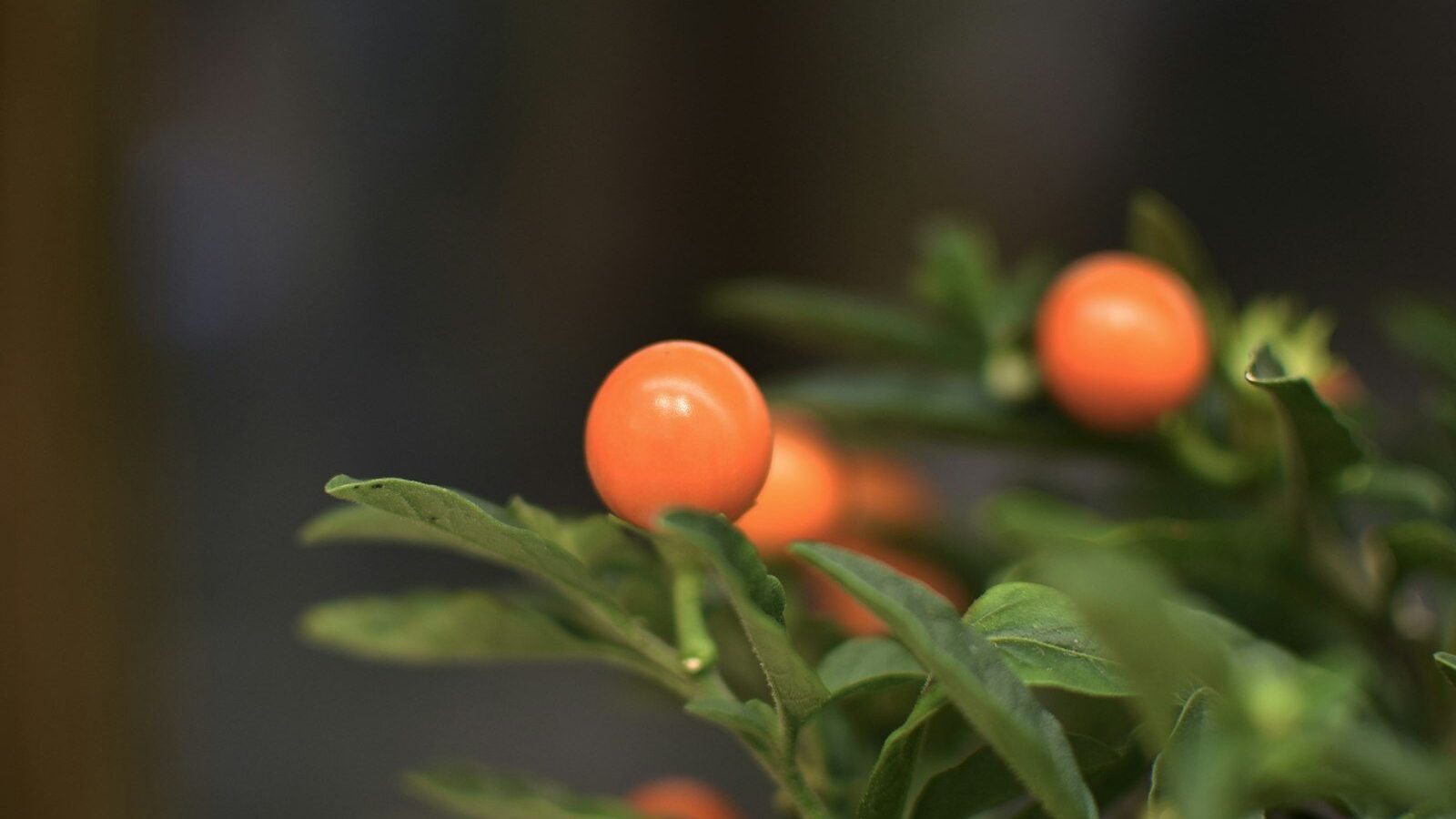
A potted Meyer lemon or calamondin on a sunny windowsill, heavy with fragrant blossoms and small bright fruit, is one of the most rewarding plants you can grow indoors. Citrus does not need a greenhouse — it needs the brightest light in your home, a container that drains freely, consistent but not soggy moisture, and a bit of humidity in dry winter rooms. This guide covers the varieties that actually fruit in pots, the light and temperature they demand, and the watering, feeding, and pollination routine that turns a houseplant lemon into a productive little tree.
Key Takeaways
- Choose naturally compact, container-friendly types: Meyer lemon, calamondin, kumquat, key lime, and ‘Improved Meyer’.
- Citrus needs the brightest spot you have — 8–12 hours of direct sun or a strong grow light.
- Use a well-draining pot with holes; let the top 2 inches of mix dry before watering deeply.
- Keep rooms at 55–85°F, boost humidity in winter, and hand-pollinate indoor blossoms for fruit.
- Feed with a citrus-specific fertilizer during active growth and watch for yellowing leaves that signal nutrient or watering issues.
Best Citrus Varieties for Indoors
Not every citrus thrives in a pot indoors. Full-size oranges and grapefruit grow too large and demand more heat and light than a home provides. Choose dwarf or naturally small varieties that flower and fruit at a manageable size.
The Meyer lemon (and the hardier ‘Improved Meyer’) is the classic indoor citrus — compact, heavy-blooming, and producing sweet-tart fruit. Calamondin orange is nearly foolproof, almost always carrying flowers and small tart oranges at once. Kumquats stay small, tolerate cooler temperatures, and produce edible-skinned fruit. Key lime (Mexican lime) and bearss lime do well in bright spots, and ‘Trovita’ orange is one of the better oranges for containers. Buying a tree grafted onto dwarfing rootstock keeps mature size around 3–5 feet, perfect for indoors.
Light Requirements
Light is the single most important factor. Citrus wants 8 to 12 hours of bright light a day. A large south-facing window is the minimum for decent results; west- and east-facing windows work but slow growth and reduce fruiting. In winter, when days are short and the sun is weak, even a south window often falls short — pale new growth, dropping leaves, and no flowers all point to insufficient light.
A full-spectrum LED grow light closes the gap. Run a strong LED 12–14 hours a day over winter, positioned 12–18 inches above the canopy, and your tree will hold its leaves and stay ready to bloom. Many growers move their citrus outdoors to a sunny spot for summer — a huge boost — then bring it back inside before night temperatures drop below about 50°F. Acclimate gradually in each direction over a week or two to prevent leaf drop from the sudden change. For a fully controlled winter setup, see our grow tent setup guide.
Pots and Potting Mix
Citrus roots hate sitting in water, so drainage is everything. Choose a pot only slightly larger than the root ball — an oversized pot holds too much wet soil and invites root rot. A 5-gallon (roughly 12-inch) container suits a young tree; pot up one size every two to three years as it grows. Terracotta breathes and helps the mix dry, which citrus appreciates, though it dries faster and is heavier to move.
Use a fast-draining mix, not dense all-purpose potting soil. A blend made for citrus or cactus works well, or make your own from two parts quality potting mix, one part perlite or pumice, and one part bark or coir. The goal is a mix that stays evenly moist after watering but drains within seconds, never staying waterlogged.
Watering Indoor Citrus
Citrus likes consistent moisture but not constant wetness. Let the top 2 inches of mix dry out, then water thoroughly until it runs from the drainage holes, and always empty the saucer. Depending on pot size and indoor warmth, this usually means watering once or twice a week — more in summer or under a grow light, less in cool, dim winter conditions.
The most common indoor citrus problems trace back to watering. Constantly soggy soil causes yellowing leaves and root rot; chronic underwatering causes leaf curl, drop, and dropped flowers. Use your finger to check moisture rather than a fixed schedule. Citrus is also sensitive to salt buildup, so flush the pot with plenty of plain water every couple of months to wash out accumulated fertilizer salts.
Temperature and Humidity
Indoor citrus is comfortable in the 55–85°F range most homes maintain, with daytime warmth and a slight nighttime drop that actually encourages flowering. Keep trees away from cold drafts and from hot, dry air blowing off heating vents, both of which trigger leaf drop. A few weeks of cooler temperatures (around 50–60°F) in fall can help set flower buds.
Winter heating dries indoor air well below what citrus likes. Aim for 50% humidity or more by running a humidifier nearby, setting the pot on a pebble tray with water below the pot base, or grouping plants together. Dry air also favors spider mites, a common indoor citrus pest, so raising humidity does double duty. Good airflow from a gentle fan further discourages pests and fungal issues.
Pollination Indoors
Most citrus is self-fertile, but indoors there are no bees or breezes to move pollen within each flower, so fruit set is often poor without help. When blossoms open, hand-pollinate by dabbing a small soft brush or cotton swab into the center of each flower, moving from bloom to bloom to transfer pollen. Do this every day or two while the tree is in flower. The reward is far better fruit set — and the blossoms perfume the whole room. Expect young trees to drop a portion of their fruit naturally; this “June drop” is normal as the plant keeps only what it can support.
Feeding Your Citrus
Citrus are heavy feeders with specific needs, especially for nitrogen and micronutrients like magnesium, iron, and zinc. Use a fertilizer formulated for citrus, which includes these micronutrients. Feed regularly during the active growing season (spring through early fall) and ease off in winter when growth slows. A classic sign of deficiency is leaves that yellow between green veins — usually iron or magnesium — which a citrus feed corrects. Uniformly pale new leaves more often point to low light. Follow the product’s rate; over-fertilizing burns roots and builds up damaging salts.
Pruning and Ongoing Care
Citrus needs little pruning. Trim to shape, remove crossing or dead branches, and pinch back leggy growth to keep the tree bushy and a comfortable size for its spot. Always remove any shoots that sprout below the graft union near the soil, since these come from the rootstock and will not produce good fruit. Wipe dust off the leaves occasionally so they can photosynthesize, and inspect regularly for scale, mealybugs, and spider mites — treat early with insecticidal soap or horticultural oil.
With the right light, careful watering, and a little hand-pollination, an indoor citrus tree can produce for years. If you are building out a wider indoor edible setup, our indoor vegetable garden guide covers lighting and containers in more depth, and the urban gardening hub has more ideas for small-space growers.
Frequently Asked Questions
What is the best citrus tree to grow indoors?
Meyer lemon and calamondin orange are the most reliable indoor citrus — both are compact and bloom heavily in pots. Kumquats and key limes also do well. Look for trees grafted onto dwarfing rootstock so they top out around 3–5 feet.
How much light does indoor citrus need?
Citrus wants 8–12 hours of bright light daily, ideally a large south-facing window. In winter that is rarely enough, so add a full-spectrum LED grow light for 12–14 hours a day, or move the tree outdoors for summer to bank a season of strong sun.
Why are my indoor citrus leaves turning yellow?
Yellowing usually comes from overwatering and soggy soil, or from a nutrient deficiency. If leaves yellow between green veins it points to low iron or magnesium, which a citrus-specific fertilizer corrects; if the soil stays wet, let it dry more between waterings and improve drainage.
Do I need to pollinate citrus flowers indoors?
Most citrus is self-fertile, but indoors there are no bees or wind to move pollen, so fruit set is poor without help. Dab a soft brush or cotton swab into each open flower every day or two while the tree is blooming to transfer pollen and improve fruit set.
How often should I water an indoor citrus tree?
Let the top 2 inches of mix dry, then water thoroughly until it drains from the bottom and empty the saucer. That usually means once or twice a week, more in summer or under lights and less in cool, dim winter conditions — always check the soil rather than watering on a fixed schedule.