

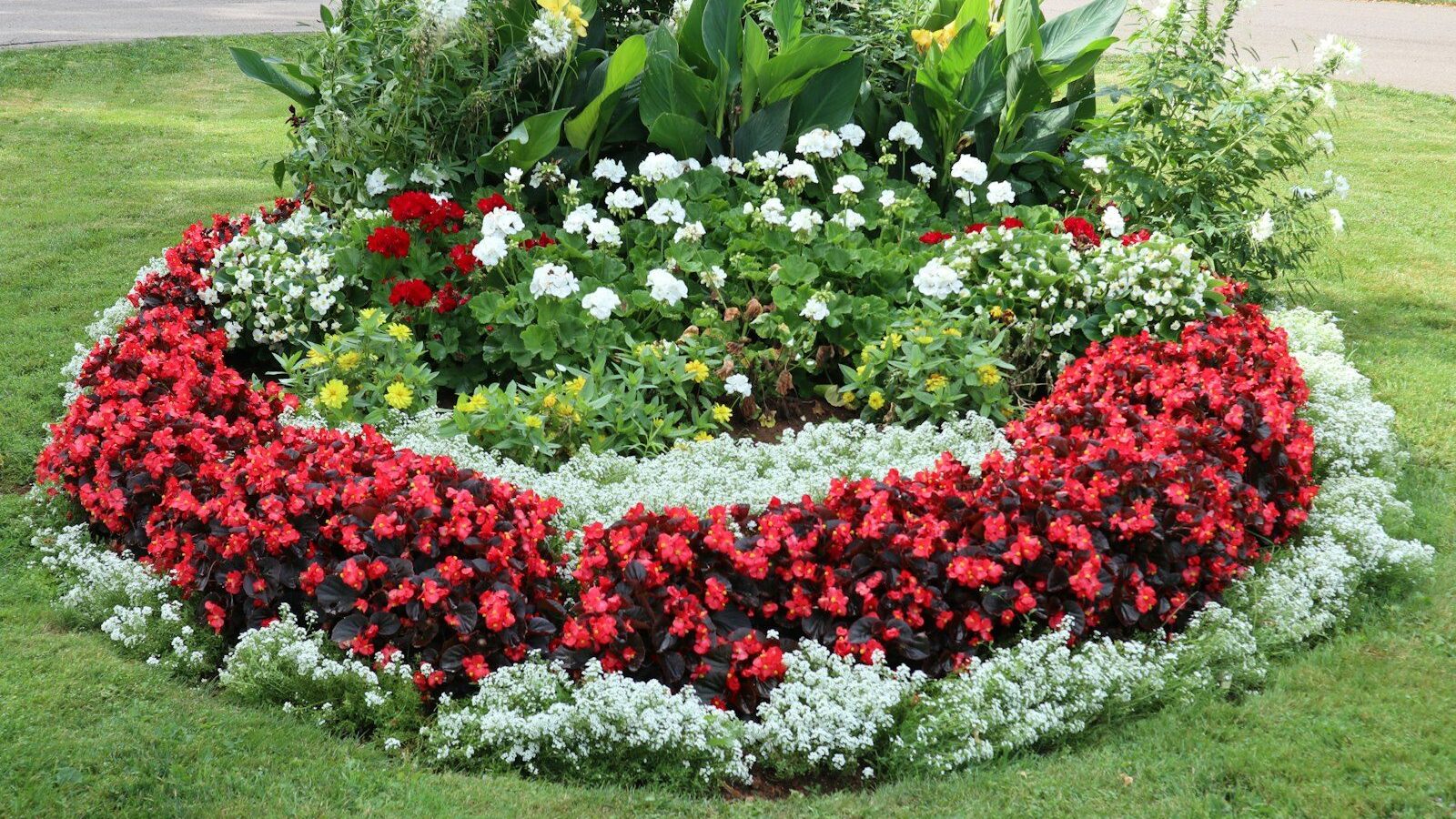
The ground beneath a mature tree is the hardest real estate in the garden — dry, shady, and laced with greedy roots — which is why so many under-tree plantings fail or, worse, slowly damage the tree. But done thoughtfully, a planted bed around a tree turns an awkward patch of struggling grass into one of the most atmospheric features in the yard. The keys are choosing plants that genuinely tolerate dry shade and root competition, planting in a way that doesn’t injure the tree’s roots or trunk, and resisting the urge to pile soil over the root zone. This guide covers what makes under-tree conditions so tough, a planting list by USDA zone, exactly how to plant safely, and design ideas from simple mulch rings to full shade gardens.
Key Takeaways
- Under-tree conditions are dry, shady, and root-filled — choose plants bred for dry shade, not generic shade lovers.
- Never pile soil over tree roots: adding more than 1–2 inches of fill can suffocate roots and kill the tree.
- Plant small (plugs and quart-size pots), dig between major roots, and never sever roots thicker than your thumb.
- Keep all planting and mulch well clear of the trunk; the root flare must stay exposed.
- The simplest, safest option is often a wide mulch ring; layer in tough groundcovers and perennials from there.
Why Planting Under Trees Is So Hard
Three forces conspire against anything you plant under a tree. First, shade — often deep shade — limits you to plants that photosynthesize in low light. Second, the tree’s canopy acts like an umbrella, so the soil underneath stays surprisingly dry even after rain, while the tree itself drinks heavily from that same soil. Third, the root zone is dense with feeder roots that outcompete young plants for what little water and nutrients are there. This combination of dry shade plus root competition is the real challenge; a plant that thrives in moist, open shade may sulk and die under a maple.
The species of tree matters, too. Shallow-rooted, dense-canopy trees like Norway maples, beeches, and many conifers create the most hostile conditions. Deeper-rooted, lighter-canopy trees like oaks, honey locusts, and well-limbed-up trees let more light and rain through and are far easier to plant beneath. Read your specific tree before deciding how ambitious to get.
Protect the Tree First: What Not to Do
Before any plant goes in, understand the ways under-tree landscaping commonly kills trees. The most damaging is building a raised bed or dumping fill soil over the root zone. Tree roots breathe through the top several inches of soil; bury them under even a few inches of added soil and they slowly suffocate. Adding more than about 1–2 inches of soil over an established tree’s roots can begin a multi-year decline that’s often misdiagnosed long after the cause. So skip the “raised bed around the tree” idea entirely.
Equally damaging is cutting roots. Slicing through large roots to dig a bed or install edging removes the tree’s anchorage and water uptake and opens wounds to decay. Never cut a root thicker than about an inch (roughly thumb-width), and avoid trenching for edging close to the trunk. And as always, keep everything — plants, soil, mulch — away from the trunk so the bark stays dry and the root flare stays visible. Our companion guide on mulching around trees covers the volcano problem in detail.
How to Plant Around a Tree Safely
- Start at the edge, work inward carefully. Roots are densest near the trunk and thin out toward the dripline, so planting is easiest in the outer part of the root zone. Leave the area immediately around the trunk as bare, mulched ground.
- Plant small. Use plugs, 4-inch pots, and quart-size perennials rather than big potted plants. Small plants need small holes, which means far less root disturbance and a much better chance of slipping between major roots.
- Dig between roots, not through them. Probe with a trowel or hand fork and find the gaps. If you hit a root thicker than your thumb, move over and dig elsewhere — never cut it.
- Add only a thin layer of compost. You can topdress with an inch or so of compost to give new plants a start, but do not build up the soil level over the roots. Plant into the existing grade.
- Water in and mulch lightly. Water new plants thoroughly, then spread 2–3 inches of mulch over the bed, keeping it off the trunk. Water regularly through the first season, since the tree will be competing hard for every drop.
A Plant List by USDA Zone
Choose plants that specifically tolerate dry shade and root competition. Below are reliable performers grouped by hardiness; favor tough groundcovers and woodland natives over thirsty, light-hungry perennials.
Zones 3–5 (Cold)
- Hosta, wild ginger (Asarum), bigroot geranium (Geranium macrorrhizum), barrenwort (Epimedium), bunchberry, ferns such as ostrich and Christmas fern, and bulbs like daffodils and scilla that finish before the canopy leafs out.
Zones 6–7 (Temperate)
- Epimedium, hellebore, heuchera (coral bells), brunnera, foamflower (Tiarella), pulmonaria, sweet woodruff, hardy cyclamen, and ferns. Add carex (sedges) for grassy texture in shade.
Zones 8–9 (Warm)
- Liriope (lilyturf), cast iron plant (Aspidistra), autumn fern, acanthus, ajuga, hellebore, and clivia in frost-free pockets. These shrug off dry shade and heat better than cool-climate woodlanders.
A word on groundcovers: tough spreaders like vinca, ajuga, and liriope are workhorses under trees, but check whether any are considered invasive in your region before planting widely. For care details on shade perennials and bulbs, browse the Plants & Flowers guides.
Design Ideas for Under-Tree Beds
The Simple Mulch Ring
The lowest-effort, tree-friendliest option is simply a wide, clean ring of mulch with no plants at all. It looks intentional, eliminates the struggling grass, protects the roots, and keeps mowers away from the bark. Make it as wide as the dripline and maintain it as a flat doughnut — this alone transforms the look of a tree in a lawn and is the right call under the most difficult, densely rooted trees.
The Layered Shade Garden
Where light and root conditions allow, build a layered woodland planting: a groundcover layer (vinca, ajuga, sweet woodruff, or wild ginger) carpeting the soil, a mid layer of clumping perennials and ferns (hostas, heuchera, hellebores), and seasonal interest from early bulbs that flower before the tree leafs out. Repeat a few plants in drifts for cohesion and let the groundcover knit everything together. Keep the densest, fullest planting toward the outer edge where there’s more light and fewer roots.
The Container Workaround
When roots are simply too dense to dig, set shade-loving plants in attractive containers and arrange them on the mulch around the tree. This gives you color and life without disturbing a single root, and you can swap pots seasonally. A grouping of pots plus a bench or a pair of chairs turns the shaded base of a big tree into a genuine outdoor room.
Edging and Finishing the Bed
Give the bed a clean edge so it reads as deliberate, but choose an edging method that doesn’t require deep trenching near the trunk. A simple cut spade edge, a shallow steel or aluminum edging, or natural stones laid on the surface all work without slicing major roots. Avoid edging that demands a deep trench close to the tree, and never run a string trimmer up against the bark — the mulched, planted bed exists partly to keep machinery away from the trunk in the first place.
Connecting multiple trees into one larger bed, or merging the under-tree bed with an adjacent border, often looks better than isolated rings and reduces lawn to mow. If you’re integrating the bed into a wider design, the same layering and structure principles from a cottage border apply — see our English garden design ideas for how to handle height layering and repetition.
Watering and Long-Term Care
The first year is the critical period: new under-tree plantings compete directly with the established tree for water, so they need consistent deep watering through the first growing season to establish. Water the bed thoroughly once or twice a week in dry spells, soaking deeply rather than sprinkling. After plants establish, dry-shade species largely fend for themselves, though you may still water in extended drought. Refresh the mulch annually, keep it clear of the trunk, and divide spreading groundcovers and clumping perennials every few years to keep them vigorous. Done this way, the planting thrives and the tree stays healthy for decades.
Frequently Asked Questions
Can I build a raised bed around a tree?
No — adding more than 1–2 inches of soil over a tree’s roots can suffocate them and kill the tree over several years. Plant into the existing grade instead, using small plants in the gaps between roots, and never pile fill soil over the root zone.
What plants grow best under trees?
Dry-shade tolerant plants: hostas, ferns, epimedium, hellebores, heuchera, wild ginger, and tough groundcovers like vinca, ajuga, and liriope. Choose species hardy in your zone and suited to dry shade, not generic moisture-loving shade plants.
Will planting under a tree damage its roots?
Not if you plant carefully. Use small plants, dig in the gaps between roots, and never cut a root thicker than your thumb. Start near the dripline where roots are thinner, and keep planting and mulch well away from the trunk.
Why does grass die under my tree?
Grass needs more sun and water than the dry, deep shade and root competition under a tree allow. Rather than fighting it, replace the struggling turf with a mulch ring or dry-shade plants that are adapted to those conditions.
How do I plant around a tree with very dense roots?
If you can’t find gaps to dig, skip in-ground planting entirely. Use a wide mulch ring, or set shade-loving plants in containers arranged on the mulch. This adds life and color without disturbing a single root.