

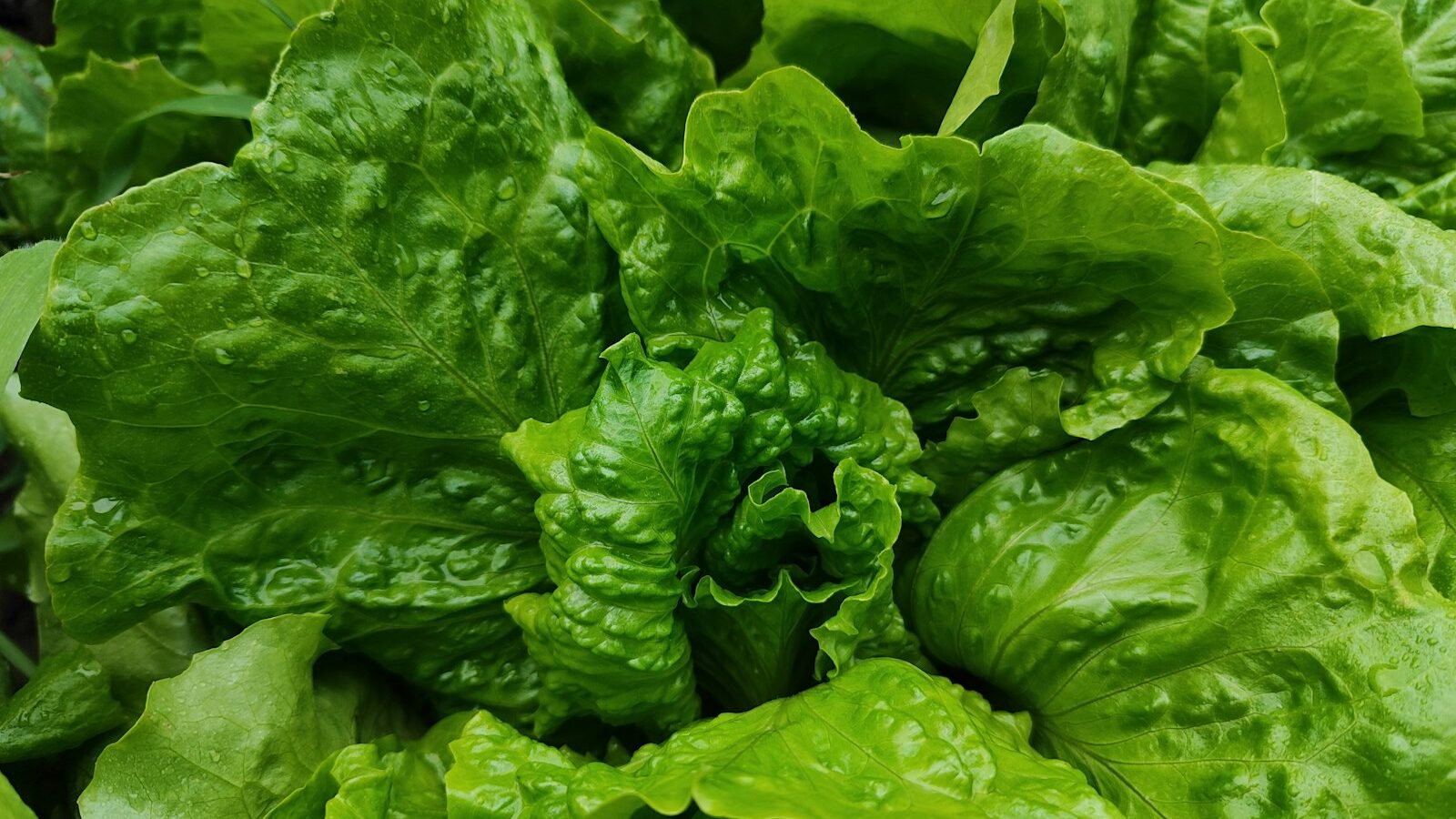
If you want soft, buttery leaves and a quick harvest from a small bed or container, grow bibb (a butterhead type) — it forms a loose, tender head in about 45 to 55 days and is the gentlest lettuce you can put in a salad. If you want sturdy, crisp leaves with a sweet crunchy rib that stand up to Caesar dressing, grilling, and a longer, hotter growing window, grow romaine (also called cos) — it takes 60 to 75 days but is noticeably more bolt-resistant and forgiving in summer heat. That is the short answer. For most home gardeners the honest move is to grow both, because they fill different jobs in the kitchen and they stagger your harvest. Everything below is the detail that helps you match the lettuce to your climate, your space, and what you actually plan to eat.
Key Takeaways
- Speed: Bibb matures fast at roughly 45 to 55 days; romaine needs about 60 to 75 days for a full head.
- Texture: Bibb is soft and buttery throughout; romaine is crisp with a sweet, juicy central rib.
- Heat: Romaine is the more bolt-resistant and heat-tolerant of the two, so it lasts longer into warm weather.
- Head form: Bibb makes a small, loose, open rosette; romaine grows an upright, elongated, dense head.
- Use: Reach for bibb for tender salads and lettuce wraps; reach for romaine for Caesar, crunch, and grilling.
Bibb Lettuce (Butterhead Type)
Bibb is a butterhead lettuce, which is the family of loose-heading lettuces prized for their soft, supple leaves. Rather than packing into a tight ball like iceberg or standing up tall like romaine, a bibb plant forms a small, open rosette — a loose head about the size of your fist or a softball, with leaves that cup gently inward toward a pale, blanched heart. The outer leaves are a smooth medium green (some varieties flush bronze or red at the margins), and the inner leaves fade to a soft yellow-green that is almost translucent. The whole plant typically tops out at 6 to 8 inches across.
Its signature is texture and flavor. The leaves have a velvety, almost buttery feel — hence “butterhead” — with a mild, faintly sweet, never-bitter taste. There is no fibrous crunch and no sharp ribs; even the thicker leaf bases stay tender. That makes bibb the lettuce of choice for delicate salads where you want the dressing to be light, and it is the classic leaf for lettuce wraps and lettuce cups because the cupped shape holds a filling and the leaf folds without snapping.
The trade-offs are speed against fragility. Bibb is fast — many varieties are ready in 45 to 55 days — and you can harvest it as a whole head or treat it cut-and-come-again, snipping outer leaves while the center keeps growing. But it is less heat-tolerant than romaine: those soft leaves wilt fast on a hot day, the plant bolts (sends up a bitter flower stalk) once temperatures climb past about 75 to 80 degrees Fahrenheit, and harvested heads do not store as long. Reliable varieties include the heirloom ‘Bibb’ (sometimes sold as ‘Limestone’), the very popular ‘Buttercrunch’ (more heat- and bolt-resistant than most butterheads, a good gateway variety), ‘Tom Thumb’ (a miniature single-serving head perfect for containers), and red-tinged types like ‘Marvel of Four Seasons’.
How to grow bibb lettuce
Bibb is a cool-season crop, so sow it in early spring and again in late summer for a fall crop, avoiding the heat of midsummer. Give it full sun in spring and fall, but in warm regions plant it where it gets afternoon shade to delay bolting. It prefers loose, fertile, moisture-retentive soil with a pH around 6.0 to 6.8 and steady, even watering — uneven moisture is what triggers bitterness and tipburn (brown, crisped leaf edges). Sow seed shallowly, just barely covered, and thin or transplant to about 6 to 8 inches apart, since the plants stay small. To keep a steady supply, succession sow a short row every 2 to 3 weeks rather than planting it all at once; because bibb matures so quickly, a single planting is gone in a week or two. Harvest in the cool of the morning when the heads are crisp and full, and pull or cut before any hint of a central stalk forming.
Romaine Lettuce (Cos)
Romaine, known in Britain and to seed catalogs as cos, is the upright, architectural lettuce. Instead of a loose rosette it grows a tall, elongated head — think of a narrow torpedo or a loosely furled cone, often 8 to 12 inches tall — with long, paddle-shaped leaves that stand stiffly upright and overlap into a dense column. The leaves are a deep green on the outside, fading to a creamy, blanched heart, and each one carries a broad, crunchy central rib running its full length. That rib is the sweetest, juiciest part of the plant and the reason romaine has such a satisfying snap.
Where bibb is soft, romaine is crisp and sturdy. The thick leaves and prominent ribs hold up to heavy dressing without going limp, which is exactly why romaine is the backbone of a Caesar salad and the go-to for any salad you dress in advance. Those same sturdy hearts take well to the grill — halve a head lengthwise, brush with oil, and char it cut-side down for a smoky, wilted-but-still-crunchy side. Romaine also keeps far better in the fridge than butterhead; a tightly wrapped head holds for a week or more.
The headline practical advantage is resilience. Romaine is more heat-tolerant and noticeably more bolt-resistant than bibb, so it carries your salad supply later into warm weather before it turns bitter and shoots to seed. The trade-off is patience: a full romaine head takes longer, generally 60 to 75 days to mature, though you can start picking outer leaves much earlier. Standout varieties include ‘Parris Island Cos’ (the classic, dependable, slow-to-bolt full-size romaine), ‘Cimarron’ (a heat-tolerant red-leaved heirloom), and ‘Little Gem’ — a small, fast romaine-butterhead cross that blurs the line between the two types, giving you compact, sweet, crunchy single-serving heads in about 50 days.
How to grow romaine lettuce
Romaine is grown the same cool-season way as bibb but rewards a little more room and time. Sow in early spring and late summer for spring and fall harvests; in mild-winter climates it is an excellent overwintering crop. It wants full sun in cool weather and tolerates part shade, which again helps in warmer regions to fend off bolting. Use rich, well-drained soil at pH 6.0 to 6.8 with consistent moisture, and feed lightly, since the bigger heads appreciate steady nitrogen. Because romaine plants are larger, space them farther apart than bibb — about 8 to 12 inches — to let the heads fill out without crowding. Keep up the same succession sowing every 2 to 3 weeks for a continuous supply. Watch for tipburn from erratic watering and for bolting once daytime temperatures hold above 75 to 80 degrees Fahrenheit. Harvest the whole head when it feels firm and dense, or pick outer leaves cut-and-come-again style while the heart keeps developing.
Head-to-Head Comparison
| Feature | Bibb (Butterhead) | Romaine (Cos) |
|---|---|---|
| Head form | Small, loose, open rosette | Tall, upright, dense column |
| Texture | Soft, buttery, no crunch | Crisp, sturdy, juicy ribs |
| Flavor | Mild, faintly sweet | Sweet, crunchy, slightly grassy |
| Days to maturity | About 45 to 55 days | About 60 to 75 days |
| Heat & bolt tolerance | Lower, bolts sooner | Higher, more bolt-resistant |
| Storage | Wilts fast, eat soon | Keeps a week or more |
| Best use | Tender salads, lettuce wraps | Caesar, crunch, grilling |
The Verdict: Which Should You Grow?
If you want soft, tender salads or lettuce wraps, grow bibb. Its velvety, never-bitter leaves are the best raw eating lettuce you can grow, the cupped leaves are made for holding fillings, and it is ready fast. Just plan to eat it promptly, because it neither holds in the garden nor stores in the fridge as well as romaine.
If you want crunch for Caesar salads, sturdy salads, or grilling, romaine is the clear pick. The thick leaves and sweet ribs survive heavy dressing, halved hearts char beautifully on the grill, and the heads keep for over a week. It takes longer to mature, but the payoff is a more versatile, durable lettuce.
If you garden through hot summers, lean on romaine — and especially heat-tolerant varieties like ‘Parris Island Cos’ or ‘Cimarron’ — because it bolts later and stays sweet longer once temperatures climb. If you are short on space or growing in containers, bibb is the natural fit at 6 to 8 inches per plant, or split the difference with ‘Little Gem’, the compact romaine-butterhead cross that gives you crunch in a small, fast package. For a steady kitchen supply, the best plan is succession sowing both types every 2 to 3 weeks and growing them side by side: bibb for the tender stuff, romaine for the crunch. For more on planning a productive bed, see our guides to urban gardening in small spaces and to choosing the right plants and flowers for your conditions.
Frequently Asked Questions
Is bibb or romaine lettuce easier to grow?
Bibb is faster and forgiving in cool weather, ready in 45 to 55 days, but it bolts and wilts sooner in heat. Romaine takes longer at 60 to 75 days yet is more bolt-resistant, so it is the easier choice if your spring warms up quickly or you garden into summer.
Which lettuce is more heat-tolerant?
Romaine. It resists bolting better and holds its sweetness later into warm weather than soft butterhead bibb. Heat-tolerant varieties such as ‘Parris Island Cos’ and ‘Cimarron’ push the limit further, while bibb tends to turn bitter and shoot to seed once temperatures pass 75 to 80 degrees Fahrenheit.
Can I harvest bibb and romaine cut-and-come-again?
Yes. Both can be picked as outer leaves while the center keeps growing, giving you repeated small harvests, or grown out and cut as a whole head. Bibb is small, so most gardeners take the whole head; romaine’s larger frame lends itself well to leaf-by-leaf picking before the heart fills.
What is Little Gem lettuce?
Little Gem is a small romaine-butterhead cross that blurs the line between the two types. It forms a compact, single-serving head in about 50 days with the sweet, crunchy ribs of romaine and the tender heart of a butterhead, making it ideal for containers and small beds.
Why does my lettuce taste bitter?
Bitterness comes from heat stress and bolting, or from inconsistent watering. Lettuce is a cool-season crop; once it gets too warm it sends up a flower stalk and turns bitter. Keep soil evenly moist, give afternoon shade in warm regions, and harvest before any central stalk appears.