

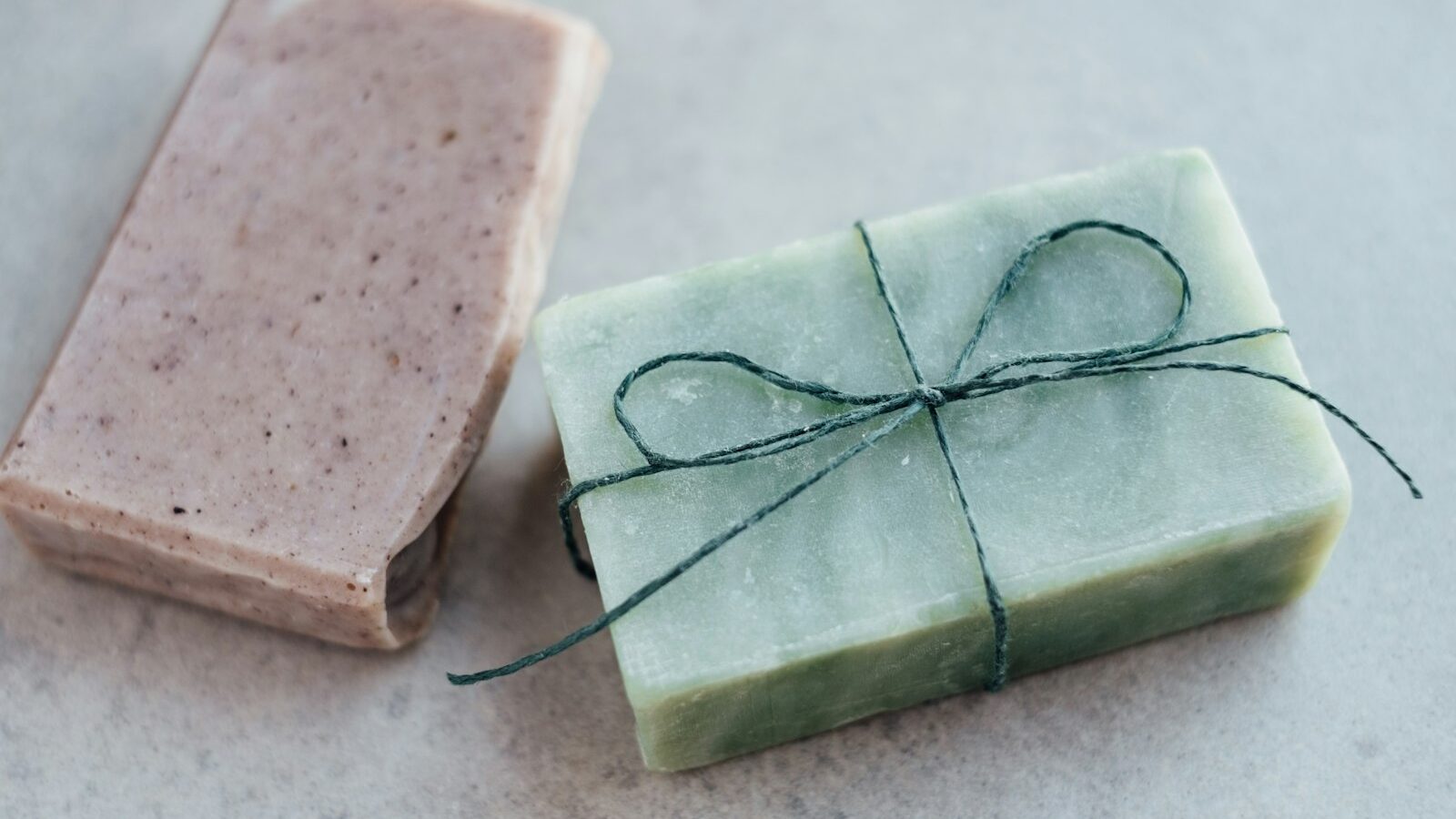
Insecticidal soap is the first thing an experienced grower reaches for when aphids cluster on the new growth or spider mites stipple the underside of a leaf. It works on contact by stripping the waxy coating off a soft-bodied insect’s cuticle so it dehydrates, which means it kills aphids, mites, mealybugs, whiteflies, thrips, and scale crawlers within minutes of a thorough spray — but only the bugs it physically touches. There’s no residual chemistry left behind to poison a beneficial insect that lands an hour later, which is exactly why it’s a staple of organic and low-spray gardens.
The catch is that all that simplicity hides a lot of bad product. A true insecticidal soap is made from potassium salts of fatty acids at a specific concentration; plenty of bottles on the shelf are really pyrethrin or oil blends wearing the word “soap,” and a DIY mix of dish detergent can scorch your foliage. Below are seven products we’d actually buy — ready-to-use sprays for spot treatment and concentrates for anyone spraying more than a windowsill — each with honest pros and cons, plus a buyer’s guide to help you choose and a section on how to spray without burning your plants.
As an Amazon Associate we earn from qualifying purchases. This page contains affiliate links at no extra cost to you.
Key Takeaways
- Coverage is everything. Soap only kills what it wets, so you must spray the undersides of leaves where aphids and mites actually hide — a missed colony rebounds in days.
- Buy a real potassium-salt soap. Look for “potassium salts of fatty acids” on the label, not a pyrethrin combo or a vague “natural” blend, if you want the gentle contact action soap is known for.
- Concentrate is far cheaper per gallon. Ready-to-use bottles are convenient for a few houseplants; concentrates pay for themselves fast once you’re treating a garden.
- Spray cool and out of sun. Apply in early morning or evening under about 90°F to avoid leaf burn, and rinse sensitive plants a few hours later.
- Repeat every 5 to 7 days. Soap has no residual, so you need 2 to 3 applications to catch newly hatched nymphs and break the pest cycle.
| Product | Best For | Key Spec |
|---|---|---|
| Safer Brand Insect Killing Soap (Concentrate) | Overall best / OMRI organic | Potassium salts of fatty acids, 16 oz concentrate |
| Garden Safe Insecticidal Soap (RTU) | Budget ready-to-use spray | Potassium salts, 24 oz trigger bottle |
| Bonide Insecticidal Soap (Concentrate) | Larger gardens / value concentrate | Potassium salts, 32 oz makes ~12 gal |
| Natria Insecticidal Soap (RTU) | Houseplants & spot treatment | Potassium salts, 24 oz ready-to-use |
| Earth’s Ally Insect Control | Pollinator-conscious gardens | Soap + rosemary/clove oil, RTU & concentrate |
| Dr. Bronner’s Pure-Castile Soap | DIY mixers (off-label use) | Castile soap base, dilute yourself |
| Espoma Earth-tone Insecticidal Soap | Organic vegetable gardens | Potassium salts, OMRI listed, RTU |
1. Safer Brand Insect Killing Soap Concentrate — Best Overall
Safer Brand more or less defined this category for home gardeners, and the concentrate is the version we’d buy first. It’s a straightforward potassium-salts-of-fatty-acids formula, OMRI listed for organic gardening, and the 16-ounce bottle mixes down to several gallons of working spray — far better value than buying ready-to-use bottles every time aphids show up. Diluted to label rate (typically a few tablespoons per quart), it knocks down aphids, mealybugs, whiteflies, spider mites, and soft scale on contact.
The honest limitation is the same one every soap shares: zero residual, so you’re committing to repeat sprays every 5 to 7 days until the population breaks, and you have to hit the bugs directly. Some growers also find the concentrate can be a touch harsh on very tender new growth or known-sensitive plants like ferns and some succulents, so test a leaf first. For the price-to-performance ratio across a real garden, though, nothing beats it.
Pros
- True potassium-salt soap, OMRI listed for organic use
- Concentrate makes several gallons — best cost per gallon
- Fast contact kill on aphids, mites, mealybugs, whiteflies
- Trusted, widely available formula with clear label rates
Cons
- No residual — needs repeat sprays every 5 to 7 days
- Can be harsh on ferns, some succulents, tender new growth
- You must mix it; not grab-and-spray convenient
2. Garden Safe Insecticidal Soap (Ready-to-Use) — Best Budget Spray
If you’ve got a few infested plants and don’t want to measure and mix, the Garden Safe ready-to-use trigger bottle is the cheap, sensible choice. It’s a potassium-salt soap already diluted to spray strength, so you pull the trigger and go — ideal for catching an aphid flare-up on a rose bush or a mealybug outbreak on a single tomato before it spreads. The 24-ounce bottle covers a surprising number of plants for the money.
Ready-to-use is convenience packaged as water, though, and that’s the trade-off: you’re paying a premium per ounce of actual soap, and the thin plastic trigger sprayers on budget bottles can clog or fail after heavy use. For a windowsill or a couple of patio plants it’s perfect; once you’re spraying a whole vegetable bed, you’ll save real money switching to a concentrate. Within its lane, it’s hard to argue with the price and the zero-prep convenience.
Pros
- No mixing — grab the trigger bottle and spray
- Genuine potassium-salt soap at the right dilution
- Cheap upfront and widely stocked
- Great for spot-treating a few plants fast
Cons
- Expensive per ounce of soap — you pay for water
- Budget trigger sprayer can clog or wear out
- Impractical for treating a whole garden
3. Bonide Insecticidal Soap Concentrate — Best for Larger Gardens
Bonide’s concentrate is the workhorse for anyone with more than a few plants to protect. The 32-ounce bottle mixes down to roughly a dozen gallons of finished spray at label rate, which is enough to cover a sizable vegetable garden, a row of fruit trees, or a yard’s worth of ornamentals through a full season. It’s the same dependable potassium-salt fatty-acid chemistry, and Bonide is a brand most serious gardeners already keep on the shelf.
Buying a concentrate this size means you’ll want a proper pump or backpack sprayer to apply it, which is one more thing to own and clean. And as with any soap, coverage discipline matters more than volume — a dozen gallons does nothing if you’re not hitting leaf undersides. But for the gardener who’s tired of running out mid-infestation, the value here is excellent and the formula is reliable.
Pros
- One 32 oz bottle makes about a dozen gallons of spray
- Excellent cost per gallon for bigger gardens
- Reliable potassium-salt formula from a trusted brand
- Handles vegetables, ornamentals, and fruit trees
Cons
- Really needs a pump or backpack sprayer to use well
- Overkill for someone with just a few houseplants
- Still zero residual — repeat applications required
4. Natria Insecticidal Soap (Ready-to-Use) — Best for Houseplants
Natria’s ready-to-use soap is the bottle we’d keep under the kitchen sink for indoor plants. It’s a clean potassium-salt formula in a fine-mist trigger sprayer that lays down an even coat without drenching, which matters indoors where you don’t want soapy runoff pooling in saucers and on windowsills. For the classic houseplant pests — mealybugs tucked in leaf axils, aphids on new growth, spider mites webbing a stressed fig — it’s an easy, low-drama fix.
Indoors, the usual soap rule about sun and heat is less of a worry, but the plant-sensitivity rule still applies: some houseplants with waxy or hairy leaves don’t love repeated soap, so test one leaf and rinse a few hours after spraying. It’s a ready-to-use bottle, so the same value math applies — fine for a plant collection, pricey if you try to treat an outdoor garden with it. As a tidy, effective indoor tool, it earns its spot.
Pros
- Fine-mist sprayer ideal for indoor plants
- Clean potassium-salt formula, no harsh odor
- No mixing — perfect for quick houseplant rescues
- Even coverage without soaking the soil
Cons
- Ready-to-use cost adds up over many plants
- Can stress waxy or fuzzy-leaved houseplants
- Not economical for outdoor garden-scale spraying
5. Earth’s Ally Insect Control — Best for Pollinator-Conscious Gardens
Earth’s Ally takes a slightly different tack: it pairs soap with rosemary and clove botanical oils, and the brand makes a point of its bee-safety testing when the spray is applied as directed (dry, and not directly on foraging bees). For gardeners who want pest control but are anxious about pollinators, that positioning is reassuring, and the oil component adds a little knockdown punch and a pleasant herbal smell rather than the flat soapy odor of a pure soap.
Because it’s a soap-plus-oil blend, it behaves a bit more like a combination product than a pure insecticidal soap — slightly more potential for leaf burn on sensitive plants and more reason to spray in cool, calm conditions. It comes in both ready-to-use and concentrate, so you can pick your scale. If protecting bees and beneficials is high on your list, this is the one worth a look, just observe the same cautions you would with any oil.
Pros
- Bee-safe when applied dry and as directed
- Soap plus rosemary/clove oil adds knockdown
- Available in both RTU and concentrate sizes
- Pleasant herbal scent instead of soapy odor
Cons
- Oil blend raises leaf-burn risk on sensitive plants
- Pricier than a plain potassium-salt soap
- Strong herbal smell isn’t for everyone indoors
6. Dr. Bronner’s Pure-Castile Soap — Best DIY Base
Plenty of frugal gardeners skip the labeled products and mix their own soap spray, and if you do, Dr. Bronner’s unscented Pure-Castile liquid is the base to use. Castile soap is made from plant oils (a true fatty-acid soap, not a detergent), so a very dilute mix — on the order of a teaspoon or two per quart of water — approximates the action of a commercial insecticidal soap for treating aphids and mites on a budget. A bottle lasts a long time because you use so little.
Be clear-eyed about this one: using any soap as a pesticide on edibles is technically off-label, and homemade mixes are far easier to get wrong. Too strong, or used in heat and sun, and castile soap will burn foliage faster than a formulated product — and the scented versions (peppermint, citrus) add oils that increase that risk. Always test on a few leaves first and start weak. For the DIY-minded who want one multipurpose bottle, though, it’s a genuinely useful base.
Pros
- True plant-oil castile soap, not a detergent
- Extremely economical — a little makes a lot of spray
- One bottle doubles for household uses
- You control the exact dilution
Cons
- Off-label as a pesticide — no tested rates for crops
- Easy to mix too strong and scorch leaves
- Use the unscented version; added oils raise burn risk
7. Espoma Earth-tone Insecticidal Soap — Best for Organic Vegetable Gardens
Espoma is best known for organic fertilizers, and its Earth-tone insecticidal soap fits the same philosophy: a straightforward OMRI-listed potassium-salt soap aimed at the organic vegetable grower. If you’re already running an organic kitchen garden and want a soap that fits your program without any synthetic add-ins, this is an easy pick. It comes ready to use, so it’s grab-and-spray on the broccoli aphids and squash-vine whiteflies that plague summer beds.
Its strengths and weaknesses are the textbook soap profile — quick contact kill, OMRI-listed peace of mind, zero residual, and the need to repeat. As a ready-to-use product it carries the same per-ounce premium as the other RTU bottles here, so heavy users may eventually want a concentrate. But for a tidy, certified-organic option that slots straight into a vegetable garden’s spray routine, Espoma’s soap is a clean, no-surprises choice.
Pros
- OMRI listed and built for organic vegetable gardens
- Simple potassium-salt soap, no synthetic additives
- Ready to use for quick treatment of edibles
- Backed by a well-regarded organic-gardening brand
Cons
- RTU pricing adds up for large gardens
- No residual — plan on 2 to 3 repeat sprays
- Less widely stocked than Safer or Bonide
How to Choose an Insecticidal Soap
Read the active ingredient, not the marketing. A genuine insecticidal soap lists “potassium salts of fatty acids” as its active ingredient, usually around 1 to 2 percent in the finished spray. If the label instead shows pyrethrin, permethrin, or a long list of botanical oils, you’re buying a different class of product that behaves differently — sometimes harsher, sometimes with residual you didn’t want. For the gentle, contact-only action soap is famous for, insist on the fatty-acid salts.
Match the format to your scale. Ready-to-use trigger bottles are the right call for a few houseplants or a quick spot treatment — no mixing, no measuring, just spray. The moment you’re treating a vegetable bed, a hedge of roses, or fruit trees, a concentrate is dramatically cheaper per gallon and worth owning a pump sprayer for. Buying a concentrate for two windowsill plants wastes money; buying RTU for a quarter-acre wastes far more.
Know which pests it targets. Soap is for soft-bodied insects — aphids, spider mites, mealybugs, whiteflies, thrips, psyllids, and young scale crawlers. It does little to hard-shelled beetles, caterpillars, or mature armored scale, so don’t reach for it expecting to solve a Japanese beetle problem. If caterpillars are your issue, a product like Bt or spinosad is the right tool instead, and matching the control to the pest saves you a lot of wasted spraying.
Check for OMRI listing and plant sensitivity notes. If organic gardening matters to you, an OMRI seal confirms the product qualifies. Either way, scan the label for plants it warns against — many soaps list ferns, certain succulents, sweet peas, and some ornamentals as sensitive. Spraying soap is most effective as one piece of a broader plan, alongside encouraging predators; our guide to attracting beneficial insects covers the natural aphid control that means you reach for the sprayer less often.
Frequently Asked Questions
How does insecticidal soap actually kill bugs?
The potassium salts of fatty acids disrupt and dissolve the waxy outer cuticle of soft-bodied insects, causing them to dehydrate and their cell membranes to break down. It only works on direct contact while the spray is wet, which is why thorough coverage of leaf undersides matters and why there’s no lingering effect once it dries.
Will insecticidal soap hurt bees and beneficial insects?
It can kill any soft-bodied insect it directly wets, including beneficials, but because it has no residual it poses little risk to bees or ladybugs that arrive after the spray has dried. Spray in early morning or evening when pollinators aren’t active, and avoid spraying open flowers, to keep the risk minimal.
Can I just use dish soap instead?
Modern dish “soaps” are usually synthetic detergents with degreasers and fragrances that can strip a plant’s protective waxes and burn foliage, so they’re a gamble. A true fatty-acid soap — a commercial insecticidal soap or unscented castile soap mixed very dilute — is far safer for plants. If you do experiment, test on a few leaves first.
How often should I apply it?
Because soap has no residual and doesn’t kill eggs, plan on spraying every 5 to 7 days for two to three applications. That schedule catches the nymphs that hatch after your first spray and breaks the breeding cycle. A single application almost always lets the population rebound within a week.
Why are my leaves burning after I spray?
Leaf burn (phytotoxicity) usually comes from spraying in hot sun, mixing the soap too strong, or treating a sensitive plant like a fern or succulent. Apply in cool conditions under about 90°F, stick to the label dilution, rinse sensitive plants a few hours later, and always spot-test an unfamiliar plant before treating all of it.
Insecticidal soap is one of the safest, most useful sprays a gardener can own, but it only earns that reputation when you use a real potassium-salt formula, cover the undersides of leaves where the pests hide, spray in cool conditions, and repeat every few days until the population breaks. Buy ready-to-use for a few plants and concentrate for a garden, skip the dish-soap shortcuts, and pair your spraying with predators and good plant health. Do that and most aphid, mite, and mealybug problems never get the chance to take hold.