

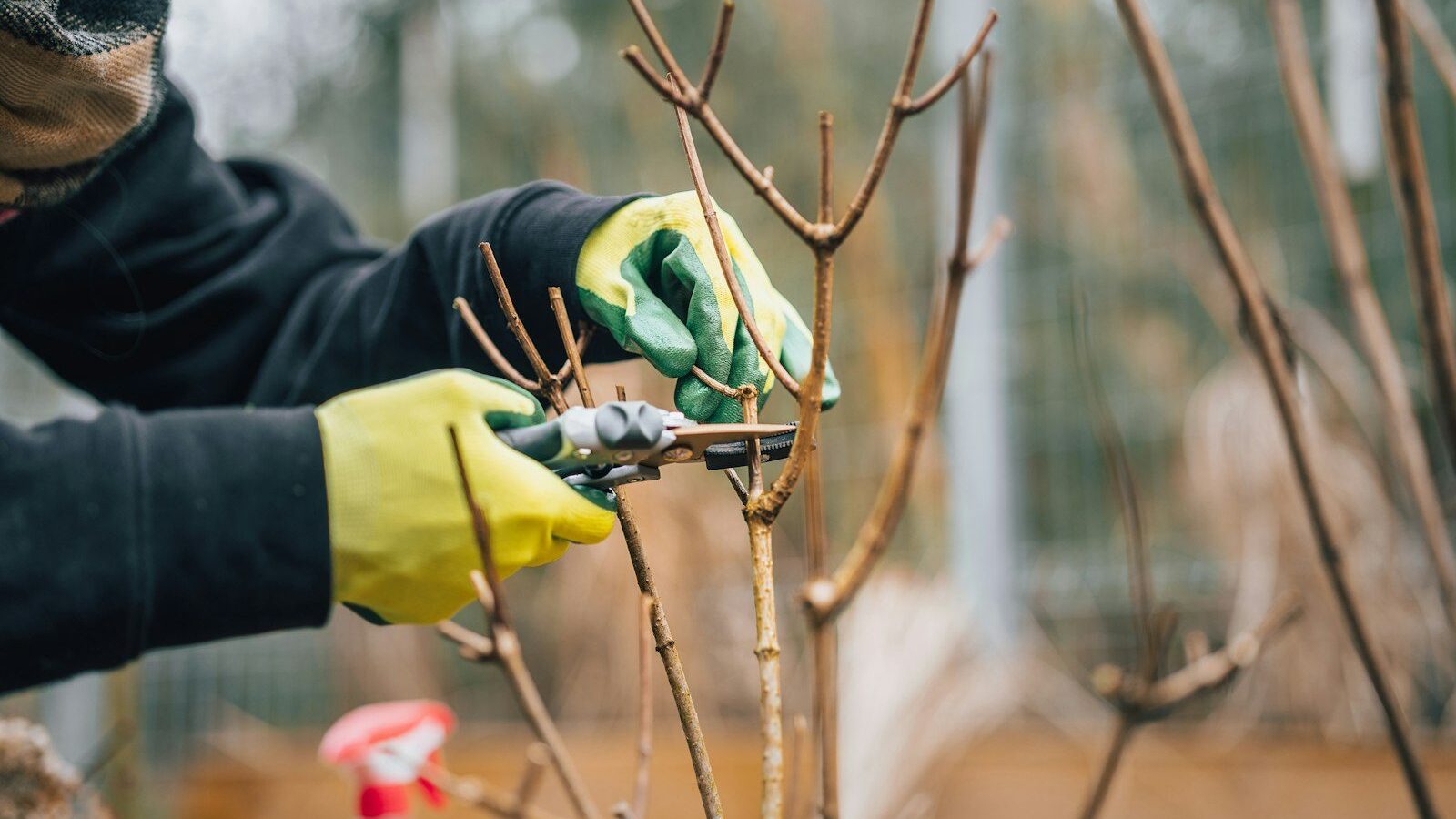
For all the attention bypass pruners get, the tool most gardeners actually reach for a dozen times a day is a good pair of garden scissors. Snips, florist scissors, harvesting shears — whatever you call them — they’re the precise, lightweight cutters you use for deadheading, harvesting herbs and vegetables, trimming soft stems, pinching back seedlings, snipping twine, and a hundred other small jobs where a big pruner is clumsy overkill. A pruner is built for woody stems up to pencil thickness; scissors are built for everything thinner, where what matters is a clean, close, accurate cut that doesn’t crush the stem. The difference between a cheap pair and a great pair is enormous: good scissors stay sharp, close smoothly, fit your hand, and last for years, while bad ones go dull, stick, and bruise everything they touch.
The category is broader than it looks. There are needle-nose precision snips for reaching into a dense plant and making a surgical cut, heavier flower-and-fruit shears for thicker herb and vegetable stems, ergonomic spring-loaded snips that reduce hand fatigue over a long harvest, and traditional one-piece Japanese garden scissors prized by bonsai growers and flower arrangers. This guide walks through seven real, widely available models, what each is genuinely good for, and the honest trade-offs, followed by a buyer’s guide and a short FAQ. For more tool comparisons, browse our Tools & Gear hub.
As an Amazon Associate we earn from qualifying purchases. This page contains affiliate links at no extra cost to you.
Key Takeaways
- Garden scissors and snips are for soft stems, deadheading, harvesting, and precision work — use bypass pruners for anything woody or pencil-thick.
- Stainless steel resists rust and needs little care; high-carbon steel takes a sharper, longer-lasting edge but must be wiped dry and oiled.
- Needle-nose or “pruning snips” reach into dense plants for surgical cuts; broader floral shears handle thicker, juicier stems.
- A spring-loaded action and a comfortable handle make a real difference over a long harvest or deadheading session.
- The Fiskars Micro-Tip is the easy all-rounder, the Chikamasa B-500 is the precision pick, and the ARS 300L is the gardener’s-favorite snip.
| Product | Best For | Key Spec |
|---|---|---|
| Fiskars Micro-Tip Snips | Best overall all-rounder | Spring-loaded, stainless micro-tip blades |
| Chikamasa B-500 | Best precision / harvest snip | Carbon steel, fluorine-coated thin blades |
| ARS 300L Needle-Nose | Best for tight, dense plants | Stainless, long needle-nose tip |
| Joyce Chen Original Unlimited | Best for soft herbs & flowers | Stainless, spring-loop kitchen-style scissors |
| Felco 321 Picking Shears | Best premium harvest shear | Felco quality, rounded safety tips |
| Okatsune 307 Bonsai Scissors | Best traditional Japanese pair | High-carbon steel, one-piece forged |
| Gonicc Pruning Snips | Best budget value | Stainless, spring-loaded, ergonomic grip |
1. Fiskars Micro-Tip Pruning Snips
The Fiskars Micro-Tip is the pair I hand to anyone who asks for one good set of garden scissors, because it does almost everything well and costs very little. The slim, pointed stainless blades close on a spring so each cut springs back open for you, which cuts hand fatigue noticeably over a long session of deadheading or harvesting. The micro-tip geometry lets you reach into a crowded plant and snip a single spent bloom without nicking the leaves around it, and the easy-open lock and contoured handles make it comfortable in most hands. For soft stems, herbs, flowers, and general tidy-up work, it’s hard to do better at the price.
The trade-offs are the usual ones for a budget stainless snip. The steel is fine but not premium, so the edge dulls faster than a good carbon blade and is fiddly to resharpen because the blades are thin. The plastic-bodied handles are comfortable but not indestructible, and these aren’t the tool for anything woody — push them into a tough stem and you’ll spring the blades. As a do-everything soft-stem snip, though, this is the safe, cheap recommendation.
Pros
- Spring-loaded action reduces hand fatigue
- Fine micro-tip reaches into dense plants
- Inexpensive and widely available
- Comfortable contoured handles with an easy lock
Cons
- Stainless dulls faster than premium carbon steel
- Thin blades are hard to resharpen
- Not for woody stems
2. Chikamasa B-500 Harvest Scissors
The Chikamasa B-500 is the cult-favorite precision snip among serious vegetable growers, herb harvesters, and indoor gardeners, and once you use a pair you understand why. The blades are exceptionally thin, sharp carbon steel with a slick fluorine (non-stick) coating that keeps sap and resin from gumming up the action, so they stay smooth and clean far longer than uncoated scissors. They make a glass-clean cut on the finest stems, which matters for harvesting delicate herbs and for any cut where you want minimal bruising. The light, comfortable loop handles suit long sessions, and the precision tips are perfect for trimming and detail work.
The honest caveats follow from that razor sharpness. The thin carbon blades are not meant for thick or woody material — force them and you can spring or chip the edge. The coating helps with rust but the steel still benefits from being kept dry, and the pointed tips are sharp enough to demand respect. For clean, surgical cuts on soft stems and harvests, though, this is the precision champion.
Pros
- Razor-sharp thin carbon blades for clean cuts
- Non-stick fluorine coating resists sap and gumming
- Light, comfortable loop handles for long use
- Beloved precision tool among harvesters
Cons
- Thin blades chip or spring on woody stems
- Carbon steel still wants to be kept dry
- Very sharp tips demand careful handling
3. ARS 300L Needle-Nose Snips
ARS is a Japanese maker with a reputation for excellent steel, and the 300L is the pair flower growers and tidy-minded gardeners reach for when they need to get into a tight spot. The long, slim needle-nose blades let you reach deep into a dense rose or a crowded perennial and make one clean cut on a spent bloom without disturbing anything around it. The high-quality stainless steel takes and holds a genuinely sharp edge, far better than the typical budget snip, and the cushioned grips are comfortable through a long deadheading or cut-flower session. For precision reach with low maintenance, it’s a standout.
The compromises are minor. The long thin tips that make it so precise are also the most vulnerable part — pry or twist with them and you can bend them, so they want to be used as cutters, not levers. Capacity is modest, as you’d expect from a fine snip, so keep them to soft stems. And they cost more than a generic pair. For anyone who does a lot of deadheading and cut-flower work, the extra reach and steel quality are well worth it. If you grow roses, pair these with our guide on how to prune climbing roses.
Pros
- Long needle-nose reach into dense plants
- High-grade Japanese stainless holds an edge
- Comfortable cushioned grips
- Low maintenance and rust-resistant
Cons
- Slim tips can bend if used to pry
- Modest cutting capacity; soft stems only
- Costs more than a generic snip
4. Joyce Chen Original Unlimited Scissors
The Joyce Chen Unlimited started life as kitchen scissors, but gardeners adopted them long ago as some of the most comfortable, capable soft-stem cutters you can buy. The stainless blades are surprisingly stout for their size, the spring-loop handles fit either hand and any finger arrangement (you don’t squeeze your fingers through fixed holes), and the whole tool is light, smooth, and tireless to use. For harvesting herbs, snipping flowers, cutting back soft perennials, trimming pond-plant foliage, and a dozen kitchen-garden jobs, they’re a joy, and they come in cheerful colors that are easy to find when you set them down in the bed.
They are general-purpose scissors rather than a specialized snip, so they lack the needle-fine tips for surgical reach into a dense plant, and like most stainless they’re not meant for woody stems. They’re also not designed to be resharpened easily. But as an everyday, ambidextrous, do-anything pair for the soft side of the garden — and the kitchen — they’re a long-running favorite for good reason.
Pros
- Ambidextrous spring-loop handles fit any hand
- Comfortable, light, and smooth in long use
- Stout blades for general garden and kitchen work
- Bright colors are easy to spot in the bed
Cons
- No needle-fine tip for surgical reach
- Not for woody stems
- Not easily resharpened
5. Felco 321 Picking and Trimming Shears
Felco built its reputation on professional bypass pruners, and the 321 brings that same build quality to a dedicated harvesting shear. These are short, stout, spring-loaded shears designed for picking fruit and vegetables and trimming flowers, with a quality steel blade that takes a keen edge and the kind of solid, precise action you expect from the brand. A nice touch is the rounded blade tips, which reduce the risk of jabbing fruit, your other hand, or nearby stems while you work fast through a harvest. They’re comfortable, durable, and built to be used hard for years.
The catch, as with anything Felco, is price — these cost several times what a budget snip does. They’re also shorter-reach than a needle-nose snip, so they’re a harvesting and trimming tool rather than a deep-reach precision one. But Felco supports its tools with replaceable parts, so a 321 can be maintained and resharpened essentially indefinitely, which softens the upfront cost over a lifetime of use. For a serious grower who picks a lot, they’re a buy-it-once shear.
Pros
- Felco build quality and keen, durable blade
- Rounded safety tips protect fruit and fingers
- Replaceable parts; resharpen and rebuild for life
- Solid, precise spring-loaded action
Cons
- Premium price
- Short reach; not for deep precision cuts
- Overkill for occasional light use
6. Okatsune 307 Bonsai Scissors
If you want the traditional Japanese garden scissor — the elegant one-piece pair you see in bonsai studios and flower-arranging benches — the Okatsune 307 is the one to get. Forged from high-carbon Japanese steel, with the classic open butterfly handles and a single rivet, it takes an extraordinarily keen edge and makes the kind of clean, whisper-quiet cut that delicate work demands. Bonsai growers prize Okatsune for the steel quality and the precise, satisfying snip; flower arrangers love the same traits for stems and foliage. The simple, durable construction means it can be sharpened and maintained for decades.
The trade-offs are tradition’s tax. High-carbon steel rusts if you leave it wet, so you must wipe and lightly oil the blades and store them dry. The open butterfly handles are comfortable for those used to them but feel unfamiliar to gardeners raised on spring-loop snips, and there’s no spring to reopen the blades. And like all fine scissors, they’re for soft stems, not woody growth. For a gardener who values a truly sharp, traditional tool and will care for it, the 307 is a delight.
Pros
- High-carbon Japanese steel takes a superb edge
- Clean, precise cuts for bonsai and arranging
- Simple one-piece build; sharpen for decades
- Classic, satisfying traditional design
Cons
- Carbon steel rusts without drying and oiling
- Butterfly handles feel unfamiliar to some
- No spring action; soft stems only
7. Gonicc Professional Pruning Snips
The Gonicc snips are the budget value pick for a gardener who wants a comfortable, spring-loaded pair without spending much. They use stainless blades with a slim, pointed profile, a spring to reopen after each cut, an ergonomic non-slip handle, and a safety lock to keep them closed in the drawer. For deadheading, herb harvesting, trimming soft growth, and general garden snipping, they cover the bread-and-butter jobs perfectly well, and the cushioned grip is genuinely comfortable over an afternoon’s work. At their price, they’re an easy pair to keep in the shed, the greenhouse, and the kitchen all at once.
The honest limits are the budget ones. The steel is decent but not premium, so the edge softens sooner than a top-tier snip and is awkward to resharpen. Quality control on inexpensive tools varies, so the spring or pivot can loosen over time with heavy use. And, predictably, they’re for soft stems, not woody material. As a low-cost, comfortable everyday snip you won’t cry over if you lose it in the compost, though, they’re great value. They also pair naturally with our roundup on the best tools and gear for the garden.
Pros
- Inexpensive, comfortable spring-loaded snip
- Ergonomic non-slip grip and safety lock
- Fine pointed tips for everyday precision
- Cheap enough to own several
Cons
- Mid-grade steel dulls sooner
- Spring or pivot can loosen with hard use
- Soft stems only
What to Look For in Garden Scissors
Garden scissors look simple, but the details separate a pair you’ll keep for years from one you’ll toss next season. Here’s what actually matters when you compare them.
Blade Steel: Stainless vs Carbon
This is the first fork in the road. Stainless steel resists rust, shrugs off neglect, and is the right call for most gardeners who leave tools in a damp shed or work around water. It’s generally a little softer, so it dulls sooner and is harder to resharpen on thin blades. High-carbon steel — the Japanese snips and bonsai scissors — takes and holds a noticeably keener edge and makes cleaner cuts, but it rusts if left wet, so it must be wiped dry and lightly oiled. Choose carbon if you’ll maintain it and value sharpness; stainless if you want fuss-free.
Blade Shape and Reach
Match the blade to your jobs. Needle-nose and micro-tip snips have long, slim points that reach deep into a dense plant to snip one spent bloom without nicking the leaves around it — ideal for deadheading and detail work. Broader floral and harvest shears trade reach for capacity, handling thicker, juicier herb and vegetable stems. If you do a lot of close, surgical cutting, prioritize a fine tip; if you mostly harvest, a stouter shear serves better.
Spring Action and Comfort
A spring that reopens the blades after each cut sounds minor until you’ve made a few hundred cuts deadheading a long border or harvesting a basil bed. Spring-loaded snips dramatically reduce hand fatigue, which matters most if you have arthritis or weaker grip strength. Ambidextrous spring-loop handles (like the Joyce Chen) suit either hand and any finger arrangement. Whatever the style, hold the pair, work the action a few times, and make sure it fits your hand before you commit.
Cutting Capacity
Garden scissors are for soft, green stems and thin material — herbs, flowers, soft perennials, seedlings, twine, and tender vegetable stems. They are not bypass pruners. Push a thin-bladed snip into a woody stem and you’ll spring or chip the blades and ruin the action. If a stem is pencil-thick or woody, reach for pruners instead. Knowing the line keeps your scissors sharp and your cuts clean.
Coatings and Maintenance
Sticky sap, resin, and plant juices gum up scissor blades and make them drag. A non-stick coating (like the fluorine coating on the Chikamasa) keeps blades sliding smoothly and easy to clean, which is a real advantage if you cut a lot of sappy or resinous plants. Whatever you buy, wipe the blades clean after use, keep carbon steel dry and oiled, and put a drop of oil on the pivot occasionally so the action stays smooth. A clean, sharp pair is safer and kinder to your plants.
Frequently Asked Questions
What’s the difference between garden scissors and pruners?
Garden scissors and snips have two thin, scissor-like blades for clean cuts on soft, green stems — herbs, flowers, seedlings, soft perennials, and twine. Bypass pruners have a thicker curved blade that slices past a hook and are built for woody stems up to pencil thickness. Use scissors for precision and soft material; use pruners for anything woody, and you’ll keep both tools sharp and undamaged.
Are stainless or carbon steel garden scissors better?
It depends on your habits. Stainless resists rust, needs little care, and is the easy choice for most gardeners, though it dulls a bit sooner and is harder to resharpen on thin blades. High-carbon steel (the Japanese snips and bonsai scissors) takes and holds a sharper edge for cleaner cuts but will rust if left wet, so you must wipe it dry and oil it. Choose carbon if you’ll maintain it, stainless if you won’t.
How do I keep garden scissors from getting sticky?
Sap and plant juices gum up the blades. Wipe them clean after each use — a little rubbing alcohol or soapy water removes sticky residue — and dry them before storing. Coated blades, like the fluorine-coated Chikamasa, resist gumming and clean up faster. Put a drop of light oil on the pivot now and then so the action stays smooth, and keep carbon-steel blades lightly oiled to prevent rust.
Can I sharpen garden scissors?
Yes, though thin-bladed snips are fiddlier than pruners. Use a fine sharpening stone, a small ceramic rod, or a dedicated scissor sharpener, working along the existing bevel of each blade and keeping the angle consistent. A few light passes restore a keen edge. Very cheap stamped-stainless snips are hard to resharpen well; quality carbon and Japanese stainless scissors take an edge beautifully and reward maintenance.
What garden scissors are best for harvesting herbs?
For delicate herb harvesting you want thin, sharp blades that make a clean cut without crushing the stem. Precision snips like the Chikamasa B-500 or ARS 300L excel here, and ambidextrous spring-loop scissors like the Joyce Chen Unlimited are comfortable for repetitive picking. A non-stick coating helps with resinous or sappy herbs. Cut just above a leaf node to encourage the plant to bush out and keep producing.
For most gardeners, the Fiskars Micro-Tip is the easiest recommendation: comfortable, precise, spring-loaded, and cheap. If you harvest a lot and want surgical cuts, step up to the Chikamasa B-500 or the ARS 300L; if you want a traditional, buy-it-for-life pair, the Okatsune 307 or the rebuildable Felco 321 will reward you for decades. Whichever you choose, a good pair of garden scissors quickly becomes the tool you reach for more than any other.