

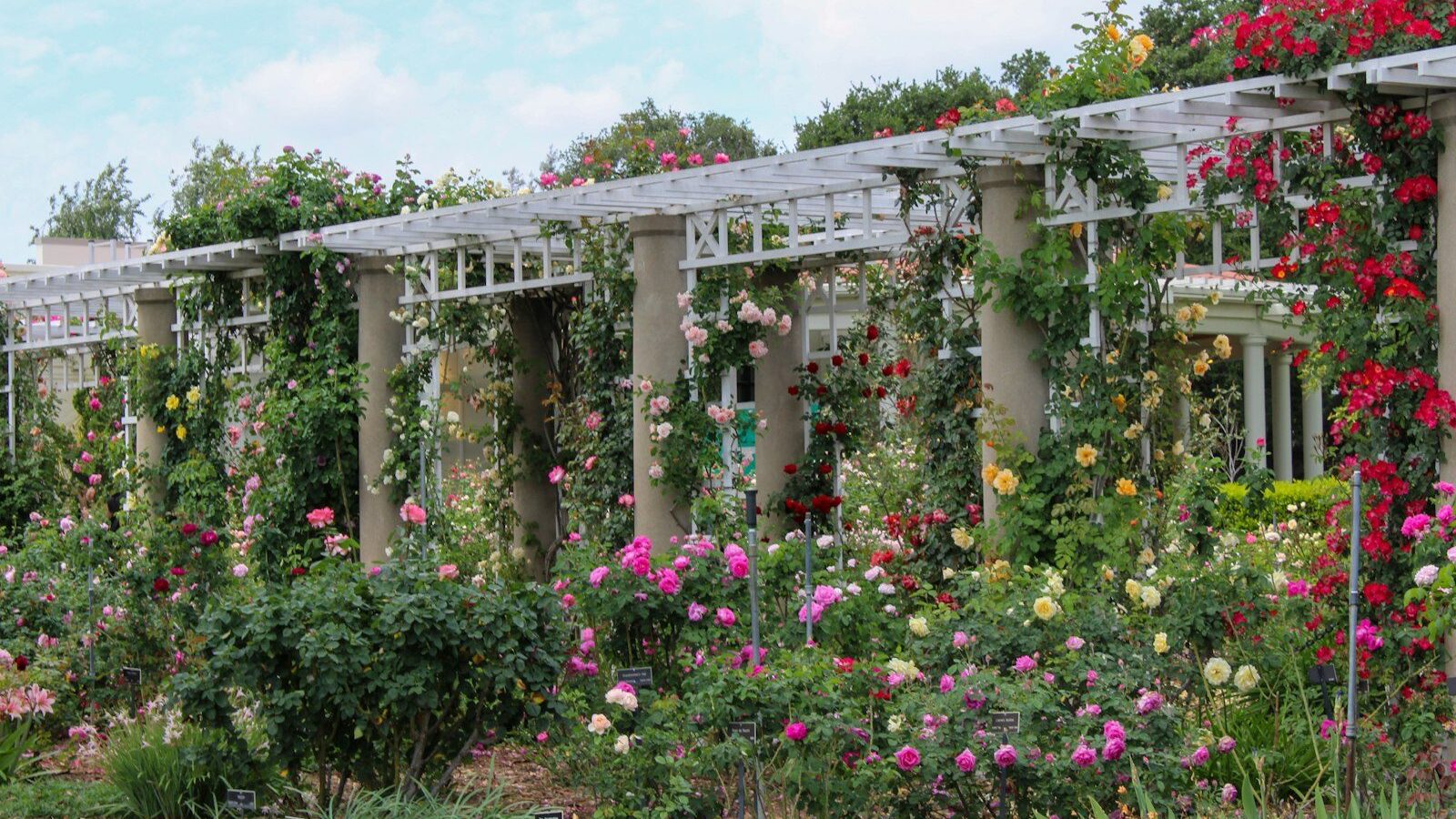
A garden arbor does two jobs at once: it frames a view or entrance with instant vertical drama, and it gives climbing roses, clematis, jasmine and vines a structure to scramble over. Get one right and it becomes the focal point the whole garden organizes around; get it wrong and you’re propping up a rusting, wobbling frame that can’t carry the weight of a mature rose. The market runs from $60 powder-coated steel arches to substantial cedar pergola-arbors with bench seats, and the differences in steel gauge, wood species, footprint and anchoring matter enormously once a plant is loaded on top. After installing and living with arbors in wind, snow and heavy rose growth, these are the seven I’d recommend, matched to the situations they suit.
As an Amazon Associate we earn from qualifying purchases. This page contains affiliate links at no extra cost to you.
Key Takeaways
- Match material to commitment: powder-coated steel is affordable and slim but can rust at scratches; cedar and vinyl last longest with the most presence and cost.
- A mature climbing rose is heavy and acts like a sail in wind — anchoring is not optional. Set legs in concrete or use ground anchors/augers, never just push the legs into soft soil.
- Size for the plant and the path: leave at least 4 feet of clear width for a walk-through arbor and pick a height that lets blooms hang above head height once the plant matures.
- Tight wire mesh or closely spaced bars give twining climbers something to grab; widely spaced tubular arches may need added netting or wire for the plant to climb.
- Heavier-gauge steel and thicker wood members resist bending and wind far better than the lightweight frames — check tube diameter/gauge and post dimensions before buying.
Quick Comparison: Garden Arbors at a Glance
| Product | Best For | Key Spec |
|---|---|---|
| Vita Yorkshire Vinyl Arbor | Low-maintenance longevity | White cellular PVC, ~7.5 ft tall |
| Amagabeli Metal Garden Arch | Budget climbers | Powder-coated steel, ~7.5 ft |
| Achla Designs Wide Arbor | Wide walk-through path | Wrought-iron, ~5 ft wide opening |
| Outsunny Wooden Arbor w/ Bench | Arbor with seating | Fir wood, integrated bench + trellis |
| Best Choice Wooden Arch | Classic cottage look | Cedar-tone fir, lattice sides |
| Panacea Heavy-Duty Arbor | Heavy roses & durability | Thick tubular steel, scrollwork |
| Zippity Outdoor Vinyl Arbor Gate | Arbor with gate entry | Vinyl arbor + lockable gate |
1. Vita Yorkshire Vinyl Arbor — Best for Low-Maintenance Longevity
If you want an arbor you’ll never sand, repaint or treat, the Vita Yorkshire is the answer. It’s built from cellular PVC vinyl — the same material as premium fence — so it won’t rot, rust, peel or attract insects, and it keeps its clean white look with nothing more than an occasional hose-down. The classic arched-top design with lattice sides suits cottage and formal gardens alike, and the lattice gives twining climbers plenty to grab onto.
Assembly is straightforward, and the vinyl components are durable in sun and freeze-thaw. The honest trade-off is that vinyl is hollow and lighter than wood or heavy steel, so proper anchoring matters even more — fill or stake the legs and secure it well, or wind plus a loaded climber can shift it. It’s also a fixed white; if you want a stained-wood look it won’t deliver. But for decades of zero-maintenance service, it’s hard to beat.
Pros
- Vinyl never rots, rusts, peels or needs painting
- Lattice sides give climbers plenty to grip
- Clean classic look, hose-clean maintenance
Cons
- Hollow and light — anchoring is essential
- Only available in white; no stain options
- Higher upfront cost than basic steel arches
2. Amagabeli Metal Garden Arch — Best Budget Pick for Climbers
The Amagabeli metal arch is the go-to inexpensive option, and it does its core job well: a roughly 7.5-foot powder-coated steel arbor with a grid of bars and scroll detailing that climbing roses, clematis and morning glory grab onto readily. The closely spaced framework is genuinely better for twining plants than a sparse tubular arch, and the black powder coat looks crisp against foliage. It ships flat and bolts together in an hour or so.
At this price you’re getting lighter-gauge steel, so it’s best for moderate climbers rather than a massive mature rambling rose, and it must be anchored — the included ground stakes are a starting point, but in wind or with a heavy plant you’ll want to set the legs in concrete or augers. Watch for rust at scratches and cut ends over time; touch up any chips with rust-inhibiting paint. For framing a path or supporting a reasonable climber on a budget, it’s excellent value.
Pros
- Affordable and easy to assemble
- Closely spaced bars give climbers great grip
- Crisp black powder-coat finish
Cons
- Lighter-gauge steel; not for very heavy roses
- Included stakes are weak — needs better anchoring
- Can rust at scratches and cut ends over time
3. Achla Designs Wrought-Iron Wide Arbor — Best for Wide Walk-Through
Many arches are too narrow once a rose fills in — you end up brushing thorns on the way through. Achla Designs’ wide wrought-iron arbor solves that with a generous opening around five feet, so two people can pass and a mature climber still leaves clear headroom and width. The wrought-iron construction is heavier and more substantial than budget tubular steel, with elegant scrollwork that reads as a permanent garden feature rather than a temporary support.
The heft is the point: it stands up to wind and plant load far better than lightweight arches, though it still needs anchoring at the legs. As with all iron, expect to manage rust over the years with touch-up paint, particularly in coastal or wet climates. It’s pricier and heavier to handle during assembly. But for a main garden entrance or a wide path where you want presence and room to walk, the extra width and mass are well worth it.
Pros
- Wide ~5 ft opening — comfortable to walk through
- Heavy wrought iron resists wind and plant load
- Elegant scrollwork reads as a permanent feature
Cons
- Iron needs rust management over time
- Heavy and more involved to assemble and place
- Higher price than standard arches
Free, no-obligation quote · Connect with a local pro
4. Outsunny Wooden Arbor with Bench — Best Arbor with Seating
An arbor with an integrated bench turns a plant support into a destination — a shaded, fragrant spot to sit beneath the roses. Outsunny’s wooden arbor-bench combines a slatted seat for two with trellis sides and an arched or flat top, all in treated fir, giving climbers a structure while you get a place to rest. It’s a charming, functional addition to a cottage garden, a vegetable plot corner, or the end of a path.
Because it’s a larger, multi-part wooden structure, plan for a longer assembly and a level base; the bench takes weight, so a stable footing matters. Fir is more affordable than cedar but less naturally rot-resistant, so seal or stain it and keep the legs off standing water to extend its life. The trellis sides support climbers nicely, though the bench limits where the heaviest growth can go. For combining seating and greenery in one piece, it’s a great value.
Pros
- Built-in two-person bench plus climbing trellis
- Charming focal point and a place to sit
- Good value for a combined seat-and-arbor
Cons
- Fir needs sealing/staining to resist rot
- Larger, longer assembly; needs a level base
- Bench limits where heavy growth can be trained
5. Best Choice Products Wooden Garden Arch — Best Classic Cottage Look
For the quintessential rose-covered cottage arch, a wooden arbor with lattice sides is the timeless choice, and the Best Choice Products wooden arch delivers that look at a friendly price. The cedar-tone fir construction and trellis panels give roses and clematis abundant grip, and the warm wood tone blends into informal, naturalistic plantings in a way that black steel sometimes doesn’t. It defines an entrance or path with classic charm.
As with any softwood arbor, longevity comes down to maintenance: seal or stain it on arrival and re-treat periodically, and keep the legs out of constantly wet soil. It’s lighter than cedar or iron, so anchor it firmly against wind and the eventual weight of a mature climber. The lattice can also flex under a very heavy rambler. But for cottage-garden character on a budget, with the right finish and anchoring, it looks the part for years.
Pros
- Classic warm-wood cottage aesthetic
- Lattice panels give climbers excellent grip
- Affordable for a wooden arbor
Cons
- Fir needs regular sealing to last
- Lighter build — anchor well against wind
- Lattice can flex under a very heavy climber
6. Panacea Heavy-Duty Steel Arbor — Best for Heavy Roses & Durability
When you’re growing a vigorous rambling rose or a heavy wisteria, a lightweight arch simply isn’t enough — you need real steel. Panacea’s heavy-duty arbor uses thick tubular steel with a durable finish and decorative scrollwork, built to carry serious plant weight without bowing. The robust frame and substantial footprint give it the stability to stand up to both wind and a mature, sail-like climber far better than budget arches.
The strength comes with weight and a higher price, and as with any steel arbor you’ll still want to anchor the legs for the long haul and touch up any finish chips to head off rust. Some buyers add wire or netting between the wider bars to help twining climbers get started, since the heavier tubular members are spaced more for strength than for grip. For a long-term, heavy-duty support that won’t sag under a big rose, this is the durable workhorse of the group.
Pros
- Thick steel carries heavy roses without bowing
- Substantial footprint for real wind stability
- Durable finish and decorative scrollwork
Cons
- Heavier and pricier than budget arches
- Wide tubular bars may need added wire for twiners
- Still requires anchoring and rust touch-ups
7. Zippity Outdoor Vinyl Arbor with Gate — Best Arbor with Gate
An arbor with a built-in gate creates a true garden threshold — a defined, often lockable entrance that frames the way in while supporting climbers overhead. Zippity Outdoor’s vinyl arbor-and-gate pairs a low-maintenance PVC arch with a matching picket gate, ideal for marking the entry to a vegetable garden, side yard or front path. The vinyl won’t rot or need painting, and the gate adds privacy and a measure of pet or child containment.
It’s a multi-part assembly, so set aside time and a helper, and a gate especially needs square, plumb, well-anchored posts to swing and latch correctly — sinking the posts in concrete is the reliable approach. Vinyl’s light weight again makes anchoring essential, and the white-picket aesthetic is fixed. But where you want an arbor that doubles as a functioning, charming gateway with minimal upkeep, this combination is hard to find elsewhere.
Pros
- Functional gate plus climbing arbor in one
- Vinyl never rots and needs no painting
- Charming picket-style entrance with some containment
Cons
- Gate requires square, concrete-set posts to work well
- Light vinyl — careful anchoring required
- Fixed white picket look only
Free, no-obligation quote · Connect with a local pro
How to Choose a Garden Arbor: Buyer’s Guide
Material and maintenance
Each material is a different bargain. Powder-coated steel and wrought iron are strong and slim but can rust at scratches and need occasional touch-up paint — iron is heavier and more permanent than budget tubular steel. Wood (cedar best, fir cheaper) gives warm cottage character but must be sealed or stained and kept out of standing water to resist rot. Vinyl/PVC is the lowest-maintenance — it never rots, rusts or peels — but it’s hollow and light, so anchoring becomes more important, and it only comes in fixed colors.
Size it for the plant and the path
Measure before you buy. For a walk-through arbor, leave at least 4 feet of clear opening width so people can pass once a thorny climber fills in, and pick a height tall enough that blooms hang above head height at maturity — many roses easily reach 8 to 12 feet. Match the visual weight to the setting: a slim steel arch suits a narrow path, while a wide iron or wooden arbor anchors a main entrance. Don’t under-size; an arbor swallowed by an oversized rose looks (and gets) overwhelmed.
Climbing support
Look at how the plant will actually grab on. Tight mesh, lattice and closely spaced bars give twining stems and tendrils plenty to grip; widely spaced tubular frames may need added garden wire or netting before a clematis or rose can climb them. Roses in particular don’t truly twine — they need tying in to the structure as they grow. Choose a frame whose spacing matches your plant’s climbing habit, or plan to add support.
Anchoring and stability
This is the step most people skip and later regret. A mature climber is heavy and catches wind like a sail, so the arbor must be firmly fixed. Light arches can use auger-style ground anchors or stakes; substantial arbors and any gate should have legs set in concrete footings. Make sure the structure is plumb and square before you anchor. A solidly anchored arbor lasts decades; an unanchored one ends up leaning or toppled after the first big storm. If you’re building rather than buying, pair the arbor with a coordinated fence and explore more outdoor living projects to tie the design together.
Frequently Asked Questions
How do I anchor a garden arbor so it doesn’t blow over?
Lightweight metal arches can use auger-style ground anchors or driven stakes, but for substantial arbors, any arbor carrying a heavy climber, or anything with a gate, set the legs in concrete footings. A mature plant acts like a sail in wind, so firm anchoring is the difference between an arbor that lasts decades and one that topples in the first storm.
What size arbor do I need for a walkway?
Leave at least 4 feet of clear opening width so two people can pass and a thorny climber doesn’t crowd the path once it fills in. Choose a height tall enough that blooms hang above head height at maturity — many climbing roses reach 8 to 12 feet, so 7.5 feet or taller is sensible.
What’s the best material for a garden arbor?
It depends on priorities. Vinyl/PVC is the lowest maintenance and never rots or rusts but is light and fixed in color. Cedar and iron offer the most presence and strength but need sealing or rust management. Powder-coated steel is the affordable middle ground. Match the material to how much upkeep you’ll tolerate.
Will roses climb an arbor on their own?
Not really — unlike true twining vines, climbing roses don’t grip on their own and need tying in to the structure as canes grow. Choose an arbor with lattice or closely spaced bars to make tying easier, and use soft ties. Twining climbers like clematis and morning glory will grab tight mesh or lattice themselves.
Do metal arbors rust?
Powder-coated steel and wrought iron resist rust well as long as the finish is intact, but scratches, chips and cut ends can rust over time, especially in wet or coastal climates. Touch up any damage with rust-inhibiting paint, and choose heavier gauges for better longevity. Vinyl and properly sealed wood avoid rust entirely.
Pick the material that matches your maintenance appetite, size the opening for both people and the mature plant, choose a frame your climber can actually grab, and anchor it like you mean it. Do that and a garden arbor becomes the kind of long-lived focal point that gets more beautiful every season as the roses fill it in.
Rather hire a pro?
Prefer to skip the DIY and have it done right? Compare free, no-obligation quotes from vetted local landscaping pros near you.