

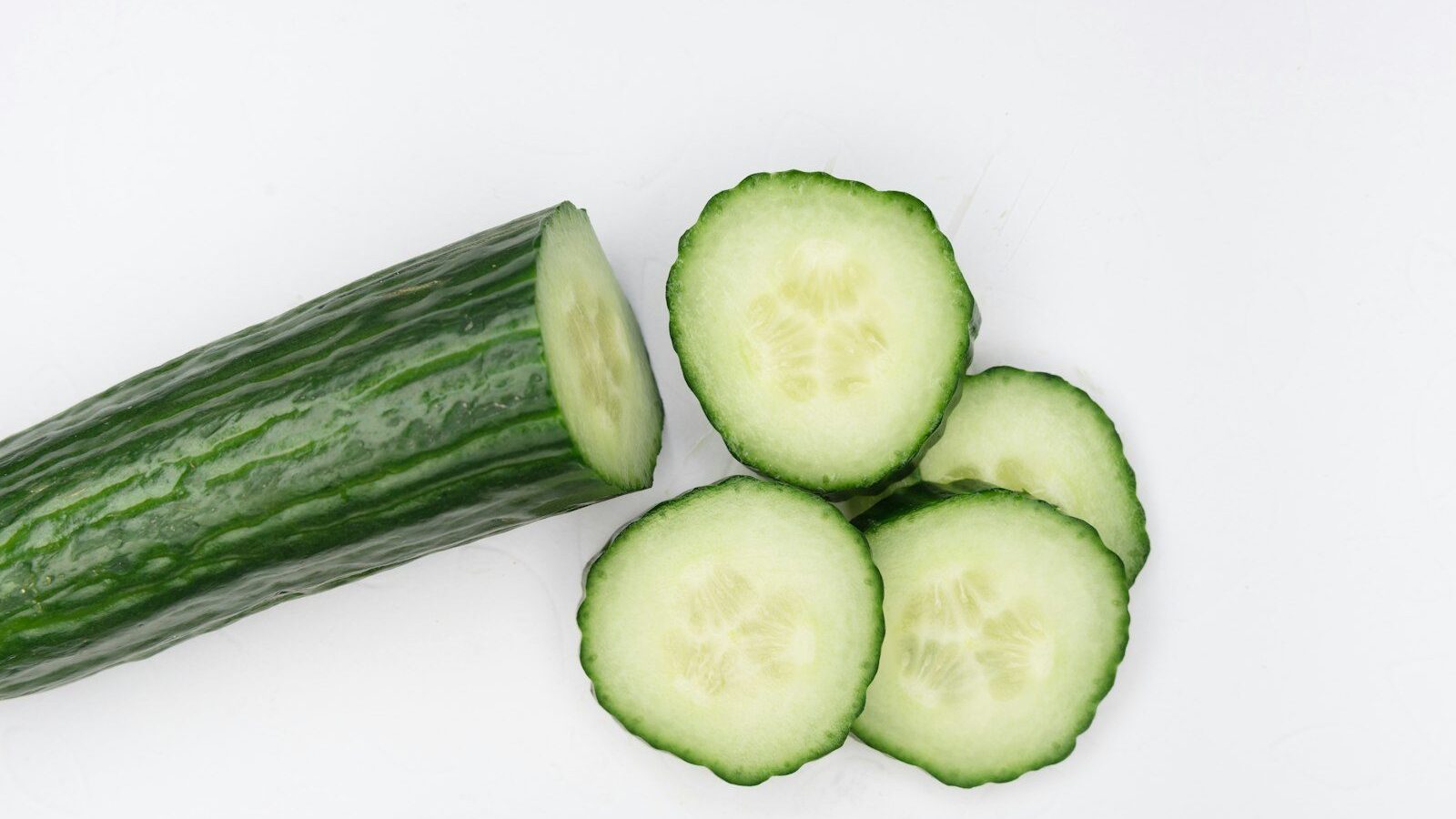
The best cucumber seeds for most home gardens are a proven open-pollinated slicer like Marketmore 76, which produces dark green 8- to 9-inch fruits on vigorous vines and has been a garden standard for decades. If you want pickles, plant a dedicated pickling variety such as National Pickling or Boston Pickling, which set lots of short, blocky fruits that stay crunchy in brine. For patios and small raised beds, a bush type like Spacemaster keeps vines to 2 to 3 feet, and for long, thin-skinned fruit with a strong disease-resistance list, an Asian type like China Long is hard to beat. Below are seven cucumber seed packs from current Amazon listings, compared on fruit type, days to maturity, growth habit and what each listing says about planting.
Part of our Vegetable Gardening & Raised Beds guide →
In this guide
- 1. Purely Organic Marketmore 76 — Best Overall Slicing Cucumber
- 2. Sow Right Seeds National Pickling — Best for Pickles
- 3. KVITER Boston Pickling Cucumber, 150 Seeds — Best for Baby Cucumbers
- 4. Survival Garden Seeds Spacemaster — Best for Containers
- 5. Kitazawa Seed Co. China Long F1 — Best Disease Resistance
- 6. Survival Garden Seeds Muncher — Best Burpless Slicer
- 7. Gardeners Basics Cucumber 8-Variety Pack — Best Variety Sampler
- How to Choose Cucumber Seeds
- Frequently Asked Questions
Disclosure: Urban Lotus Project earns a commission from qualifying Amazon purchases made through links on this page, at no extra cost to you.
How we compared: we compared 7 current Amazon listings on what each listing states about variety, fruit size, days to maturity, growth habit and seed type. We did not test or handle the products, and availability changes.
Key Takeaways
- Choose by use: slicers for salads, picklers for brining, burpless or Asian types for thin skins and mild flavor.
- Bush varieties suit containers and small beds; vining types yield more per plant on a trellis.
- Sow outdoors 1 to 2 weeks after your last frost, when soil is at least 65 to 70°F.
- Most cucumbers mature in about 50 to 65 days from sowing; succession sow every 3 weeks for steady harvests.
- Open-pollinated heirlooms let you save seed; hybrids often bring stronger disease resistance.
| Product | Best for | Key features | Buy |
|---|---|---|---|
| Purely Organic Marketmore 76 | Best overall slicing cucumber |
| Buy now →Check current price |
| Sow Right National Pickling | Best for pickles |
| Buy now →Check current price |
| KVITER Boston Pickling 150 seeds | Best for baby cucumbers |
| Buy now →Check current price |
| Survival Garden Spacemaster | Best for containers |
| Buy now →Check current price |
| Kitazawa China Long F1 | Best disease resistance |
| Buy now →Check current price |
| Survival Garden Muncher | Best burpless slicer |
| Buy now →Check current price |
| Gardeners Basics 8-Variety Pack | Best variety sampler |
| Buy now →Check current price |
Prices change often; check Amazon for today’s price. As an Amazon Associate we earn from qualifying purchases.
1. Purely Organic Marketmore 76 — Best Overall Slicing Cucumber
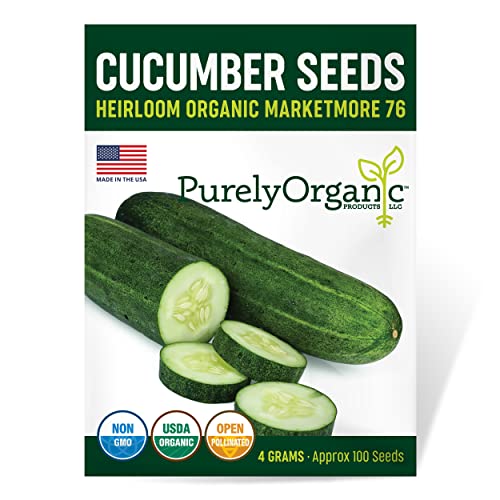
USDA Organic, open-pollinated Marketmore 76 slicer with smooth, dark green 8 to 9 inch fruits; about 100 seeds.
Check price on AmazonWhy We Like It
- Classic, widely adapted slicing variety.
- Certified USDA Organic seed.
- Open pollinated, so you can save seed.
- Generous count of about 100 seeds.
| Specification | Details |
|---|---|
| Variety | Marketmore 76 |
| Type | Slicing, vining |
| Fruit | 8 to 9 inches, dark green, smooth |
| Seed type | USDA Organic, open pollinated, heirloom |
| Seed count | About 100 |
| Days to maturity | not stated in listing |
Purely Organic Marketmore 76 — compressed specs
If you only plant one cucumber, Marketmore 76 is the safe bet. It is the dark green, straight slicer that most American gardeners picture when they think of a garden cucumber, and the listing describes hefty 8- to 9-inch fruits with a sweet, mild flavor. Purely Organic’s packet adds USDA Organic certification, which matters if you garden organically and want certified seed, and it is open pollinated, so you can save seeds from fully ripe fruit for next year.
The listing recommends a trellis, and we agree: vines grown vertically produce straighter, cleaner fruit and take up far less bed space. It does not state days to maturity, so plan on a typical slicer window of roughly two months from sowing. Several other sellers on our shelf also offer Marketmore, but this is the certified-organic option with the clearest packet information.
Pros
- Proven, reliable variety
- Certified organic seed
- Seed-saving friendly
- Good seed count
Cons
- Days to maturity not on listing
- Vining; needs support or space
- Slicer, not ideal for whole pickles
Check Purely Organic Marketmore 76 price on Amazon
2. Sow Right Seeds National Pickling — Best for Pickles
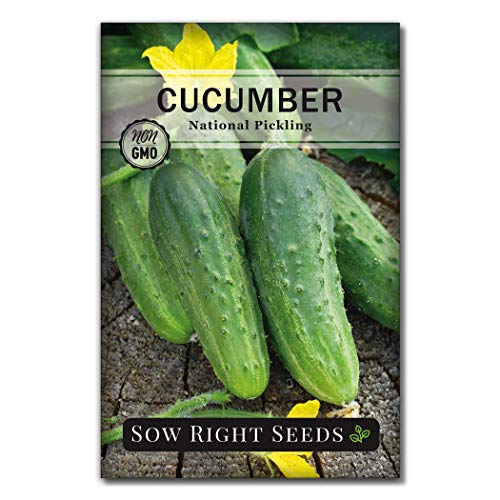
Heirloom pickling cucumber that matures in 55 to 65 days; also good fresh. Packet has about 39 seeds, zones 4 to 12.
Check price on AmazonWhy We Like It
- Classic variety bred for pickling.
- Clear planting depth, spacing and zones.
- Listing calls it heavy producing.
- Pick small for gherkins.
| Specification | Details |
|---|---|
| Variety | National Pickling |
| Type | Pickling, burpless per listing |
| Days to maturity | 55 to 65 |
| Plant size | 12 inches tall, 36 inch spread |
| Planting | 1/2 inch deep, 18 to 48 inches apart, soil above 70°F |
| Seed count | Minimum 1 g, about 39 seeds |
Sow Right National Pickling — compressed specs
National Pickling is a long-standing American pickling cucumber, and Sow Right’s packet gives the clearest growing instructions on our shelf: germination in 7 to 10 days when soil is above 70°F, sowing half an inch deep, spacing 18 to 48 inches apart, and 55 to 65 days to maturity across USDA zones 4 through 12. The listing describes a heavy-producing variety with sweet skins that do not need peeling, and says to pick early for gherkins.
The packet is small, roughly 39 seeds, but that is plenty for a home garden since a few pickling plants produce a lot of fruit. For pickles, harvest every day or two once fruit sets; picklers turn from crisp to seedy fast if you miss a few days. Compared with the Boston Pickling below, National sets slightly larger fruit and the packet is better documented.
Pros
- Excellent pickling variety
- Detailed packet instructions
- Wide zone range
- Also good fresh
Cons
- Small seed count
- Wide spread without trellis
- Needs frequent picking
Check Sow Right National Pickling price on Amazon
3. KVITER Boston Pickling Cucumber, 150 Seeds — Best for Baby Cucumbers

Heirloom Boston Pickling with crunchy 2 to 6 inch fruits in 55 to 60 days; 150 seeds for vigorous trellised vines.
Check price on AmazonWhy We Like It
- Large count of 150 seeds.
- Early: 55 to 60 days.
- Small fruit ideal for whole pickles.
- Germinates in 3 to 10 days in warm soil.
| Specification | Details |
|---|---|
| Variety | Boston Pickling |
| Type | Pickling, vining |
| Fruit | 2 to 6 inches, dark spines |
| Days to maturity | 55 to 60 |
| Vine spread | 36 to 48 inches |
| Seed count | 150 |
KVITER Boston Pickling — compressed specs
Boston Pickling is an heirloom variety that has been grown for well over a century, and it is the one to choose if you like whole baby pickles or crunchy snacking cucumbers about 3 inches long. The listing says it matures in 55 to 60 days and produces 2- to 6-inch fruit on vigorous vines that spread 36 to 48 inches and like trellis support. It also gives a germination window of 3 to 10 days when sown 1 inch deep at 65 to 85°F.
With 150 seeds, this pack gives you enough for several succession sowings across the summer, which is the best way to keep pickling-size fruit coming. Note the dark spines typical of the variety; rub them off with a towel when washing.
Pros
- Lots of seed for succession sowing
- Early maturity
- Great whole-pickle size
- Heirloom, non-GMO
Cons
- Spiny fruit
- Vigorous vines need room
- Newer seller brand
Check KVITER Boston Pickling 150 seeds price on Amazon
4. Survival Garden Seeds Spacemaster — Best for Containers

Dwarf bush cucumber with 2 to 3 foot vines and 7 to 8 inch fruits in about 60 days; for pots and raised beds.
Check price on AmazonWhy We Like It
- Compact bush vines only 2 to 3 feet.
- Full-size 7 to 8 inch slicers.
- Works in pots and raised beds.
- Open pollinated and untreated.
| Specification | Details |
|---|---|
| Variety | Spacemaster |
| Type | Slicing, bush |
| Vine length | 2 to 3 feet |
| Fruit | 7 to 8 inches, dark green |
| Days to maturity | About 60 |
| Seed type | Heirloom, open pollinated, untreated |
Survival Garden Spacemaster — compressed specs
Most cucumbers want to sprawl 4 to 6 feet or more. Spacemaster is a dwarf bush type whose vines stay around 2 to 3 feet, according to the listing, which makes it the best choice on our shelf for a 5-gallon container, a patio planter or a crowded raised bed. You still get full-size 7- to 8-inch fruit for slicing, or pick smaller for pickles.
Bush cucumbers yield less per plant than big vining types, so plant two or three for a steady supply. In containers, use at least a 5-gallon pot with good potting mix, and water daily in hot weather, because cucumbers turn bitter and misshapen when they dry out.
Pros
- Compact habit for pots
- Full-size fruit
- No trellis needed
- Untreated heirloom seed
Cons
- Lower yield per plant
- Seed count not stated
- Containers need daily watering
Check Survival Garden Spacemaster price on Amazon
5. Kitazawa Seed Co. China Long F1 — Best Disease Resistance

Asian F1 hybrid with thin-skinned 14 to 15 inch fruit in 50 to 60 days; resists mildews, CMV and Fusarium wilt.
Check price on AmazonWhy We Like It
- Longest disease-resistance list on our shelf.
- Heat tolerant per listing.
- Long, thin-skinned, crisp fruit.
- From a specialist Asian seed company.
| Specification | Details |
|---|---|
| Variety | China Long, F1 hybrid |
| Type | Asian slicing, vining |
| Fruit | 14 to 15 inches, thin skin |
| Days to maturity | 50 to 60 |
| Resistance | Downy mildew, powdery mildew, CMV, Fusarium wilt |
| Seed count | About 20 (500 mg) |
Kitazawa China Long F1 — compressed specs
Powdery and downy mildew finish off cucumber vines in late summer across much of the US, especially in humid regions. Kitazawa’s China Long lists resistance to downy mildew, powdery mildew, cucumber mosaic virus and Fusarium wilt, plus heat tolerance, which is the strongest disease profile among our seven picks. Fruit grows 14 to 15 inches long with thin skin that does not need peeling, ready in 50 to 60 days.
Long Asian cucumbers curl if left on the ground, so the listing’s advice to train vines on vertical supports is important. As an F1 hybrid, saved seed will not come true, and the packet holds only about 20 seeds, which is fine for a home garden. If late-season mildew has wiped out your cucumbers before, this is the one to try.
Pros
- Broad disease resistance
- Heat tolerant
- Thin skin, no peeling
- Early maturity
Cons
- Small seed count
- Hybrid; no seed saving
- Must be trellised for straight fruit
Check Kitazawa China Long F1 price on Amazon
6. Survival Garden Seeds Muncher — Best Burpless Slicer

Burpless, low-acid heirloom with smooth skin; pick at 4 to 6 inches or 8 to 9 inches. About 60 days, zones 3 to 11.
Check price on AmazonWhy We Like It
- Burpless, low-acid fruit with no bitterness.
- Smooth skin, nice for snacking.
- Two harvest stages: baby or full size.
- Suits containers or garden beds.
| Specification | Details |
|---|---|
| Variety | Muncher |
| Type | Burpless slicer |
| Fruit | 4 to 6 inches young, 8 to 9 inches full size |
| Days to maturity | About 60 |
| Zones | USDA 3 to 11 |
| Seed type | Heirloom, non-GMO |
Survival Garden Muncher — compressed specs
Muncher is an heirloom bred for eating out of hand. The listing describes it as burpless and low acid with smooth skin and no bitterness, and suggests picking at 4 to 6 inches for crisp baby cucumbers or letting fruit reach 8 to 9 inches for regular slicing. It lists about 60 days to maturity and a wide range of USDA zones 3 through 11.
Compared with Marketmore, Muncher’s selling point is the mild, easy-to-digest fruit; compared with China Long, it is a more conventional size and does not need a tall trellis for straight fruit. The listing describes compact but vigorous plants that suit containers or garden beds.
Pros
- Mild, non-bitter flavor
- Flexible harvest size
- Container friendly
- Wide zone range
Cons
- Seed count not stated
- No disease resistance listed
- Less widely known variety
Check Survival Garden Muncher price on Amazon
7. Gardeners Basics Cucumber 8-Variety Pack — Best Variety Sampler

Eight heirloom cucumber packets: Straight Eight, Marketmore 76, Boston Pickling, Spacemaster, Lemon, Armenian and more.
Check price on AmazonWhy We Like It
- Eight varieties in separate 1 g packets.
- Covers slicing, pickling and mini types.
- Includes Lemon and Armenian cucumbers.
- Eight plant markers included.
| Specification | Details |
|---|---|
| Varieties | Straight Eight, Burpless Tendergreen, Beit Alpha, Marketmore 76, Lemon, Boston Pickling, Spacemaster, Armenian |
| Packets | 8, about 1 g each |
| Seed type | Heirloom, non-GMO, open pollinated |
| Extras | 8 plant markers |
| Origin | Grown and packed in the USA |
Gardeners Basics 8-Variety Pack — compressed specs
If you are not sure which cucumber you like best, this sampler lets you trial eight in one season. It includes two classic slicers (Straight Eight and Marketmore 76), a pickler (Boston Pickling), a bush type for containers (Spacemaster), the burpless Tendergreen and Beit Alpha, plus two novelties: round, yellow Lemon cucumbers and the ribbed, mild Armenian, which is technically a melon. Each comes in its own packet with markers to keep them straight.
The trade-off is quantity: with about a gram per packet, you get a modest number of seeds of each, which is fine for a trial but not for a big pickling row. Once you find a favorite, buy a larger pack of that variety.
Pros
- Eight types to compare
- Includes unusual varieties
- Open pollinated heirlooms
- Markers included
Cons
- Small amount of each
- Days to maturity vary by packet
- More than a small garden needs
Check Gardeners Basics 8-Variety Pack price on Amazon
How to Choose Cucumber Seeds
Slicing, pickling or burpless
Slicing cucumbers have thicker skins and longer, smoother fruit, best eaten fresh. Pickling types are shorter and blockier with thinner skins and denser flesh that stays crisp in brine. Burpless and Asian types have thin, tender skins and fewer seeds, with less of the compound that makes some cucumbers bitter. Our comparison of slicing vs pickling cucumbers goes deeper on flavor and use.
Bush vs vining
Vining cucumbers grow 4 to 8 feet and produce the most fruit, especially on a trellis, which also keeps fruit clean and leaves dry. Bush types such as Spacemaster stay compact for containers. If you have the space, grow vining types vertically; see our guide on how to trellis cucumbers.
Disease resistance
Seed catalogs use codes for resistance: PM for powdery mildew, DM for downy mildew, CMV for cucumber mosaic virus, and so on. In humid areas of the East and South, resistance to mildews is worth prioritizing, since these diseases often end the season early.
Heirloom vs hybrid
Open-pollinated heirlooms like Marketmore, National Pickling and Boston Pickling come true from saved seed. F1 hybrids often bring vigor, uniformity and disease resistance but must be bought fresh each year.
When and how to plant
Cucumbers hate cold. Sow seeds outdoors half an inch to an inch deep about one to two weeks after your last frost date, once soil reaches at least 65 to 70°F. In short-season areas, start seeds indoors in biodegradable pots three to four weeks before transplanting, and handle roots gently. Give plants full sun, rich soil and steady moisture; uneven watering causes bitter, misshapen fruit. Sow a few more seeds every three weeks until about 10 weeks before your first fall frost. For full growing instructions, read our guide on how to grow cucumbers, and for more crops and planning, visit our vegetable gardening hub.
Frequently Asked Questions
What is the easiest cucumber to grow from seed?
Marketmore 76 is one of the most reliable, widely adapted slicers for beginners. For containers, a bush type such as Spacemaster is easiest to manage.
How many cucumber plants do I need?
For fresh eating, two to three vining plants per person is usually plenty. For pickling, plan on more plants and sow them together so you have enough fruit at once for a batch.
Can I grow pickling cucumbers for slicing?
Yes. Pickling cucumbers are perfectly good fresh; they are just shorter and crunchier. Slicing cucumbers can be pickled too, but they often turn softer in brine.
How long do cucumber seeds stay viable?
Stored cool and dry, cucumber seeds commonly stay viable for about five years, with germination slowly declining over time. Keep packets in an airtight container away from heat.
Why are my cucumbers bitter?
Bitterness usually comes from stress such as heat, drought or uneven watering. Burpless varieties are less prone to it. Our guide on why cucumbers turn bitter covers fixes.