


Columbine is one of the easiest perennials to grow from seed, as long as you give the seed a cold spell first. Most packets germinate poorly if sown straight into warm soil, but after three to four weeks of cold, moist stratification, or a winter outdoors, they come up readily and bloom from their second spring. The best seed for you depends on your garden: native eastern red columbine (Aquilegia canadensis) for woodland and shade gardens east of the Rockies, Rocky Mountain blue (A. caerulea) for cool, high-elevation and northern gardens, and hybrid McKana Giants or double European types for big, colorful cottage borders. Below are seven columbine seed packs from current Amazon listings and a guide to stratifying and sowing them.
In this guide
- Quick Picks
- 1. Outsidepride Eastern Red Columbine — Best for Native Woodland and Shade Gardens
- 2. Created By Nature Blue Columbine — Best Rocky Mountain Blue With Clear Stratifying Steps
- 3. Sow Right Seeds McKana Giants Mix — Best for Tall, Multicolor Cottage Borders
- 4. Loseedsoo Wild Columbine — Best for Large Native Plantings
- 5. Sow Right Seeds Blue Columbine — Best Compact Blue for Shady Beds
- 6. BuggyBeds Black Barlow Columbine — Best Dramatic Double Blooms
- 7. BuggyBeds Columbine Mix — Best Mixed Colors for Borders
- How to Choose Columbine Seeds
- How to Stratify and Sow Columbine Seeds
- Frequently Asked Questions
Disclosure: Urban Lotus Project is reader-supported. As an Amazon Associate we earn from qualifying purchases made through links on this page, at no extra cost to you.
How we compared: we compared 7 current Amazon listings on what each listing states (species, seed count, mature height, zones, light and sowing instructions). We did not test or grow the seeds, and availability changes.
Key Takeaways
- For native shade and woodland gardens, Outsidepride’s eastern red columbine is the top pick.
- For Rocky Mountain blue columbine with clear stratification instructions, choose Created By Nature.
- For tall, multicolor cottage-garden flowers, Sow Right’s McKana Giants mix is the classic.
- Cold-moist stratify seed for 3 to 4 weeks, or sow outdoors in fall, then surface-sow; columbine needs light to germinate.
- Most columbines bloom in their second spring from seed and self-sow afterward.
Quick Picks
| Product | Best for | Key features | Buy |
|---|---|---|---|
| Outsidepride Eastern Red Columbine | Native woodland and shade gardens |
| Buy now →Check current price |
| Created By Nature Blue Columbine | Rocky Mountain blue with clear stratifying |
| Buy now →Check current price |
| Sow Right McKana Giants | Tall multicolor cottage borders |
| Buy now →Check current price |
| Loseedsoo Wild Columbine | Large native plantings |
| Buy now →Check current price |
| Sow Right Blue Columbine | Compact blue for shady beds |
| Buy now →Check current price |
| BuggyBeds Black Barlow | Dramatic double blooms |
| Buy now →Check current price |
| BuggyBeds Columbine Mix | Mixed colors for borders |
| Buy now →Check current price |
Prices change often; check Amazon for today’s price. As an Amazon Associate we earn from qualifying purchases.
For full growing instructions once your seedlings are up, see our guide on how to grow columbine, and for shade-garden planning, woodland garden ideas. More perennial options live in our flowers and perennials guide.
1. Outsidepride Eastern Red Columbine — Best for Native Woodland and Shade Gardens

1,000 native eastern red columbine seeds with red and yellow blooms for zones 3 to 9
Check price on AmazonWhy We Like It
- Native species for eastern and central US gardens
- Sun or partial shade, zones 3 to 9
- Clear spacing and surface-sowing instructions
- Foliage makes a lacy groundcover after bloom
| Specification | Details |
|---|---|
| Species | Eastern red columbine (Aquilegia canadensis) |
| Seed count | 1,000 seeds |
| Height | 18 to 24 inches |
| Zones | 3 to 9 |
| Light | Full sun to partial shade |
| Sowing | Press into soil, don’t cover; space 16 inches |
Outsidepride eastern red columbine — compressed specs
Eastern red columbine is the native columbine of most of the eastern and central US, a woodland-edge plant that thrives in dappled shade, tolerates dry rocky soil once established, and flowers just as ruby-throated hummingbirds return in spring. Outsidepride has sold this seed for years, and its listing gives the practical details: space plants about 16 inches apart and press seeds into the surface without covering them, because they need light to germinate.
Compared with the Loseedsoo wild columbine below, which is the same species, Outsidepride offers fewer seeds but a longer track record and more specific sowing guidance. For a shade or woodland garden in the East, this is where we’d start.
Pros
- True native species
- Hummingbird favorite
- Wide zone range
- Helpful planting guidance
Cons
- Single color only
- Needs stratification for good germination
Check Outsidepride Eastern Red Columbine price on Amazon
2. Created By Nature Blue Columbine — Best Rocky Mountain Blue With Clear Stratifying Steps
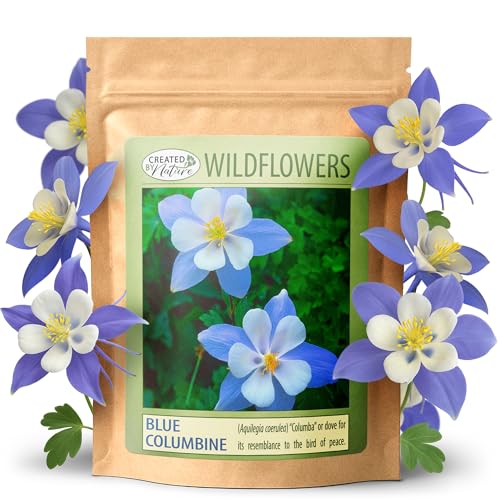
2,400 Aquilegia caerulea seeds with cold-moist stratification instructions, packed in the USA
Check price on AmazonWhy We Like It
- Large count covers up to 45 square feet
- Spells out 3 to 6 week stratification
- Pure seed, no filler or coatings
- Sourced and packed in the USA
| Specification | Details |
|---|---|
| Species | Rocky Mountain blue columbine (Aquilegia caerulea) |
| Seed count | 2,400 seeds |
| Coverage | Up to 45 sq ft |
| Light | Sun or partial shade, prefers cool conditions |
| Pre-treatment | Cold-moist stratify 3 to 6 weeks, or fall sow |
Created By Nature blue columbine — compressed specs
Rocky Mountain blue columbine, Colorado’s state flower, has the large blue-and-white, long-spurred flowers most people picture when they think of columbine. It prefers cool summers and good drainage, so it shines in northern gardens, mountain regions and shaded woodland edges, and tends to be shorter-lived in hot, humid lowlands.
What sets this listing apart is the guidance: it tells you to cold-moist stratify for 3 to 6 weeks for spring sowing or to sow outdoors in late fall, then surface sow. That’s exactly the step most failed columbine sowings skip. It also has the largest seed count of the blue options here.
Pros
- Clear stratification instructions
- Generous seed count
- No fillers
Cons
- Struggles in hot, humid summers
- Zone range not stated in listing
Check Created By Nature Blue Columbine price on Amazon
3. Sow Right Seeds McKana Giants Mix — Best for Tall, Multicolor Cottage Borders

Premium packet of McKana Giants columbine in blue, pink, red, violet, white and yellow, about 30 inches tall
Check price on AmazonWhy We Like It
- Classic large-flowered hybrid mix
- Six color shades in one packet
- Listing notes squirrel and rabbit resistance
- Detailed depth, spacing and germination info
| Specification | Details |
|---|---|
| Type | McKana Giants hybrid mix |
| Packet | Minimum 300 mg |
| Height and spread | About 30 in tall, 12 to 18 in wide |
| Germination | 21 to 28 days at 65 to 70°F soil |
| Sowing | 1/16 inch deep, 16 inches apart, partial shade |
Sow Right McKana Giants — compressed specs
McKana Giants are long-spurred hybrids bred for big flowers in a wide color range on tall stems, and they’ve been a cottage-garden staple for decades. At about 30 inches, they’re the tallest columbines on this list, which makes them good mid-border plants and cut flowers. Sow Right’s listing gives clear sowing depth, spacing and germination timing, and notes that plants mature in about a year, which matches columbine’s usual second-spring bloom.
Hybrid mixes cross freely with other columbines, so self-sown seedlings may not match the parents. If you want true species to self-sow, grow one type per area.
Pros
- Big flowers in many colors
- Tallest on this list
- Good cut flower
Cons
- Seedlings vary in color
- Hybrids can be shorter-lived
Check Sow Right McKana Giants price on Amazon
4. Loseedsoo Wild Columbine — Best for Large Native Plantings

2,000-plus Aquilegia canadensis seeds for woodland edges, slopes and naturalized areas
Check price on AmazonWhy We Like It
- Largest count of native columbine here
- Shade tolerant, zones 3 to 9
- Suits slopes, borders and containers
- Listing notes deer and rabbit resistance
| Specification | Details |
|---|---|
| Species | Wild columbine (Aquilegia canadensis) |
| Seed count | 2,000+ seeds |
| Bloom | Red and yellow nodding flowers, spring to early summer |
| Zones | 3 to 9 |
| Soil | Well-drained loamy or sandy |
Loseedsoo wild columbine — compressed specs
If you’re naturalizing a woodland edge, a shady bank or a meadow border, seed count matters, and this pack offers twice as much eastern red columbine seed as the Outsidepride packet. It’s the same native species, so it delivers the same hummingbird-friendly red and yellow flowers and tolerance of dry, well-drained shade once established.
The listing doesn’t give stratification or sowing-depth instructions, so follow the method in our buyer’s guide below.
Pros
- High seed count for naturalizing
- Native species
- Tolerates slopes and lean soil
Cons
- No sowing guidance in listing
- Newer, lesser-known brand
Check Loseedsoo Wild Columbine price on Amazon
5. Sow Right Seeds Blue Columbine — Best Compact Blue for Shady Beds

Blue Columbine packet with blue and white flowers on 1- to 2-foot plants, with full germination guidance
Check price on AmazonWhy We Like It
- Compact 1 to 2 foot plants
- Clear germination temperature and timing
- Seller offers to make good on failed germination
- Fern-like foliage looks good after bloom
| Specification | Details |
|---|---|
| Species | Aquilegia caerulea |
| Height and spread | 1 to 2 ft tall, 10 to 12 in wide |
| Germination | 21 to 28 days at 65 to 70°F soil |
| Sowing | 1/16 inch deep, 16 inches apart |
| Seed count | Not stated in listing |
Sow Right blue columbine — compressed specs
This is a smaller packet of Rocky Mountain blue than the Created By Nature option, but it’s a good fit if you need only a dozen or so plants for the front of a shady bed. The listing’s compact size range suits edging and smaller gardens, and it recommends a shaded site, which helps blue columbine handle summer heat better.
Its germination figures assume pre-chilled seed; stratify first for the most reliable results.
Pros
- Compact habit
- Germination support from seller
- Clear spacing guidance
Cons
- Seed count not listed
- Prefers cool summers
Check Sow Right Blue Columbine price on Amazon
6. BuggyBeds Black Barlow Columbine — Best Dramatic Double Blooms

950-plus seeds of spurless, fully double dark Black Barlow columbine for borders and cutting gardens
Check price on AmazonWhy We Like It
- Near-black, fully double flowers
- Spurless pom-pom form stands out
- Sun or partial shade
- Good for cutting gardens
| Specification | Details |
|---|---|
| Species | Aquilegia vulgaris ‘Black Barlow’ |
| Seed count | 950+ seeds |
| Flower form | Spurless, fully double |
| Light | Full sun to partial shade |
| Height | Not stated in listing |
BuggyBeds Black Barlow — compressed specs
Black Barlow is a European columbine with dense, double, deep purple-black flowers that look more like small dahlias than typical columbines. It’s a striking contrast plant beside silver foliage, white flowers or chartreuse hostas in a part-shade border. Of the two Black Barlow listings on the shelf, this one offers a far higher seed count.
Because it lacks long spurs, it’s less suited to hummingbirds than the native and long-spurred types; grow it for looks.
Pros
- Unique dark double flowers
- Good seed count
- Great contrast plant
Cons
- Less hummingbird appeal
- Self-sown seedlings may vary
Check BuggyBeds Black Barlow price on Amazon
7. BuggyBeds Columbine Mix — Best Mixed Colors for Borders

1,000 mixed Aquilegia seeds for 18- to 36-inch plants in zones 3 to 9, sun to part shade
Check price on AmazonWhy We Like It
- 1,000 seeds of mixed colors
- Wide height range for layered borders
- Zones 3 to 9 stated
- Works as cut flowers
| Specification | Details |
|---|---|
| Type | Mixed Aquilegia |
| Seed count | 1,000 seeds |
| Height and spread | 18 to 36 in tall, 10 to 18 in wide |
| Zones | 3 to 9 |
| Light | Full sun to partial shade |
BuggyBeds columbine mix — compressed specs
A generic mixed columbine is a low-risk way to fill a new border or shade bed with color. The listing gives a broad 18- to 36-inch height range and wide zone range, which suggests a mix of types. It’s a simpler alternative to the named McKana Giants mix if you just want plenty of plants in assorted colors.
The listing doesn’t name the varieties in the mix, so expect some variation in flower size and height.
Pros
- Good seed count
- Broad climate range
- Assorted colors
Cons
- Varieties not specified
- No sowing instructions listed
Check BuggyBeds Columbine Mix price on Amazon
How to Choose Columbine Seeds
- Native or not: Aquilegia canadensis is native across much of the eastern and central US; A. caerulea and its relatives are native to the Rockies. Natives support local pollinators and are usually the longest-lived in their home regions.
- Climate: blue Rocky Mountain columbine likes cool summers; eastern red handles heat and humidity better. Most columbines grow well in zones 3 to 8 or 9.
- Light: columbines tolerate sun in the North but do best in morning sun and afternoon shade or dappled shade in warmer regions. See sun vs shade perennials for planning.
- Height: 1 to 2 feet for edging and small beds; 2.5 feet or more for mid-border.
- Self-sowing: columbines self-sow and hybridize freely. Plant a single type if you want seedlings true to the parent.
How to Stratify and Sow Columbine Seeds
Option 1: Fridge stratification for spring sowing
- Mix seed with a few spoonfuls of barely damp sand, vermiculite or seed-starting mix in a labeled zip-top bag, or fold it in a damp paper towel.
- Refrigerate at roughly 35°F to 40°F for 3 to 4 weeks. Check occasionally that it stays moist but not wet.
- Sow indoors 8 to 10 weeks before your last frost, or outdoors once soil warms in spring. Press seed onto the surface of moist mix and barely cover, if at all; light helps germination.
- Keep at about 65°F to 70°F and evenly moist. Expect germination in roughly 3 to 4 weeks.
Option 2: Fall or winter sowing outdoors
Scatter seed on prepared, weed-free soil in late fall or early winter and press it in. Winter cold does the stratifying, and seedlings appear in spring. Winter sowing in covered containers or milk jugs works well too.
After germination
Transplant seedlings once they have a few true leaves, spacing about 12 to 18 inches apart. Expect foliage the first year and flowers the second spring. Leave some seed heads to self-sow, and watch for leaf miners, which leave harmless but unsightly squiggly trails; cut affected foliage back after flowering for fresh leaves.
Frequently Asked Questions
Do columbine seeds need cold stratification?
For good, even germination, yes. Three to four weeks of cold, moist conditions in the fridge, or a winter outdoors, breaks dormancy. Unstratified seed often germinates poorly or sporadically.
Will columbine bloom the first year from seed?
Usually not. Most columbines grow foliage the first year and bloom the following spring. Starting early indoors occasionally produces a few first-year flowers.
Should I cover columbine seeds?
Barely, if at all. Columbine seed benefits from light, so press it onto the surface or cover with only a fine dusting of soil or vermiculite.
Which columbine is best for shade?
Native eastern red columbine handles dappled shade and woodland conditions very well. McKana Giants and blue columbine also do well in partial shade, especially in warmer climates.
Is columbine deer resistant?
Columbine is generally considered deer and rabbit resistant, and several listings note this, but hungry animals may still nibble young plants.