

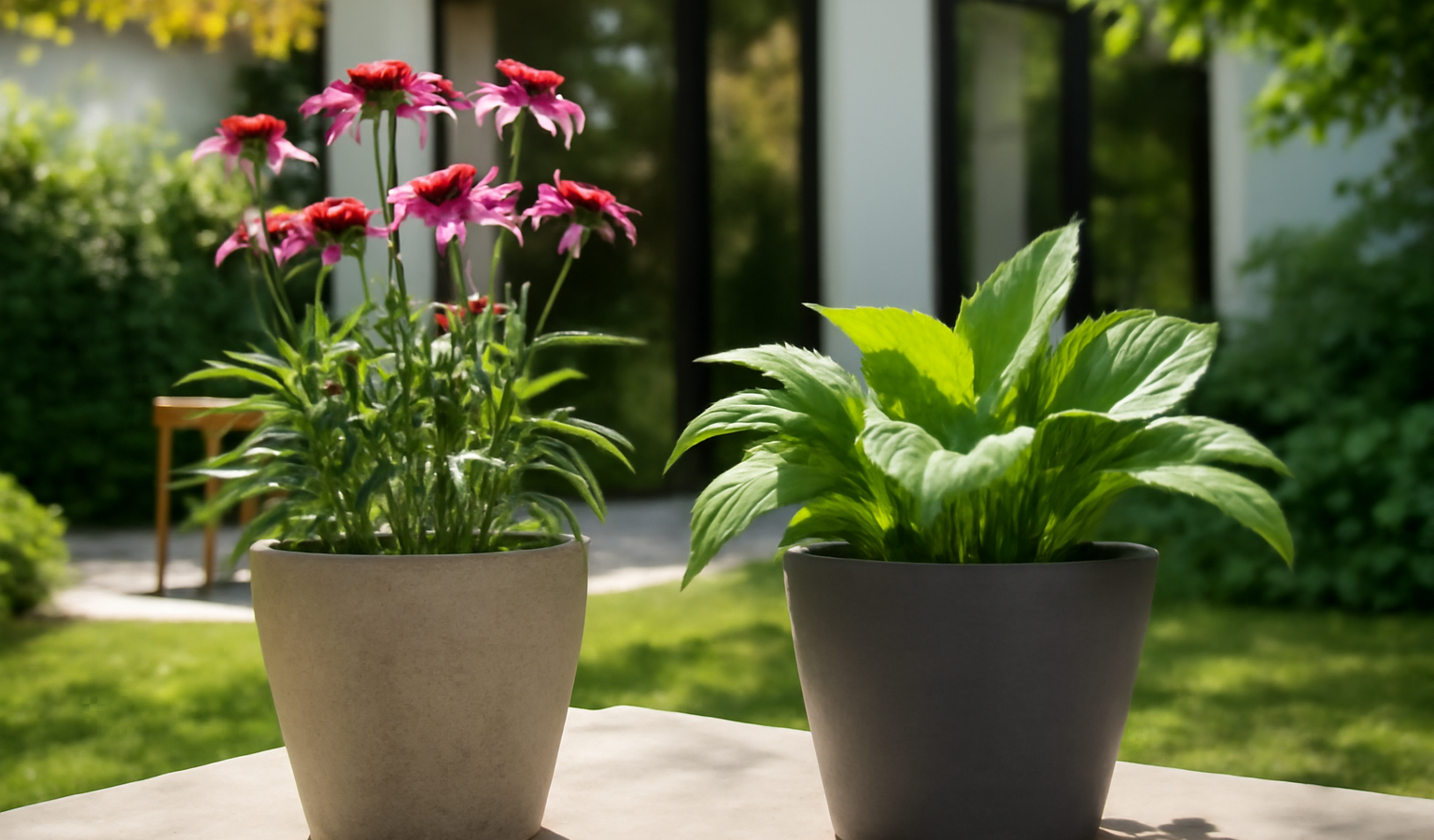
The short answer: match the plant to the light your spot actually receives, not the light you wish it had. “Full sun” perennials like coneflower and salvia want 6 or more hours of direct sun a day; “shade” perennials like hosta and astilbe want fewer than 3 hours of direct sun, usually with dappled or bright indirect light the rest of the day. Most failures in a perennial border come down to one mistake — putting a sun-lover in shade (where it gets leggy and won’t bloom) or a shade-lover in sun (where it scorches). The trick is learning to read your yard’s light through the day and across the seasons before you buy. Here’s how to do that and which plants to choose for each situation.
Key Takeaways
- Full sun = 6+ hours of direct sun; part sun/part shade = 3–6 hours; full shade = fewer than 3 hours direct, or all-day dappled light.
- Assess light by watching a spot through the day (morning, midday, late afternoon) and remember it shifts with the seasons as the sun’s angle and tree leaves change.
- Sun perennials: coneflower, black-eyed Susan, salvia, coreopsis, daylily, sedum, yarrow, lavender, Russian sage.
- Shade perennials: hosta, heuchera, astilbe, ferns, hellebore, brunnera, bleeding heart, lungwort.
- Wrong placement shows up fast: leggy, flopping, non-blooming growth means too little light; scorched, bleached, crispy leaf edges mean too much.
- Morning sun is gentler than afternoon sun, and dry shade and moist shade call for different plants — read both light and moisture.
| Feature | Sun Perennials | Shade Perennials |
|---|---|---|
| Light needed | 6+ hours direct sun | Under 3 hours direct, or dappled all day |
| Grown mainly for | Flowers, pollinators, color | Foliage texture, form, cool color |
| Typical examples | Coneflower, salvia, daylily, sedum, lavender | Hosta, fern, astilbe, heuchera, hellebore |
| Water needs | Often drought-tolerant once established | Many prefer consistent moisture |
| Bloom show | Heavy, season-long in many species | Often subtler; foliage is the feature |
| Wrong-spot symptom | Legginess, no flowers in too little light | Scorched, bleached leaves in too much sun |
| Best season interest | Summer into fall | Spring foliage plus all-season texture |
Sun Perennials: Built for Direct Light
Full-sun perennials are the flower-power plants — they evolved in open meadows and prairies and need 6 or more hours of direct sun to fuel the heavy blooming they’re known for. Give them that light and they reward you with a long, generous flowering season and a steady stream of pollinators. Starve them of it and they stretch toward the light, flop over, and either bloom poorly or not at all. Many of them are also notably drought-tolerant once established, which makes them low-maintenance choices for hot, exposed beds.
Reliable sun-loving perennials
A dependable core for a sunny border includes coneflower (Echinacea) and black-eyed Susan (Rudbeckia) for long summer-to-fall bloom and seed heads the birds love; salvia and coreopsis for non-stop color; and daylily for tough, adaptable clumps that tolerate a wide range of soils. For hot, dry, lean spots, the Mediterranean and prairie crowd is your friend: sedum, yarrow, lavender, and Russian sage all thrive in full sun and sharp drainage, and most will sulk or rot in rich, damp shade. Many of these are also hardy across a wide span of USDA zones — coneflower and yarrow, for example, are reliably perennial roughly from zone 3 or 4 through zone 8 or 9, so they suit most US gardens.
What “full sun” really requires
The 6-hour threshold is direct, unobstructed sun — not bright shade, and not sun filtered through a tree canopy. Those hours don’t have to be continuous; a spot that gets 3 hours of morning sun and 3 hours of late-afternoon sun still counts. But be honest about it, because afternoon sun is more intense than morning sun. In hot southern zones, a few sun-lovers that are rated for full sun farther north will actually appreciate a little afternoon shade to avoid stress. When you’re picking companions, it helps to also know whether each plant is truly perennial in your climate — our guide to hardy vs tender perennials walks through how to tell which ones will overwinter and which behave like annuals where you live.
Shade Perennials: Texture in the Cool
Shade perennials flip the priorities: instead of competing on flowers, they win on foliage — leaf shape, color, and texture that build a lush, layered look in the cool, low-light areas where most flowering plants give up. These are the plants for the north side of the house, the bed beneath a maple, or the strip behind a fence that never sees midday sun. Full shade means fewer than 3 hours of direct sun, or bright dappled light filtering through a canopy all day. Importantly, “shade” rarely means total darkness; almost nothing thrives in genuinely dark, sunless corners.
Go-to shade perennials
Hosta is the backbone of most shade gardens — endlessly varied in leaf size and color and very forgiving. Heuchera (coral bells) brings foliage in burgundy, lime, caramel, and silver; astilbe adds feathery flower plumes and ferns add fine, woodland texture. For early-season interest, hellebore blooms in late winter and early spring while everything else sleeps. Brunnera offers heart-shaped, often silver-veined leaves with sprays of tiny blue flowers, bleeding heart provides arching stems of pendant blooms in spring, and lungwort (Pulmonaria) gives spotted foliage and early flowers. Together these create a tapestry that stays interesting from spring through frost even with very little direct sun.
Dry shade vs moist shade
Not all shade is the same, and moisture is the deciding variable. Moist shade — think a low spot or a bed that’s watered and shaded — suits astilbe, ferns, brunnera, and bleeding heart, all of which want consistent moisture and will brown out if they dry. Dry shade, the notoriously difficult ground under mature trees where roots hog the water, is harder; here you lean on tougher customers like hellebore, epimedium, lungwort, and many hostas once they’re established. Reading moisture alongside light is what separates a thriving shade bed from a struggling one.
How to Choose: Read Your Yard First
Before you buy a single plant, spend a day reading the light. Pick the bed you want to plant and check it in the morning, at midday, and in late afternoon, noting how many hours of direct sun it actually gets and when. Six-plus hours points you to sun perennials; under three points you to shade plants; the in-between 3–6 hour zone is part sun/part shade, where flexible plants live. Remember that morning sun is gentle and afternoon sun is harsh — a bed with morning sun and afternoon shade is much kinder to borderline plants than the reverse.
Also account for the seasons, because light is not fixed. In spring, before deciduous trees leaf out, a bed under an oak might be in full sun; by July that same bed could be in deep shade. The sun also rides lower in the sky in spring and fall, casting longer shadows from buildings and fences than it does at the summer solstice. This is exactly why spring-blooming shade plants like hellebore and bleeding heart work so well under trees: they do their growing and flowering during the bright window before the canopy closes. If you’re observing a brand-new bed, try to watch it across a few months rather than judging from a single day.
For the awkward 3–6 hour middle ground, several adaptable perennials bridge the gap: heuchera, astilbe, and some hostas tolerate a fair amount of morning sun, while coreopsis, salvia, and daylily can stretch into part shade and still bloom respectably (just less heavily). When in doubt in this transitional zone, choose based on the harshest part of the day — if the bed bakes in hot afternoon sun, treat it as sunnier than the hour count suggests. For more on building a layered, year-round border, browse our broader plants and flowers guides, and tie your planting plan into the rest of your outdoor living space.
How to spot a mistake early
Plants tell you when they’re in the wrong place. A sun-lover in too much shade grows tall, leggy, and weak, leans hard toward the brightest opening, and produces few or no flowers. A shade-lover in too much sun shows scorched, crispy brown leaf edges, bleached or faded color, and wilting that doesn’t recover overnight even with water — hosta and heuchera in particular bleach and burn in harsh afternoon sun. Catch these signs in the first season and move the plant in fall or early spring; perennials transplant well and forgive a relocation far better than a year of struggle.
Frequently Asked Questions
What exactly is the difference between part sun and part shade?
Both describe the 3–6 hour range of direct sun, but the labels hint at emphasis. “Part sun” usually means a plant leans toward the higher end and needs enough direct light to bloom well, while “part shade” suggests it prefers the lower end and benefits from protection during the hottest part of the day. In practice, treat any 3–6 hour spot as flexible and pay close attention to whether the sun it gets is gentle morning sun or harsh afternoon sun.
Is morning sun or afternoon sun better for a borderline plant?
Morning sun is gentler and generally safer. It’s cooler and less intense, so a plant rated for part shade will tolerate a few hours of morning sun far better than the same number of hours in the hot, drying afternoon. If you have a spot with morning sun and afternoon shade, you can grow a wider range of plants there than in a bed that bakes all afternoon.
Can I grow flowering perennials in full shade?
Yes, but adjust expectations — shade perennials bloom more modestly and you’ll get the most flowers from spring bloomers that do their work before tree canopies close. Hellebore, bleeding heart, brunnera, lungwort, and astilbe all flower in shade. For the rest of the season, lean on foliage stars like hosta, heuchera, and ferns to carry color and texture.
Why is my hosta turning brown at the edges?
Brown, crispy leaf edges on hosta usually mean too much sun, too little water, or both. Hostas are shade plants and scorch in direct afternoon sun, especially if the soil dries out. Move it to a shadier spot in fall or early spring, keep the soil consistently moist, and the new growth should come in clean.
How do I know how much sun my yard really gets?
Watch the spot through a full day at the season you’ll be planting, checking in the morning, at midday, and in late afternoon, and tally the hours of unobstructed direct sun. Repeat the check across a few weeks if you can, since the sun’s angle and any deciduous trees change the picture as the season progresses. Simple sun-tracking light meters exist, but careful observation over a day or two is usually enough to classify a bed as full sun, part sun/shade, or full shade.