

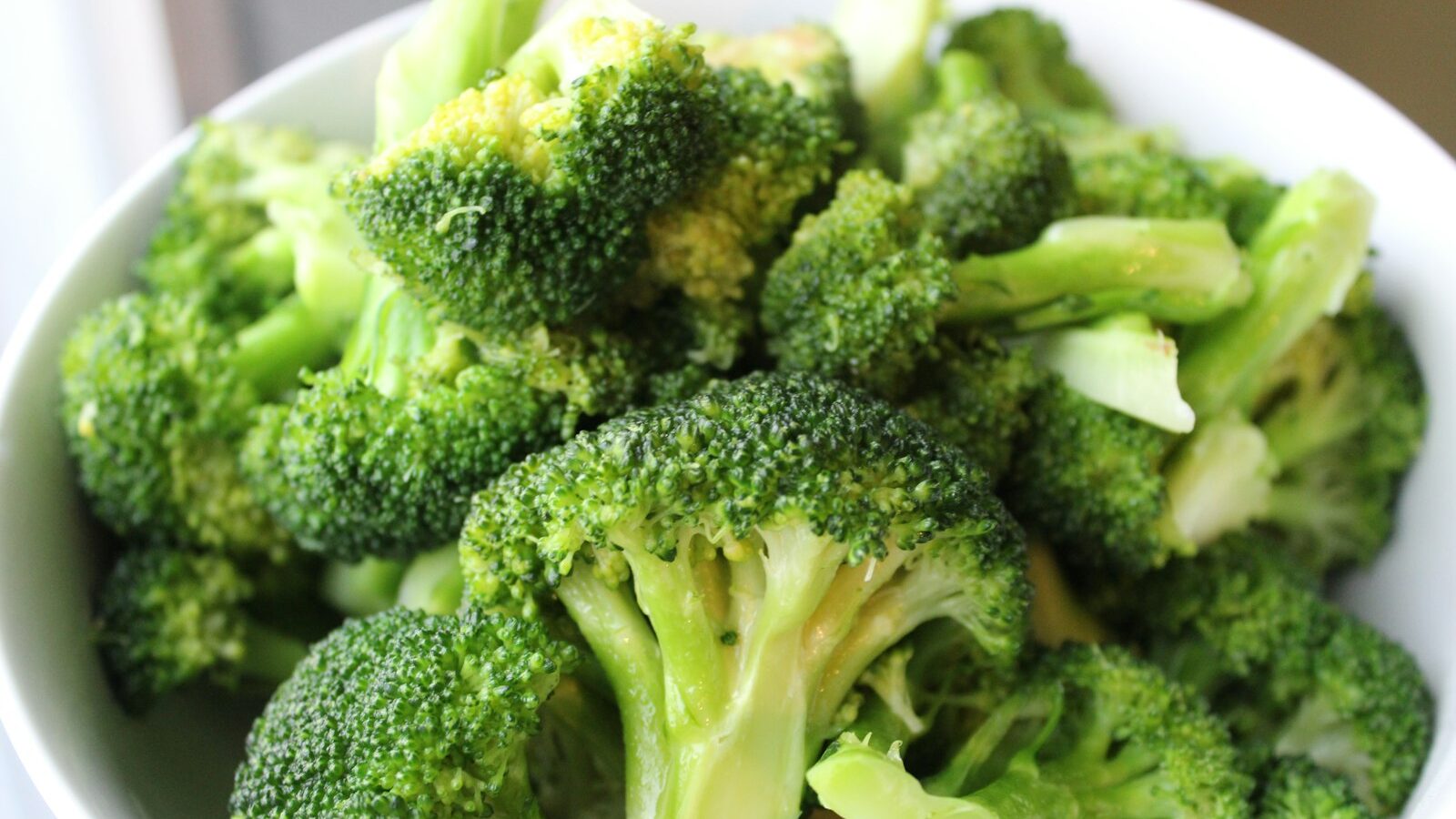
Broccoli leaves turning purple is one of the more puzzling sights in the vegetable garden, partly because the color looks dramatic but often signals something minor. In most cases, purpling is a stress response: the plant produces pigments called anthocyanins under stress — most commonly cold weather or a temporary shortage of phosphorus that the plant cannot take up. Far less often it points to a variety that is simply purple by nature. The good news is that purple broccoli leaves rarely mean the plant is doomed, and the crop is usually still fine to eat. This guide walks through each cause, how to tell them apart, and the practical fix for each, so you can decide whether to act or simply wait it out.
Key Takeaways
- Cold stress is the most common cause — broccoli turns purple in chilly weather and usually greens up when it warms.
- Phosphorus issues are second — often the soil has enough phosphorus, but cold or wet soil keeps roots from absorbing it.
- Purpling on leaf undersides and stems first is classic; the plant is usually healthy and the crop is fine to eat.
- Cold-induced purpling needs no treatment; phosphorus issues respond to warmer soil, correct pH, and a phosphorus-containing feed.
- Some broccoli varieties are naturally purple — check whether you planted one before troubleshooting.
What Purpling Actually Means
When broccoli is stressed, it builds up anthocyanins — the same purple-red pigments that color red cabbage and autumn leaves. These pigments act as a kind of sunscreen and stress shield. So purple leaves are almost always a symptom of stress rather than a disease, and the two big stressors for broccoli are cold and a phosphorus shortfall, which frequently occur together because cold soil also blocks phosphorus uptake. Before treating anything, check two things: the recent weather, especially overnight lows, and the soil — is it cold, wet, or possibly acidic or alkaline? Those answers point you to the right cause below.
Cause 1: Cold Stress (The Usual Culprit)
Broccoli is a cool-season crop, but cold snaps — especially on young plants in early spring or in a cool fall — trigger anthocyanin production and turn leaves, stems, and even the developing head purple. This is the single most common reason for purple broccoli, and it is essentially the plant protecting itself from the cold.
How to diagnose
The purpling appears after cold weather, particularly nights in the 30s and 40s Fahrenheit, and is most visible on leaf undersides, stems, and the outer leaves. The plant is otherwise healthy and growing, just tinged purple. If you see the color follow a cold snap and ease as the weather warms, cold is your answer.
How to fix it
Usually nothing — cold-induced purpling is harmless and the plant greens up as temperatures rise. If you want to reduce it or protect young transplants from hard cold, cover plants with row cover or frost cloth on cold nights and mulch the soil to buffer root-zone temperature. Avoid setting transplants out too early; wait until the worst of the cold has passed, or harden them off thoroughly first. The head and leaves remain perfectly edible regardless of the purple tint.
Cause 2: Phosphorus Deficiency or Lockout
Phosphorus is the nutrient most associated with purpling in many vegetables, and broccoli is no exception. But here is the key insight: a true phosphorus deficiency, where the soil genuinely lacks phosphorus, is less common than a phosphorus lockout, where there is plenty of phosphorus in the soil but the plant cannot absorb it. Cold soil, soggy soil, and the wrong pH all interfere with phosphorus uptake, which is why cold stress and “phosphorus deficiency” so often appear together.
How to diagnose
Purpling shows on the undersides of older, lower leaves first and along the stems, and growth is slow or stunted. If the weather is mild but the leaves are still purpling and growth is poor, suspect a phosphorus problem rather than simple cold. Cold or waterlogged soil, or a soil pH below about 6.0 or above 7.5, all point to lockout rather than a true shortage. A soil test is the only way to know for sure whether phosphorus is actually low.
How to fix it
First address uptake, because that is usually the real issue. Wait for soil to warm and improve drainage so roots can work; warm, well-aerated soil often resolves the purpling on its own. Test and correct soil pH into the 6.0 to 6.8 range broccoli prefers, since phosphorus is most available there. If a soil test confirms low phosphorus, work in a phosphorus source such as bone meal or rock phosphate, or feed with a fertilizer that includes phosphorus (a balanced or bloom-type formula). Avoid dumping on phosphorus reflexively — excess phosphorus pollutes waterways and can lock up other nutrients, and it will not help at all if the real problem is cold soil.
Cause 3: Soil pH Out of Range
Soil that is too acidic or too alkaline does not directly turn broccoli purple, but it sits behind many phosphorus-uptake problems. Broccoli grows best at a slightly acidic to neutral pH of about 6.0 to 7.0. Outside that band, phosphorus and other nutrients become chemically locked up and unavailable, producing the same purple, stunted look as a true deficiency.
How to diagnose
Persistent purpling and poor growth in mild weather, especially in soil you have not tested, hint at a pH issue. A simple soil test kit or a lab test confirms it. Very acidic soils (below 6.0) are common in high-rainfall regions, while alkaline soils (above 7.5) show up in dry or limestone areas.
How to fix it
Adjust pH toward the 6.0 to 7.0 target. Add garden lime to raise the pH of acidic soil, or elemental sulfur to lower the pH of alkaline soil, following the rates on a soil-test recommendation since these changes take weeks to months. Building soil with compost moderates pH extremes over time and improves nutrient availability across the board, which is the most durable fix.
Cause 4: You Planted a Purple Variety
It is worth a quick reality check before troubleshooting: some broccoli is purple on purpose. Varieties like purple sprouting broccoli and certain ornamental or heirloom types naturally have purple-tinged leaves and purple heads. If that is what you planted, the color is a feature, not a problem.
How to diagnose
Check your seed packet or plant label. If the variety name includes “purple” or “purple sprouting,” or you bought it specifically for colored heads, the purpling is genetic. These plants are vigorous and healthy despite the color and the purple often deepens in cold weather, which is also when they crop.
How to fix it
Nothing to fix — grow and enjoy it. Note that purple varieties typically turn green when cooked, so if you want to keep the color on the plate, eat them raw or cook very briefly. Treat the plant like any other broccoli for water, feeding, and pest control.
Less Common Causes to Rule Out
If cold, phosphorus, pH, and variety are all ruled out, consider a few outliers. Transplant shock can briefly purple young plants for a few days after planting out — it resolves on its own. Drought or root stress that limits nutrient uptake can also produce purpling, so check soil moisture and root health. Magnesium deficiency sometimes causes reddish-purple tints between the veins of older leaves. And severely root-bound transplants left too long in cell packs may purple from sheer stress. In every case, the purple is a stress flag, so look for what is stressing the plant rather than treating the color directly.
Is Purple Broccoli Safe to Eat?
Yes. Purple broccoli leaves and heads are entirely safe and nutritious to eat — the anthocyanin pigments are the same beneficial antioxidants found in blueberries and red cabbage. Cold-stressed broccoli can even taste slightly sweeter. The purple color generally fades to green when the vegetable is cooked. So even if you never pin down the exact cause, you do not need to throw anything away; the purpling is cosmetic and the harvest is good.
Preventing Purple Broccoli Leaves
Since purpling is a stress signal, the prevention strategy is to keep broccoli unstressed — warm enough roots, the right pH, steady feeding, and good drainage.
- Transplant after hard cold has passed, and protect young plants with row cover on cold nights.
- Test soil and keep pH between 6.0 and 7.0 so phosphorus stays available.
- Build soil with compost and feed with a balanced fertilizer; add phosphorus only if a soil test confirms it is low.
- Plant in well-draining soil and avoid soggy, cold conditions that block nutrient uptake.
- Mulch to buffer soil temperature and moisture.
- Check your variety — purple sprouting types are supposed to be purple.
For more on feeding cool-season crops, see our comparison of kelp versus fish emulsion and our overview of compost tea versus fertilizer. More vegetable guides live on our Plants & Flowers hub.
Frequently Asked Questions
Is purple broccoli safe to eat?
Yes, completely. The purple comes from anthocyanin antioxidants, the same pigments in red cabbage and blueberries. The color usually fades to green when cooked, and the broccoli is perfectly good to eat.
Will purple broccoli leaves turn green again?
Often, yes. If the purpling came from cold stress, the leaves typically green up as the weather warms. If it came from a phosphorus or pH problem, correcting that and warming the soil usually restores green growth.
Should I add phosphorus fertilizer to purple broccoli?
Only after ruling out cold and confirming low phosphorus with a soil test. Most purpling is from cold soil blocking phosphorus uptake, not an actual shortage, so warming the soil and correcting pH usually works better than adding more phosphorus.
Why is my broccoli purple but growing fine?
That is the classic sign of harmless cold stress. The plant produces purple pigment to cope with chilly weather but keeps growing normally. No treatment is needed, and the crop will be fine.
Does cold weather cause purple broccoli?
Yes, it is the most common cause. Cold nights, especially in the 30s and 40s Fahrenheit, trigger anthocyanin pigments that turn leaves, stems, and heads purple. Row cover and mulch reduce it, and the color fades as it warms.