

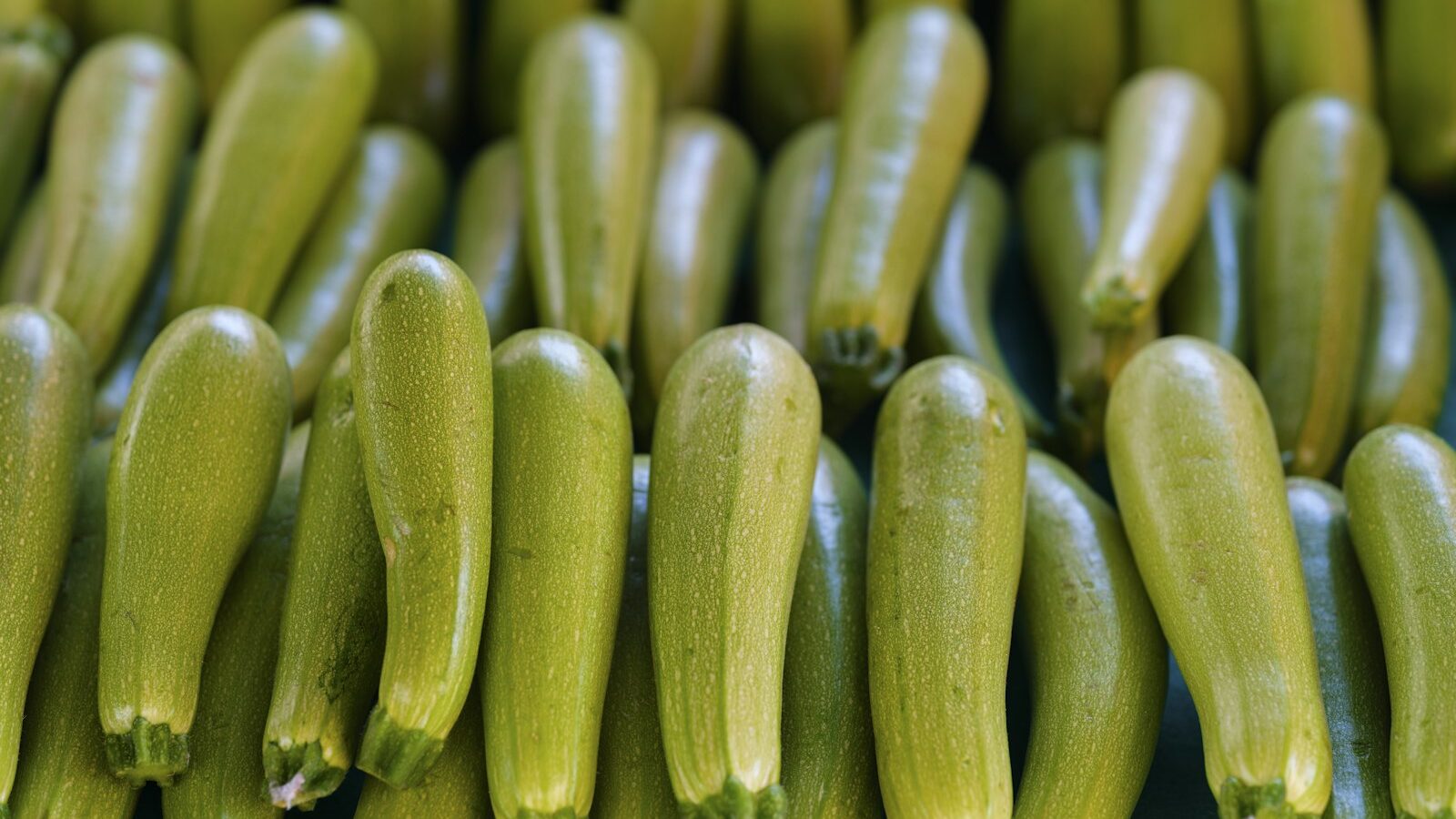
You planted zucchini expecting a glut — the vegetable famous for burying gardeners in produce — and instead you are staring at stubby little fruits that start to swell, then yellow, soften, and rot at the blossom end before they ever reach the size of a marker pen. It is one of the most common and most misunderstood problems in the summer garden. The plant itself usually looks fine: big healthy leaves, plenty of flowers, vigorous growth. So why no full-size zucchini? In the overwhelming majority of cases the answer is pollination. Zucchini carry separate male and female flowers, and the female flower has to receive enough pollen to develop its little fruit into a full one. When that transfer fails or only partly happens, the immature fruit stalls and shrivels. Heat, a shortage of bees, an early season of male-only flowers, and uneven water all stack on top of that core issue. This guide walks through each cause, how to tell which one is affecting your plants, and exactly what to do about it.
Key Takeaways
- Incomplete pollination is the number-one cause of small zucchini that yellow and rot at the blossom end. Hand-pollinate to fix it fast.
- Zucchini have separate male and female flowers; only the female (with a tiny fruit behind it) becomes a zucchini, and only if it gets enough pollen.
- Plants often produce only male flowers for the first week or two, so early fruitlessness is normal — wait for the females.
- Heat above about 90F reduces pollen viability and stalls fruit set until temperatures drop.
- Zucchini need 1 to 2 inches of deep, even water per week; erratic moisture and weak feeding limit fruit size.
Cause 1: Incomplete Pollination
This is the reason behind small zucchini far more often than anything else, and the symptom is unmistakable once you know it. A female flower opens with a small fruit already formed at its base — a miniature zucchini perhaps an inch or two long. If that flower is fully pollinated, the fruit swells rapidly and you have a full zucchini within days. If pollination is incomplete or fails entirely, the little fruit begins to grow, then stops, turns yellow or pale, softens, and rots from the blossom end backward. Many gardeners assume disease or a watering problem, but a fruit that starts and then aborts at the tip is the classic signature of a pollination failure. Each female flower needs a good load of pollen carried over from the male flowers, and one quick bee visit on a busy morning is not always enough.
How to diagnose it
First learn to tell the two flowers apart, because everything follows from that. Male flowers sit on a thin straight stem with nothing behind the petals. Female flowers have a small swollen fruit — that baby zucchini — sitting between the petals and the main stem. Now watch what happens to those baby fruits. If they swell and grow into proper zucchini, pollination is working. If they reach an inch or two and then yellow, shrivel, and turn mushy at the far end, pollination is failing. Check the timing too: zucchini flowers open for a single morning and close by afternoon, so if the pollen never moved during that brief window, the fruit is doomed. Seeing lots of flowers but no full fruit, combined with that tip rot on the little ones, points squarely at pollination.
How to fix it
Hand-pollinate. It takes under a minute per flower and it is close to foolproof. Do it in the morning while the flowers are open, ideally within a couple of hours of them opening, because that is when the pollen is fresh and the female is receptive. Find a freshly opened male flower — the one on the thin stem with no fruit behind it — and either pick it and peel back or tear off the petals to expose the pollen-loaded center, or leave it on the plant and use a small soft brush or a cotton swab. Then transfer that yellow pollen directly onto the stigma in the center of a female flower, the one with the tiny zucchini at its base. If you removed the male flower, simply dab and twirl its center against the female center so the pollen sticks. One male flower carries enough pollen for two or three females. Brush thoroughly — a light touch is the usual reason hand-pollination still fails. Within a day or two you will see the pollinated fruit start to swell uniformly instead of stalling at the tip. Once you have done this a few mornings, you will out-produce any bee. For more on hand-pollinating squash and other vegetables, our notes on plant and flower care are a useful companion.
Cause 2: Too Few Pollinators or Only Male Flowers Early On
Even when individual flowers are perfectly capable of being pollinated, the bees that normally do the work may simply not be showing up, or the plant may not yet be producing the female flowers that turn into fruit. Both situations leave you with a healthy plant and no zucchini, and both are common at different points in the season. Zucchini and other squash rely heavily on bees — particularly bumblebees and the specialist squash bees — to move pollen from male to female flowers. In gardens with few flowering plants, in areas hit by pesticide use, or during cool, wet, or windy spells when bees stay home, pollination drops off sharply. Separately, almost every zucchini plant opens only male flowers for the first week or two of blooming. This is normal and by design: the plant puts out males first to attract and train pollinators before it commits energy to fruit. Gardeners often panic during this early all-male phase, thinking the plant is barren.
How to diagnose it
Walk out to the plant in the morning and count flower types. If every open flower is on a thin stem with no fruit behind it, you are in the normal early male-only phase — note how long the plant has been flowering; the first week or two of males is expected. If you see female flowers (the ones with baby fruit) opening but the fruit still aborts, the issue is more likely a lack of pollinators. Spend a few minutes watching the open flowers: are bees actually visiting? If you rarely see a bee on the blooms during a sunny mid-morning, pollinator shortage is your answer. Cool, rainy, or very windy weather during the bloom window is another tell, since bees forage poorly in those conditions.
How to fix it
If the plant is simply too young and producing only males, the fix is patience — female flowers follow within a week or two, and you can hand-pollinate the moment they arrive. To bring in more bees long term, plant flowers nearby that bloom alongside your squash: borage, calendula, zinnias, sunflowers, and herbs left to flower such as basil and oregano all pull pollinators into the bed. Avoid spraying any insecticide during the day when bees are active, and never spray open blooms. Reduce or eliminate broad-spectrum pesticides entirely if you can. In the short term, do not wait on the bees at all — hand-pollinate as described above and you sidestep the whole problem. If you garden in a small or enclosed space where bees are scarce, our guide to urban and container gardening covers attracting pollinators to balconies and patios.
Cause 3: Heat Stress Reducing Pollen Viability
Zucchini love warmth, but there is a ceiling. When daytime temperatures climb above roughly 90F, the pollen produced by the male flowers loses viability — it becomes weak or sterile — so even a flower that gets visited by bees or your brush may not set a full fruit. High heat also causes the plant to drop female flowers and their tiny fruits outright as a survival measure, conserving energy rather than spending it on reproduction. This is why a zucchini plant that produced beautifully in June can suddenly stall through a brutal July heat wave, throwing flowers but no usable fruit. The pattern often confuses gardeners because the plant looks more vigorous than ever in the heat while delivering nothing.
How to diagnose it
Check your recent weather against the plant’s behavior. If you have had a run of days over 90F and your fruit set fell off a cliff during exactly that stretch — especially if the plant was setting fruit fine beforehand — heat is the likely cause. The giveaway is that even careful morning hand-pollination fails to take during the hot spell, because the pollen itself is compromised. You may also notice female flowers and their baby fruits yellowing and dropping in larger numbers than usual. When the heat breaks and fruit set resumes within a few days without any other change on your part, that confirms it was the temperature.
How to fix it
You cannot control the weather, but you can soften its impact. Hand-pollinate as early in the morning as the flowers open, before the day’s heat degrades the pollen — first light is best during a heat wave. Drape 30 to 50 percent shade cloth over the plants during the hottest part of the afternoon to lower leaf and flower temperature by several degrees. Mulch the root zone heavily with straw or shredded leaves to keep the soil cool and moisture even, and water deeply in the early morning so the plant is fully hydrated before the heat peaks, since heat stress and drought stress compound each other badly. Most importantly, be patient: once temperatures drop back below the low 90s, pollen viability recovers and fruit set returns on its own within a few days. Zucchini are fast, so a single cooler week makes up for lost time quickly.
Cause 4: Inconsistent Water or Nutrients
Once a fruit is properly pollinated, it still needs water and nutrition to bulk up to full size, and zucchini grow so fast that they are unforgiving of shortfalls. A plant that is short on water or starved for nutrients can set fruit and then fail to size it up, leaving you with small, slow, sometimes misshapen zucchini even when pollination went fine. Zucchini are heavy feeders and big drinkers; their broad leaves transpire a lot of moisture, and the fruit itself is mostly water. Erratic watering — long dry spells punctuated by heavy soakings — stresses the plant, can split or stunt the fruit, and contributes to blossom-end rot from calcium uptake problems that mimic a pollination failure.
How to diagnose it
Feel the soil a few inches down. If it is bone dry between waterings, or if you water only lightly and often rather than deeply, moisture is likely limiting your fruit. Wilting leaves in the heat of the day that do not recover by evening signal real drought stress. For nutrients, look at the overall plant: pale or yellowing older leaves and generally weak growth suggest it is underfed, while fruit that pollinates but stays small and grows slowly points to the plant simply not having the resources to finish the job. Container-grown zucchini are especially prone to both problems because their limited soil dries out and exhausts its nutrients faster.
How to fix it
Water deeply and evenly, aiming for about 1 to 2 inches per week including rainfall, delivered in one or two thorough soakings rather than frequent sprinkles. Deep watering pushes moisture down to the root zone and encourages the plant to root deeply, which buffers it against dry spells. A thick mulch layer holds that moisture and evens out the wet-dry swings that cause so much trouble. For feeding, work compost into the bed at planting and side-dress with a balanced vegetable fertilizer once the plant begins flowering and fruiting; a feed with a moderate, even nutrient ratio supports fruit development without pushing only leafy growth. Avoid dumping excess high-nitrogen fertilizer, which drives big leaves at the expense of fruit. Keep moisture steady and feeding regular, and pollinated fruits will size up fast — sometimes growing several inches in a single day during peak season.
Prevention: Keep Zucchini Sizing Up All Season
Most small-zucchini problems are preventable with a handful of habits. Learn to recognize male and female flowers so you always know what the plant is doing, and get in the habit of hand-pollinating each morning during the early season or whenever bees are scarce — it costs you a minute and all but guarantees full fruit. Plant pollinator-friendly flowers like borage, zinnias, and calendula near the squash bed to bring bees in, and avoid spraying insecticides while flowers are open. Expect a week or two of male-only flowers at the start and do not panic when the first little fruits abort during that phase. Plan for afternoon shade cloth in hot climates so a heat wave does not wipe out your pollen, and pollinate at first light during hot spells. Water deeply and consistently — 1 to 2 inches a week — and mulch to hold that moisture even. Feed with compost and a balanced fertilizer once fruiting begins, and harvest zucchini young, at 6 to 8 inches, because picking regularly signals the plant to keep producing rather than slowing down. Do all that and the famous zucchini glut will be your problem instead. For building productive beds in any space, our overview of urban gardening is a good place to start.
Frequently Asked Questions
Why do my zucchini start growing then rot at the end?
A fruit that starts, then yellows, softens, and rots at the blossom end is the classic sign of incomplete pollination. The female flower did not receive enough pollen, so the immature fruit stalls and aborts. Hand-pollinate each morning to fix it reliably.
How do I hand-pollinate a zucchini?
In the morning while flowers are open, find a male flower (thin stem, no fruit behind it), peel back its petals or use a small brush, and transfer the yellow pollen onto the center of a female flower (the one with a tiny zucchini at its base). One male pollinates two or three females.
Why does my zucchini only have male flowers?
Most zucchini plants produce only male flowers for the first week or two of blooming to attract pollinators before committing to fruit. This is normal. Female flowers, which have a small fruit at the base, follow shortly after, and you can hand-pollinate them then.
Does heat affect zucchini fruit set?
Yes. When temperatures rise above about 90F, pollen viability drops and the plant may abort female flowers and small fruits. Pollinate at first light during heat waves, use afternoon shade cloth, and wait for the heat to break — fruit set recovers within a few days.
How much water do zucchini need?
Zucchini need about 1 to 2 inches of water per week, including rainfall, delivered as one or two deep soakings rather than frequent light sprinkles. Deep, even watering plus mulch keeps fruit sizing up and prevents the stress that stunts or splits zucchini.