

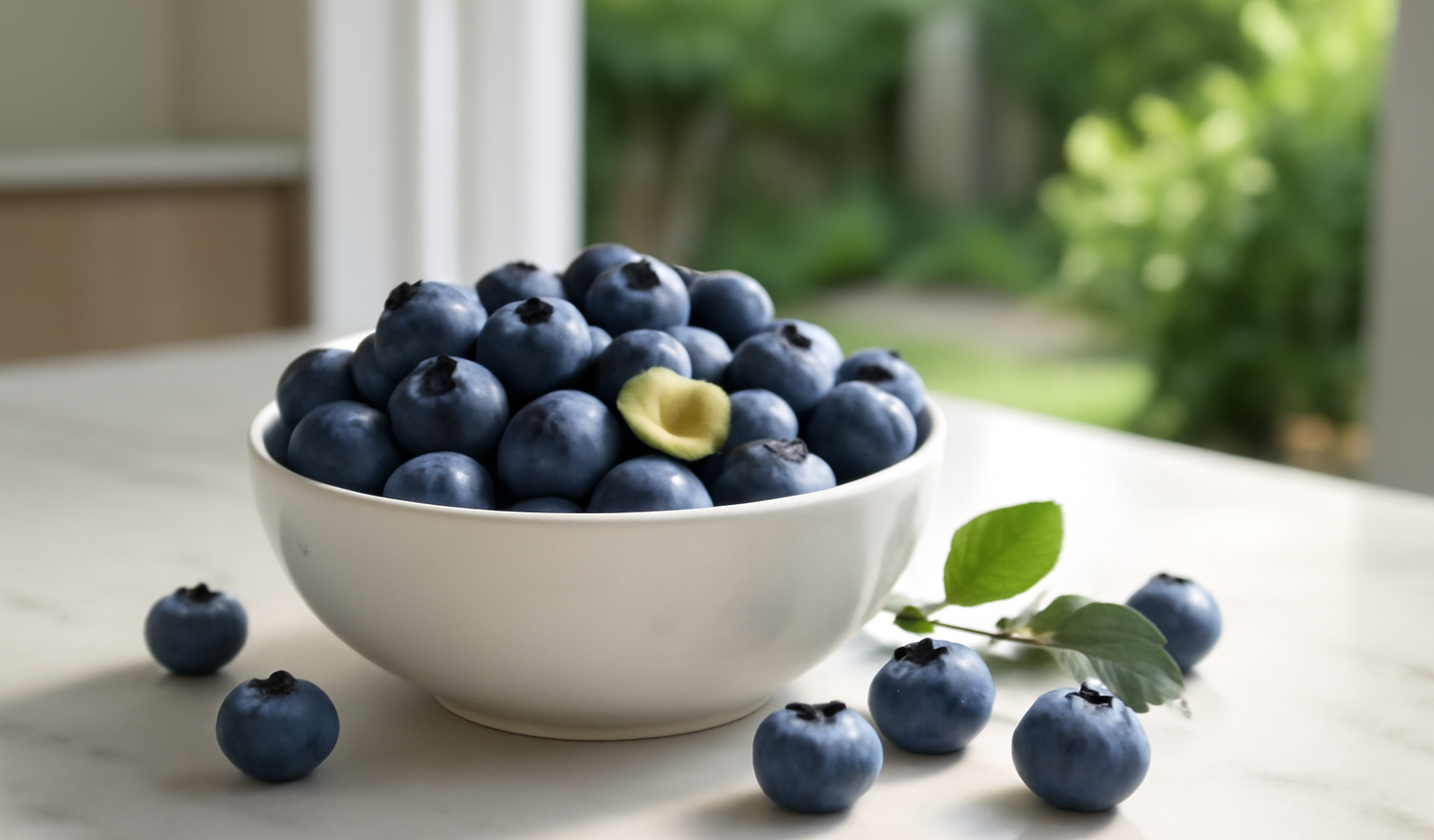
Sour blueberries are one of the most common disappointments for home growers, and the good news is that the most frequent cause is also the easiest to fix: the berries were picked too soon. A blueberry turns blue days before it is actually sweet, so the eye sees ripe while the tongue says tart. But picking timing is not the only reason for sour fruit. The variety you planted may simply be a tart type bred for baking rather than fresh eating, and underlying growing conditions, especially soil pH, water, and sun, can keep sugars from developing even when you wait. This troubleshooting guide explains each likely cause, how to tell which one is making your berries sour, what to do about it now, and how to set up your bushes so every harvest comes in sweet.
Key Takeaways
- The number-one cause of sour blueberries is harvesting too early, berries turn blue days before they finish sweetening.
- Wait until berries are fully blue, slightly soft, and detach with a gentle roll of the thumb; taste-test before picking the whole bush.
- Some varieties are naturally tart; for fresh sweet eating choose cultivars bred for flavor and let them fully ripen on the bush.
- Blueberries need acidic soil (pH 4.5–5.5); wrong pH, too little sun, or erratic water limit the sugar development that makes berries sweet.
- Letting berries hang several extra days after they turn blue is the single biggest sweetness upgrade for most growers.
How a Blueberry Ripens (and Why Blue Isn’t Ripe)
The key insight behind sour blueberries is that color and ripeness are not the same thing. A blueberry develops its blue skin color from anthocyanin pigments several days before the flesh inside finishes converting acids into sugars. So a berry can look perfectly blue and ready while still being firm, tart, and underdeveloped in flavor. In those final days on the bush, two things happen: the sugar content climbs and the acidity drops, and the berry softens slightly and loosens its grip on the cluster. A berry picked the day it turns blue is at peak sourness; the same berry left another four to seven days becomes markedly sweeter. This is why impatient picking is the overwhelming cause of sour fruit and why the fix costs nothing but a little patience.
Crucially, blueberries do not continue to sweeten after picking. Unlike bananas or peaches, they have no starch reserve to convert to sugar off the plant; they only soften. A berry picked sour stays sour. That makes on-the-bush ripening non-negotiable, and it means the entire strategy for sweet blueberries comes down to reading true ripeness correctly and giving the bush the conditions to develop sugars in the first place.
Cause 1: Picked Too Early
Diagnose: If your berries are blue but firm, with a slightly reddish or pinkish tinge near the stem end, and they cling tightly to the cluster so you have to tug them off, they are not ripe yet, no matter how blue they look. Sour berries that are otherwise plump and healthy, on a bush growing in good conditions, almost always mean premature picking. Another tell: the same bush yields sweet berries if you simply wait a week. Many growers strip a cluster the moment it colors up because they fear birds or splitting, and they end up with a tart harvest.
Fix: Wait, and learn the true ripeness cues. A ready blueberry is uniformly deep blue (no red or green at the stem end), slightly soft to a gentle squeeze, and so loosely attached that it drops into your palm when you cup the cluster and roll it gently with your thumb, without tugging. As a rule of thumb, leave berries on the bush for at least five to seven days after they first turn fully blue. Always taste-test a few from a cluster before stripping the whole bush; if they are tart, give them more time. Pick every few days during the season so you catch each berry at its peak rather than grabbing whole clusters at mixed ripeness. To protect ripening fruit from birds while you wait, drape the bushes with netting rather than picking early; see our guide on choosing between highbush and lowbush blueberries for variety-specific ripening habits.
Cause 2: A Naturally Tart Variety
Diagnose: If you are letting berries fully ripen, they are soft and easily detached, and they still taste sharp, the variety itself may simply be a tart one. Blueberry cultivars vary enormously in flavor, from intensely sweet dessert types to bracingly tart varieties prized for pies, jams, and baking where the tartness balances added sugar. Some older or wild-type lowbush selections are naturally more acidic than modern sweet highbush dessert cultivars. If you inherited an unknown bush or bought an unlabeled plant, a persistently tart-but-ripe harvest points to genetics. Lowbush (wild) blueberries in particular tend toward a more tangy, complex, less sugary flavor than large sweet highbush berries.
Fix: Match the variety to your goal. If you want sweet berries for fresh eating, plant cultivars specifically noted for sweetness and dessert quality, such as the sweeter highbush types, and look for descriptions emphasizing high sugar and mild flavor rather than “great for baking.” If your existing bush is a tart type, you have two options: embrace it by using the fruit for cooking, where its tang shines and is rounded out by sugar, or replace or supplement it with a known sweet variety. Planting two or more compatible varieties also improves cross-pollination, which can increase both fruit size and, in some cases, perceived sweetness because well-pollinated berries develop more fully. There is no spray or feed that turns a genetically tart variety sweet, so variety selection is the real lever here.
Cause 3: Soil pH and Growing Conditions
Diagnose: If a sweet-rated variety, picked fully ripe, is still underwhelming, the growing conditions may be limiting sugar development. Blueberries are acid-loving plants that need a soil pH of roughly 4.5 to 5.5; in neutral or alkaline soil they cannot take up iron and other nutrients properly, which shows as yellowing leaves with green veins (iron chlorosis), weak growth, and poorly developed, lackluster fruit. Insufficient sunlight is another big factor: blueberries need full sun (at least six to eight hours) to photosynthesize the sugars that sweeten fruit, and bushes in part shade reliably produce smaller, tarter, fewer berries. Erratic or excessive water during ripening can dilute sugars and swell berries with watery, flat flavor, while drought-stressed bushes ripen poorly too. Cool, cloudy summers and heavy nitrogen feeding (which pushes leafy growth at the expense of fruit sugars) can also blunt sweetness.
Fix: Get the foundation right. Test your soil pH and, if it is too high, acidify gradually with elemental sulfur (worked in well ahead of the season) and maintain acidity with an acidic mulch like pine bark or pine needles and acid-formulated fertilizer; do not expect overnight change, sulfur takes months to act. Make sure the bushes are in full sun, relocating or thinning overhanging shade if needed. Water consistently and deeply, especially during fruit development, but avoid waterlogging and ease off slightly as berries ripen so flavor concentrates rather than dilutes. Feed modestly with an acidic, balanced fertilizer; avoid heavy nitrogen, which favors leaves over sweet fruit. Correcting pH and sun is a multi-season project, but it dramatically improves both yield and flavor over time.
Putting It Together: A Sweetness Diagnosis
Work through the causes in order of likelihood. First, are you picking too early? Stop stripping clusters the day they turn blue; wait five to seven days past full blue color, let the berries soften, and taste before you pick. For the large majority of growers, that one change solves the problem entirely. If you are already waiting for true ripeness and the fruit is still sharp, look at the variety: a tart-rated cultivar or unknown wild type will never be a sweet dessert berry, so either use it for baking or plant a known sweet variety. Only if a sweet variety, fully ripened, still disappoints should you dig into growing conditions, checking soil pH (it must be acidic), sun exposure (full sun is essential), and watering consistency. These three layers, picking timing, variety, and conditions, account for essentially all sour blueberries.
One more practical note: flavor also varies through the season and within a bush. Berries that ripen during a stretch of warm, sunny days are sweeter than those that ripen in cool, cloudy weather, and the first and last berries of the season are often less sweet than the main flush. So judge your bush over a full season and across several pickings rather than condemning it on one tart handful. For broader berry care, the Plants & Flowers hub covers planting and feeding in more depth.
Growing Reliably Sweet Blueberries
Sweet blueberries come from the combination of the right variety, the right conditions, and patient picking. Choose dessert-quality varieties bred for sweetness and plant at least two compatible cultivars for good cross-pollination, which improves both size and flavor. Site them in full sun in genuinely acidic soil (pH 4.5–5.5), maintained with sulfur as needed and an acidic mulch, and water steadily through the season, backing off just slightly as berries finish ripening so sugars concentrate. Feed lightly with an acid fertilizer and avoid excess nitrogen. Then, the part that matters most at harvest, leave the berries on the bush until they are uniformly deep blue, slightly soft, and fall off at the lightest touch, a good week after they first color up, and always taste before you pick the whole bush. Protect ripening fruit from birds with netting rather than rushing the harvest. Do all of this and your blueberries will come in plump, deep blue, and genuinely sweet, season after season.
Frequently Asked Questions
Why are my blueberries sour even though they’re blue?
Because blueberries turn blue several days before they finish sweetening. Color comes first; sugars develop and acidity drops in the final days on the bush. A berry picked the day it turns blue is at its most sour. Wait five to seven days past full blue and let the berries soften.
Do blueberries get sweeter after you pick them?
No. Blueberries have no starch reserve to convert to sugar off the plant, so they do not sweeten after harvest, they only soften. A berry picked sour stays sour, which is why letting fruit fully ripen on the bush is essential.
How can I tell when a blueberry is truly ripe?
A ripe blueberry is uniformly deep blue with no red or green near the stem, slightly soft to a gentle squeeze, and so loosely attached that it drops into your hand when you cup and roll the cluster with your thumb, no tugging needed. Always taste a few before picking the whole bush.
Can soil pH make my blueberries sour?
Indirectly, yes. Blueberries need acidic soil (pH 4.5–5.5) to take up nutrients and grow vigorously. In wrong (too alkaline) soil they grow weakly and produce poorly developed, lackluster fruit. Correcting pH with sulfur and acidic mulch, along with full sun, improves both yield and flavor over time.
Are some blueberry varieties just naturally tart?
Yes. Cultivars range from intensely sweet dessert types to tart varieties bred for baking, and wild lowbush blueberries tend to be tangier than large sweet highbush types. If a fully ripe berry is still sharp, the variety may simply be tart, so choose a sweet dessert cultivar for fresh eating.