

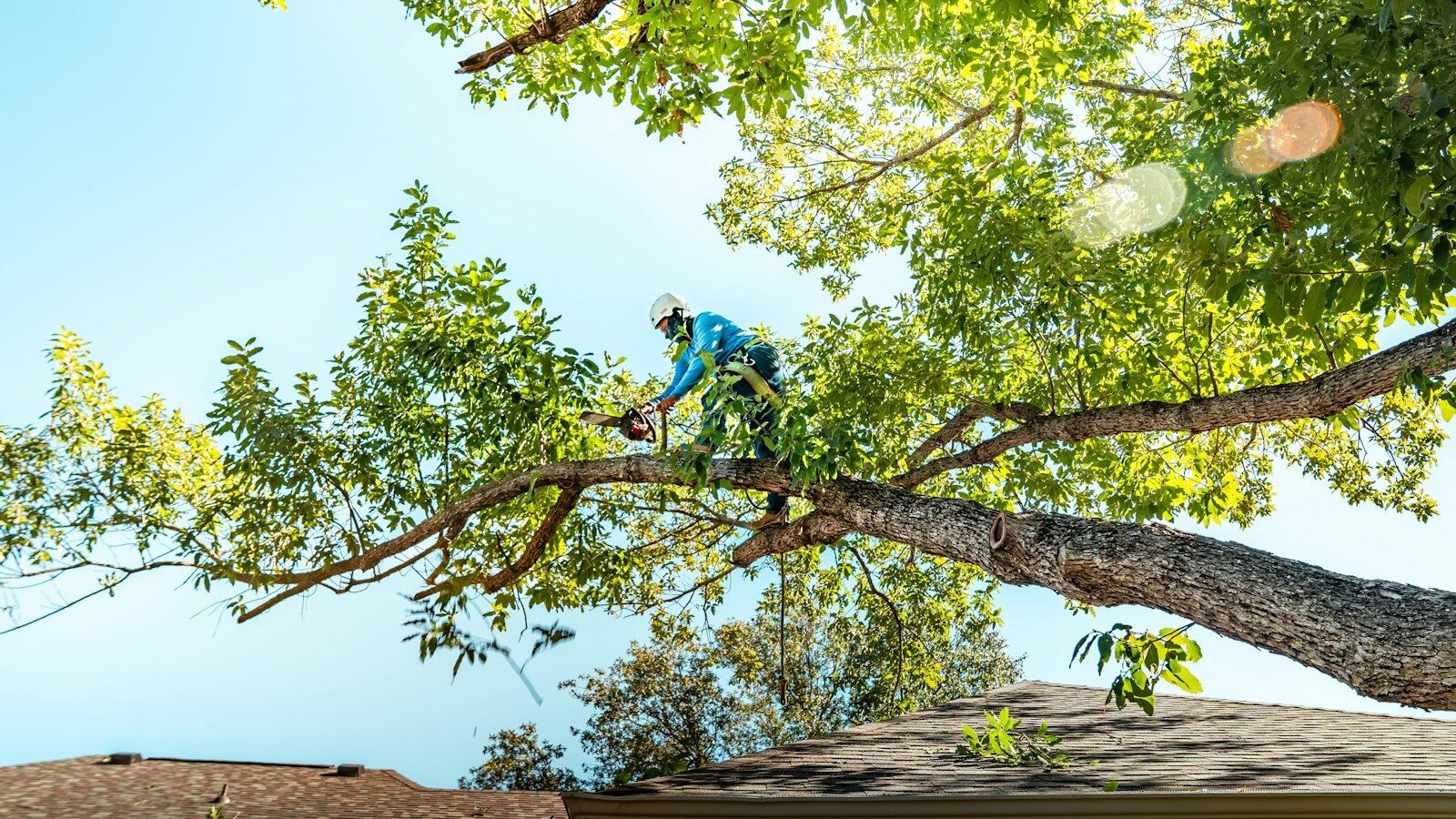
Tree trimming typically costs a few hundred dollars per tree, with most US homeowners paying roughly $250 to $800 for a single medium tree. Small ornamentals under 30 feet often fall in the $100 to $450 range, while large shade trees over 60 feet commonly run $800 to $1,500 or more, especially when a crew has to climb or use a bucket truck near a house or power lines. Height is the biggest factor, followed by access, the tree’s condition and species, and how much of the canopy is being removed. Below are typical ranges by height and species, the factors that move a quote, and how to compare tree services.
Part of our Trees & Shrubs guide →
In this guide
Key Takeaways
- Typical per-tree trimming ranges: about $100–$450 under 30 ft, $250–$800 at 30–60 ft, and $800–$1,500+ above 60 ft.
- Access, proximity to structures or power lines, and the tree’s health can push a quote well above the typical range.
- Trimming several trees in one visit usually lowers the cost per tree because setup and travel are shared.
- Dormant-season work in late winter is often easier to schedule and better for most deciduous trees.
- Ask for an ISA-certified arborist, proof of liability and workers’ compensation insurance, and a written scope.
Typical Tree Trimming Prices by Height
Tree services usually price per tree based on how much climbing, rigging and cleanup the job takes. Height is the simplest proxy for that effort. These are typical ranges for a standard trim (crown cleaning, deadwood removal and light thinning) on a healthy tree with reasonable access. Prices vary by region and season, so treat them as a starting point for comparing quotes, not a fixed price list.
| Tree height | Examples | Typical range per tree | What drives the high end |
|---|---|---|---|
| Under 15 ft | Japanese maple, dogwood, crape myrtle, fruit trees | About $100–$300 | Detailed structural pruning, many small cuts |
| 15–30 ft | Redbud, flowering pear, young oaks and maples | About $200–$450 | Ladder or climbing work, tight yards |
| 30–60 ft | Mature maples, ash, birch, pines | About $250–$800 | Rigging over roofs and fences, heavy deadwood |
| Over 60 ft | Large oaks, sycamores, tulip poplars, tall pines | About $800–$1,500+ | Crane or bucket truck, power lines, storm damage |
Some companies bill by the hour or by crew-day for larger or multi-tree jobs, particularly for hedge rows and properties with many trees. In that case, ask how many crew members and what equipment the rate includes, and get an estimate of total hours in writing.
Prices by Tree Type
Species matters because of growth habit, wood strength and how the tree has to be pruned.
- Palm trees: trimming dead fronds and seed pods is often priced per palm, commonly in the low hundreds for short palms and more for tall ones. Good crews avoid climbing spikes on healthy palms, so tall trees may need a lift. Tall Washingtonia and queen palms may need trimming once or twice a year.
- Oaks: large, heavy limbs and wide crowns push oaks toward the higher end. In areas with oak wilt, many arborists avoid pruning oaks during spring and early summer, which affects scheduling.
- Pines and conifers: usually need little routine pruning; most jobs are deadwood removal or limbing up for clearance, which can be relatively affordable unless the tree is very tall.
- Fruit trees: small but labor-intensive, because pruning for fruit production involves many precise cuts. Annual pruning keeps costs down compared with restoring a neglected tree.
- Fast-growing soft-wooded trees: silver maple, Bradford pear, willow and cottonwood break easily and often need more frequent cleanup, especially after storms.
- Ornamentals: Japanese maples and other specimen trees cost little in time but benefit from a skilled arborist rather than a general crew.
Free, no-obligation quote · Connect with a local pro
Factors That Raise or Lower a Quote
Access and location
A tree in an open front yard where a bucket truck can park beside it is the cheapest scenario. Trees in fenced backyards, on slopes, behind pools, or hanging over a roof require climbing, rigging and lowering limbs by rope, which takes more time and crew. If debris must be carried through a gate by hand, expect a higher quote.
Power lines
Only qualified line-clearance workers may work near energized lines. If branches touch or approach service lines, call your utility first; many utilities trim around their own lines at no charge. Work near the service drop to your house may still need a specialist, which raises cost.
Tree health and condition
Dead, decayed or storm-damaged trees are more dangerous to climb and may require a lift or extra rigging. Emergency calls after storms usually carry premium pricing. A tree that has not been pruned in 10 or more years also takes longer than one on a regular cycle.
Scope of work
Not every “trim” is the same job. Make sure each quote describes the same work:
- Crown cleaning: removing dead, diseased, broken and crossing branches.
- Crown thinning: selective removal to reduce density and wind load, usually no more than about a quarter of live foliage.
- Crown raising: removing lower limbs to clear sidewalks, driveways, roofs or lawns.
- Crown reduction: shortening the overall height or spread with proper reduction cuts, more skilled and usually costlier.
- Structural pruning: shaping young trees to develop a strong single leader and well-spaced branches.
Cleanup and disposal
Most quotes include chipping branches and hauling debris, but confirm. Keeping the wood chips for mulch or having logs left in rounds for firewood can sometimes reduce the price.
Number of trees and timing
Because travel, setup and chipper time are fixed costs, trimming three or four trees in one visit is usually cheaper per tree than separate visits. Scheduling in late winter, when many companies are slower and deciduous trees are dormant, can also help.
Cost Breakdown Example
| Line item | What it covers | How it affects cost |
|---|---|---|
| Labor | Climbers, ground crew, hours on site | Usually the largest share of the bill |
| Equipment | Bucket truck, crane, chipper, rigging | Lifts and cranes add significantly to large jobs |
| Debris removal | Chipping, hauling, dump fees | Often bundled; may be discounted if you keep chips |
| Permits | Required in some cities for protected or street trees | Varies by municipality |
| Insurance and overhead | Liability and workers’ comp coverage | Built into rates; uninsured bids look cheaper but carry risk |
| Extras | Cabling, stump grinding, emergency service | Priced separately |
Regional and Seasonal Price Differences
Where you live moves the number as much as the tree does. Labor rates in large metro areas on the coasts tend to sit well above those in rural parts of the Midwest and South, and insurance and disposal fees follow the same pattern. Regions with frequent storms — the Gulf Coast in hurricane season, the Northeast after ice storms — see demand spike, and emergency or post-storm work is almost always priced at a premium. Wildfire-prone areas of the West may require defensible-space clearance, which can add extra limbing and brush removal to an ordinary trim.
Season matters too. Spring and early summer are peak demand for most companies, so lead times grow and discounts shrink. Late fall and winter are usually quieter, and many crews will negotiate on multi-tree jobs to keep work flowing. If a tree is not hazardous, booking it for the dormant season is one of the easiest ways to get a better price and a more careful job.
Trimming vs Removal
Trimming is far cheaper than removal, and a healthy tree adds shade and value to a property. But if more than half the canopy is dead, the trunk has major decay or cracks, or the tree leans dangerously toward the house, an arborist may recommend removal. Paying to trim a tree that will fail within a few years is not money well spent. If removal is on the table, our guide to tree removal cost covers how those quotes are built, including stump grinding.
Free, no-obligation quote · Connect with a local pro
When to Trim Trees
- Late winter to early spring (dormant season): best for most deciduous trees. Branch structure is easy to see, wounds close quickly when growth resumes, and pest activity is low.
- Right after flowering: for spring-blooming trees such as dogwood, redbud and magnolia, so you do not cut off next year’s buds.
- Avoid spring and early summer for oaks in regions with oak wilt, and for elms where Dutch elm disease is present.
- Any time: for dead, broken or hazardous limbs.
Most mature shade trees benefit from a professional trim every 3 to 5 years, while young trees benefit from structural pruning every 1 to 3 years. For broader tree care advice, see our trees and shrubs guide.
DIY vs Hiring a Pro
Homeowners can safely handle small trees and branches they can reach from the ground with hand pruners, loppers or a pole saw — generally limbs under about 3 inches in diameter. Our roundup of the best pruning saws covers the right tools. Leave anything requiring a ladder and a chainsaw, limbs over structures, and work near power lines to professionals. Tree work is one of the more dangerous trades, and falls and falling limbs cause serious injuries every year.
How to Hire a Tree Service
- Get at least three written quotes describing the same scope: which trees, what type of pruning, and cleanup.
- Ask for an ISA-certified arborist to assess or oversee the work.
- Verify insurance by asking for certificates of general liability and workers’ compensation sent directly from the insurer.
- Refuse topping. A company that offers to “top” a tree is a red flag; topping weakens trees and causes rapid, poorly attached regrowth.
- Avoid climbing spikes on trees being pruned, not removed; spikes wound the trunk.
- Be wary of door-to-door crews after storms who demand cash up front.
- Check permits if your city protects certain species or street trees.
Ways to Save on Tree Trimming
- Bundle multiple trees, or coordinate with a neighbor so the crew does both yards in one trip.
- Book in the dormant season when demand is lower.
- Keep trees on a regular pruning cycle to avoid expensive restoration work.
- Ask your utility to handle branches touching its lines.
- Keep the wood chips for mulch.
- Handle small, ground-reachable pruning yourself between professional visits.
Frequently Asked Questions
How much does it cost to trim a large tree?
Trees over 60 feet commonly run about $800 to $1,500 or more each, depending on access, rigging needs and whether a bucket truck or crane is required.
Is tree trimming cheaper in winter?
Often, yes. Late winter is a slower season for many tree services, and dormant trees are easier to assess and prune, which can mean better availability and pricing.
How often should trees be trimmed?
Most mature shade trees need professional pruning every 3 to 5 years; young trees every 1 to 3 years; fruit trees annually for best production.
Does homeowners insurance pay for tree trimming?
Routine trimming is considered maintenance and is generally not covered. Policies may cover removal of a tree that falls on a structure after a covered event; check your policy.
Who pays to trim trees near power lines?
Utilities typically trim around their distribution lines. Branches near the service line to your house may be your responsibility; contact your utility to confirm.
Get free quotes from local pros
Compare written quotes from insured tree trimming services near you before you book.